Why Veneers Are So Popular in Canada
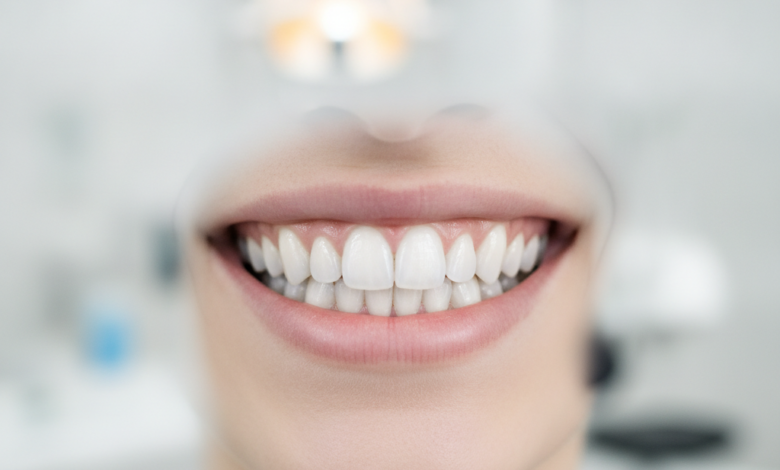
The quest for a flawless, radiant smile has transcended borders and generations, becoming a universal aspiration in modern aesthetics. Among the myriad of cosmetic dental procedures available today, dental veneers have emerged as a frontrunner, particularly gaining immense traction in Canada. These custom-made, wafer-thin shells, typically crafted from porcelain or composite resin, are meticulously bonded to the front surface of teeth to correct a variety of dental imperfections. Their ability to deliver a dramatic and immediate transformation has cemented their place as a highly sought-after solution for Canadians looking to enhance their smiles. This comprehensive guide delves into the reasons behind the escalating popularity of veneers across Canada, exploring their aesthetic and functional benefits, the procedural intricacies, and what makes them such a compelling choice for so many.
Why Veneers Are So Popular in Canada
Why Veneers Are So Popular in Canada
The soaring demand for veneers in Canada can be attributed to a confluence of factors, ranging from aesthetic aspirations to advancements in dental technology and increasing public awareness. Canadians, much like their counterparts globally, are increasingly prioritizing personal appearance and confidence, with a bright, symmetrical smile often perceived as a key component.
One of the primary drivers of this popularity is the unparalleled aesthetic transformation veneers offer. They are capable of addressing a wide spectrum of cosmetic concerns, including severe discoloration that teeth whitening cannot resolve, minor gaps between teeth, chips, cracks, and even mild misalignment. The result is a uniformly shaped, perfectly aligned, and brilliantly white smile that can dramatically enhance an individual’s facial harmony and overall self-image.
Beyond aesthetics, the durability and longevity of modern porcelain veneers play a significant role. With proper care, these restorations can last for a decade or more, offering a long-term solution to dental imperfections. This makes them a wise investment for those seeking a lasting cosmetic improvement. The procedure itself is also relatively straightforward, often completed within a few appointments, which appeals to individuals seeking efficient and effective results. The minimal invasiveness, especially compared to full crowns, where only a small amount of enamel is typically removed, also makes veneers an attractive option. Furthermore, the pervasive influence of social media and celebrity culture has normalized and even glamorized cosmetic dentistry, making perfect smiles more aspirational and accessible in the public consciousness, leading to increased inquiry and adoption among Canadians.
Understanding the Science Behind Veneers
Dental veneers, at their core, represent a sophisticated fusion of art and science. They are meticulously designed to mimic the natural appearance of tooth enamel, reflecting light in a similar way and providing a lifelike translucency. Understanding the materials and processes involved illuminates why they are so effective.
**What Are Dental Veneers?**
As mentioned, veneers are custom-fabricated shells designed to cover the front surface of teeth. The two primary materials used are porcelain and composite resin. Porcelain veneers are renowned for their superior strength, stain resistance, and ability to replicate the natural luster of teeth. They are crafted in a dental laboratory, a process that ensures precise fit and optimal aesthetics. Composite veneers, on the other hand, are made from a tooth-colored resin material that can be applied directly to the tooth surface and sculpted by the dentist in a single visit. While generally more affordable and quicker to apply, they may not offer the same level of stain resistance or longevity as porcelain.
**How Veneers Work: The Bonding Process**
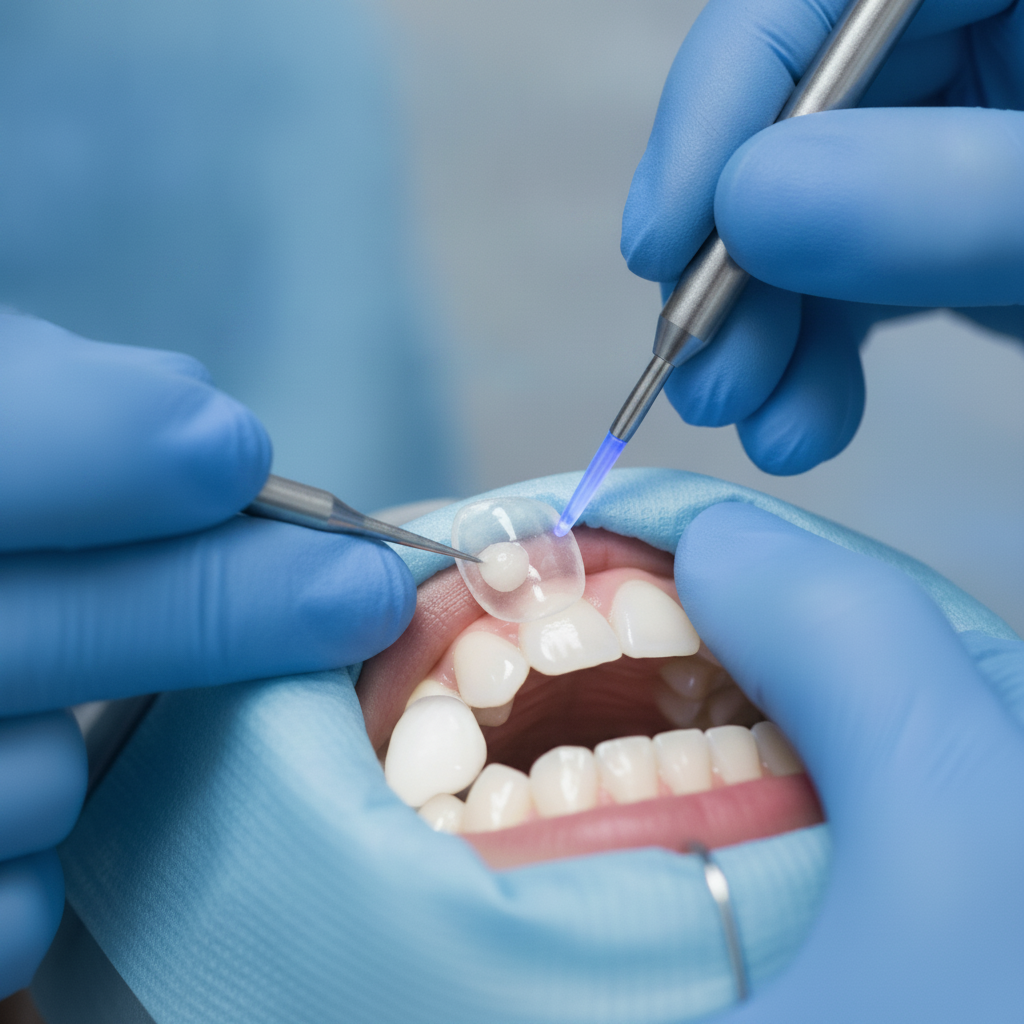
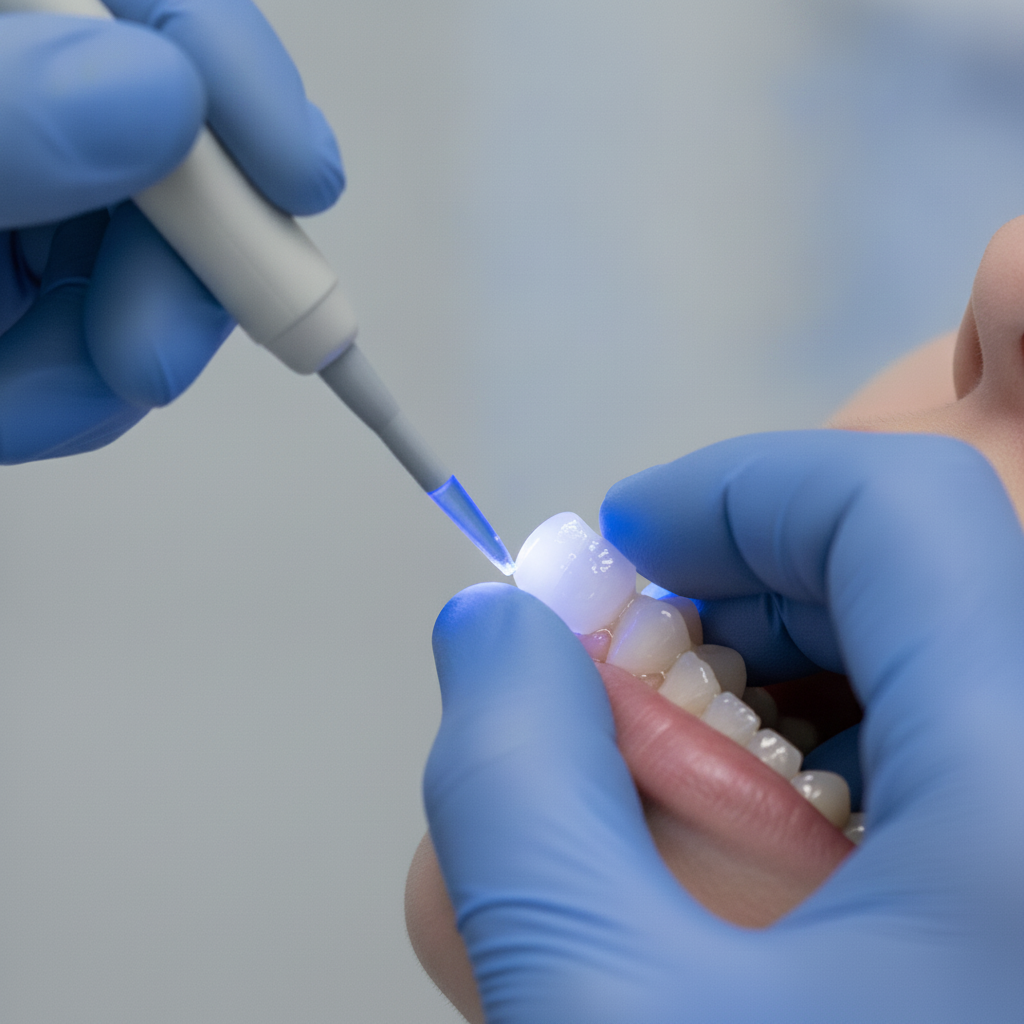
The success and durability of veneers hinge on the bonding process. After a minimal amount of tooth enamel is gently removed (to create space for the veneer and ensure a natural fit), an impression of the prepared teeth is taken. This impression serves as a blueprint for the dental lab to create custom veneers that fit perfectly and complement the patient’s facial features. Once the veneers are ready, the tooth surface is etched with a mild acidic gel, which creates microscopic pores that enhance the bond. A specialized dental cement is then applied to the veneer and the tooth, and the veneer is carefully positioned. A curing light activates the cement, creating a strong, durable bond that effectively merges the veneer with the natural tooth structure.
**The Role of Advanced Dental Technology**
Modern dentistry utilizes cutting-edge technology to enhance the veneer process. Digital smile design software allows patients to visualize their potential new smile before any treatment begins, ensuring satisfaction with the aesthetic outcome. Intraoral scanners provide highly accurate digital impressions, eliminating the need for traditional, sometimes uncomfortable, putty molds. Advanced ceramic materials used for porcelain veneers are stronger and more aesthetically pleasing than ever before, contributing to their widespread acceptance and popularity.
The Step-by-Step Veneer Application Process
Embarking on the journey to a new smile with veneers typically involves a series of carefully executed steps, ensuring a personalized and precise outcome.
1. **Comprehensive Consultation and Planning:** The process begins with an in-depth consultation with a qualified dentist. During this crucial stage, the dentist assesses the patient’s oral health, discusses their aesthetic goals, and determines if veneers are the most suitable option. Digital imaging and smile design tools may be used to preview the potential results.
2. **Minimal Tooth Preparation:** For porcelain veneers, a small amount of enamel (usually less than a millimeter) is gently removed from the front surface of the teeth. This step is essential to accommodate the thickness of the veneer and prevent the teeth from appearing bulky. Local anesthetic may be used to ensure comfort.
3. **Precision Impressions:** After preparation, highly accurate impressions of the teeth are taken. These impressions are then sent to a state-of-the-art dental laboratory, where skilled technicians custom-fabricate the veneers.
4. **Crafting Your Custom Veneers:** In the lab, each veneer is meticulously crafted to match the desired shape, size, and color, ensuring a natural blend with existing teeth and overall facial aesthetics. This process can take one to two weeks.
5. **Final Bonding and Aesthetic Review:** Once the custom veneers arrive from the lab, the patient returns for their final appointment. The dentist temporarily places the veneers on the teeth to check the fit, color, and overall appearance. Any necessary adjustments are made. The teeth are then thoroughly cleaned and polished, and the veneers are permanently bonded using a strong dental adhesive and a special light.
Benefits Beyond the Brilliant Smile
While the aesthetic transformation is undeniably the most visible benefit, veneers offer several other advantages that contribute to their appeal.
* **Enhanced Self-Confidence and Psychological Well-being:** A beautiful smile can significantly boost self-esteem, making individuals more confident in social and professional interactions. The psychological impact of an improved smile is profound and often cited as a major benefit by veneer recipients.
* **Improved Oral Function (Minor Corrections):** In cases of minor misalignments or chips, veneers can help restore a more functional bite, making it easier to chew and speak. They can also protect weakened or fractured teeth from further damage.
* **Stain Resistance and Easy Maintenance:** Porcelain veneers are highly resistant to stains from coffee, tea, and tobacco, maintaining their brilliant white appearance over time. They are also easy to maintain with regular brushing, flossing, and routine dental check-ups, just like natural teeth.
Choosing the Right Veneer Material for Canadian Patients
The decision between porcelain and composite veneers often comes down to budget, desired longevity, and the specific aesthetic goals of the patient.
* **Advantages of Porcelain Veneers:** Porcelain offers superior durability, lasting typically 10-15 years or even longer. Their natural translucency closely mimics real tooth enamel, providing exceptional aesthetics. Porcelain is also highly resistant to staining.
* **Considerations for Composite Veneers:** Composite veneers are generally more affordable and can often be placed in a single visit, as they are sculpted directly onto the teeth. They are also reversible, as less tooth enamel is typically removed. However, they may not last as long as porcelain veneers (typically 5-7 years) and are more prone to staining.
* **Factors Influencing the Decision:** The choice depends on a thorough discussion with a dentist, considering the extent of correction needed, the patient’s budget, lifestyle habits, and long-term expectations.
Longevity and Care: Maximizing the Lifespan of Your Veneers
While veneers are durable, their longevity is significantly influenced by proper care and maintenance.
* **Daily Oral Hygiene Practices:** Regular brushing with a non-abrasive toothpaste and flossing are crucial for keeping both veneers and natural teeth healthy. This prevents plaque buildup and gum disease, which can compromise the integrity of the veneers.
* **Regular Dental Check-ups and Professional Cleaning:** Routine visits to the dentist for professional cleanings and examinations are vital. The dentist can monitor the condition of the veneers and address any potential issues early on.
* **Protecting Your Investment:** Avoiding habits such as biting on hard objects (ice, nuts), using teeth as tools, or grinding teeth (bruxism) can help extend the life of veneers. For individuals who clench or grind their teeth, a night guard may be recommended to protect the veneers from excessive force.
Addressing Common Questions and Concerns about Veneers
Patients often have questions about the veneer process. Addressing these can help clarify expectations.
* **Is the Procedure Painful?** The veneer placement process is generally comfortable. Local anesthetic is typically used during tooth preparation to ensure the patient experiences no pain. Some mild sensitivity might be felt after the procedure, but it usually subsides quickly.
* **Are Veneers Permanent?** Since a small amount of enamel is removed for porcelain veneers, the procedure is considered irreversible. The removed enamel does not grow back, meaning that teeth prepared for veneers will always need to be covered by veneers or crowns.
* **Potential for Sensitivity:** Some patients may experience temporary sensitivity to hot or cold temperatures after veneer placement, especially if significant enamel was removed. This typically resolves within a few days or weeks as the teeth adjust.
The Future of Cosmetic Dentistry and Veneers in Canada
The field of cosmetic dentistry is continuously evolving, with ongoing advancements in materials, techniques, and diagnostic tools. In Canada, the demand for aesthetic dental solutions, particularly veneers, is projected to continue its upward trend. This is driven by an increasing awareness of cosmetic possibilities, the desire for non-invasive yet transformative treatments, and a growing emphasis on overall wellness, which includes dental health and aesthetics. Dentists are continually honing their skills and adopting new technologies to provide even more natural-looking and long-lasting results. The importance of choosing a qualified and experienced dental professional cannot be overstated, as their expertise is critical to achieving the desired outcome and ensuring the longevity of these delicate restorations. As more people seek to improve their smiles, veneers will undoubtedly remain a cornerstone of modern cosmetic dental practice globally, including in Canada. For more information on dental veneers, you can refer to authoritative sources like Wikipedia’s entry on dental veneers.