
Dental Implants Cost in Canada (2026) – Full Price Guide
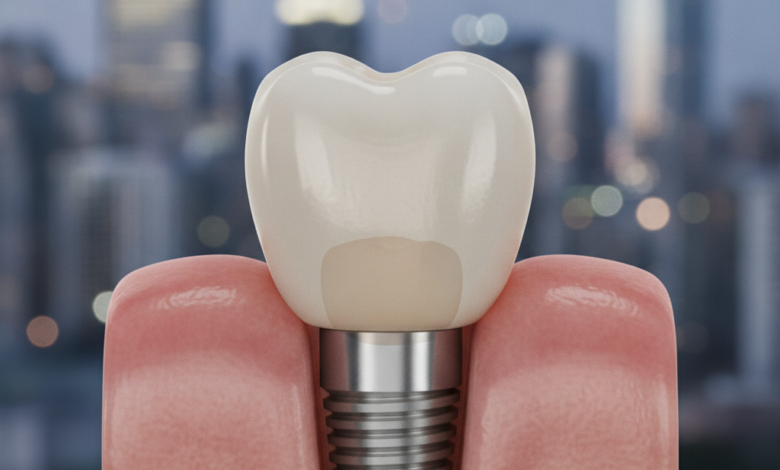
For many Canadians facing tooth loss, dental implants represent the gold standard in restorative dentistry. They offer a durable, natural-looking, and long-lasting solution that can significantly improve oral health, aesthetics, and overall quality of life. However, a primary concern for prospective patients is often the associated cost. Understanding the financial commitment involved in receiving dental implants in Canada in 2026 requires a comprehensive look at various factors, from the type of implant to additional procedures and geographical considerations. This guide aims to demystify the pricing structure, providing a clear overview for those considering this transformative dental treatment, highlighting the factors that drive costs and what to expect on your journey to a restored smile.
Dental Implants Cost in Canada (2026) – Full Price Guide
Understanding Dental Implants: More Than Just a Tooth Replacement
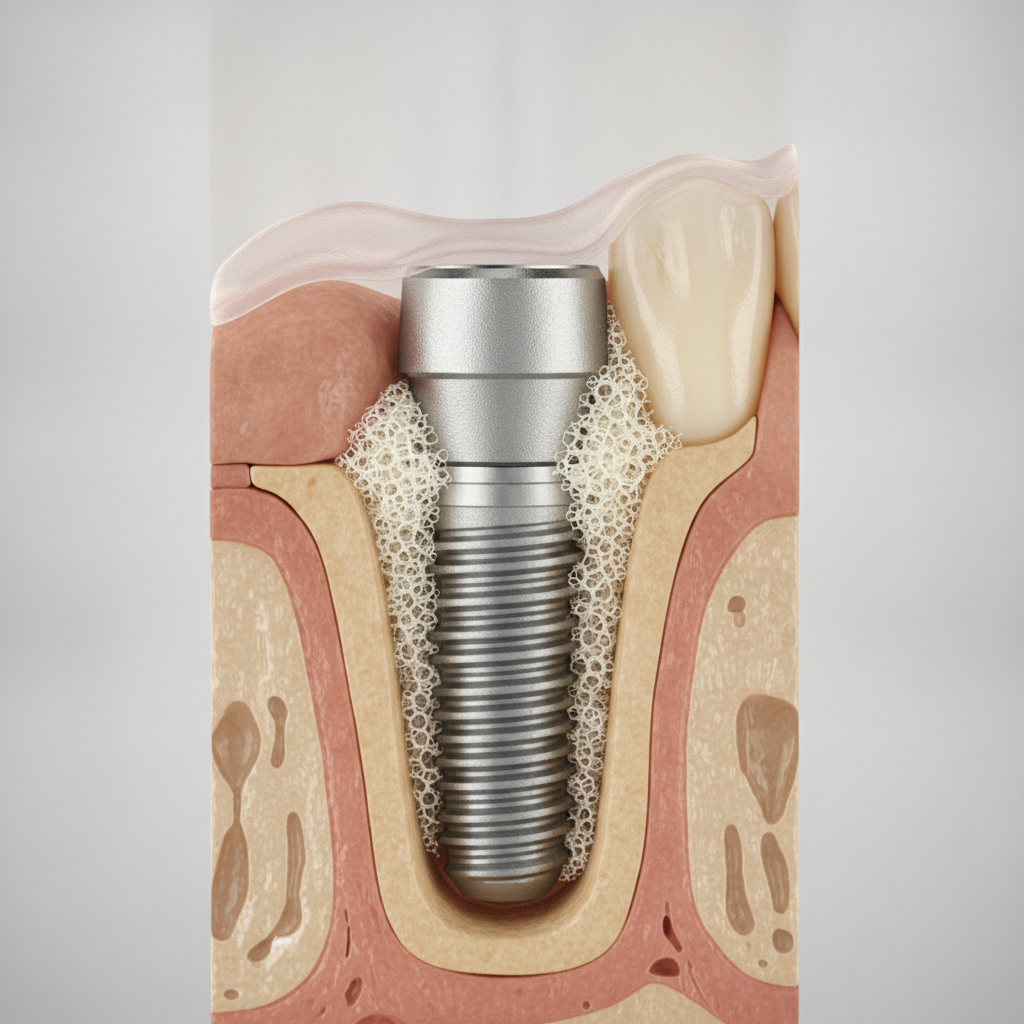
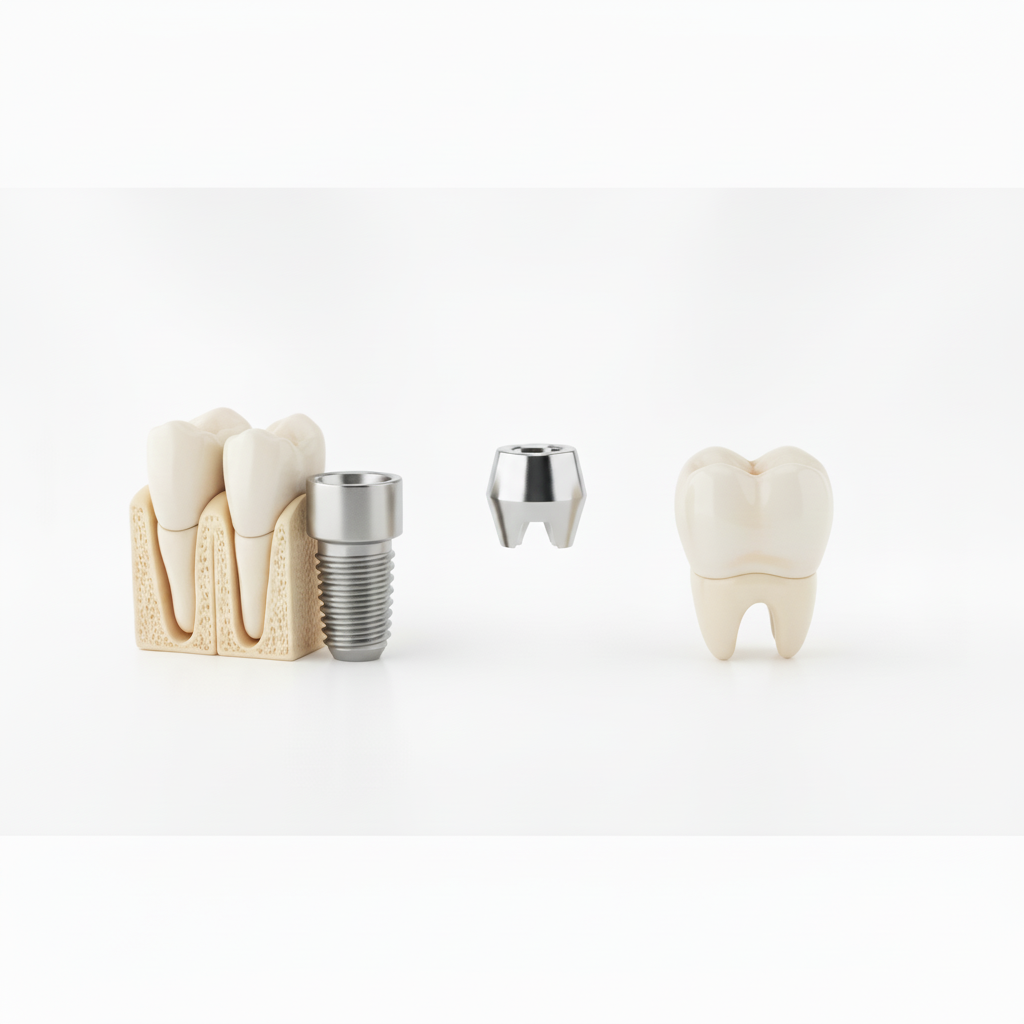
A dental implant is a sophisticated medical device designed to replace missing tooth roots. It typically consists of three main parts: the implant post, the abutment, and the dental crown. The implant post, usually made of medical-grade titanium or zirconia, is surgically placed into the jawbone. Over several months, this post fuses with the surrounding bone through a remarkable biological process called osseointegration. This creates a stable and strong foundation, much like a natural tooth root. On top of this integrated post, an abutment is securely attached, which then connects to a custom-made crown, bridge, or denture, restoring the patient’s smile and chewing function with unparalleled stability.
Unlike traditional bridges that rely on adjacent teeth for support, often requiring them to be ground down, or conventional dentures that can slip and cause discomfort, implants offer a standalone solution. They preserve the integrity of healthy neighboring teeth and prevent further bone loss in the jaw, a common consequence of missing teeth. The continuous stimulation of the jawbone by the implant helps maintain facial structure and prevents the sunken appearance often associated with long-term tooth loss. This makes dental implants a superior choice for both functional recovery and long-term oral health preservation. The scientific basis of osseointegration ensures that the implant acts as a true artificial root, distributing chewing forces naturally and contributing to the overall health of the jawbone.
Factors Influencing Dental Implants Cost in Canada (2026)
The total
Dental Implants Cost in Canada (2026)
is not a fixed figure but rather a spectrum influenced by a multitude of variables. As we look towards 2026, these factors continue to play a crucial role in determining the final price a patient can expect to pay for this advanced dental procedure.
Core Treatment Variables: Number, Type, and Materials
Naturally, replacing a single tooth with one implant will be less expensive than replacing multiple teeth or a full arch. Complex full-mouth restorations, such as All-on-4 or All-on-6 procedures, involve a greater number of implants, extensive surgical time, and more elaborate prosthetic components, leading to significantly higher overall costs. The specific design and brand of the implant (e.g., screw-retained, cemented, immediately loaded) can also influence pricing. The material chosen for the prosthetic crown—ranging from porcelain-fused-to-metal (PFM) to full porcelain or high-strength zirconia—also impacts cost, with premium, custom-fabricated crowns offering superior aesthetics, biocompatibility, and durability at a higher price point. The choice of materials not only affects cost but also the long-term performance and appearance of the restoration.
Ancillary Procedures and Geographical Considerations
Many patients require additional treatments before implant placement to ensure the success and longevity of the implant. These “preparatory procedures” can significantly add to the total cost. If the patient lacks sufficient jawbone density, bone grafting may be necessary to create a stable foundation. This procedure can involve using synthetic bone material, processed donor bone, or bone harvested from another part of the patient’s body. For implants in the upper jaw, particularly in the molar region, a sinus lift procedure may be required to add bone to the area, preventing the implant from encroaching into the maxillary sinus cavity. Additionally, if a damaged tooth is still present, its extraction will be an initial step, incurring a separate fee. Addressing any underlying periodontal disease (gum disease) is also crucial before implant surgery, as healthy gum tissue is vital for successful integration and long-term implant health. Furthermore, dental costs vary significantly across Canadian provinces and even between urban and rural areas. Major metropolitan centers like Toronto, Vancouver, and Montreal often have higher overheads, which can translate to higher dental fees compared to smaller towns or less densely populated regions. Provincial regulations and the general cost of living also play a significant role in this regional variation.
Professional Expertise and Diagnostic Needs
The experience, specialization, and reputation of the dental professional performing the procedure, whether an oral surgeon, periodontist, or general dentist with extensive implant training, can influence pricing. Highly experienced specialists who focus on implant dentistry may charge more for their expertise, but their success rates and ability to manage complex cases are often superior. The technological sophistication of the clinic also contributes; state-of-the-art diagnostic tools, such as 3D Cone Beam CT (CBCT) scans, intraoral scanners, and advanced surgical equipment, are essential for precise treatment planning and execution. Initial consultations, comprehensive examinations, detailed X-rays, and 3D CBCT scans are crucial for accurate diagnosis and treatment planning, and these diagnostic fees are typically separate. Additionally, the type of anesthesia chosen—ranging from local anesthesia to oral sedation, intravenous (IV) sedation, or even general anesthesia—will impact the overall cost, with more extensive sedation options being more expensive due to the involvement of an anesthesiologist and specialized monitoring.
Average Estimated Dental Implants Cost in Canada (2026)
While specific quotes require a personal consultation based on your unique oral health needs, here’s an estimated breakdown of costs for dental implants in Canada, projected for 2026. These ranges are illustrative and can vary widely based on all the factors discussed above.
| Procedure Component | Estimated Cost Range (CAD) per tooth/instance (2026) | Description |
|---|---|---|
| Single Dental Implant (Post Only) | $1,800 – $3,000 | Surgical placement of the titanium or zirconia implant post into the jawbone. |
| Abutment | $500 – $1,000 | The custom connector piece between the implant post and the final crown. |
| Dental Crown (Implant-Supported) | $1,500 – $2,500 | The visible prosthetic tooth, custom-made to match natural teeth in shade and shape. |
| Total for Single Implant (Post, Abutment, Crown) | $3,800 – $6,500 | Comprehensive cost for one complete implant restoration, excluding preparatory work. |
| Bone Grafting (Minor) | $400 – $1,500 | Procedure to augment bone volume where density is insufficient for implant placement. |
| Sinus Lift (Major) | $1,500 – $3,000 | Adds bone to the upper jaw in the area of the molars to create sufficient height. |
| Tooth Extraction | $150 – $450 | Removal of a problematic or non-restorable tooth prior to implant placement. |
| Diagnostic Imaging (X-rays, CBCT) | $100 – $500 | Necessary scans for precise planning and diagnosis of bone structure and nerve pathways. |
| Sedation (per session, if required) | $200 – $1,000+ | Cost for oral, IV, or general anesthesia to ensure patient comfort during procedures. |
| All-on-4/6 Dental Implants (Full Arch) | $20,000 – $35,000+ per arch | Comprehensive solution for replacing an entire arch of teeth with 4-6 strategically placed implants and a fixed prosthetic. |
The Dental Implant Procedure: A Step-by-Step Overview
The process of receiving dental implants is typically spread over several months, ensuring optimal healing and integration. While the timeline can vary significantly based on individual healing capabilities and the complexity of the case, understanding each stage can help patients prepare for the journey ahead.
Initial Assessment and Preparation
This critical first step involves a thorough examination of your oral health by a qualified dental professional. This includes detailed X-rays and often a 3D Cone Beam CT (CBCT) scan, which provides a comprehensive view of your jawbone structure, nerve pathways, and sinus cavities. The dentist will assess bone density, evaluate the overall health of your gums and any remaining teeth, and discuss your complete medical history. Based on this extensive assessment, a personalized treatment plan is developed, outlining the number of implants required, any necessary preparatory procedures (like bone grafting or tooth extraction), and the estimated timeline and cost. This meticulous planning stage is crucial for ensuring the implant’s long-term success and proper anatomical placement.
Surgical Placement and Osseointegration
During the primary surgical phase, the dental implant (the titanium or zirconia post) is carefully placed into the jawbone. This procedure is typically performed under local anesthesia, often supplemented with oral or IV sedation to enhance patient comfort. A small incision is made in the gum tissue, a precise pilot hole is drilled into the bone, and the implant is gently screwed into its designated position. The gum tissue is then meticulously sutured closed over the implant to protect it during the healing period. This outpatient procedure is generally well-tolerated, with most patients experiencing only mild discomfort, manageable with over-the-counter pain relievers. Following placement, the most crucial phase, osseointegration, begins. This is a natural biological process where the implant fuses with the surrounding jawbone, forming an incredibly strong and stable anchor. This process typically takes anywhere from 3 to 6 months, though it can vary. During this time, the implant becomes a permanent part of your anatomy.
Abutment and Final Restoration
Once osseointegration is complete and the implant is fully integrated with the bone, a second minor surgical procedure may be performed (if the abutment was not placed simultaneously with the implant) to gently expose the top of the implant. An abutment, a small connector post, is then securely attached to the implant. This post will extend through the gum line and serve as the foundation for the final prosthetic tooth. After the gums have healed around the abutment, typically within 1-2 weeks, precise impressions are taken of your mouth. These impressions, along with detailed specifications, are sent to a dental lab where your custom-made crown, bridge, or denture is meticulously fabricated. This prosthetic is designed to perfectly match the color, shape, and size of your natural teeth, ensuring a seamless and aesthetic integration with your smile. Once the custom restoration is ready, it is securely attached to the abutment, completing the final phase of treatment. The result is a fully functional, aesthetically pleasing tooth that feels and performs much like your own, restoring both chewing ability and confidence.
Long-Term Value and Financial Considerations
While the initial cost of dental implants in Canada may seem substantial, it is essential to view them as a long-term investment in your oral health and overall well-being. Unlike other tooth replacement options that may require replacement or significant maintenance every few years, dental implants, with proper care and oral hygiene, can last a lifetime. Their remarkable durability and high success rates, often exceeding 95%, make them an economically sound choice in the long run.
Benefits as a Lasting Investment
- Exceptional Durability and Longevity: The osseointegrated implant post is designed to be a permanent fixture, providing unparalleled stability and strength.
- Improved Oral Health: Implants stand alone, meaning they don’t require altering adjacent healthy teeth, as is necessary with traditional bridges. They also stimulate the jawbone, preventing the bone loss that occurs with missing teeth and thereby preserving your natural facial structure.
- Enhanced Aesthetics: Custom-made crowns are meticulously designed to perfectly match your natural teeth, restoring a beautiful and confident smile that looks completely natural.
- Restored Chewing Function: Implants function just like natural teeth, allowing you to eat all your favorite foods without discomfort, dietary restrictions, or fear of slippage.
- Clearer Speech: Missing teeth or ill-fitting dentures can affect speech patterns. Implants provide a stable foundation, helping to restore clear and confident pronunciation.
- Unmatched Convenience: Unlike removable dentures, implants are a fixed solution that you don’t have to take out, clean separately, or worry about slipping, offering maximum comfort and ease of use.
Navigating Payment and Alternatives
Navigating the cost of dental implants in Canada often involves exploring various financing options. While provincial health plans typically do not cover dental implant procedures, many private dental insurance plans may offer partial coverage, especially if the implants are deemed medically necessary rather than purely cosmetic. It is crucial to review your specific policy details with your insurance provider to understand your benefits. Many reputable dental clinics also offer in-house payment plans or work with third-party medical financing companies, allowing patients to spread the cost over several months or years. Understanding these financial tools can make this vital treatment more accessible.
For Canadians seeking high-quality dental care at a more affordable price point, exploring options for dental implant costs in other regions, particularly through dental tourism, has become an increasingly popular consideration. This approach allows patients to benefit from competitive pricing in countries known for advanced dental care, often combining their treatment with a travel experience, without compromising on the quality of care or the materials used. It represents a viable alternative for many seeking to mitigate the significant expenses associated with dental implants in Canada.
The decision to invest in dental implants is a significant one, offering profound and lasting benefits for those suffering from tooth loss. While the Dental Implants Cost in Canada (2026) can vary considerably based on individual needs, treatment complexities, and chosen providers, understanding the components that contribute to the price, combined with a thorough consultation with a qualified dental professional, is the essential first step towards restoring a healthy, functional, and confident smile for decades to come.




2 Comments