Are Composite Veneers Better Than Porcelain Veneers?
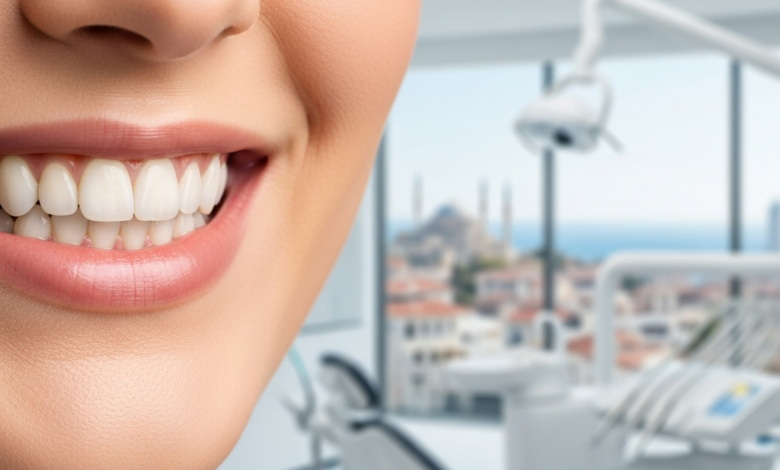
Are Composite Veneers Better Than Porcelain Veneers? This question is a central topic of discussion in cosmetic dentistry, as both treatments offer transformative results for individuals seeking to perfect their smile. While porcelain veneers have long been considered the gold standard for durability and aesthetics, composite resin veneers have emerged as a powerful, versatile, and often more accessible alternative. The decision between the two is not about one being definitively superior in all cases, but rather understanding which option best aligns with a patient’s specific goals, budget, oral health, and long-term expectations. To make an informed choice, it is crucial to delve into the materials, procedures, benefits, and limitations of each.
Understanding the Core Materials: Composite Resin vs. Dental Porcelain
The fundamental difference between these two types of veneers lies in the material used to create them. This single factor influences everything from the application process and cost to the final look and lifespan of the restoration.
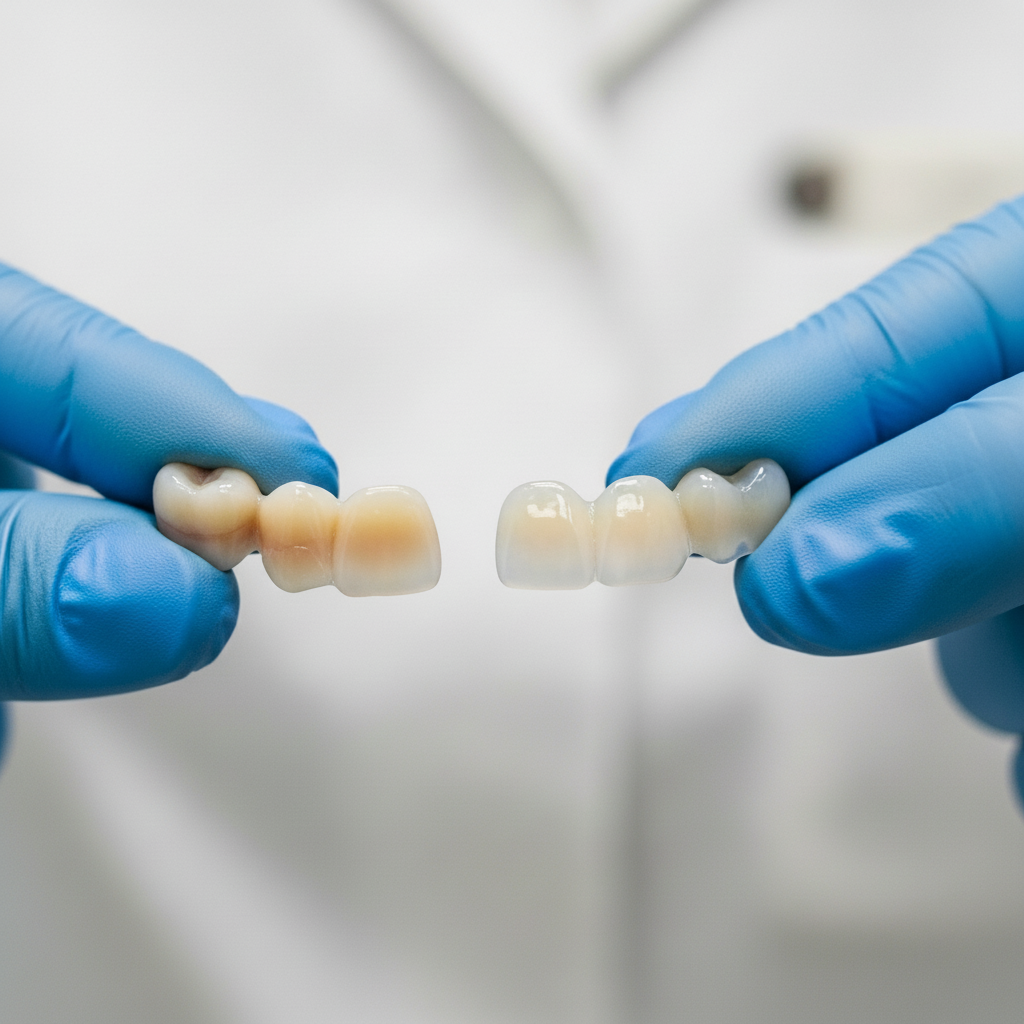
What Are Composite Veneers?
Composite veneers are crafted from a tooth-colored composite resin, a putty-like material that is a blend of inorganic and organic materials. This is the same type of material frequently used for cosmetic dental bonding and modern tooth fillings. The primary advantage of this material is its malleability, which allows the dentist to apply it directly to the tooth. In a direct composite veneer procedure, the dentist skillfully sculpts and shapes the resin layer by layer onto the tooth surface, hardening each layer with a high-intensity curing light before polishing it to a natural-looking finish. This entire process is typically completed in a single dental visit, making it a time-efficient solution.
What Are Porcelain Veneers?
Porcelain veneers, on the other hand, are thin, custom-made shells of advanced dental ceramic. Porcelain is renowned for its strength and its remarkable ability to mimic the light-reflecting properties of natural tooth enamel. The procedure for porcelain veneers is indirect, meaning the veneers are fabricated in a dental laboratory. This process requires at least two appointments. During the first visit, the dentist prepares the teeth by removing a small amount of enamel, takes a precise impression, and places temporary veneers. The impression is sent to a lab where a skilled technician creates the final porcelain shells. At the second appointment, the temporary veneers are removed, and the permanent porcelain veneers are securely bonded to the teeth.
A Detailed Comparison: Key Factors to Consider
To truly understand which veneer is right for you, a side-by-side comparison is essential. The following table breaks down the most critical differences between composite and porcelain veneers.
| Feature | Composite Veneers | Porcelain Veneers |
|---|---|---|
| Aesthetics & Appearance | Good to excellent. Can be polished to a high shine but may lack the subtle translucency of natural teeth. | Superior. The ceramic material perfectly mimics the light-reflecting properties of natural enamel, providing the most realistic and vibrant look. |
| Durability & Lifespan | Moderately durable. Typically lasts 5 to 7 years with proper care before needing replacement or significant touch-ups. | Highly durable. Can last 10 to 20 years or more, as porcelain is a much stronger and more resilient material. |
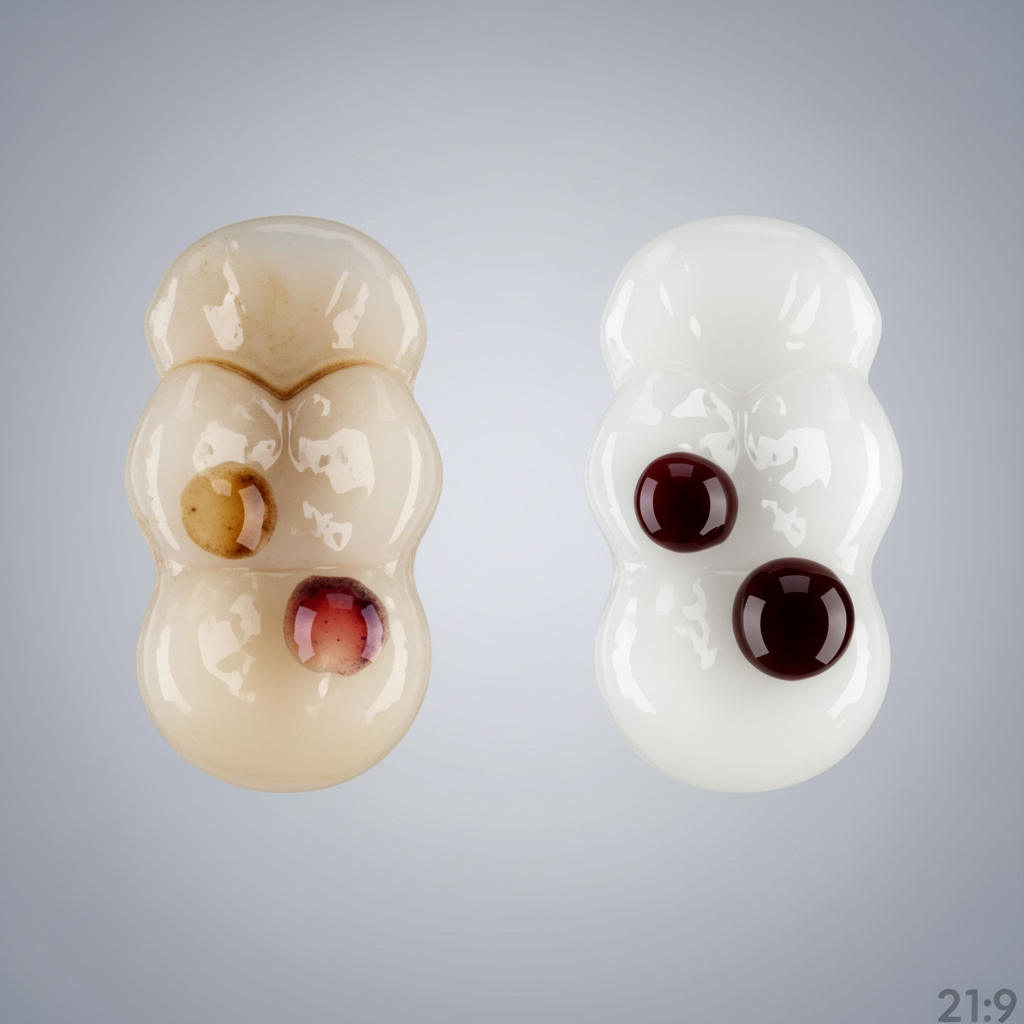
| Stain Resistance | Porous material, making it susceptible to staining over time from coffee, tea, red wine, and smoking. | Non-porous and highly resistant to staining. Maintains its color and brightness for its entire lifespan. |
| Procedure & Time | Usually a single-visit procedure (direct application). Can be completed in one appointment. | Requires a minimum of two visits, with a waiting period for lab fabrication. Involves temporary veneers. |
| Tooth Preparation | Minimally invasive. Often requires little to no removal of natural tooth enamel, making the procedure potentially reversible. | Invasive. Requires the permanent removal of a thin layer of tooth enamel to accommodate the veneer’s thickness. |
| Cost | Significantly more affordable. Often half the price of porcelain veneers, or even less. | A premium investment. The cost reflects the high-quality material and the involvement of a dental laboratory. |
| Reparability | Easily repaired. If a chip or crack occurs, a dentist can simply bond new composite material to the damaged area. | Difficult or impossible to repair. A chipped or broken porcelain veneer almost always needs to be completely replaced. |
Why Some Patients Believe Composite Veneers Better Than Porcelain Veneers
For a growing number of patients, the unique advantages of composite veneers make them the clear winner. The argument for composite is built on practicality, preservation, and accessibility.
The Advantage of a Minimally Invasive Procedure
One of the most compelling reasons to choose composite veneers is the preservation of natural tooth structure. Because the resin is applied directly and sculpted on the tooth, the dentist often needs to remove very little, if any, of the underlying enamel. This makes the procedure far less invasive than its porcelain counterpart. For patients who are hesitant to permanently alter their natural teeth, this is a significant benefit. In some cases, the procedure can even be considered reversible.
Cost-Effectiveness and Accessibility
There is no denying the financial appeal of composite veneers. They are substantially more affordable than porcelain veneers, which can place a beautiful smile within reach for individuals who may not have the budget for a full set of porcelain restorations. This lower price point allows more people to address cosmetic concerns like chips, gaps, or discoloration without a prohibitive financial commitment.
The Convenience of a Single-Visit Treatment
In today’s fast-paced world, time is a valuable commodity. Composite veneers offer the allure of a “same-day smile makeover.” A patient can walk into the dental clinic with cosmetic imperfections and leave a few hours later with a completely transformed smile. This eliminates the need for multiple appointments, the hassle of wearing temporary veneers, and the waiting period associated with lab fabrication.
When Porcelain Veneers Remain the Superior Choice
Despite the strong case for composites, porcelain veneers continue to be the preferred choice for patients prioritizing ultimate longevity and aesthetics. There are specific scenarios where their higher cost is justified by their unparalleled performance.
Unmatched Durability and Longevity
Porcelain is a far stronger and more durable material than composite resin. It is much more resistant to chipping and wear and tear from daily use. This inherent strength translates to a much longer lifespan. While composite veneers may need to be replaced every 5-7 years, porcelain veneers can last for decades with proper oral hygiene. Clinical reviews have consistently demonstrated the excellent long-term survival rates of porcelain veneers, making them a wise long-term investment in your smile’s health and appearance.
The Gold Standard in Aesthetics
For achieving the most flawless, natural-looking result, porcelain is unmatched. The ceramic material has a translucent quality that allows light to pass through and reflect off the underlying tooth, perfectly replicating the appearance of natural enamel. This creates a depth and vitality that is exceptionally difficult to achieve with composite resin. For patients seeking a true “Hollywood smile” with no compromises on appearance, porcelain is the definitive choice.
Exceptional Stain Resistance
If you are a fan of coffee, tea, or red wine, the stain resistance of porcelain veneers is a game-changing benefit. The ceramic surface is non-porous, meaning staining agents cannot penetrate it. Your veneers will maintain their pristine, bright color for their entire lifespan. Composite resin, being more porous, can absorb stains over time and may require more frequent polishing or eventually need replacement to restore its original shade.
Making the Right Decision for Your Smile
Ultimately, the choice between composite and porcelain veneers is deeply personal. It requires a careful evaluation of your priorities. A consultation with an experienced cosmetic dentist is the most critical step in this process. A professional can assess your dental health, discuss your aesthetic aspirations, and provide a clear recommendation based on your unique circumstances. By understanding what dental veneers are and what they can achieve, you can work with your dentist to select the material and treatment plan that will deliver the beautiful, confident smile you deserve. Whether you prioritize the conservative approach and affordability of composite or the premium aesthetics and durability of porcelain, both options offer a proven path to enhancing your smile.