Full Mouth Dental Implants Cost Canada (2026)

Full Mouth Dental Implants Cost Canada (2026)
Embarking on the journey to restore a complete, healthy smile is a life-changing decision. For many Canadians facing extensive tooth loss, full mouth dental implants offer a permanent, aesthetically pleasing, and functional solution. Unlike traditional dentures, implants integrate with the jawbone, providing unparalleled stability and preserving bone health. However, a significant consideration for many is the financial investment required. Understanding the various components that contribute to the overall expenditure is crucial for effective planning. This comprehensive guide aims to demystify the factors influencing full mouth dental implants cost in Canada for the year 2026, providing a clear roadmap for prospective patients.
Understanding Full Mouth Dental Implants
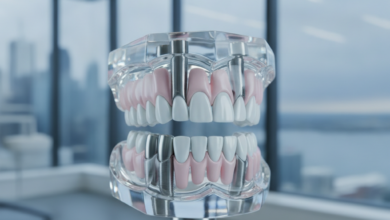
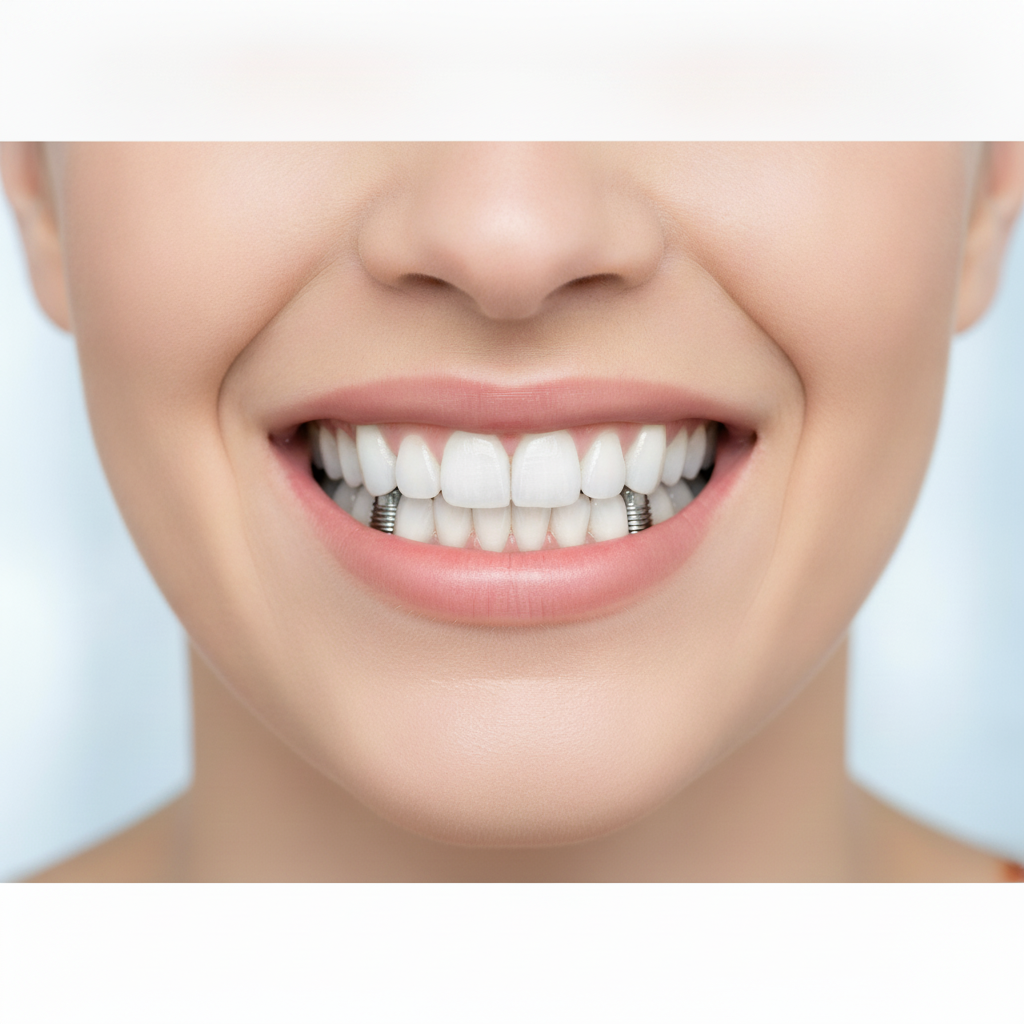
Full mouth dental implants involve replacing an entire arch of missing teeth (upper, lower, or both) using a series of dental implants surgically placed into the jawbone. These implants act as artificial tooth roots, providing a strong foundation for a custom-designed bridge or denture. The goal is to restore full chewing function, natural speech, and a confident smile, significantly enhancing a patient’s quality of life. The procedure is a sophisticated form of restorative dentistry, requiring meticulous planning and execution by skilled professionals. It addresses not just the visible loss of teeth but also the underlying issues of bone resorption and structural integrity that often accompany long-term tooth absence.
Types of Full Mouth Dental Implant Systems
The approach to full mouth restoration can vary, primarily depending on the patient’s specific needs, bone density, and budget. The most common systems include:
* **All-on-4 Dental Implants:** This technique utilizes four strategically placed implants per arch to support a full set of fixed teeth. It’s often a suitable option for patients with some bone loss, as it leverages existing bone efficiently. The posterior implants are typically tilted to maximize contact with the stronger bone in the front of the jaw.
* **All-on-6 Dental Implants:** Similar to All-on-4, this method uses six implants per arch, providing even greater stability and support for the prosthetic teeth. It’s often recommended for patients with sufficient bone volume or those seeking maximum long-term durability.
* **Traditional Full Arch Implants:** This approach involves placing 6-8 or more individual implants per arch, each supporting a crown or a section of a bridge. While offering superior distribution of biting forces, it typically requires more bone and can be a more extensive procedure.
* **Implant-Supported Overdentures:** In this option, a smaller number of implants (typically 2-4 per arch) are used to stabilize a removable denture. The denture “snaps” onto the implants, providing much greater stability than conventional dentures while still allowing for removal for cleaning. This is often a more cost-effective full-mouth solution.
Each system has its own advantages, limitations, and, consequently, its own impact on the overall full mouth dental implants cost in Canada. The choice is made after a thorough examination, including CT scans and discussion with the dental professional.
The Full Mouth Dental Implant Procedure
The process of receiving full mouth dental implants typically unfolds over several months and involves multiple stages:
1. **Initial Consultation and Planning:** This crucial first step involves a comprehensive oral examination, 3D imaging (CT scans), and a review of the patient’s medical history. The dentist will determine bone density, assess overall oral health, and create a personalized treatment plan, including the chosen implant system and prosthetic type.
2. **Preparatory Procedures (If Needed):** Some patients may require preliminary treatments such as tooth extractions, bone grafting, or sinus lifts to ensure adequate bone volume and health for implant placement. These procedures add to the overall timeline and cost.
3. **Implant Placement Surgery:** Dental implants, which are small, screw-shaped posts, are surgically inserted into the jawbone. This is typically performed under local anesthesia, often with sedation options available. After placement, a healing period of 3-6 months is necessary for osseointegration, where the implants fuse with the bone.
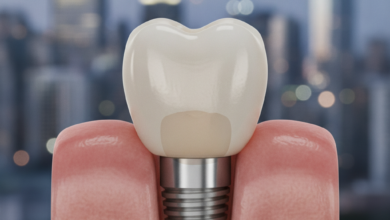
4. **Abutment Placement:** Once osseointegration is complete, abutments (connector pieces) are attached to the implants. These extend above the gum line and serve as anchors for the final prosthetic.
5. **Prosthetic Fabrication and Placement:** Impressions of the patient’s mouth are taken to custom-design the full arch bridge or denture. This prosthetic is then carefully fitted and permanently attached to the abutments, completing the restoration.
Factors Influencing Full Mouth Dental Implants Cost Canada
The cost of full mouth dental implants in Canada is not a fixed figure but rather a spectrum influenced by numerous variables. Understanding these factors is key to appreciating the investment.
Number of Implants and Prosthesis Type
As discussed, different systems (All-on-4, All-on-6, traditional) require a varying number of implants, directly impacting material and surgical costs. Furthermore, the material chosen for the prosthetic teeth (e.g., acrylic, porcelain, zirconia) significantly affects the final price. Zirconia prosthetics, known for their strength and aesthetic appeal, are generally more expensive than acrylic options.
Preliminary Procedures
Many patients require preparatory treatments before implant placement. Tooth extractions, especially multiple ones, bone grafting to build up deficient jawbone, or sinus lifts (to increase bone height in the upper jaw) are common examples. Each of these procedures adds to the total cost and extends the treatment timeline. The extent and complexity of these procedures vary widely among individuals.
Location of the Dental Clinic
Dental costs can fluctuate considerably across different Canadian provinces and even between urban and rural areas within the same province. Major metropolitan centers like Toronto, Vancouver, or Montreal often have higher overheads, which can translate to higher treatment costs compared to smaller communities.
Dentist’s Experience and Specialist Fees
Highly experienced oral surgeons, periodontists, or prosthodontists specializing in implant dentistry may charge higher fees due to their advanced training, expertise, and success rates. While potentially more expensive upfront, choosing a skilled specialist can lead to better long-term outcomes and fewer complications, potentially saving money in the long run.
Diagnostic and Technology Fees
The initial consultation, X-rays, and 3D CT scans are essential for precise planning and incur their own costs. The use of advanced technology, such as guided implant surgery (which uses computer-generated templates for highly accurate implant placement), can also contribute to the overall expense.
Anesthesia and Sedation Options
While local anesthesia is standard for implant placement, many patients opt for additional sedation options (e.g., oral conscious sedation, IV sedation, or general anesthesia) for comfort and anxiety management. The type and duration of sedation will impact the total cost.
Laboratory Fees
The creation of custom prosthetics (bridges or dentures) involves highly skilled dental laboratory technicians. The quality of materials and the artistry involved in fabricating a natural-looking and functional restoration contribute significantly to the overall expense.
Full Mouth Dental Implants Cost Canada (Estimated Ranges for 2026)
The following table provides an estimated breakdown of full mouth dental implants costs in Canada for 2026. These are general ranges and can vary widely based on the factors mentioned above. It’s crucial to obtain a personalized quote from a qualified dental professional.
| Treatment Type | Estimated Cost Range (Per Arch, CAD) | Key Considerations |
|---|---|---|
| All-on-4 Dental Implants (Acrylic Prosthesis) | $20,000 – $35,000 | Typically fixed, immediate load possible, cost-effective full arch solution. |
| All-on-4 Dental Implants (Porcelain/Zirconia Prosthesis) | $30,000 – $45,000+ | Highly aesthetic and durable, more premium materials, fixed. |
| All-on-6 Dental Implants (Porcelain/Zirconia Prosthesis) | $35,000 – $55,000+ | Enhanced stability and force distribution, premium materials, fixed. |
| Traditional Full Arch Implants (6-8+ Implants, Zirconia) | $40,000 – $65,000+ | Maximized support, individual crowns/sections, high bone requirement, fixed. |
| Implant-Supported Overdenture (2-4 Implants, Removable) | $10,000 – $25,000 | Removable, improved stability over conventional dentures, more economical. |
| Bone Grafting / Sinus Lift (Per site) | $500 – $3,000+ | Required if bone volume is insufficient. Adds to overall cost. |
| Tooth Extractions (Per tooth, simple to surgical) | $150 – $600+ | Necessary for damaged or unhealthy teeth prior to implant placement. |
It is important to remember that these figures are per arch. If both upper and lower arches require full mouth dental implants, the total cost would essentially double. For a more detailed understanding of dental implant costs, including various options available, you may refer to a comprehensive resource like Dental Implants Cost in Canada 2026: Full Price Guide.
Financing Options and Insurance Coverage
Managing the financial aspect of full mouth dental implants can be daunting. Many dental clinics in Canada offer various financing plans, including interest-free payment options or extended payment schedules, to make treatment more accessible. Patients can also explore third-party medical financing companies.
Dental insurance coverage for full mouth dental implants varies greatly. While some plans may cover a portion of diagnostic services or preparatory procedures like extractions, coverage for the implants themselves and the prosthetic restorations is often limited or non-existent. It is essential for patients to contact their insurance provider directly to understand their specific benefits and limitations before beginning treatment. Health spending accounts (HSAs) can also be a valuable resource for offsetting costs.
The Long-Term Value of Full Mouth Dental Implants
While the initial cost of full mouth dental implants may seem significant, it’s crucial to consider the long-term benefits and value proposition. Unlike traditional dentures that often require frequent adjustments, relining, and replacement every 5-10 years, dental implants are designed to last for decades, often a lifetime, with proper care. They eliminate the ongoing costs associated with denture adhesives, special cleaning solutions, and repeat dental visits for denture-related issues.
Beyond the financial aspect, the improvements in quality of life are immeasurable. Implants restore full chewing power, allowing patients to enjoy all their favorite foods without restriction. They prevent bone loss in the jaw, preserving facial structure and preventing a “sunken” appearance. Speech is clearer, and the confidence that comes with a stable, natural-looking smile is invaluable. For more information on the biological basis and success rates of dental implants, a reputable source like Wikipedia’s entry on Dental Implants offers a broad overview.
Aftercare and Maintenance for Longevity
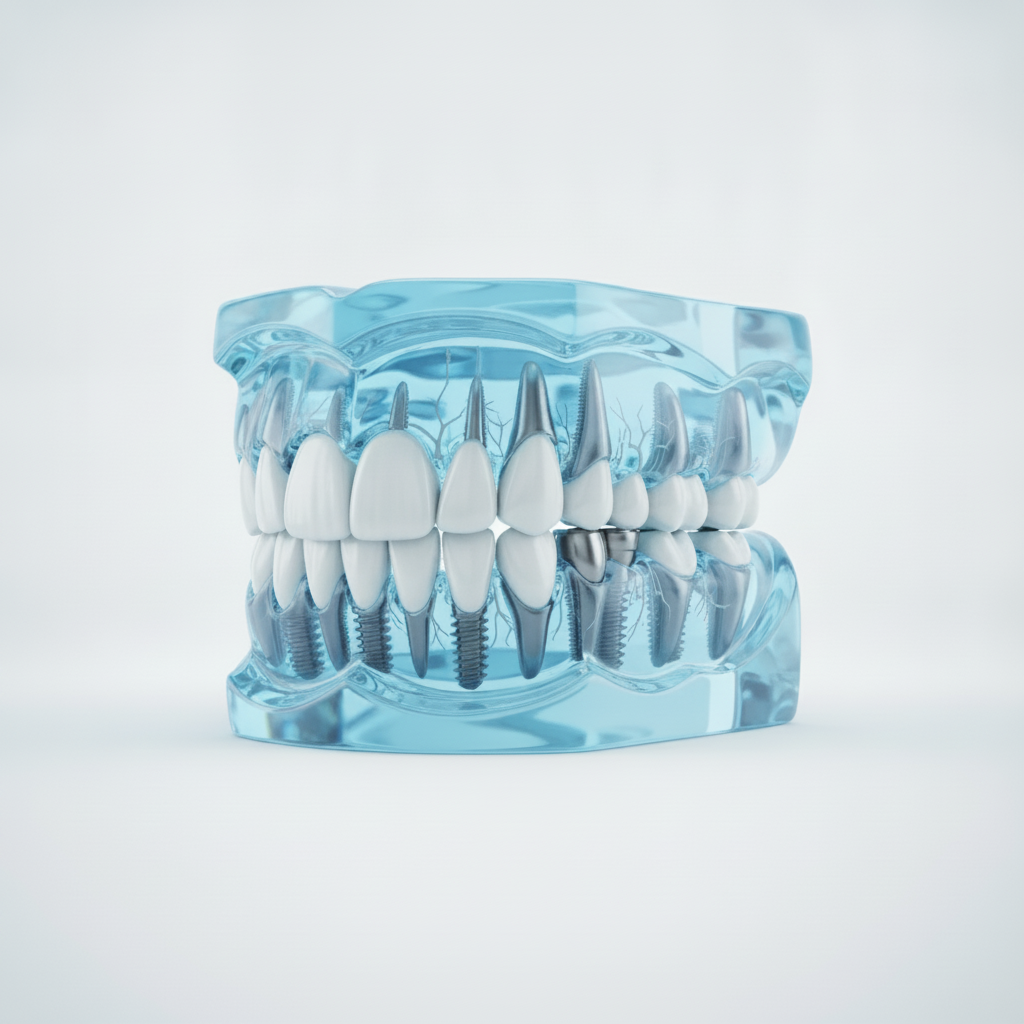
To ensure the longevity of full mouth dental implants and protect your investment, diligent oral hygiene and regular dental check-ups are paramount. This includes brushing twice daily, flossing (or using interdental brushes/water flossers) around and under the prosthetic, and using an antimicrobial mouthwash if recommended. Professional cleanings and examinations, typically every six months, are vital to monitor the health of the implants and surrounding tissues, prevent peri-implantitis (gum disease around implants), and address any potential issues early.
Full mouth dental implants represent a profound investment in oral health and overall well-being. While the full mouth dental implants cost in Canada requires careful consideration, the lasting benefits in terms of function, aesthetics, and quality of life often outweigh the initial expense. Prospective patients are encouraged to seek consultations with experienced implant dentists to receive a precise diagnosis, discuss treatment options, and obtain a detailed cost breakdown tailored to their individual needs.