What Are “Turkey Teeth” and Why Are They Trending?
What Are “Turkey Teeth” and Why Are They Trending?
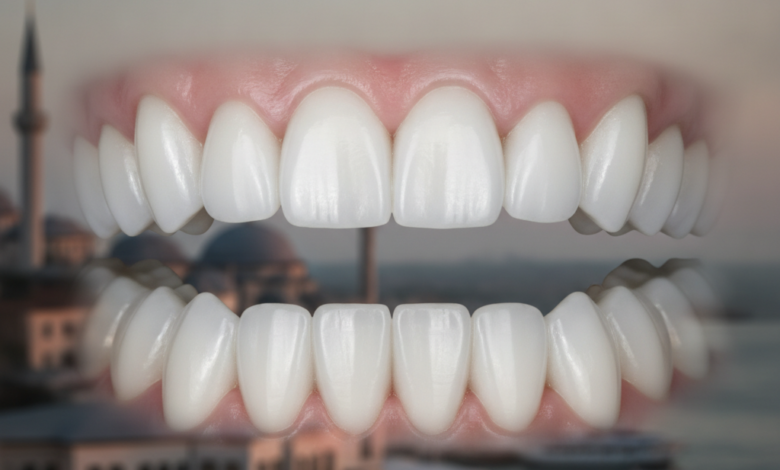
The term “Turkey Teeth” has surged in popularity across social media platforms, capturing the imagination of those seeking a dramatic smile transformation at a more affordable cost. Often associated with a dazzlingly white, perfectly uniform, and sometimes overly large set of veneers or crowns, this phenomenon refers to the trend of individuals traveling to Turkey for extensive cosmetic dental work. While the allure of a rapid and seemingly inexpensive smile makeover is undeniable, understanding the nuances behind “Turkey Teeth” is crucial for anyone considering such a significant dental undertaking.
At its core, “Turkey Teeth” is a catch-all phrase that encapsulates the booming dental tourism industry in Turkey, particularly regarding cosmetic procedures like dental veneers and crowns. Patients from Western countries, drawn by competitive pricing and the promise of a “Hollywood smile,” flock to Turkish clinics. However, the term has also gained a somewhat controversial reputation, sometimes implying aggressive tooth preparation or a one-size-fits-all aesthetic that might not always prioritize long-term oral health or natural appearance.
The Rise of Dental Tourism and “Turkey Teeth”
Turkey has firmly established itself as a global hub for medical tourism, with dental treatments being a significant draw. Several factors contribute to this rise. Firstly, the cost of cosmetic dental procedures in countries like the UK, USA, Canada, and Australia can be prohibitively high, making the more affordable options in Turkey extremely attractive. This cost difference often stems from lower operating costs, cheaper labor, and different regulatory environments in Turkey.
Secondly, the widespread influence of social media has played a pivotal role. Platforms like Instagram and TikTok are flooded with “before and after” transformations, showcasing individuals achieving their dream smiles through treatments received in Turkey. This visual culture fuels aspirations for aesthetic perfection and normalizes the idea of traveling abroad for such procedures. The promise of a quick transformation, often completed within a single trip, adds to its appeal for those with busy schedules.
What Procedures are Associated with “Turkey Teeth”?
When people refer to “Turkey Teeth,” they are typically talking about one of two primary procedures: dental veneers or dental crowns.
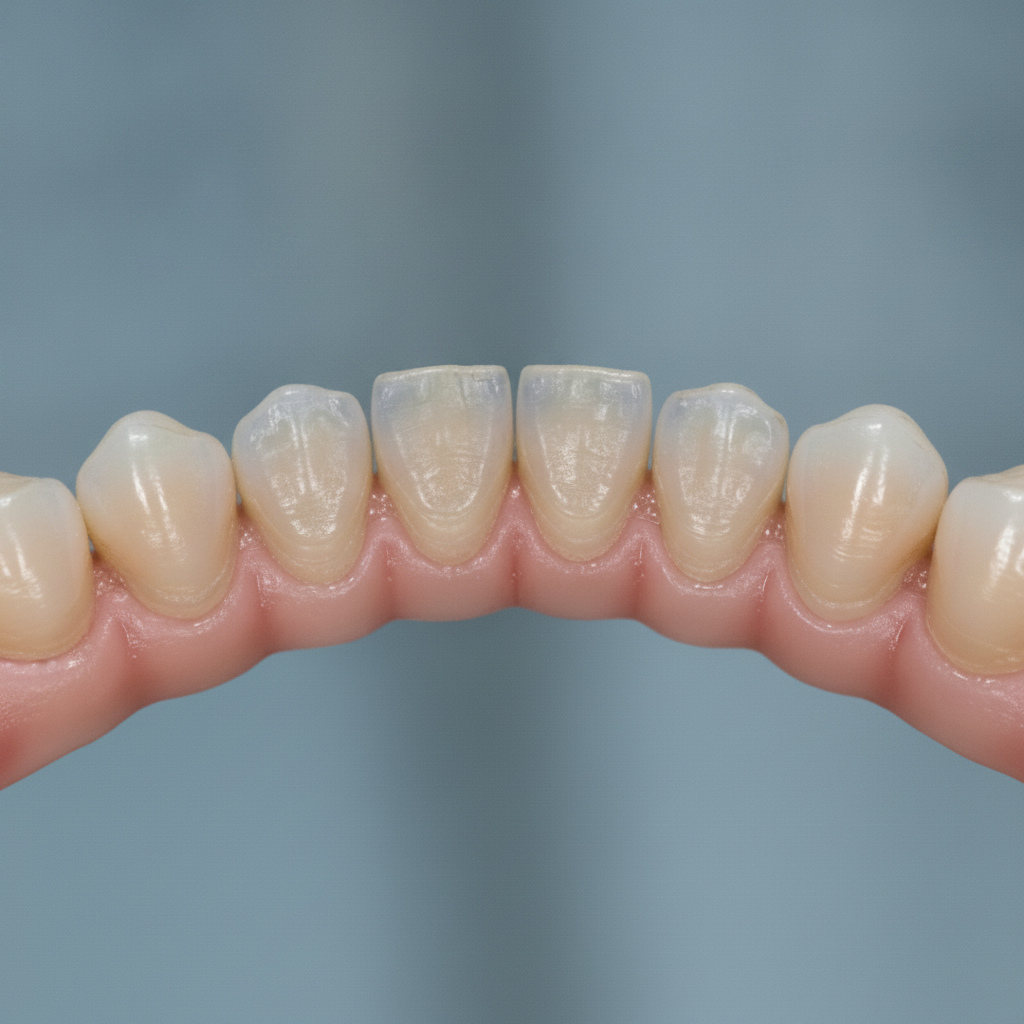
- Dental Veneers: These are thin, custom-made shells designed to cover the front surface of teeth. They are bonded to the teeth to improve their appearance, correcting issues like discoloration, chips, gaps, or minor misalignment. Veneers require some removal of enamel, though the extent varies depending on the type (e.g., porcelain vs. composite, or minimal-prep veneers).
- Dental Crowns: Also known as caps, crowns are custom-made coverings that encase the entire visible portion of a tooth above the gum line. They are used to restore a tooth’s shape, size, strength, and improve its appearance. Crowns are often necessary for teeth that are severely damaged, decayed, or have undergone root canal treatment. They require significantly more tooth reduction than veneers, as the entire tooth needs to be reshaped to accommodate the crown.
A crucial distinction to understand is the amount of natural tooth structure that needs to be removed for each procedure. While veneers require minimal preparation, crowns necessitate substantial reduction of the natural tooth. Many cases labeled “Turkey Teeth” on social media involve extensive tooth reduction, often to stumps, to fit crowns or full-coverage veneers. This aggressive preparation, while sometimes necessary, can carry significant risks if not performed judiciously and ethically.
Potential Risks and Considerations with “Turkey Teeth”
While the aesthetic results of “Turkey Teeth” can be stunning, it’s vital to be aware of the potential downsides and risks associated with aggressive cosmetic dental work, particularly when performed abroad without adequate pre-screening or long-term follow-up care.
- Irreversible Tooth Reduction: Over-preparation of healthy teeth for crowns or veneers is a major concern. Once natural tooth structure is removed, it cannot be replaced. This can lead to increased tooth sensitivity, pulp damage, and a higher risk of needing root canal treatment in the future.
- Nerve Damage and Sensitivity: Reducing the tooth too much or too quickly can irritate the pulp (the living tissue inside the tooth), leading to pain, heightened sensitivity to hot and cold, and potential nerve death.
- Gum Health Issues: Ill-fitting crowns or veneers can impinge on gum tissue, causing inflammation, bleeding, and gum recession. This can create pockets where bacteria can accumulate, leading to periodontal disease.
- Infection and Decay: If the margins of crowns or veneers are not sealed perfectly, bacteria can leak underneath, leading to new decay or infections in the underlying tooth.
- Material Quality and Longevity: While many Turkish clinics use high-quality materials, there can be variations. The longevity of veneers and crowns depends heavily on the material used, the dentist’s skill, and the patient’s oral hygiene. Substandard materials might chip, stain, or wear down prematurely.
- Difficulty with Revisions and Aftercare: If complications arise after returning home, obtaining timely and appropriate follow-up care can be challenging. Many local dentists may be reluctant to work on or replace restorations done abroad, or the cost of revisions at home might negate the initial savings.
- Aesthetic Mismatches: While many seek a “perfect” smile, an overly uniform, bright white smile can sometimes look unnatural or disproportionate to one’s facial features, potentially leading to aesthetic dissatisfaction.
The temptation of quick, affordable results should always be balanced against the potential long-term costs and complications. Prioritizing thorough research, reputable clinics, and clear communication with dental professionals is paramount.
Choosing a Reputable Clinic for Cosmetic Dental Work
For those still considering dental procedures in Turkey, making an informed decision is critical. The key lies in selecting a reputable clinic that prioritizes patient safety, ethical practices, and long-term oral health over purely aesthetic outcomes.
Here’s what to look for:
- Accreditation and Certification: Verify that the clinic and its dentists are properly licensed and accredited by relevant Turkish dental associations. International accreditations can also be a good sign.
- Dentist’s Qualifications and Experience: Inquire about the dentists’ education, specialization, and years of experience in performing cosmetic procedures like veneers and crowns. Ask to see their portfolio of work.
- Transparent Communication: A good clinic will provide a detailed treatment plan, including the exact procedures, materials, number of teeth involved, and a breakdown of costs. They should clearly explain the pros and cons, potential risks, and aftercare requirements.
- Diagnostic Tools and Technology: Reputable clinics utilize modern diagnostic tools such as digital X-rays, 3D imaging, and intraoral scanners to accurately assess your oral health and plan your treatment.
- Hygiene and Sterilization Standards: Ensure the clinic adheres to strict international hygiene and sterilization protocols to prevent infections.
- Patient Testimonials and Reviews: Look for unbiased reviews and testimonials from previous patients. Be wary of clinics with only overwhelmingly positive or suspiciously generic reviews.
- Aftercare and Follow-up: Discuss the aftercare plan and what support is available should you experience issues upon returning home. While remote support can be provided, it’s good to understand the limitations.
- Personalized Treatment Plans: A one-size-fits-all approach is a red flag. A reputable dentist will take into account your individual facial features, bite, and existing oral health to design a smile that is both beautiful and functional.
Ultimately, the goal should be to achieve a healthy, functional, and aesthetically pleasing smile that lasts, not just a quick fix. While the term “Turkey Teeth” often evokes images of extreme transformations, Turkey also hosts many highly skilled and ethical dental professionals who deliver excellent results with patient well-being at the forefront.
Understanding the Long-Term Commitment
It’s important to recognize that veneers and crowns are not permanent. While durable, they typically last 10-15 years, sometimes longer with excellent care. This means that eventual replacement will be necessary. When considering procedures abroad, factor in the future costs and logistics of maintaining or replacing these restorations, which might involve another trip to Turkey or significant expense at home. Regular dental check-ups and meticulous oral hygiene are crucial for extending the life of your cosmetic dental work and maintaining your overall oral health. Neglecting these aspects can lead to complications, reducing the lifespan of your “Turkey Teeth” and potentially incurring greater costs down the line.
For further information on the general principles of dental veneers, you can refer to authoritative sources such as Wikipedia’s entry on Dental Veneer.