What to Know Before Getting Veneers
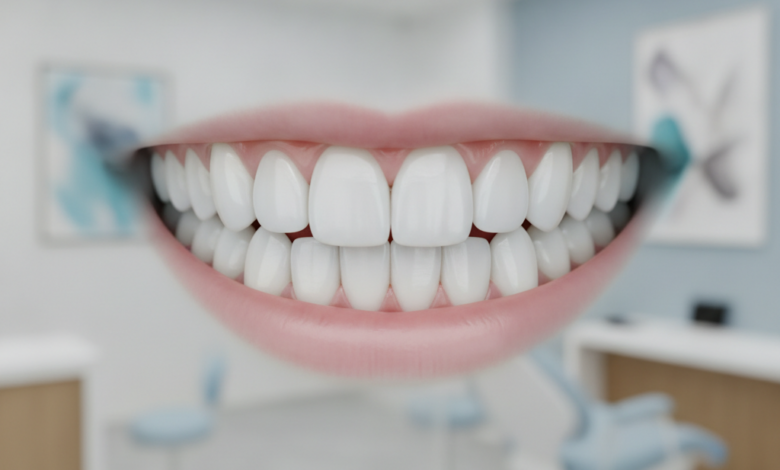
The choice between porcelain and composite veneers often depends on factors such as budget, desired longevity, the extent of tooth correction needed, and personal preferences regarding the procedure and maintenance.
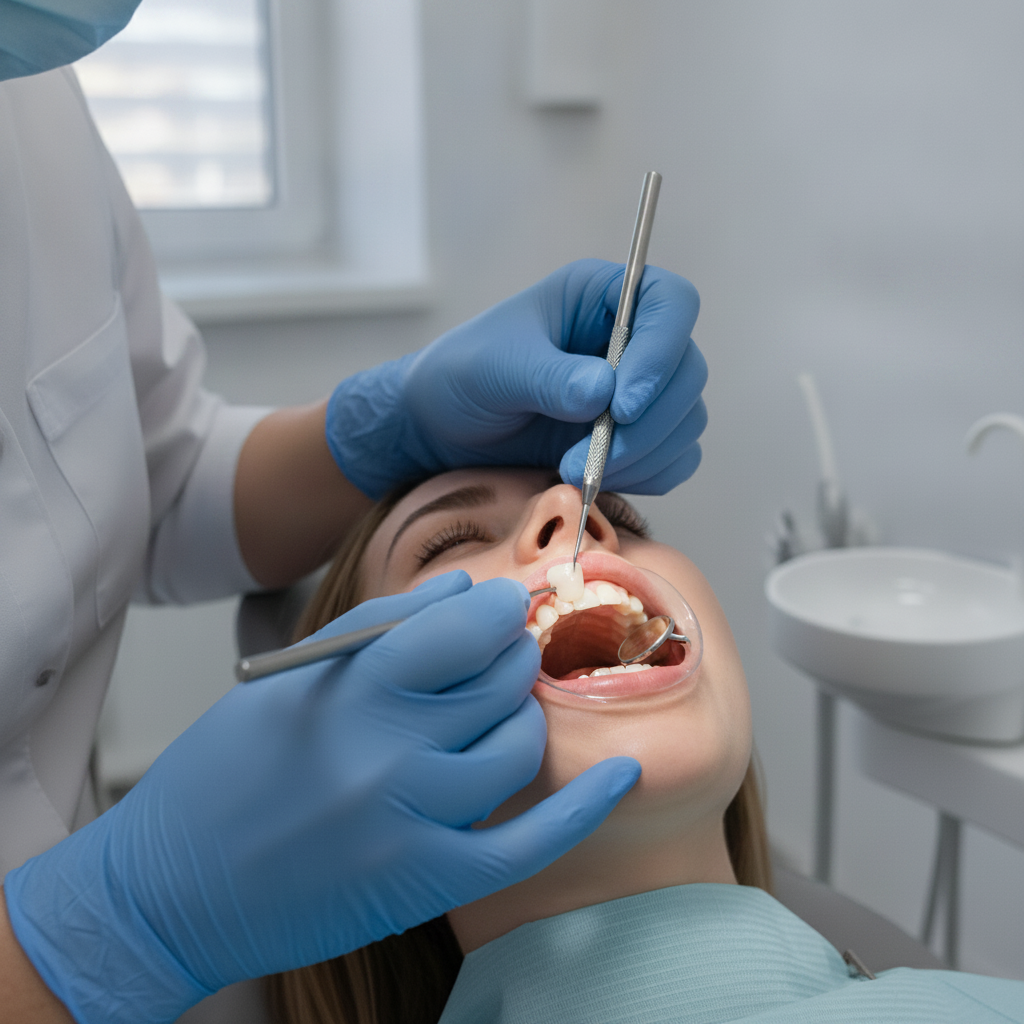
What to Know Before Getting Veneers
Veneers represent a transformative solution in cosmetic dentistry, offering individuals the chance to dramatically enhance the appearance of their smile. These thin, custom-made shells are designed to cover the front surface of teeth, effectively masking imperfections such as discoloration, chips, gaps, and minor misalignments. For anyone considering this popular dental procedure, understanding the intricacies involved is paramount to making an informed decision and achieving satisfying results. This comprehensive guide delves into everything you need to know before embarking on your veneer journey, from the types available to the procedure, benefits, potential drawbacks, and essential aftercare.
Understanding Dental Veneers: A Cosmetic Overview
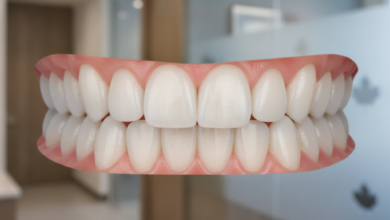
Dental veneers are essentially aesthetic coverings bonded to the front of your natural teeth. Their primary purpose is to improve the aesthetics of your smile by changing the color, shape, size, or length of your teeth. They are a popular choice for those seeking a “Hollywood smile,” but they also offer practical benefits by providing a protective layer to damaged tooth surfaces. The process of getting veneers involves careful planning and execution by a skilled dental professional, ensuring they blend seamlessly with your natural teeth and facial features.
Types of Dental Veneers: Porcelain vs. Composite
When considering veneers, the two primary types are porcelain and composite resin. Each comes with its own set of characteristics, advantages, and considerations.
- Porcelain Veneers: These are custom-made in a dental laboratory from a strong, durable ceramic material. They are renowned for their natural appearance, closely mimicking the light-reflecting properties of natural tooth enamel. Porcelain veneers are highly resistant to stains, ensuring a bright, consistent smile for many years. The process typically requires at least two dental visits: one for preparation and impressions, and a subsequent visit for bonding the finished veneers. They are considered a more permanent solution due to their durability and longevity, often lasting 10-15 years or even longer with proper care. For a deeper dive into the comparison, you can read more about composite veneers vs. porcelain veneers.
- Composite Veneers (Bonding): Also known as direct veneers or dental bonding, these are made from a tooth-colored resin material that is applied directly to the teeth and sculpted into shape by the dentist. The material is then hardened with a special light. This process is generally quicker, often completed in a single visit, and typically less expensive than porcelain veneers. While composite veneers can provide excellent aesthetic results, they are generally less durable and more prone to staining and chipping than porcelain veneers. Their lifespan is usually shorter, averaging 5-7 years, and they may require more frequent maintenance or repair.
The Veneer Procedure: Step-by-Step
- Initial Consultation and Smile Design: This crucial first step involves a comprehensive examination of your oral health. Your dentist will discuss your aesthetic goals, assess the condition of your teeth, and determine if veneers are the right option for you. Digital imaging and wax-ups may be used to help visualize your potential new smile.
- Tooth Preparation (for Porcelain Veneers): A small amount of enamel (approximately 0.5 to 0.7 millimeters) is typically removed from the front surface of the teeth. This ensures that the veneers will sit flush with your other teeth and not appear bulky. For composite veneers, preparation might be minimal or not required at all.
- Impressions: After preparation, precise impressions (molds) of your teeth are taken. These impressions are then sent to a dental laboratory, where skilled technicians custom-fabricate your porcelain veneers to match your specifications in terms of shape, size, and color. Temporary veneers may be placed to protect the prepared teeth while you await your permanent ones.
- Veneer Bonding: Once your custom porcelain veneers arrive from the lab, you’ll return for the bonding appointment. The dentist will first place the veneers on your teeth to check their fit and color. Any necessary adjustments can be made at this stage. Your teeth will then be thoroughly cleaned, polished, and etched to create a strong bonding surface. A special dental cement is applied to the veneers, which are then carefully placed on your teeth. A light beam is used to quickly cure the cement, permanently bonding the veneers to your teeth.
- Final Adjustments: After bonding, your dentist will remove any excess cement, check your bite, and make any final adjustments to ensure comfort and proper alignment.
The entire process, especially for porcelain veneers, typically spans a few weeks due to the laboratory fabrication time.
Who is a Good Candidate for Veneers?
Veneers are an excellent option for individuals looking to address a range of cosmetic dental concerns. Ideal candidates generally have:
- Healthy teeth and gums, free from active decay or gum disease.
- Minor to moderate cosmetic issues such as:
- Severe discoloration that cannot be resolved with professional teeth whitening.
- Chipped or broken teeth.
- Small gaps between teeth.
- Uneven, irregularly shaped, or misaligned teeth.
- Worn-down enamel.
- Sufficient tooth enamel for bonding, particularly for porcelain veneers.
- Realistic expectations about the outcome of the procedure.
Individuals with significant tooth decay, gum disease, severe misalignment requiring orthodontics, or habits like teeth grinding (bruxism) may need to address these issues first or might not be suitable candidates for veneers.
Benefits of Choosing Veneers for Your Smile
The decision to get veneers comes with a multitude of benefits that extend beyond mere aesthetics:
- Dramatic Smile Enhancement: Veneers can completely transform your smile, giving you a brighter, more uniform, and aesthetically pleasing appearance.
- Stain Resistance: Porcelain veneers, in particular, are highly resistant to stains from coffee, tea, and tobacco, maintaining their brilliant white color over time.
- Durability and Longevity: With proper care, porcelain veneers can last for 10-15 years or more, offering a long-term solution for smile imperfections.
- Minimally Invasive: The tooth preparation required for veneers is generally less extensive compared to dental crowns.
- Natural Appearance: Modern veneers are custom-crafted to blend seamlessly with your existing teeth, offering a very natural and undetectable enhancement.
- Improved Confidence: A beautiful smile can significantly boost self-esteem and confidence in social and professional settings.
Potential Risks and Considerations
While veneers offer significant advantages, it’s essential to be aware of potential risks and considerations:
- Irreversibility: The removal of tooth enamel during preparation for porcelain veneers is permanent, meaning the process cannot be reversed.
- Tooth Sensitivity: Some patients may experience temporary increased sensitivity to hot or cold temperatures after the procedure, although this usually subsides.
- Veneer Damage: While durable, veneers can chip or crack under excessive pressure (e.g., biting on hard objects, teeth grinding). If a veneer is damaged, it typically needs to be replaced.
- Cost: Veneers, particularly porcelain, can be a significant investment.
- Not a Solution for All Problems: Veneers are best suited for cosmetic concerns and cannot correct severe bite issues or extensive tooth damage.
Aftercare and Maintenance for Long-Lasting Veneers
To ensure the longevity and beauty of your veneers, proper aftercare and maintenance are crucial:
- Maintain Excellent Oral Hygiene: Brush and floss regularly, just as you would with your natural teeth. Pay attention to the gum line around the veneers.
- Regular Dental Check-ups: Continue with routine dental examinations and professional cleanings every six months.
- Avoid Hard or Sticky Foods: While veneers are strong, avoid biting directly into extremely hard foods (like ice, hard candies, or nuts) or tearing sticky foods, which can cause chips or dislodgement.
- Protect Against Teeth Grinding: If you grind your teeth at night, your dentist may recommend a night guard to protect your veneers from excessive wear.
- Limit Stain-Causing Beverages (for Composite Veneers): Although porcelain veneers are stain-resistant, composite veneers can stain over time. Limiting consumption of coffee, tea, and red wine can help maintain their brightness.
Cost Factors and Considerations
- Type of Veneer: Porcelain veneers are generally more expensive than composite veneers due to the material, laboratory fabrication, and multi-visit procedure.
- Number of Veneers: The total cost will increase with the number of teeth being treated.
- Location of the Clinic: Geographic location and the experience of the dental professional can influence pricing.
- Additional Procedures: Any necessary pre-treatment, such as gum contouring or addressing underlying dental issues, will add to the overall cost.
It is important to discuss all financial aspects, including payment plans and insurance coverage (though veneers are often considered cosmetic and not covered), with your dental provider during your initial consultation.
Making an Informed Decision
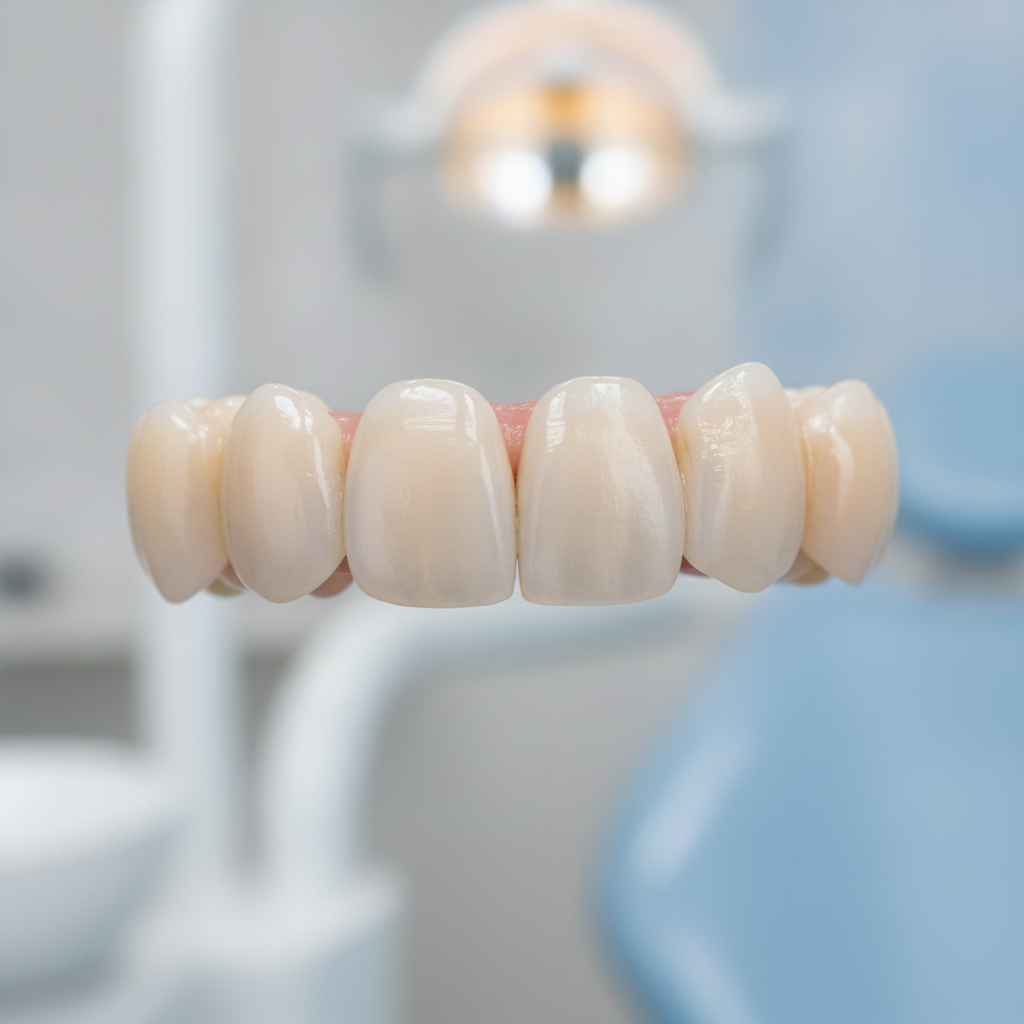
Deciding to get veneers is a significant step towards achieving your ideal smile. By understanding all aspects of the procedure, from the types of veneers available to the step-by-step process, potential benefits, and necessary aftercare, you can approach this cosmetic journey with confidence. A thorough consultation with a qualified and experienced dentist is the most critical first step. They can assess your individual needs, discuss your aesthetic goals, and help you determine if veneers are the best solution for creating the beautiful, lasting smile you desire. For more scientific details about dental veneers, you may refer to sources like Wikipedia on Dental Veneers. With proper care and realistic expectations, veneers can provide a stunning and enduring enhancement to your smile, boosting your confidence for years to come.