Are Dental Implants Painful?

Are Dental Implants Painful? This is one of the most common questions patients ask when considering dental implants, and it’s a perfectly natural concern. The prospect of any surgical procedure can be daunting, and anxieties about pain are often at the forefront. However, modern dentistry, coupled with advanced techniques and effective pain management strategies, has transformed the dental implant process into a far more comfortable experience than many people anticipate. Understanding what to expect before, during, and after the procedure can significantly alleviate apprehension and help patients approach their treatment with confidence.
The journey to a complete and healthy smile with dental implants involves several stages, each designed with patient comfort and long-term success in mind. From the initial consultation to the final placement of the crown, every step is carefully managed by dental professionals to minimize discomfort. It’s crucial to distinguish between actual pain and pressure or discomfort, as these sensations are often conflated in a patient’s mind. With appropriate local anesthesia, patients typically feel only pressure during the procedure itself, not sharp pain. Post-operative discomfort is manageable with prescribed medication and proper care, making the recovery period smooth for most individuals.
Understanding the Dental Implant Procedure and Sensation
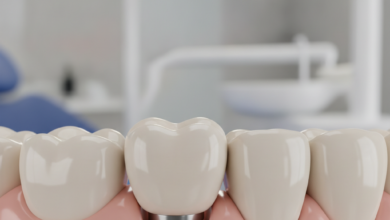
A dental implant is essentially an artificial tooth root, typically made of titanium, that is surgically placed into the jawbone beneath the gum line. This implant fuses with the bone over several months in a process called osseointegration, providing a stable foundation for a replacement tooth or bridge. The procedure is meticulously planned using advanced imaging techniques such as 3D CT scans to ensure precise placement and avoid critical anatomical structures.
The process generally involves a few key stages:
- Initial Consultation and Planning: This stage involves a comprehensive examination, including X-rays and 3D scans, to assess bone density and determine the ideal implant placement. There is no pain associated with this stage.
- Tooth Extraction (if necessary): If a damaged tooth needs to be removed before implant placement, this will be done under local anesthesia. Patients typically feel pressure during the extraction but no pain. Post-extraction discomfort is managed with medication.
- Implant Placement Surgery: This is the core surgical step where the titanium implant post is inserted into the jawbone.
- Healing Period (Osseointegration): After implant placement, a healing period of several months allows the implant to fuse with the jawbone. During this time, the implant is usually covered, and no sensation is felt directly from the implant.
- Abutment Placement: Once osseointegration is complete, a small connector piece called an abutment is attached to the implant. This often involves a minor surgical procedure to expose the implant.
- Crown/Bridge Placement: Finally, a custom-made crown or bridge is attached to the abutment, completing the restoration. This stage is non-surgical and painless.
Anesthesia and Sedation Options During Implant Placement
One of the primary reasons dental implant procedures are not as painful as many fear is the effective use of anesthesia and sedation. Before the surgery begins, the dental team will ensure the treatment area is completely numb.
- Local Anesthesia: This is the most common form of pain control for dental implant surgery. A local anesthetic is injected directly into the gums and surrounding tissues, completely numbing the area where the implant will be placed. Patients remain fully conscious during the procedure but feel no pain, only pressure or vibration.
- Oral Sedation: For patients with higher anxiety levels, oral sedative medications can be prescribed to be taken before the appointment. These medications help patients relax and feel calm, though they remain awake and responsive.
- Nitrous Oxide (Laughing Gas): Nitrous oxide is inhaled through a mask and provides a state of relaxation and mild euphoria. Its effects wear off quickly once the mask is removed.
- Intravenous (IV) Sedation: Administered by an anesthesiologist or trained professional, IV sedation provides a deeper state of relaxation. Patients often have little to no memory of the procedure afterward. This is typically reserved for more complex cases or highly anxious patients.
- General Anesthesia: In rare cases, typically for extensive procedures or patients with specific medical needs, general anesthesia may be used, rendering the patient completely unconscious.
The choice of anesthesia and sedation will be discussed during your initial consultation, tailoring the approach to your comfort level and the complexity of the procedure.
Are Dental Implants Painful? Unpacking the Patient Experience
While the procedure itself is managed with effective anesthesia, the question of pain often refers to the post-operative recovery period. It’s important to understand that some level of discomfort is normal after any surgical procedure. However, this discomfort is typically mild to moderate and very manageable.
**Expected Post-Operative Discomfort and Management:**
- Mild Soreness: You may experience some soreness and tenderness around the implant site for a few days after the surgery.
- Swelling: Swelling of the gums and face is common and usually peaks within 24-48 hours post-surgery.
- Bruising: Minor bruising may occur on the gums or outer skin, fading within a week.
- Bleeding: Slight oozing or bleeding is normal for the first day or so.
Your dental professional will provide detailed post-operative instructions and prescribe medication to manage any pain or discomfort. This typically includes:
- Pain Relievers: Over-the-counter pain medications like ibuprofen or acetaminophen are often sufficient for mild discomfort. For moderate pain, prescription pain medication may be provided.
- Antibiotics: To prevent infection, antibiotics are often prescribed.
- Anti-inflammatory Medication: To help reduce swelling and inflammation.
- Cold Packs: Applying cold packs to the outside of your face can help minimize swelling in the first 24-48 hours.
- Soft Diet: Adhering to a soft diet for the first few days helps protect the surgical site.
- Oral Hygiene: Gentle rinsing with a prescribed mouthwash or warm salt water helps keep the area clean and promotes healing.
Adhering strictly to these post-operative instructions is crucial for a smooth and comfortable recovery. Most patients report that any discomfort they experience is less severe than expected, often comparable to that of a tooth extraction.
Factors Influencing Pain Perception and Recovery
Several factors can influence an individual’s experience with pain and recovery after dental implant surgery:
- Individual Pain Threshold: Everyone has a different tolerance for pain. What one person describes as mild discomfort, another might find more noticeable.
- Complexity of the Case: A single implant in a straightforward case typically involves less discomfort than multiple implants or cases requiring bone grafting or sinus lifts.
- Surgeon’s Skill and Experience: An experienced implant surgeon will perform the procedure efficiently and precisely, which can contribute to less tissue trauma and a smoother recovery.
- Patient Compliance: Following all post-operative instructions, including medication schedules, diet restrictions, and oral hygiene, significantly impacts the comfort and speed of recovery.
- Overall Health: Patients with certain systemic health conditions or compromised immune systems might experience different healing times or discomfort levels.
The Long-Term Comfort and Benefits of Dental Implants
While there might be some temporary discomfort associated with the dental implant procedure and initial recovery, it is crucial to focus on the long-term benefits and comfort that implants provide. Once fully healed and integrated, dental implants function just like natural teeth. They restore full chewing ability, allow for clear speech, and provide a permanent solution for missing teeth, eliminating the discomfort and inconvenience often associated with removable dentures. The investment in a dental implant offers not only aesthetic improvement but also significant functional advantages that greatly enhance quality of life. For further details on the healing process, you can explore resources on dental implant recovery.
Moreover, dental implants help preserve jawbone integrity, preventing the bone loss that typically occurs after tooth loss. This helps maintain facial structure and prevents the sunken appearance often seen in individuals with missing teeth over time. The stability and durability of implants mean patients can eat, speak, and smile with confidence, without worrying about their teeth shifting or falling out. The initial temporary discomfort is a small price to pay for a lifetime of stable, functional, and aesthetically pleasing teeth.
For more in-depth scientific information on dental implants, you can refer to authoritative sources such as Wikipedia’s entry on Dental Implants. This resource provides a comprehensive overview of the procedure, materials, and scientific principles behind dental implantology.
Addressing Fears and Concerns with Your Dental Team
If you are still concerned about pain or any other aspect of the dental implant procedure, the best approach is to have an open and honest conversation with your dental team. They are equipped to discuss all your concerns, explain the procedure in detail, clarify the pain management strategies available, and reassure you every step of the way. Understanding the process thoroughly is key to managing expectations and reducing anxiety. Modern dental clinics prioritize patient comfort and utilize state-of-the-art technology and techniques to ensure the most comfortable experience possible. From the moment you step in for your consultation until your final follow-up, your comfort and well-being are paramount. Dental implant treatment is a journey towards renewed confidence and improved oral health, and while the initial steps involve a surgical procedure, the experience is overwhelmingly positive for the vast majority of patients.