What Are Dental Veneers and Are They Worth It?
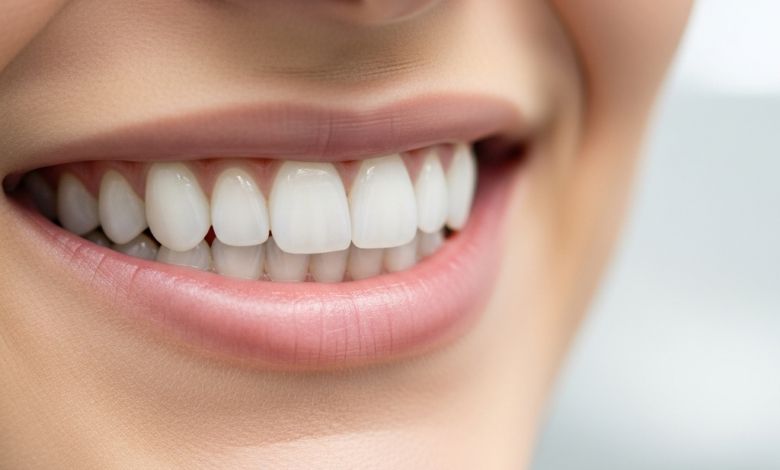
For anyone dreaming of a flawless, camera-ready smile, dental veneers represent one of the most transformative procedures in cosmetic dentistry. These ultra-thin, custom-made shells are designed to cover the front surface of your teeth, instantly correcting a wide range of aesthetic imperfections. From stubborn discoloration to minor chips and gaps, veneers offer a durable and visually stunning solution. But beyond the promise of a perfect smile lies a series of important considerations: What exactly are they made of? What does the process involve? And ultimately, do the results justify the investment? This guide will explore every facet of dental veneers, providing the detailed information you need to determine if they are the right choice for your smile goals.
What Are Dental Veneers and Are They Worth It?
What Are Dental Veneers?
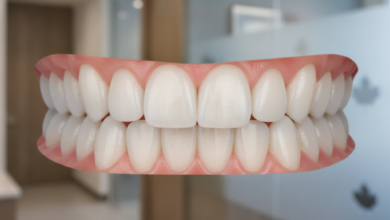
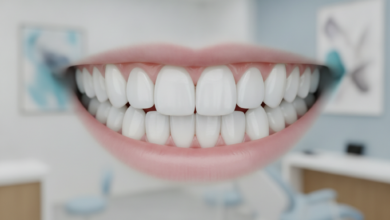
Dental veneers are thin, wafer-like layers of material, typically porcelain or composite resin, that are bonded directly to the visible surface of your teeth. Think of them as a permanent facade for your smile. They are not designed to replace a missing tooth or restore a heavily damaged one; instead, their primary purpose is cosmetic enhancement. A skilled cosmetic dentist can use veneers to dramatically alter a tooth’s color, shape, size, or length, creating a uniform and harmonious appearance across your entire smile line. The result is a natural-looking yet significantly improved smile that can mask years of wear, staining, or minor orthodontic issues. Unlike dental crowns, which encase the entire tooth, veneers only cover the front, making the procedure less invasive while requiring the removal of a minimal amount of the natural tooth enamel.
Who is an Ideal Candidate for Dental Veneers?
Veneers are a versatile solution, but they are not suitable for everyone. The ideal candidate is someone with good overall oral health who wishes to address specific cosmetic concerns. You might be a great candidate if you want to correct:
- Severe Discoloration: For stains that do not respond to professional teeth whitening, such as those from tetracycline medication or excessive fluoride, veneers can provide a permanently white smile.
- Worn-Down Teeth: Over time, teeth can become worn down from grinding (bruxism) or general wear and tear. Veneers can restore their original length and youthful appearance.
- Chips and Cracks: Minor chips and cracks in the front teeth can be easily and permanently concealed with veneers.
- Gaps and Spacing: Veneers can be custom-shaped to close small gaps between teeth, providing a quick alternative to orthodontic treatment in some cases.
- Minor Misalignment: For slightly crooked, uneven, or irregularly shaped teeth, veneers can create an illusion of perfect alignment, often referred to as “instant orthodontics.”
However, it’s crucial to have a healthy foundation. Individuals with active gum disease, significant tooth decay, or insufficient tooth enamel may not be suitable candidates. A thorough dental examination is the first step to determining your eligibility.
The Different Types of Dental Veneers: A Comparison
The two most common materials used for dental veneers are porcelain and composite resin. While both can achieve beautiful results, they differ significantly in terms of material, procedure, longevity, and cost. Understanding these differences is key to making an informed decision that aligns with your budget and long-term goals.
Porcelain Veneers
Porcelain veneers are the gold standard in cosmetic dentistry. They are fabricated from a high-quality, durable ceramic material that masterfully mimics the light-reflecting properties of natural tooth enamel. This gives them an incredibly lifelike and translucent appearance. The process involves creating a custom veneer in a dental laboratory based on an impression of your prepared tooth. Due to their non-porous surface, porcelain veneers are highly resistant to staining from coffee, tea, and red wine, ensuring your smile stays bright for years. Clinical studies have demonstrated their impressive longevity. According to research on the “Success and Survival Rate of Ceramic Veneers,” they have a very high survival rate, often lasting for well over a decade with proper care. This makes them a fantastic long-term investment in your smile.
Composite Resin Veneers
Composite resin veneers are made from a tooth-colored filling material that is applied directly to the tooth in layers and then sculpted into the desired shape by the dentist. This procedure is often completed in a single visit, making it a faster and typically more affordable option than porcelain. Because the material is applied directly, less tooth enamel may need to be removed. While modern composites offer excellent aesthetics, they are more porous than porcelain and can be more susceptible to staining over time. They are also not as durable and may require more frequent maintenance or replacement. However, one key advantage is that composite veneers can often be repaired if they chip, whereas a damaged porcelain veneer usually needs to be fully replaced.
| Feature | Porcelain Veneers | Composite Resin Veneers |
|---|---|---|
| Aesthetics | Superior, highly translucent, and natural-looking. | Very good, but can lack the lifelike translucency of porcelain. |
| Durability | Extremely strong and durable. Highly resistant to chipping. | Less durable than porcelain. More prone to chipping and wear. |
| Stain Resistance | Excellent. The non-porous surface resists stains effectively. | Good, but can stain over time, similar to natural teeth. |
| Procedure Time | Requires at least two visits (preparation and bonding). | Typically completed in a single visit (direct bonding). |
| Longevity | 10-15+ years with proper care. | 5-7 years on average, may require more maintenance. |
| Cost | Higher initial investment. | More affordable upfront cost. |
The Step-by-Step Dental Veneer Procedure
The journey to a new smile with veneers is a meticulous, multi-step process that prioritizes precision and artistry. It typically unfolds over two to three appointments.
1. Consultation and Smile Design
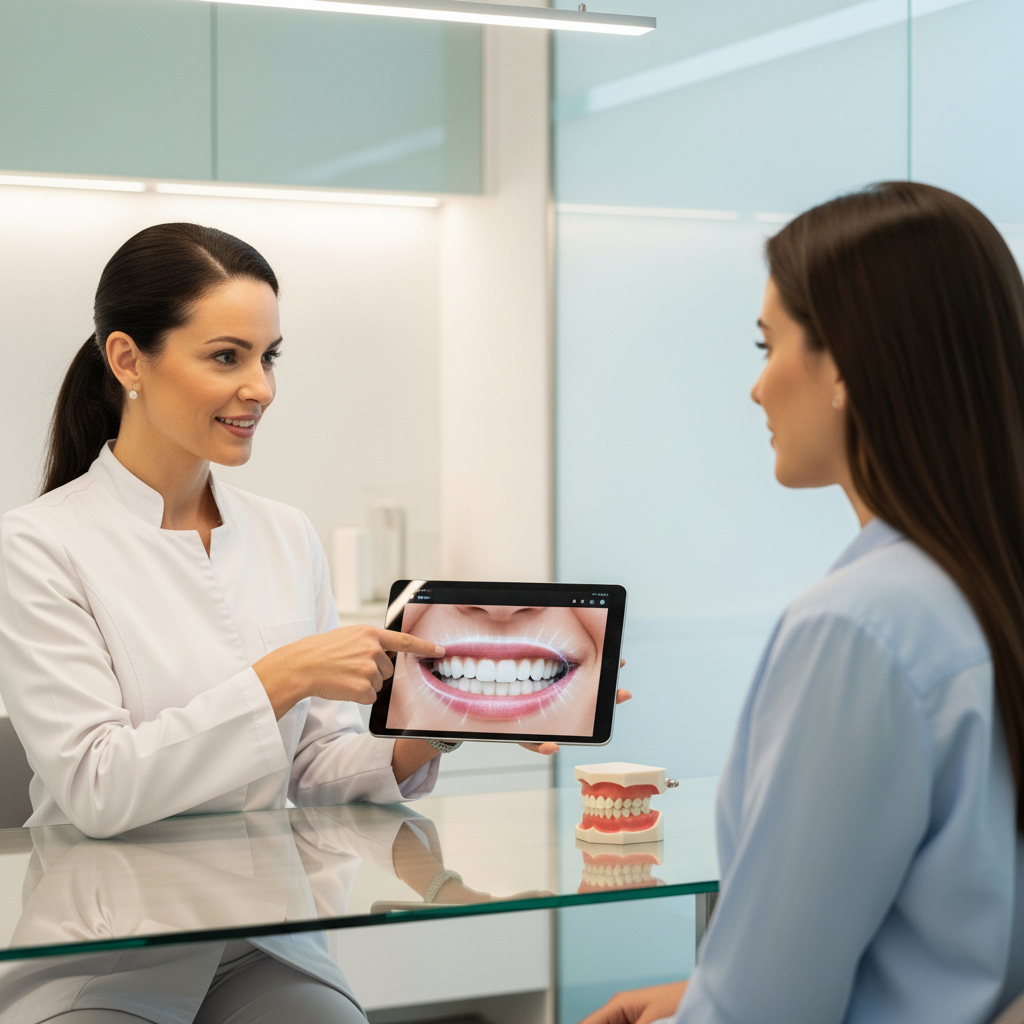
Your journey begins with a comprehensive consultation. This is where you discuss your aesthetic goals with your dentist. What do you want to change about your smile? Do you prefer a bright, Hollywood look or a more natural enhancement? The dentist will examine your teeth, take X-rays, and determine if you are a suitable candidate. This is also the “smile design” phase, where the dentist may use digital imaging or create a wax model to show you a preview of your potential results.
2. Tooth Preparation
Once you decide to proceed, your teeth are prepared for the veneers. This involves removing a very thin layer of enamel from the front surface of the teeth—usually about 0.5 millimeters, which is roughly the thickness of the veneer itself. This step is crucial for two reasons: it makes room for the veneer to sit flush with your other teeth for a natural look, and it creates a suitable surface for a strong bond. A local anesthetic is typically used to ensure you are comfortable throughout this process.
3. Impressions and Temporary Veneers
After the teeth are prepared, the dentist will take a precise impression or digital scan of your teeth. This mold is sent to a specialized dental laboratory where skilled technicians will craft your custom porcelain veneers. This process can take a couple of weeks. In the meantime, the dentist will place temporary veneers on your prepared teeth. These temporaries protect your teeth and allow you to “test drive” the feel of your new smile while you wait for the final restorations.
4. Final Bonding Appointment
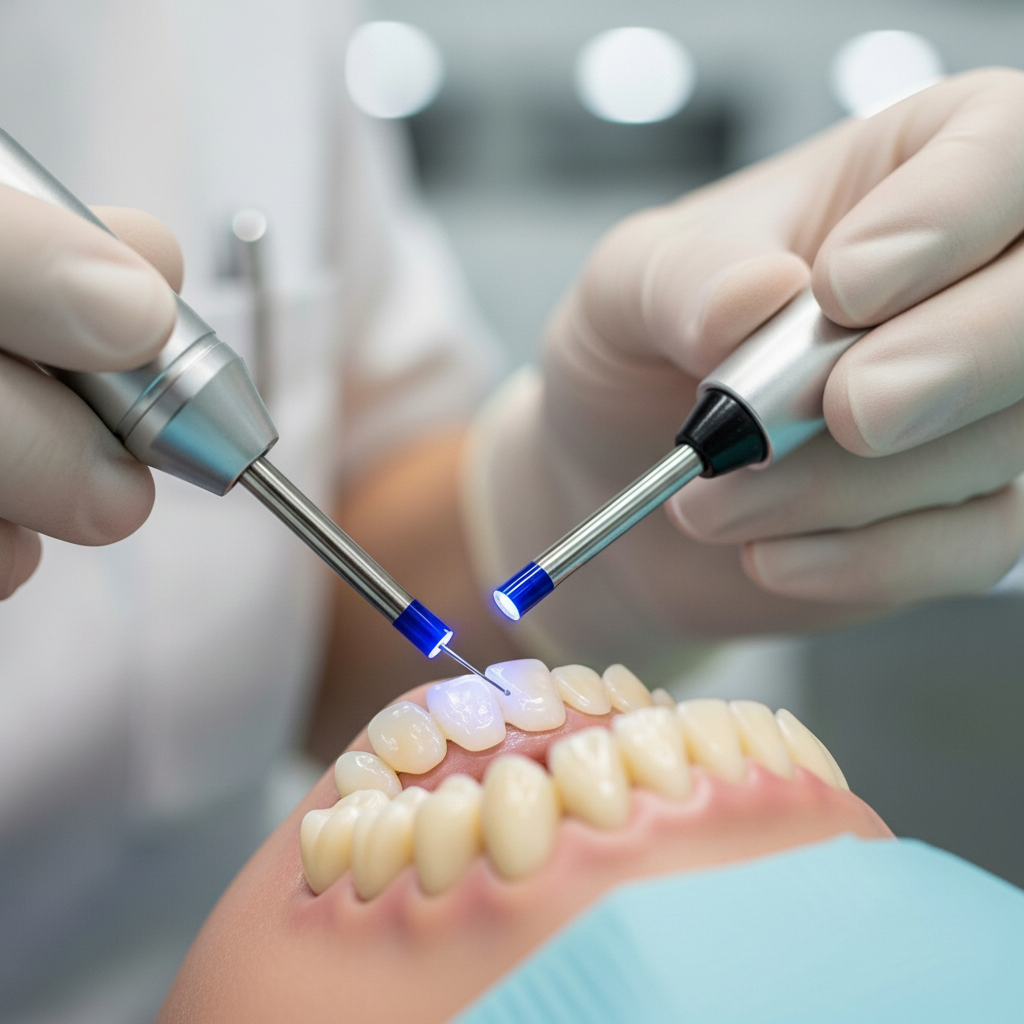
This is the most exciting step. When your permanent veneers are ready, you will return to the clinic for the final placement. The dentist will remove the temporary veneers and clean your teeth. Each permanent veneer is carefully placed on the corresponding tooth to check its fit, shape, and color. Adjustments can be made at this stage to ensure a perfect match. Once you and your dentist are happy with the result, the teeth are cleaned, etched, and a special bonding cement is applied. The veneer is then positioned, and a high-intensity light is used to cure the cement, creating an incredibly strong and permanent bond. While veneers are an excellent choice for cosmetic improvements, some cases of more significant tooth damage might require a different approach. Understanding the distinctions between veneers vs. crowns can help you have a more informed discussion with your dentist about the best option for your unique needs.
Aftercare: Protecting Your Investment
Caring for dental veneers is straightforward and very similar to caring for your natural teeth. To ensure their longevity and keep them looking their best, it is vital to practice excellent oral hygiene. This includes brushing twice a day with a non-abrasive fluoride toothpaste, flossing daily, and attending regular dental check-ups and cleanings. While porcelain is highly stain-resistant, it’s still wise to be mindful of consuming highly staining foods and beverages. Most importantly, avoid using your veneers as tools—do not bite your nails, chew on ice, or try to open packages with your teeth, as this can cause them to chip or break. If you grind your teeth at night, your dentist will likely recommend a custom nightguard to protect your veneers from excessive pressure. By following these simple guidelines, you can enjoy your beautiful, revitalized smile for many years to come.