What Happens If You Stop Brushing Your Teeth?
What Happens If You Stop Brushing Your Teeth?
The seemingly innocuous act of skipping a single brushing session can set in motion a cascade of detrimental effects on your oral and overall health. While an occasional oversight might not lead to immediate catastrophe, consistently neglecting this fundamental hygiene practice paves a direct path to severe dental complications, pain, and systemic health issues. Understanding the intricate biological processes that unfold in your mouth without the intervention of a toothbrush is crucial to appreciating why daily brushing is non-negotiable for a healthy life.
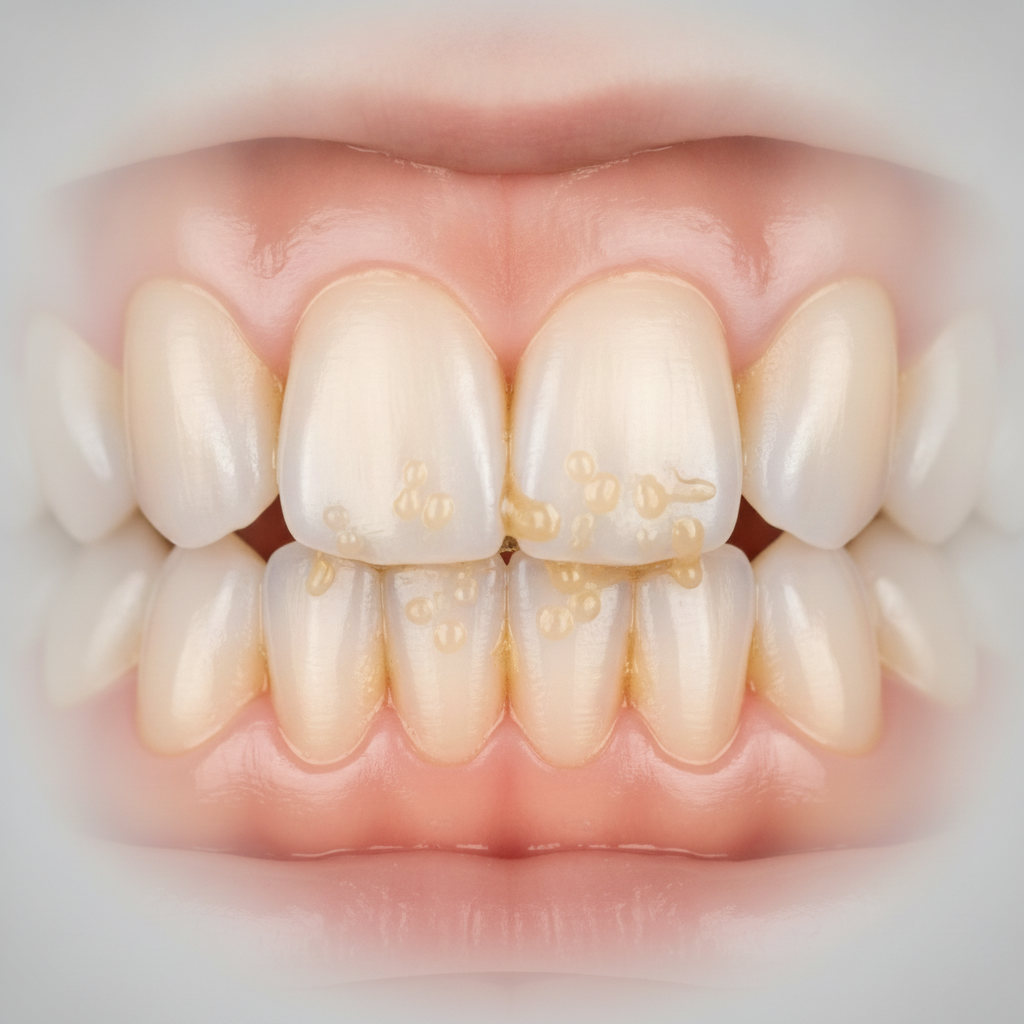
The Immediate Onslaught: Plaque, Bad Breath, and Gingivitis
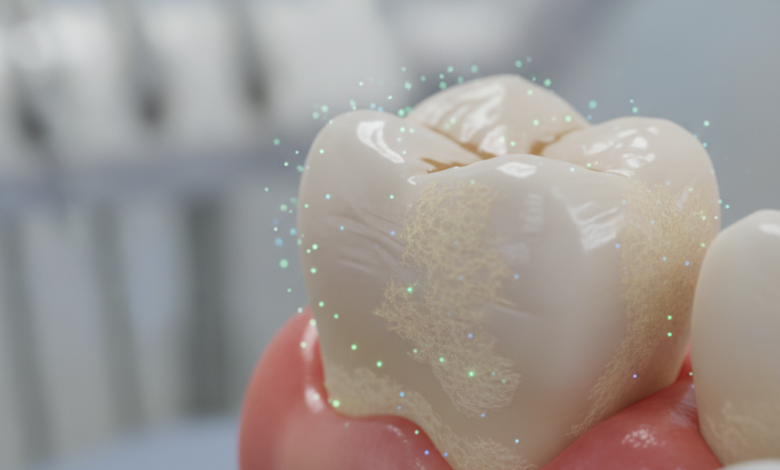
The moment you cease brushing, your mouth becomes a veritable breeding ground for bacteria. Within hours, a sticky, colorless film called plaque begins to form on your teeth. Plaque is a biofilm composed of bacteria, food particles, and saliva. These bacteria feed on sugars from the foods and drinks you consume, producing acids as a byproduct. These acids are the primary culprits behind tooth decay and gum irritation.
One of the first noticeable consequences of unchecked plaque accumulation is halitosis, commonly known as bad breath. The bacteria in plaque release volatile sulfur compounds, which have an unpleasant odor. This isn’t just a social faux pas; it’s a clear indicator that your oral hygiene is failing and bacteria are thriving.
As plaque continues to accumulate along the gumline, it triggers an inflammatory response in your gums. This condition is called gingivitis. Symptoms of gingivitis include red, swollen, tender, and bleeding gums. You might notice blood when you bite into an apple or when you eventually decide to brush. While gingivitis is the earliest and mildest form of gum disease, it is entirely reversible with proper brushing, flossing, and professional dental cleaning. However, if left untreated, gingivitis will inevitably progress to more severe and irreversible conditions.
Why You Should Never Stop Brushing Your Teeth: Escalating Oral Health Issues
The progression from gingivitis to more serious oral health problems is swift and severe once you stop brushing your teeth entirely. Each day without proper cleaning allows bacteria to proliferate, acids to attack, and inflammation to intensify, leading to a spectrum of painful and costly conditions.
- Tooth Decay (Cavities): The acids produced by plaque bacteria continuously demineralize your tooth enamel, creating microscopic pores that eventually develop into visible holes, or cavities. Initially, these might be painless, but as decay penetrates deeper into the tooth, reaching the sensitive dentin and eventually the pulp (containing nerves and blood vessels), you will experience increasing pain, sensitivity to hot and cold, and discomfort when chewing. Untreated cavities can lead to severe infections and even tooth loss.
- Gum Disease Progression (Periodontitis): This is the most devastating consequence of neglecting gingivitis. When plaque and tartar (hardened plaque) remain below the gumline, they irritate the gums further, causing them to pull away from the teeth, forming pockets. These pockets become reservoirs for more bacteria and pus. The body’s immune response, combined with bacterial toxins, begins to destroy the bone and connective tissue that hold your teeth in place. This advanced stage is called periodontitis. Symptoms include persistent bad breath, receding gums, painful chewing, loose teeth, and eventually, tooth loss. Unlike gingivitis, the bone loss and tissue damage caused by periodontitis are largely irreversible, though treatment can halt its progression. Understand more about gum disease and its treatments.
- Tooth Sensitivity: As gums recede due to inflammation and bone loss, the roots of your teeth become exposed. Unlike the crown of the tooth, which is protected by enamel, the roots are covered by a softer material called cementum, which is easily worn away, exposing the underlying dentin. Dentin contains thousands of microscopic tubules that lead to the tooth’s nerve, making your teeth extremely sensitive to temperature changes, sweets, and even air.
- Abscesses and Infections: When decay reaches the pulp or severe gum disease allows bacteria deep into the supporting structures, painful dental abscesses can form. An abscess is a localized collection of pus, often accompanied by severe throbbing pain, swelling of the face or jaw, fever, and general malaise. Dental infections can be serious and, if left untreated, can spread to other parts of the body, potentially leading to life-threatening conditions like sepsis or brain abscesses.
Beyond the Mouth: Systemic Health Connections
The impact of poor oral hygiene extends far beyond your mouth. Your oral health is intrinsically linked to your overall systemic health. The mouth is a gateway to your body, and the bacteria that thrive there when brushing stops can enter your bloodstream and contribute to various serious medical conditions.
- Cardiovascular Disease: Research indicates a strong link between periodontitis and heart disease. The inflammation caused by gum disease can lead to systemic inflammation throughout the body. Oral bacteria can enter the bloodstream, travel to the arteries, and contribute to the formation of plaque in the arteries (atherosclerosis), increasing the risk of heart attacks and strokes.
- Diabetes: There is a bidirectional relationship between diabetes and gum disease. People with diabetes are more susceptible to infections, including gum disease, and periodontitis can make it harder for diabetics to control their blood sugar levels. Severe gum disease is considered a complication of diabetes, and treating it can help improve glycemic control.
- Respiratory Infections: Bacteria from the mouth can be inhaled into the lungs, potentially leading to respiratory infections such as pneumonia, especially in individuals with compromised immune systems or chronic lung conditions.
- Pregnancy Complications: Periodontitis in pregnant women has been linked to adverse pregnancy outcomes, including preterm birth and low birth weight. The inflammatory mediators produced by gum disease can affect the fetal environment.
- Cognitive Decline: Emerging research suggests a possible link between chronic gum disease and an increased risk of cognitive decline, including Alzheimer’s disease. The inflammation and bacterial byproducts may play a role in neuroinflammation.
The Cornerstone of Oral Health: Proper Brushing and Flossing
Given the severe consequences of neglecting oral hygiene, it becomes clear that proper brushing and flossing are not just recommendations but essential daily practices for maintaining health.
- Brushing Technique: Brush at least twice a day for two minutes each time. Use a soft-bristled toothbrush and a fluoride toothpaste. Hold your toothbrush at a 45-degree angle to your gums and use gentle, short strokes. Make sure to brush all surfaces of your teeth – outer, inner, and chewing surfaces. Don’t forget to gently brush your tongue to remove bacteria and freshen your breath.
- Toothbrush Choice: While both manual and electric toothbrushes can be effective, many find electric toothbrushes to be more efficient at removing plaque. Choose a toothbrush with soft bristles to prevent gum recession and enamel erosion. Replace your toothbrush every three to four months, or sooner if the bristles are frayed.
- Flossing: Brushing alone cannot reach the tight spaces between your teeth and under the gumline where plaque and food particles hide. Floss at least once a day. Use about 18 inches of floss, winding most of it around your middle fingers. Gently guide the floss between your teeth, curving it into a C-shape against one tooth and sliding it gently below the gumline. Repeat for the adjacent tooth.
- Mouthwash: Therapeutic mouthwashes containing fluoride or antibacterial agents can be a beneficial addition to your routine, but they should never replace brushing and flossing. They primarily offer an extra layer of protection and can help with bad breath.
- Diet: A balanced diet low in sugary and acidic foods and drinks significantly supports oral health. Sugars fuel the bacteria that cause decay, and acids directly erode enamel. Drinking plenty of water helps rinse away food particles and maintains saliva production, which is crucial for neutralizing acids and remineralizing enamel.
Reversing the Damage: Professional Dental Interventions
If you have neglected your oral hygiene and are experiencing the negative effects, it’s never too late to seek professional help. A qualified dental professional can assess the damage and recommend appropriate treatments to restore your oral health.
- Deep Cleaning (Scaling and Root Planing): For patients with gingivitis or early to moderate periodontitis, a deep cleaning procedure can remove plaque and tartar deposits above and below the gumline and smooth the root surfaces to prevent further bacterial accumulation.
- Fillings: Cavities, once detected, can be effectively treated with dental fillings. The decayed portion of the tooth is removed, and the cavity is filled with a durable material to restore the tooth’s structure and prevent further decay.
- Root Canal Therapy: If decay or trauma has severely infected the tooth’s pulp, root canal therapy can save the tooth. The infected pulp is removed, the root canals are cleaned and disinfected, and then filled and sealed. A crown is often placed afterward to protect the weakened tooth.
- Crowns and Bridges: Severely damaged teeth that cannot be restored with a filling may require a dental crown, which caps the entire visible portion of the tooth. For missing teeth, a dental bridge can replace one or more teeth by anchoring artificial teeth to adjacent natural teeth or implants.
- Dental Implants: For individuals who have lost teeth due to severe decay or gum disease, dental implants offer a permanent and highly effective solution. A titanium post is surgically placed into the jawbone, acting as an artificial tooth root, onto which a crown, bridge, or denture can be attached.
- Veneers and Cosmetic Solutions: Once underlying health issues are addressed, cosmetic dentistry options like veneers can improve the aesthetics of teeth that have been discolored, chipped, or slightly misaligned as a result of neglect, helping to restore a confident smile.
Preventative Care: Your Best Defense
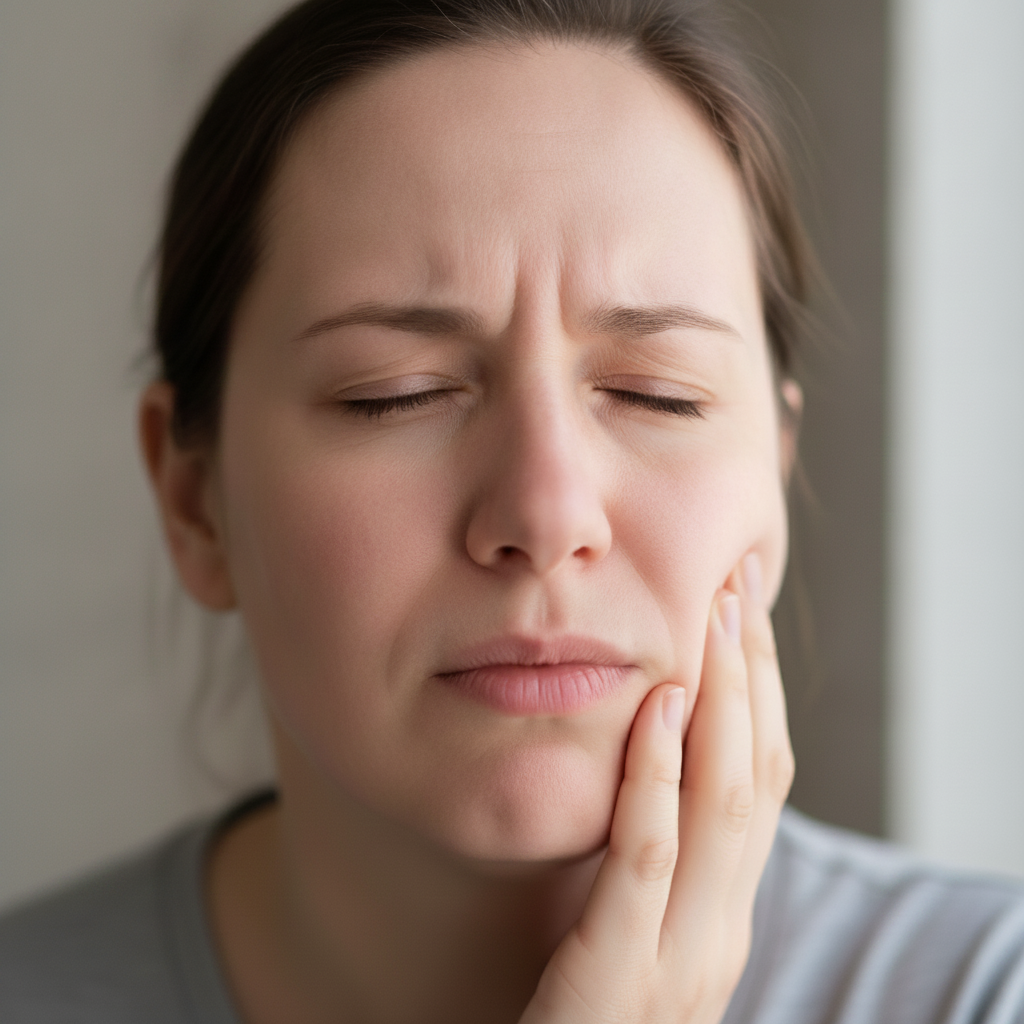
Ultimately, the best approach to oral health is prevention. Establishing a consistent and thorough daily oral hygiene routine, combined with regular dental check-ups, is your strongest defense against the severe consequences of neglecting your teeth. Professional cleanings remove hardened plaque (tartar) that brushing alone cannot, and your dentist can identify and address potential issues before they escalate. Early detection and intervention are key to avoiding painful, extensive, and costly treatments down the line. Prioritizing your oral health means investing in your overall well-being and a lifetime of healthy smiles. Learn more about the importance of regular dental check-ups and their impact on overall health.