How Much Do Dental Implants Cost in Canada?
This is one of the most pressing questions for individuals considering a permanent solution for missing teeth. The answer, however, is not a single number but a wide range, typically from $3,000 to $6,000 for a single implant. This significant investment in your oral health is influenced by a multitude of factors, from the materials used to the complexity of your individual case. Understanding these components is the first step toward making an informed decision about restoring your smile and function. While the price in Canada can be prohibitive for many, it is essential to first dissect what goes into this cost before exploring more accessible global alternatives.
How Much Do Dental Implants Cost in Canada?
A Detailed Breakdown of the Dental Implants Cost in Canada
The final bill for a dental implant is not a single line item. It is a sum of several distinct parts, each with its own cost. The price can vary significantly between provinces like Ontario, British Columbia, and Alberta, but the core components remain the same. To truly understand the investment, we must look at each piece of the puzzle.
The Implant Fixture Itself
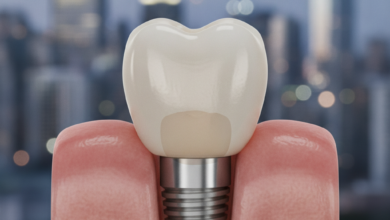
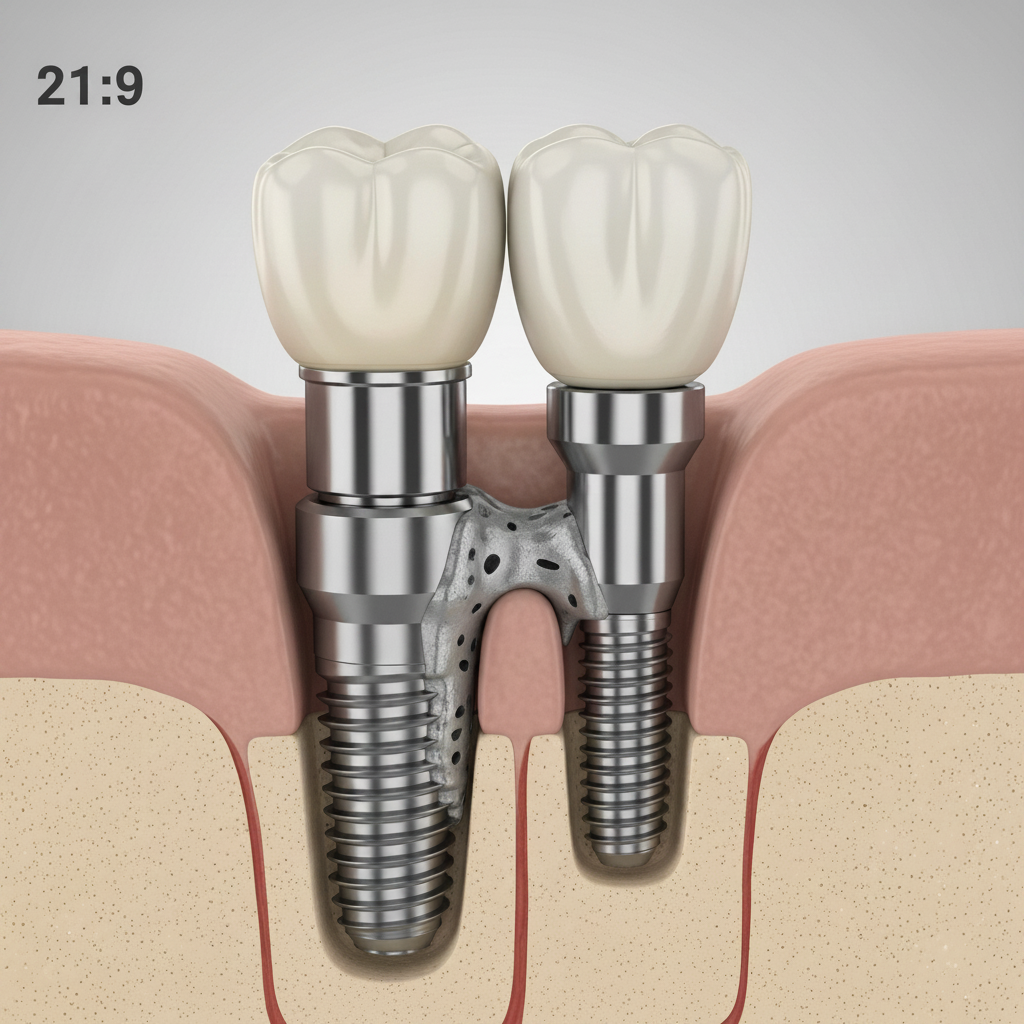
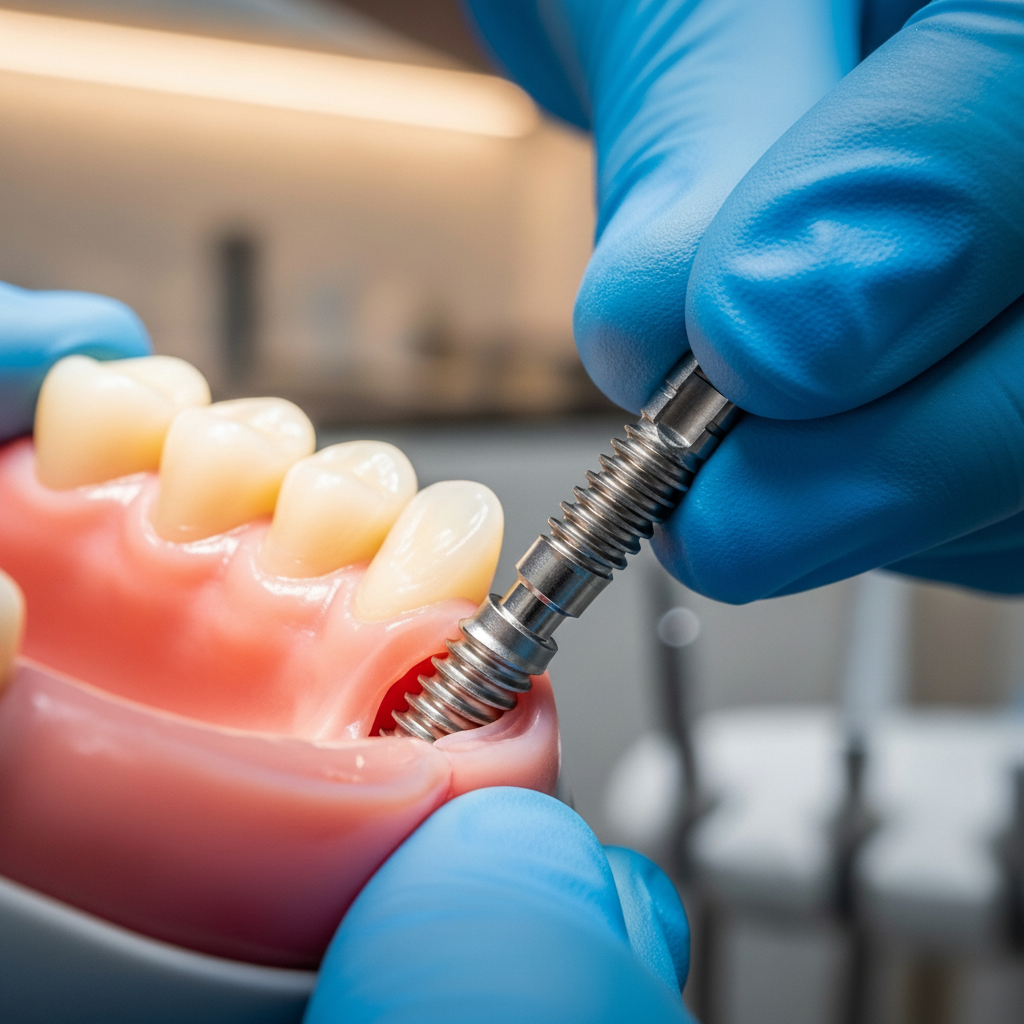
The foundation of the entire restoration is the implant fixture, a small, screw-like post typically made from medical-grade titanium. This component is surgically placed into the jawbone, where it will fuse with the bone in a process called osseointegration. The cost of this fixture alone can range from $1,000 to $2,500. The price is heavily influenced by the manufacturer. Premium brands like Straumann or Nobel Biocare, known for extensive research and high success rates, command a higher price than lesser-known brands. The choice of material, while usually titanium, can also include zirconia for patients with metal allergies, which can affect the cost.
The Abutment and Crown
Once the implant has integrated with the jawbone, an abutment is attached. This is a connector piece that sits on top of the implant and provides the support structure for the final crown. Following the abutment, the dental crown—the visible, tooth-shaped part—is custom-made and secured. The cost of the abutment and a high-quality crown can add another $1,500 to $3,000 to the total. The material of the crown is a major price variable. Porcelain-fused-to-metal (PFM) is a more traditional, cost-effective option, while all-ceramic or zirconia crowns offer superior aesthetics and biocompatibility at a higher price point.
Surgical and Professional Fees
A significant portion of the total cost is attributed to the professional fees of the dental surgeon or periodontist performing the procedure. These fees cover the initial consultation, comprehensive diagnostic imaging (like 3D CT scans), the creation of a detailed treatment plan, and the surgical placement of the implant itself. The expertise and reputation of the clinician play a large role here. A highly experienced specialist in a major urban center will naturally have higher fees than a general dentist in a smaller town. These professional fees can easily account for $1,000 to $2,000 of the final price.
Preliminary Procedures: The Hidden Costs
Many patients are not immediately ready for implant placement and require preparatory work, which adds to the overall expense. If the tooth to be replaced is still present, its extraction will be an additional cost. More significantly, patients who have had a missing tooth for a long time often experience jawbone deterioration. A dental implant requires a certain density and volume of bone for successful integration. If insufficient bone is present, a bone graft or a sinus lift (for upper jaw implants) will be necessary. These procedures can add anywhere from $500 to over $3,000 to the treatment plan, depending on their complexity.
| Component or Service | Average Cost Range in Canada (CAD) |
|---|---|
| Initial Consultation & CT Scan | $300 – $700 |
| Bone Grafting (if required) | $500 – $3,000+ |
| Implant Fixture (Titanium Post) | $1,000 – $2,500 |
| Abutment & Dental Crown | $1,500 – $3,000 |
| Surgical Placement Fee | $1,000 – $2,000 |
| Total Estimated Cost (Per Tooth) | $4,300 – $11,200+ |
Why Is the Cost So High in Canada?
The high cost of dental care in Canada is driven by a combination of economic and regulatory factors. Dental clinics face substantial overhead costs, including high commercial rent, staff salaries, and advanced technology acquisition and maintenance (such as 3D imaging systems and intraoral scanners). Furthermore, the materials and laboratory fees for custom-crafting high-quality crowns in Canadian dental labs are significant. Stringent sterilization protocols and professional liability insurance also contribute to the operational expenses that are ultimately reflected in patient pricing. These combined factors create a financial barrier that can make essential dental restorations seem like a luxury.
The Global Alternative: High-Quality Care at a Fraction of the Cost
For many Canadians, the domestic price of dental implants is simply unattainable. This has led to the rise of dental tourism, a global phenomenon where patients travel to other countries for more affordable, high-quality medical and dental care. Destinations like Turkey have become leading hubs for this practice, offering a compelling alternative. Clinics in cities like Istanbul provide dental implant procedures using the exact same premium, globally recognized brands and materials found in Canada, but at a significantly lower price point. This price difference is not due to a compromise in quality but is a direct result of the lower operational costs, lab fees, and professional salaries in the Turkish economy. Patients can often receive a complete implant treatment, including flights and accommodation, for less than the cost of the procedure alone in Canada.
The Dental Implant Procedure: A Step-by-Step Journey
Regardless of where the procedure is performed, the clinical steps for a dental implant are standardized to ensure safety and success. The process is a testament to modern dental science, providing a durable and natural-feeling tooth replacement. A dental implant is designed to mimic the structure of a natural tooth root.
- Consultation and 3D Planning: The journey begins with a thorough examination, including 3D CT scans of your jaw. This allows the surgeon to assess bone density and map out the precise placement of the implant, avoiding nerves and sinuses for a safe and predictable outcome.
- Implant Placement: The surgical phase is typically a minor procedure performed under local anesthesia. The surgeon creates a small incision in the gum to access the bone, then prepares the site and carefully places the titanium implant fixture into the jawbone. The gum is then sutured closed over the implant.
- Osseointegration: This is the crucial healing phase. Over the next 3 to 6 months, the jawbone grows around and fuses with the titanium implant, creating an incredibly strong and stable foundation, essentially making it a part of your body.
- Final Restoration: After osseointegration is complete, the patient returns to the clinic. The top of the implant is exposed, and the abutment is attached. Impressions are taken to create a custom-made crown that perfectly matches the color, shape, and size of the surrounding teeth. Once the crown is fabricated, it is permanently secured to the abutment, completing the restoration.
Investing in a Long-Term Solution
While the initial cost of a dental implant is higher than that of alternatives like dental bridges or dentures, it is widely considered the superior long-term investment. Unlike a bridge, an implant does not require the alteration of adjacent healthy teeth. It also stimulates the jawbone, preventing the bone loss that typically occurs after a tooth is lost. The success of this procedure heavily relies on the patient’s oral health and bone structure, making it crucial to determine who the ideal dental implant candidates are. With proper care and hygiene, a dental implant can last a lifetime, whereas bridges and dentures often need replacement every 5 to 15 years. This longevity, combined with unparalleled function and aesthetics, provides exceptional value over time, making it the gold standard for tooth replacement in modern dentistry.