Why Regular Dental Checkups Are Important
Why Regular Dental Checkups Are Important. Many people often underestimate the profound impact that consistent, professional dental care can have on their overall health and well-being. While daily brushing and flossing are undoubtedly crucial components of a robust oral hygiene routine, they represent only half of the equation. The other, equally vital half, involves scheduling and attending regular dental checkups. These routine visits to your dentist are not merely about addressing existing problems; they are a cornerstone of preventive health, designed to catch potential issues before they escalate, maintain pristine oral health, and even provide insights into your broader physical condition. Neglecting these essential appointments can lead to a cascade of preventable complications, ranging from painful cavities and gum disease to more severe systemic health concerns.
The Undeniable Importance of Regular Dental Checkups
Regular dental checkups serve as your primary defense against a myriad of oral health problems. Think of your mouth as a complex ecosystem that requires expert oversight to thrive. A general dentist acts as the guardian of this ecosystem, equipped with the knowledge and tools to identify subtle changes that might escape even the most diligent at-home observer. These examinations are comprehensive, delving far beyond a superficial glance. They encompass a thorough assessment of your teeth, gums, tongue, jaw, and surrounding soft tissues, seeking out any signs of disease, decay, or other abnormalities.
Beyond Brushing: The Limitations of Home Care
Even with meticulous brushing twice a day and daily flossing, certain areas in your mouth can be challenging to reach and clean effectively. Plaque, a sticky film of bacteria, constantly forms on your teeth. If not removed thoroughly, it hardens into tartar (calculus), which cannot be removed by brushing or flossing alone. Tartar buildup creates a rough surface that attracts more plaque and provides a breeding ground for bacteria, leading to gingivitis and eventually periodontitis. Professional dental cleanings utilize specialized instruments to safely and effectively remove both plaque and tartar, reaching areas your toothbrush simply cannot. This deep cleaning is vital for preventing gum disease and maintaining healthy tooth surfaces.
What Happens During Your Routine Dental Checkup?
A typical regular dental checkup is a multi-faceted process designed for comprehensive evaluation and preventive care. Understanding each step can help alleviate any anxiety and emphasize the value of these visits.
Comprehensive Examination: Looking for Clues
Your dentist will begin with a thorough visual examination of your entire mouth. This includes checking your teeth for signs of decay, chips, or cracks, and assessing existing fillings, crowns, or other restorations for integrity. They will also carefully inspect your gums for swelling, redness, bleeding, or recession – all indicators of gum disease. Furthermore, the dentist will examine your tongue, throat, face, and neck for any signs of oral cancer or other medical conditions. This oral cancer screening is a critical, often life-saving, component of every routine checkup. In some cases, X-rays may be taken to reveal issues not visible to the naked eye, such as interproximal cavities (between teeth), bone loss, impacted teeth, or problems with tooth roots.
Professional Cleaning (Prophylaxis): The Deep Refresh
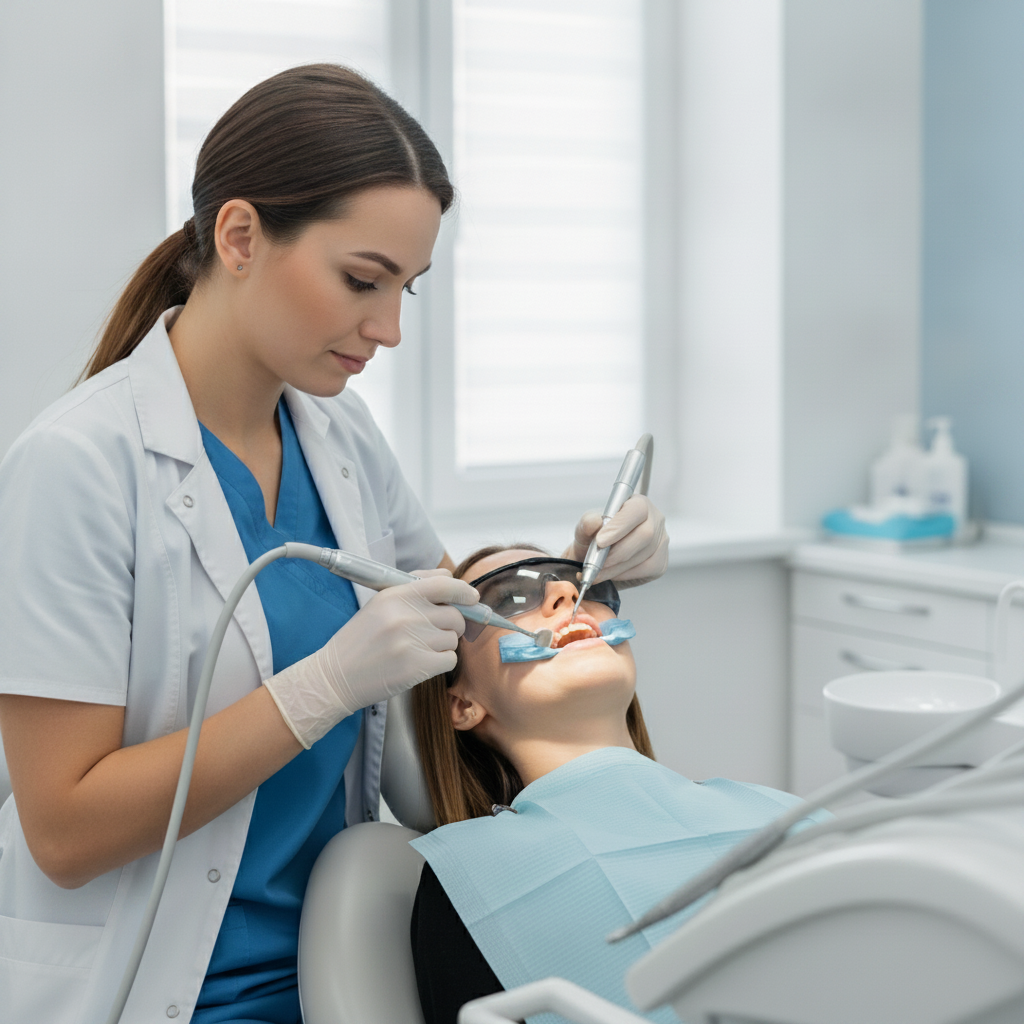
Following the examination, a dental hygienist or dentist will perform a professional cleaning. This procedure, known as prophylaxis, involves several key steps:
- Scaling: Using specialized instruments, the hygienist will meticulously remove plaque and tartar deposits from both above and below the gum line.
- Polishing: After scaling, your teeth are polished using a high-powered electric brush and a gritty paste. This removes surface stains and smooths the tooth surface, making it harder for plaque to adhere.
- Flossing: A thorough flossing helps remove any remaining plaque or paste from between your teeth.
Depending on your individual needs, fluoride treatment might be applied to strengthen tooth enamel and make it more resistant to decay. Dental sealants, thin plastic coatings, may also be recommended for the chewing surfaces of back teeth, particularly for children, to protect against cavities.
Unmasking Hidden Threats: Early Detection and Prevention
One of the most significant benefits of regular dental checkups is the ability to detect problems in their earliest stages, when they are typically easier, less invasive, and more affordable to treat.
Cavities: Stopping Decay in Its Tracks
Small cavities, or dental caries, often present no noticeable symptoms. By the time you feel pain or sensitivity, the decay might have progressed significantly, requiring a more extensive restoration. During a checkup, your dentist can spot minor enamel erosion or small areas of decay that can be addressed with a simple filling, preventing the need for root canals or extractions later on.
Gum Disease: Addressing the Silent Epidemic
Gum disease, or periodontal disease, is a common condition that can range from simple gum inflammation (gingivitis) to severe tissue and bone destruction (periodontitis). Gingivitis often manifests as swollen, red gums that bleed easily, but it is often painless, making regular screenings essential. If left untreated, gingivitis can advance to periodontitis, leading to tooth loss. Early detection allows for prompt treatment, often reversing gingivitis and managing periodontitis effectively. For more detailed information on prevention, you can visit how to prevent gum disease.
Oral Cancer Screening: A Life-Saving Examination
Oral cancer can affect any part of the mouth or throat. Early detection drastically improves the prognosis, yet many cases are diagnosed in later stages due to a lack of early symptoms or awareness. During a routine checkup, your dentist is trained to look for suspicious lumps, lesions, or discolorations that could indicate the presence of oral cancer, potentially saving your life.
The Profound Connection: Oral Health and Systemic Well-being
The health of your mouth is intricately linked to the health of your entire body. Mounting scientific evidence indicates a strong connection between oral infections and various systemic health conditions.
Systemic Health Connections: More Than Just Your Mouth
Oral bacteria from gum disease can enter your bloodstream, traveling to other parts of your body and contributing to a range of serious health issues. Research has shown links between periodontal disease and cardiovascular disease, where inflammation in the mouth may contribute to clogged arteries and heart conditions. It’s also been associated with diabetes, as gum disease can make blood sugar control more difficult, and vice versa. Additionally, there are connections to respiratory infections, stroke, and adverse pregnancy outcomes such as premature birth and low birth weight. Maintaining good oral hygiene and attending regular checkups therefore becomes a vital aspect of managing your overall health.
Impact on Quality of Life: Living Better, Longer
Beyond preventing severe medical conditions, good oral health significantly enhances your quality of life. Healthy teeth allow you to chew food properly, aiding digestion and nutrient absorption. They enable clear speech, which is fundamental for communication. A confident, healthy smile boosts self-esteem and positively impacts social interactions. Conversely, poor oral health can lead to chronic pain, difficulty eating, social anxiety due to bad breath or visible decay, and significant financial burdens from extensive restorative procedures. Preventing these issues through routine checkups is an investment in your comfort, confidence, and financial stability.
Maintaining Optimal Oral Health Between Visits
While regular professional care is indispensable, the health of your teeth and gums also heavily relies on your daily habits. Your dentist and hygienist will provide personalized advice on how to best care for your teeth at home, bridging the gap between appointments.
The Foundation of Home Care: Brushing and Flossing Properly
Using a soft-bristled toothbrush and fluoride toothpaste, brush your teeth for two minutes, twice a day, paying attention to all surfaces. Flossing daily is crucial for removing plaque and food particles from between your teeth and under the gum line, areas your toothbrush cannot reach. Your dental team can demonstrate proper techniques to ensure maximum effectiveness.
Dietary Choices and Lifestyle Factors
A balanced diet, low in sugary and acidic foods and drinks, plays a critical role in preventing tooth decay and protecting enamel. Limiting snacking between meals and choosing water over sugary beverages can make a significant difference. Avoiding tobacco products, whether smoking or chewing, is also paramount, as they are major risk factors for gum disease, oral cancer, and other oral health problems.
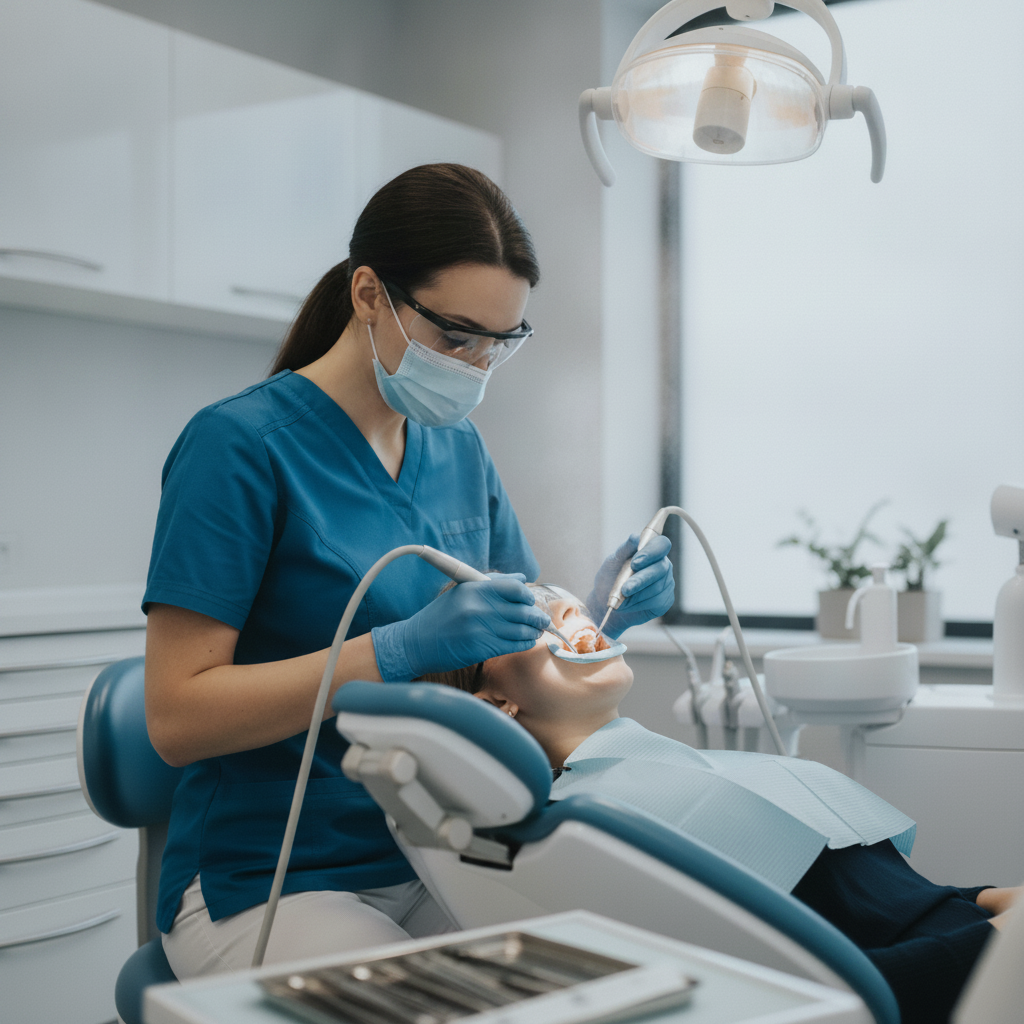
How Often Should You Visit for Regular Dental Checkups?
For most individuals, the general recommendation is to visit the dentist every six months for a routine checkup and cleaning. However, this frequency can vary based on your individual oral health status and risk factors. If you have a history of gum disease, frequent cavities, chronic health conditions like diabetes, or are a smoker, your dentist may recommend more frequent visits, perhaps every three or four months. Conversely, individuals with excellent oral hygiene and no history of dental problems might be advised to visit once a year. Your dental professional will assess your specific needs and recommend a personalized schedule to ensure your oral health remains optimal. For more general information on oral hygiene practices, consult resources like Wikipedia’s Oral Hygiene page.
In conclusion, regular dental checkups are far more than just a routine appointment; they are a critical component of a proactive approach to lifelong health. By embracing these essential visits, you are not only safeguarding your smile but also investing in your overall physical well-being, ensuring a future filled with comfort, confidence, and vitality.