How to Remove Plaque and Tartar
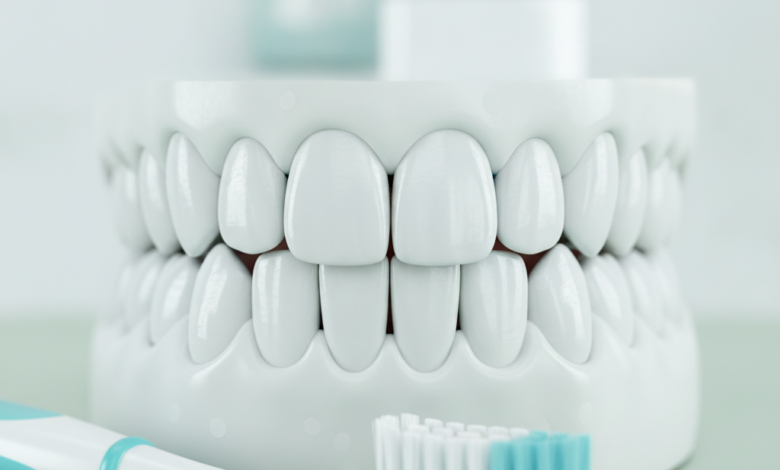
Dental plaque is a colorless, sticky film of bacteria that constantly forms on your teeth. It’s the primary culprit behind tooth decay and gum disease. Every time you eat or drink, especially sugary or starchy foods, bacteria in your mouth feed on these carbohydrates, producing acids. These acids then attack your tooth enamel, leading to cavities. If not removed, plaque can harden into tartar, compounding the problem. Plaque isn’t just a surface issue; it actively colonizes the tooth surface, particularly along the gum line and in between teeth, making thorough cleaning indispensable. Its constant formation means that even with excellent oral hygiene, vigilance is required every single day. The bacterial colonies within plaque thrive in the oral environment, metabolizing food particles and producing toxins that irritate gum tissues, initiating the inflammatory response characteristic of gingivitis.
How to Remove Plaque and Tartar
Maintaining optimal oral health is a cornerstone of overall well-being, and at its core lies the constant battle against plaque and tartar. These tenacious foes are primary contributors to a host of dental problems, from cavities and gum disease to more serious systemic health issues. Understanding what plaque and tartar are, why they form, and critically, how to effectively manage and remove them, is essential for anyone aspiring to a healthy, confident smile. This comprehensive guide will delve into the intricacies of these common dental concerns, offering expert advice on both preventive measures and professional removal techniques, positioning sound oral hygiene as a vital component of a healthy lifestyle.
Understanding Plaque: The Silent Threat
The Composition and Formation of Plaque
Plaque is a complex biofilm, meaning it’s a community of microorganisms encased in an extracellular matrix. This matrix is composed of bacterial products and saliva components, including proteins and glycoproteins. Within hours of brushing, a thin layer called the pellicle forms on the tooth surface, providing a sticky base for bacteria to attach. Specific types of bacteria, such as Streptococcus mutans and Lactobacillus species, are particularly adept at colonizing this pellicle. As these bacteria multiply, they form microcolonies, eventually growing into a mature biofilm. This process is continuous, which is why daily oral hygiene practices are non-negotiable for plaque control. Factors like diet, saliva flow, and individual oral microbiome composition can influence the speed and extent of plaque formation.
Understanding Tartar (Calculus): The Hardened Menace
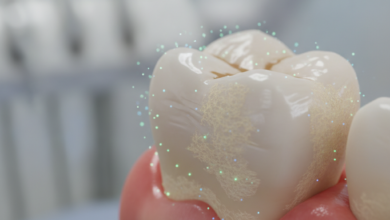
Tartar, also known as dental calculus, is what forms when plaque is left undisturbed and mineralizes. This hardened deposit can be yellow or brown and is much more porous than enamel, making it easier for new plaque to accumulate and stain. Unlike plaque, which can be removed with diligent brushing and flossing, tartar adheres firmly to the teeth and typically requires professional removal by a dentist or dental hygienist. Tartar can also form both above the gum line (supragingival) and below the gum line (subgingival). Subgingival tartar is particularly dangerous as it harbors bacteria that can cause severe gum inflammation and periodontitis, leading to bone loss and eventually tooth loss.
The Dangers of Tartar Buildup
Tartar provides a rough surface that acts as a magnet for more plaque. This creates a vicious cycle where tartar encourages more plaque, which in turn leads to more acid production and further mineralization. The presence of tartar near the gum line creates a barrier that makes it impossible to clean effectively, trapping bacteria against the gums. This constant irritation leads to inflammation, known as gingivitis, characterized by red, swollen, and bleeding gums. If gingivitis is not treated, it can progress to periodontitis, a more severe form of gum disease where the gums pull away from the teeth, forming pockets that become infected. As the body tries to fight the infection, the bone and connective tissue that hold teeth in place are destroyed, eventually leading to tooth mobility and loss. Tartar is also aesthetically displeasing, contributing to stained teeth and persistent bad breath (halitosis).
Why is it Important to How to Remove Plaque and Tartar?
- Preventing Cavities: Plaque bacteria produce acids that erode tooth enamel, leading to dental caries (cavities). Regular removal prevents this acidic attack.
- Preventing Gum Disease (Gingivitis and Periodontitis): Plaque and tartar near the gum line irritate gum tissues, leading to inflammation (gingivitis). Untreated gingivitis can progress to periodontitis, which can destroy the bone supporting your teeth.
- Combating Bad Breath (Halitosis): The bacteria in plaque and tartar produce foul-smelling gases, contributing to chronic bad breath.
- Preserving Tooth Structure: By preventing cavities and severe gum disease, you protect the structural integrity of your teeth, prolonging their natural lifespan.
- Enhancing Aesthetics: Clean teeth are naturally brighter and healthier-looking, contributing to a more confident smile.
- Systemic Health Benefits: Research suggests a link between severe gum disease and other health conditions like heart disease, diabetes, and stroke. Managing oral hygiene can positively impact overall health.
Effective Home Strategies for Plaque Prevention and Removal
Daily Oral Hygiene Practices
- Brush Twice Daily: Use a soft-bristled toothbrush and fluoride toothpaste. Brush for at least two minutes, covering all surfaces of your teeth – outer, inner, and chewing surfaces. Angle the brush at 45 degrees to the gum line, using gentle, circular strokes. Electric toothbrushes are often more effective at removing plaque than manual ones due to their oscillating or sonic action.
- Floss Daily: Flossing is crucial for removing plaque and food particles from between your teeth and under the gum line where your toothbrush can’t reach. Use about 18 inches of floss, winding most of it around your middle fingers, leaving a small section to work with. Gently guide the floss between your teeth, curving it around each tooth in a “C” shape and sliding it up and down.
- Use an Antiseptic Mouthwash: Therapeutic mouthwashes containing active ingredients like chlorhexidine or essential oils can help reduce plaque and gingivitis. Rinse for 30-60 seconds after brushing and flossing, but avoid mouthwashes with high alcohol content, which can dry out your mouth.
- Maintain a Balanced Diet: Limit sugary and starchy foods and drinks, as these fuel plaque-forming bacteria. Opt for a diet rich in fruits, vegetables, and whole grains. Drinking plenty of water throughout the day can also help rinse away food particles and acids.
- Chew Sugar-Free Gum: Chewing sugar-free gum after meals can stimulate saliva production, which helps neutralize acids and wash away food debris.
Importance of Regular Dental Check-ups
Even the most diligent home care might not be enough to completely prevent plaque and tartar buildup, especially in hard-to-reach areas. This underscores the critical role of regular dental check-ups and professional cleanings. Dentists and dental hygienists are equipped with specialized tools and expertise to identify problem areas, remove stubborn deposits, and provide personalized advice. You can learn more about the benefits of routine visits by exploring why regular dental check-ups are important for your long-term oral health.
Professional Methods for Plaque and Tartar Removal
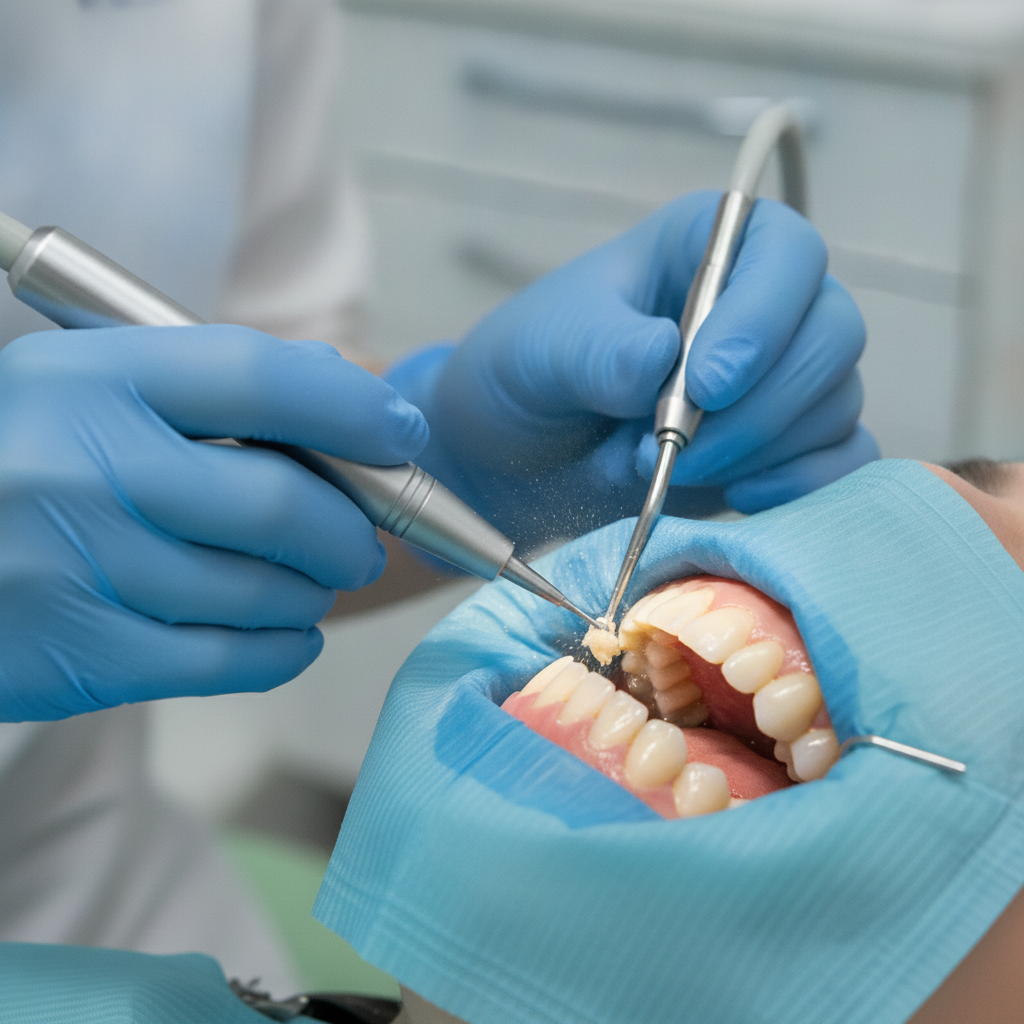
Dental Scaling
- Manual Instruments: Hand scalers and curettes are used to carefully scrape off tartar from the tooth surface. These instruments are effective for precise removal, especially in sensitive areas or for subgingival calculus.
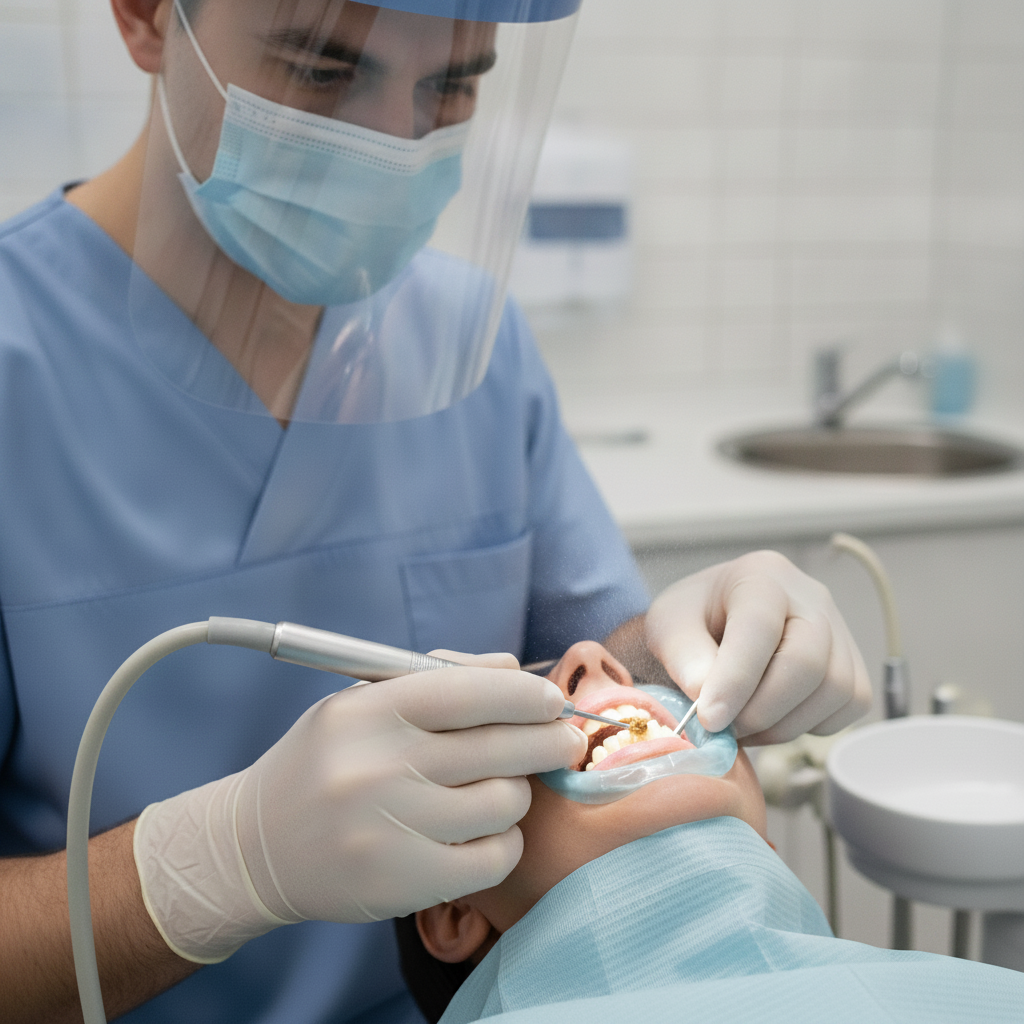
- Ultrasonic Scalers: These devices use high-frequency vibrations to break down tartar, simultaneously spraying water to wash away debris and cool the tip. Ultrasonic scaling is often more efficient for removing large deposits of tartar and can be less abrasive on tooth surfaces.
The scaling process is meticulous, involving careful examination of each tooth surface to ensure all deposits are removed. Local anesthesia may be used for patients with sensitive gums or significant tartar buildup to ensure comfort during the procedure.
Root Planing
If tartar has spread below the gum line and caused gum inflammation or periodontitis, root planing may be necessary. This procedure involves smoothing the root surfaces of the teeth to remove bacterial toxins and rough spots. These rough spots can accumulate bacteria and make it difficult for the gums to reattach to the tooth surface. By smoothing the root, it discourages future plaque accumulation and promotes the reattachment of gum tissue, helping to reduce periodontal pockets and improve gum health. Root planing is a deeper cleaning process than standard scaling and may require multiple appointments depending on the severity of the condition.
The Professional Cleaning Process
- Initial Examination: The dentist or hygienist will examine your mouth for signs of cavities, gum disease, and other oral health issues.
- Tartar and Plaque Removal (Scaling): Using manual and/or ultrasonic instruments, all visible plaque and tartar are carefully removed from the tooth surfaces and along the gum line.
- Polishing: After scaling, the teeth are polished using a gritty paste and a high-speed rotating brush. This removes any remaining surface stains and smooths the tooth surface, making it harder for plaque to adhere.
- Fluoride Treatment (Optional): A fluoride treatment may be applied to help strengthen tooth enamel and protect against cavities.
- Oral Hygiene Instructions: The dental professional will often provide personalized advice on improving your brushing and flossing techniques and recommend specific products or strategies for your unique needs.
Regular professional cleanings, typically every six months, are crucial for maintaining a plaque and tartar-free mouth. For individuals prone to significant buildup or those with gum disease, more frequent cleanings might be recommended.
Maintaining a Plaque-Free Smile: Long-Term Strategies
- Consistency in Home Care: Reiterate the daily routine of brushing twice and flossing once. The effectiveness of these habits diminishes significantly if not performed consistently.
- Dietary Awareness: Continue to be mindful of your intake of sugary and acidic foods and beverages. If consumed, try to rinse your mouth with water afterward to help neutralize acids.
- Stay Hydrated: Drinking plenty of water supports saliva production, which is a natural defense mechanism against plaque.
- Avoid Tobacco Products: Smoking and chewing tobacco are significant risk factors for plaque and tartar buildup, gum disease, and various oral cancers. Quitting can dramatically improve oral health.
- Regular Dental Appointments: Adhere to the recommended schedule for professional cleanings and check-ups. These appointments are not just for cleaning but also for early detection of any emerging issues. Your dentist can spot early signs of plaque buildup that you might miss.
- Use Recommended Products: Follow your dentist’s recommendations for specific toothpastes (e.g., those for sensitive teeth or advanced plaque control), mouthwashes, or interdental cleaning tools like interdental brushes or water flossers, which can be highly effective for specific needs.
By integrating these strategies into your daily life, you can significantly reduce the risk of plaque and tartar accumulation, thereby safeguarding your oral health and contributing to your overall well-being. Preventing these common dental issues is far easier and less costly than treating the complications they cause. Further information on dental plaque and its effects can be found through authoritative resources such as Wikipedia. Empower yourself with knowledge and proactive dental care to ensure a radiant and healthy smile for years to come.