How to Prevent Gum Disease
How to Prevent Gum Disease
Gum disease, a prevalent condition affecting millions worldwide, is a serious inflammatory disease that impacts the tissues surrounding your teeth. Often starting subtly, it can progress from mild inflammation (gingivitis) to a more severe form (periodontitis) that can lead to tooth loss and broader health complications if left unaddressed. Proactive prevention is not just about maintaining a beautiful smile; it is a critical component of overall systemic health. Understanding the underlying causes and implementing effective preventative measures are key to safeguarding your oral well-being and, by extension, your general health. This comprehensive guide will delve into the essential strategies and practices necessary to keep gum disease at bay and ensure your gums remain healthy for years to come.

Understanding Gum Disease: What It Is and Why It Matters
Gum disease, medically known as periodontal disease, begins when plaque—a sticky film of bacteria—builds up on teeth. This plaque contains bacteria that produce toxins irritating the gum tissue.
The initial stage of gum disease is **gingivitis**. At this point, the gums may become red, swollen, and bleed easily, especially during brushing or flossing. Crucially, gingivitis is reversible with good oral hygiene and professional cleaning. There is typically no bone loss at this stage, meaning the damage is not yet permanent.
If gingivitis is not treated, it can advance to **periodontitis**. In this more severe stage, the plaque spreads below the gum line, and the bacteria begin to create pockets between the gums and teeth. These pockets become infected, and the body’s immune response, combined with bacterial toxins, starts to break down the bone and connective tissue that hold teeth in place. As the disease progresses, these pockets deepen, more gum tissue and bone are destroyed, and teeth may loosen, shift, or even fall out. Periodontitis is a chronic condition that, once established, requires ongoing management and is often irreversible in terms of tissue and bone loss. The systemic implications are also significant, with research linking periodontitis to conditions like heart disease, diabetes, and stroke. Therefore, preventing its onset is paramount.
Causes and Risk Factors for Gum Disease
While plaque is the direct cause, several factors can increase an individual’s susceptibility to gum disease:
- Poor Oral Hygiene: Inadequate brushing and flossing allow plaque to accumulate and harden into tartar (calculus), which cannot be removed by brushing alone.
- Smoking and Tobacco Use: Smoking is one of the most significant risk factors for developing severe gum disease. It weakens the immune system, making it harder to fight off gum infections, and interferes with blood flow to the gums, impairing healing.
- Hormonal Changes: Hormonal fluctuations during pregnancy, puberty, menopause, or menstruation can make gums more sensitive and prone to inflammation.
- Genetics: Some people are genetically predisposed to gum disease, making them more vulnerable despite good oral hygiene.
- Certain Medications: Some drugs, such as certain antidepressants, antihistamines, and those for heart conditions, can reduce saliva flow, which acts as a natural cleanser for the mouth. Others can cause abnormal gum tissue growth.
- Systemic Diseases: Conditions that impair the immune system, like diabetes, HIV/AIDS, or certain autoimmune diseases, can increase the risk of gum disease.
- Poor Nutrition: A diet lacking essential nutrients can weaken the immune system and make it harder for gum tissue to fight infection.
- Stress: Stress can compromise the immune system, making it more difficult for the body to fight off infections, including gum disease.
Addressing these risk factors, where possible, is an integral part of an effective prevention strategy. For instance, quitting smoking offers immense benefits not just for oral health but for overall health.
How to Prevent Gum Disease Through Daily Oral Hygiene
The cornerstone of gum disease prevention lies in a diligent and consistent daily oral hygiene routine. This involves more than just brushing; it requires a comprehensive approach to remove plaque and food particles effectively.
Effective Brushing Techniques
Brushing plays a critical role in removing plaque and food debris from the surfaces of your teeth and along the gum line. To ensure maximum effectiveness:
- Brush Twice Daily: Aim for at least two minutes each time, ideally after breakfast and before bed.
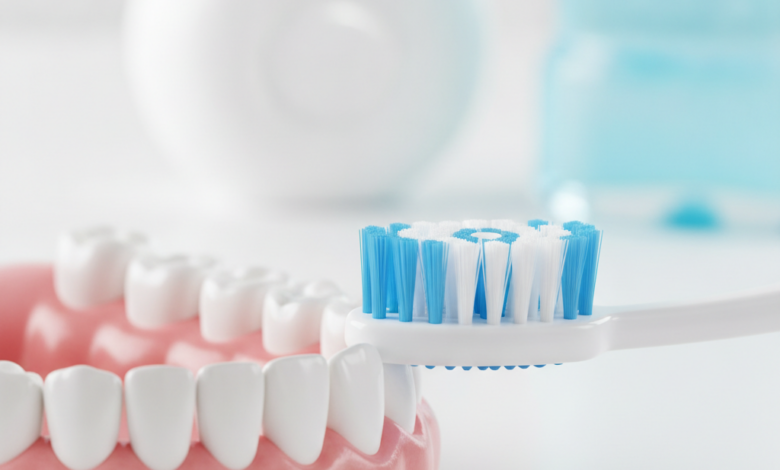
- Use a Soft-Bristled Brush: Hard bristles can damage gum tissue and tooth enamel. Electric toothbrushes with oscillating or sonic technology are often more effective at removing plaque.
- Angle Your Brush: Hold your toothbrush at a 45-degree angle to the gums, allowing the bristles to reach beneath the gum line where plaque tends to accumulate.
- Gentle, Circular Strokes: Brush gently using short, circular motions. Avoid aggressive scrubbing, which can lead to gum recession and tooth sensitivity.
- Cover All Surfaces: Ensure you clean the outer, inner, and chewing surfaces of all your teeth. Don’t forget to gently brush your tongue to remove bacteria and freshen breath.
- Replace Your Brush: Change your toothbrush every three to four months, or sooner if the bristles become frayed.
The Undeniable Importance of Flossing
Brushing alone only cleans about 60% of your tooth surfaces. The remaining 40%—the areas between your teeth and under the gum line—are cleaned through flossing. This is where a significant amount of plaque and food particles can hide, leading directly to gum inflammation. Flossing helps to dislodge these hidden culprits before they can cause harm. For a detailed understanding of how flossing contributes to oral health, explore why flossing is important for your oral health. To floss effectively:
- Floss Daily: Make it a habit to floss at least once a day, preferably before brushing, as this allows the fluoride from your toothpaste to reach the newly cleaned interdental spaces.
- Use Enough Floss: Take about 18 inches of floss and wrap most of it around your middle fingers, leaving a small section to work with.
- Gentle C-Shape: Guide the floss between your teeth, gently curving it into a C-shape against one tooth. Slide it up and down against the tooth surface, moving below the gum line. Repeat for the adjacent tooth.
- Use a Clean Section: As you move from tooth to tooth, unroll a fresh section of floss to avoid transferring bacteria.
- Consider Alternatives: If traditional flossing is difficult, consider interdental brushes, water flossers, or floss picks, which can be equally effective.
Using Mouthwash Wisely
While not a substitute for brushing and flossing, therapeutic mouthwashes can complement your oral hygiene routine. Look for antiseptic mouthwashes containing ingredients like chlorhexidine (for prescription use) or essential oils, which can help reduce plaque and gingivitis. Fluoride mouthwashes can also strengthen enamel and reduce the risk of cavities. Use mouthwash according to product instructions, usually once or twice a day after brushing and flossing.
Nutritional Impact on Gum Health
Your diet plays a significant role in the health of your gums. A balanced diet rich in vitamins and minerals supports your immune system, helping your body fight off infections.
- Vitamin C: Essential for healthy gums and wound healing. Found in citrus fruits, bell peppers, and broccoli.
- Calcium: Strengthens teeth and bones, including the jawbone that supports your teeth. Found in dairy products, leafy greens, and fortified foods.
- Antioxidants: Help protect gum tissue from damage caused by inflammation. Found in fruits, vegetables, and green tea.
- Limit Sugary and Acidic Foods: These can contribute to plaque formation and erode enamel, creating an environment conducive to gum disease and decay.
- Stay Hydrated: Drinking plenty of water helps rinse away food particles and bacteria, stimulates saliva production, and neutralizes acids.
Lifestyle Choices and Gum Disease
Beyond diet, certain lifestyle choices significantly impact your susceptibility to gum disease. The most critical among these is tobacco use. Quitting smoking is arguably the single most impactful action you can take to reduce your risk of gum disease, improve treatment outcomes, and enhance overall health. Managing stress through relaxation techniques, exercise, and sufficient sleep can also support your immune system, making it better equipped to combat oral infections.
The Role of Professional Dental Care
Even with the most meticulous home care, professional intervention is indispensable for complete gum disease prevention and management.
Regular Check-ups and Cleanings
Routine dental check-ups, typically every six months, are vital. During these visits, your dentist or hygienist will perform a thorough examination of your teeth and gums, checking for signs of gingivitis or periodontitis. They will also conduct a professional cleaning, which involves scaling to remove plaque and tartar buildup from above and below the gum line. This is crucial because tartar cannot be removed by brushing or flossing alone and provides a rough surface for more plaque to adhere to, perpetuating the cycle of gum disease. Early detection and intervention during these visits can prevent minor issues from escalating into serious problems. Your dental professional can also provide personalized advice on your oral hygiene routine, address any specific concerns, and recommend additional treatments if necessary. According to the National Institute of Dental and Craniofacial Research, regular dental visits are key to preventing oral diseases. For more information, please consult authoritative sources like PubMed regarding the prevention of periodontal diseases.
Recognizing Early Signs and When to Seek Help
Being aware of the early warning signs of gum disease can prompt timely action. If you experience any of the following symptoms, it’s crucial to schedule an appointment with your dentist promptly:
- Red, swollen, or tender gums
- Gums that bleed easily during brushing or flossing
- Persistent bad breath (halitosis)
- Receding gums, making teeth appear longer
- Pus between your teeth and gums
- Loose or shifting teeth
- Changes in the way your teeth fit together when you bite
- Changes in the fit of partial dentures
Early detection allows for less invasive and more effective treatment, often reversing gingivitis and managing early periodontitis before significant damage occurs. Delaying treatment can lead to more complex procedures and potentially irreversible consequences.
Long-Term Benefits of Proactive Gum Care

Investing time and effort in preventing gum disease yields significant long-term benefits beyond just a healthy mouth. A proactive approach safeguards your teeth, ensuring they remain strong and functional throughout your life, thereby preventing the need for costly and extensive dental treatments down the line. Moreover, maintaining healthy gums contributes positively to your overall health, reducing the risk of systemic diseases linked to oral infections. It also enhances your confidence with fresh breath and a radiant smile. Ultimately, preventing gum disease is an essential aspect of preventative healthcare, contributing to a better quality of life and sustained well-being.