How Sugar Affects Your Teeth
How Sugar Affects Your Teeth
Sugar, a ubiquitous component of our modern diet, is often enjoyed for its ability to sweeten foods and provide quick energy. However, its pervasive presence poses a significant threat to oral health, impacting teeth and gums in ways that extend far beyond a simple sweet taste. Understanding the intricate mechanisms through which sugar causes dental damage is the first step towards protecting your smile and maintaining optimal oral hygiene. This comprehensive guide will delve into the science of sugar’s impact, explore its various manifestations of harm, and outline effective strategies for prevention and treatment, positioning you with the knowledge to safeguard your dental well-being.
The Science Behind Sugar’s Attack on Teeth
The relationship between sugar and dental decay is not a direct one where sugar itself erodes teeth. Instead, it’s an indirect process mediated by the complex ecosystem within your mouth. This interaction, primarily driven by bacteria, acids, and minerals, dictates the fate of your tooth enamel.
Oral Bacteria and Acid Production
Your mouth is home to a vast community of microorganisms, some of which are beneficial, while others can be detrimental. Among the latter are specific types of bacteria, most notably *Streptococcus mutans* and *Lactobacillus*, which thrive on sugars. When you consume sugary foods or drinks, these bacteria rapidly metabolize the sugars. The byproduct of this metabolic process is acid. The more sugar available, the more acid these bacteria produce. This acidic environment is the primary culprit in dental damage.
Enamel Demineralization and Cavity Formation
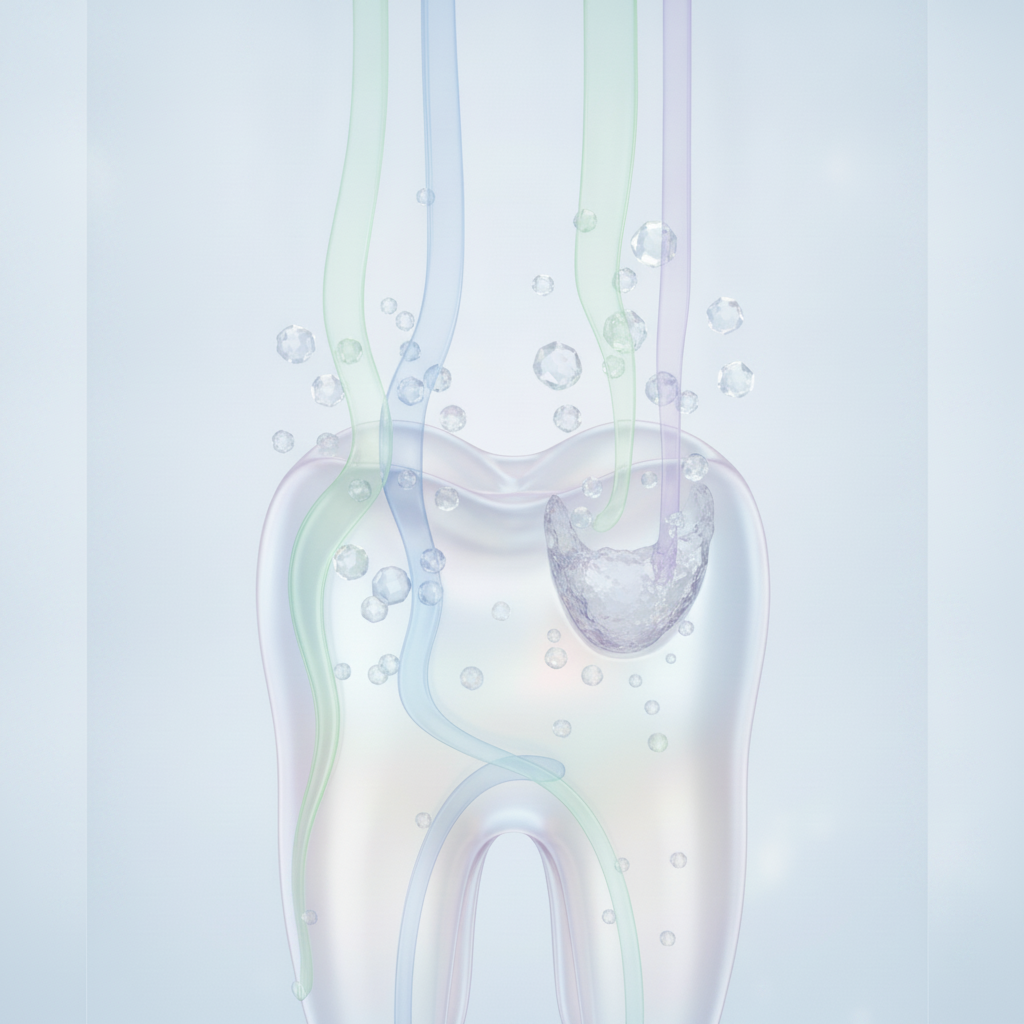
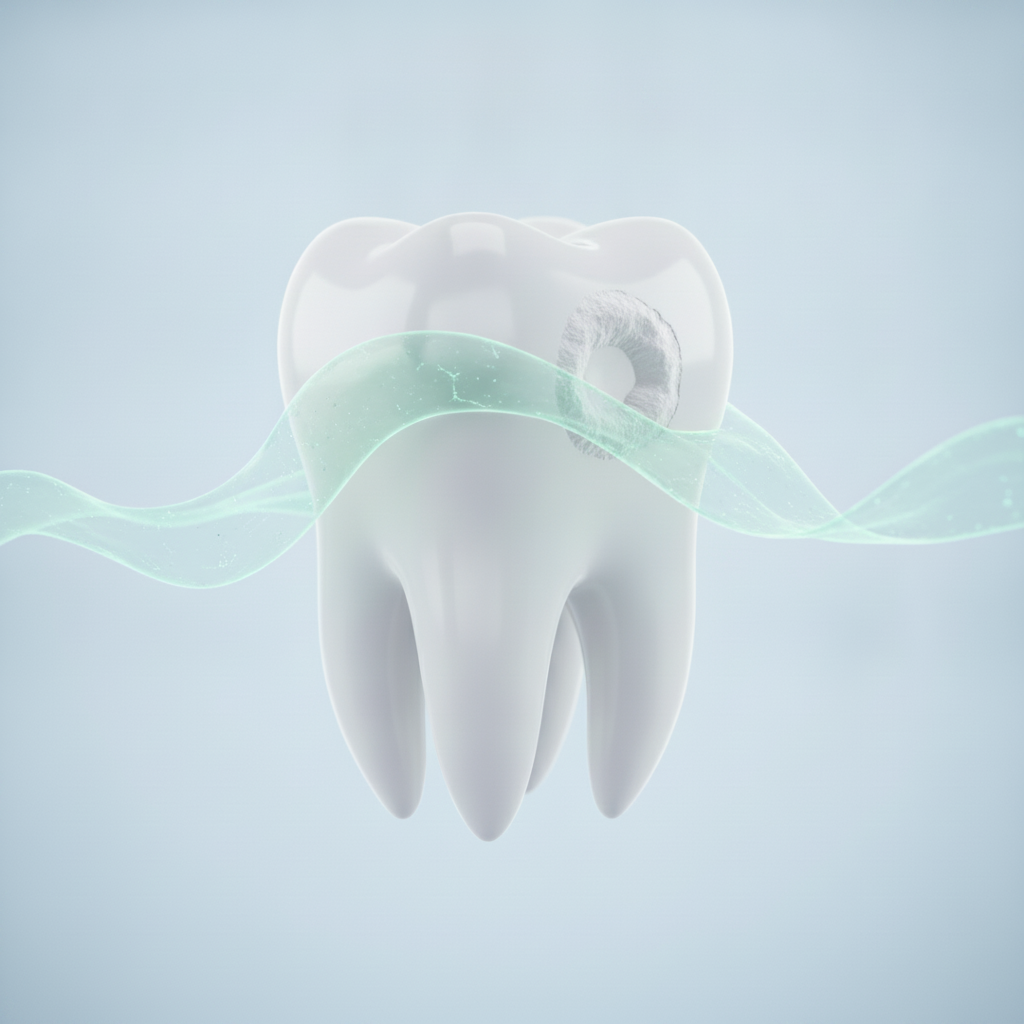
Tooth enamel, the hard, protective outer layer of your teeth, is the strongest substance in the human body. It is primarily composed of minerals, mainly hydroxyapatite. When the acids produced by bacteria come into contact with enamel, they begin to dissolve these minerals in a process called demineralization. This weakens the enamel, making it more porous and vulnerable.
Normally, saliva helps to neutralize these acids and contains minerals (calcium and phosphate) that can remineralize the enamel, repairing minor damage. However, if sugar consumption is frequent, or if the duration of acid exposure is prolonged, saliva’s natural defenses can be overwhelmed. Persistent demineralization without adequate remineralization leads to a net loss of tooth structure. Over time, this constant acid attack creates tiny holes in the enamel, which eventually enlarge into what we commonly know as cavities or dental caries. These cavities are permanent damage that requires professional dental intervention to prevent further decay and potential infection.
Beyond Cavities: Sugar’s Impact on Overall Oral Health
While cavities are the most well-known consequence of excessive sugar intake, the detrimental effects extend to other aspects of oral health, potentially leading to more complex and painful conditions.
Sugar and Gum Disease
The same bacteria that cause tooth decay can also contribute to gum disease, or periodontal disease. When plaque, a sticky film of bacteria, sugar, and food particles, accumulates along the gumline, it irritates the gums. This irritation can lead to gingivitis, the earliest stage of gum disease, characterized by red, swollen, and bleeding gums. If left untreated, gingivitis can progress to periodontitis, a more severe form where the gums pull away from the teeth, forming pockets that become infected. This can damage the bone and connective tissues supporting the teeth, potentially leading to tooth loss. High sugar intake exacerbates inflammation throughout the body, including the gums, making them more susceptible to bacterial infection and delaying healing.
Increased Tooth Sensitivity and Erosion Risks
Frequent exposure to acids from sugar consumption not only leads to cavities but can also cause generalized enamel erosion. Unlike demineralization which leads to localized holes, erosion is a broader wearing away of the enamel surface. As enamel thins, the underlying dentin, which contains microscopic tubules leading to the tooth’s nerve, becomes exposed. This exposure can result in increased tooth sensitivity, especially to hot, cold, sweet, or acidic foods and drinks. Furthermore, eroded enamel provides less protection against physical wear and tear, making teeth more prone to chipping and cracking.
How Sugar Affects Your Teeth: Understanding Intake and Habits
The extent of sugar’s harm is not just about *how much* sugar you consume, but also *what kind* of sugar and *how often* you consume it. Understanding these factors is crucial for minimizing risk.
Distinguishing Harmful Sugars
Not all sugars are created equal in terms of their impact on oral health. Simple sugars, particularly sucrose (table sugar), glucose, and fructose, are readily metabolized by oral bacteria. These are found in obvious culprits like candies, sodas, and desserts, but also in less apparent sources such as processed foods, sweetened yogurts, and fruit juices. Starches, like those in bread and chips, can also break down into simple sugars in the mouth, contributing to acid production. The key is to be mindful of both obvious and hidden sugars in your diet. Many processed foods contain added sugars under various names (e.g., corn syrup, maltose, dextrose), requiring careful label reading.
The Critical Role of Consumption Frequency
Perhaps even more critical than the total quantity of sugar is the frequency of sugar exposure. Each time you consume sugar, the acidic environment in your mouth is triggered, and demineralization begins. It takes approximately 20-30 minutes for saliva to neutralize the acids and start the remineralization process. If you continuously snack on sugary foods or sip on sugary drinks throughout the day, your teeth are subjected to a constant acid attack, giving them little to no chance to recover. This prolonged acid exposure significantly increases the risk of decay and erosion compared to consuming the same amount of sugar during mealtimes, followed by periods of recovery.
Comprehensive Prevention: Strategies to Protect Your Smile
Protecting your teeth from the detrimental effects of sugar requires a multi-faceted approach, combining meticulous oral hygiene, smart dietary choices, and regular professional dental care.
Essential Daily Oral Hygiene Practices
The foundation of strong oral health lies in consistent and effective daily hygiene.
* **Brush Twice Daily:** Brush your teeth for at least two minutes, twice a day, using a fluoride toothpaste. Ensure you cover all surfaces of your teeth and gums.
* **Floss Daily:** Flossing at least once a day removes plaque and food particles from between teeth and under the gumline, areas your toothbrush can’t reach. This is crucial for preventing interdental decay and gum disease.
* **Use Mouthwash:** An antimicrobial or fluoride mouthwash can provide an extra layer of protection by reducing bacteria and strengthening enamel, though it should not replace brushing and flossing.
Dietary Strategies for a Healthier Mouth
Making conscious food and drink choices can significantly reduce your vulnerability to sugar’s effects.
* **Reduce Sugar Intake:** Be mindful of both obvious and hidden sugars. Limit consumption of sugary drinks, candies, pastries, and highly processed foods.
* **Opt for Whole Foods:** Prioritize fruits, vegetables, lean proteins, and whole grains. These foods are generally low in added sugars and provide essential nutrients for oral and overall health.
* **Choose Water:** Make water your primary beverage. It helps rinse away food particles and acids and promotes saliva production.
* **Chew Sugar-Free Gum:** Chewing sugar-free gum after meals stimulates saliva flow, which helps neutralize acids and wash away food debris.
* **Time Your Sweets:** If you indulge in a sweet treat, do so during a meal rather than as a standalone snack. This minimizes the frequency of acid attacks.
For more detailed information on preventing tooth decay, consider exploring resources on how to prevent tooth decay naturally.
The Benefits of Fluoride and Professional Care
Fluoride is a natural mineral that plays a vital role in strengthening tooth enamel and making it more resistant to acid attacks. It works by integrating into the enamel structure, enhancing remineralization and even reversing early stages of decay.
* **Fluoride Toothpaste:** Using fluoride toothpaste is the easiest way to ensure daily fluoride exposure.
* **Fluoridated Water:** Many communities add fluoride to their public water supply, providing a systemic benefit.
* **Professional Fluoride Treatments:** Your dentist can apply high-concentration fluoride varnishes or gels during routine check-ups, especially if you’re at high risk for cavities.
Regular visits to your dentist are indispensable for maintaining optimal oral health. Dentists can identify early signs of decay or gum disease, offer preventive treatments like dental sealants (which protect the chewing surfaces of molars from bacteria and food particles), and perform professional cleanings to remove plaque and tartar buildup that cannot be removed by brushing and flossing alone. These routine appointments are your best defense against the long-term damage sugar can inflict.
Professional Dental Care for Sugar-Related Damage
Despite the best preventive efforts, sugar’s impact can sometimes lead to dental problems that require professional intervention. Modern dentistry offers a range of effective treatments to restore dental health and function.
* **Fillings:** For cavities that have already formed, dental fillings are the most common treatment. The decayed part of the tooth is removed, and the space is filled with a restorative material such as composite resin (tooth-colored), amalgam, or porcelain.
* **Dental Crowns:** If a tooth has extensive decay or damage, a dental crown may be necessary. A crown is a custom-made cap that covers the entire visible portion of the tooth, restoring its shape, strength, and appearance.
* **Root Canal Therapy:** In cases where decay has reached the tooth’s pulp (the innermost part containing nerves and blood vessels), a root canal may be required to remove the infected pulp, clean the inside of the tooth, and seal it to prevent further infection.
* **Extractions:** If a tooth is too severely damaged by decay to be saved, extraction may be the only option. Following extraction, various solutions like dental implants or bridges can be considered to restore the missing tooth.
* **Gum Disease Treatment:** For gum disease, treatments range from deep cleaning procedures (scaling and root planing) to more advanced periodontal therapies, depending on the severity of the condition.
The destructive relationship between sugar and your teeth is well-established, rooted in the biochemical processes of oral bacteria and acid production. From the formation of cavities to the progression of gum disease and enamel erosion, sugar’s effects are far-reaching. However, armed with knowledge and committed to preventive strategies, you possess the power to mitigate these risks. By understanding the science, making informed dietary choices, adhering to a rigorous oral hygiene routine, and maintaining regular professional dental care, you can ensure a healthier, brighter smile for years to come. Remember, your proactive efforts today are an investment in your long-term oral well-being. For further scientific insights into dental caries, you may consult sources such as the National Center for Biotechnology Information at ncbi.nlm.nih.gov.