How to Prevent Tooth Decay Naturally
How to Prevent Tooth Decay Naturally
Tooth decay, commonly known as cavities, is one of the most prevalent chronic diseases worldwide, affecting individuals of all ages. While modern dentistry offers numerous solutions for treating decay, the proactive approach of prevention, especially through natural methods, remains the most effective strategy for maintaining optimal oral health. Understanding the root causes of tooth decay and implementing consistent, natural preventative measures can significantly reduce the risk of cavities, preserving the integrity and longevity of your smile. This comprehensive guide explores various natural strategies and lifestyle adjustments that empower you to take control of your oral health and prevent tooth decay naturally.
Understanding Tooth Decay: The Basics
Before delving into prevention, it’s essential to understand what tooth decay is and how it develops. Tooth decay is the destruction of tooth enamel, the hard, outer layer of your teeth. This damage occurs when bacteria in your mouth produce acids that erode the enamel.
What is Tooth Decay and How Does It Form?
Tooth decay begins with dental plaque, a sticky, colorless film of bacteria that constantly forms on your teeth. When you consume sugary or starchy foods and drinks, these bacteria feed on the carbohydrates and produce acids as a byproduct. These acids then attack your tooth enamel, causing it to lose minerals in a process called demineralization. Over time, if this demineralization continues without adequate remineralization (the natural process where minerals like calcium and phosphate are redeposited onto the enamel), a small hole or cavity can form. Left untreated, a cavity can grow deeper, affecting the dentin and even the pulp, leading to pain, infection, and potential tooth loss.
The Role of Plaque, Bacteria, and Diet
The primary culprits in tooth decay are specific types of bacteria, mainly *Streptococcus mutans*, which thrive in acidic environments. These bacteria adhere to the tooth surface, forming plaque. Your diet plays a critical role; frequent consumption of sugars and refined carbohydrates provides a constant food source for these bacteria, leading to a continuous acid attack. Saliva, however, acts as a natural buffer, neutralizing acids and washing away food particles, while also delivering minerals to help repair early enamel damage. A balanced approach that addresses bacterial activity, dietary habits, and leverages natural protective mechanisms is key to preventing decay.
Dietary Habits to Prevent Tooth Decay Naturally
Your diet is perhaps the most significant natural tool you have in the fight against tooth decay. What you eat and drink directly impacts the oral environment and the health of your teeth.
Limiting Sugary and Acidic Foods
The correlation between sugar consumption and tooth decay is undeniable. Sugars feed the acid-producing bacteria in plaque, leading to enamel erosion. To prevent tooth decay naturally, it is crucial to:
- Reduce intake of added sugars: Minimize consumption of candies, cookies, cakes, and other desserts.
- Avoid sugary drinks: Sodas, fruit juices (even natural ones can be high in sugar and acid), and sweetened teas bathe your teeth in sugar, creating an ideal breeding ground for bacteria.
- Be mindful of hidden sugars: Many processed foods, condiments, and snacks contain surprisingly high amounts of sugar. Read food labels carefully.
- Limit acidic foods and drinks: Citrus fruits, vinegar, and certain carbonated beverages can directly erode enamel, making teeth more susceptible to decay. If consumed, do so in moderation and consider rinsing your mouth with water afterward.
Incorporating Enamel-Strengthening Nutrients
A diet rich in certain vitamins and minerals can help strengthen your teeth from within and support the natural remineralization process.
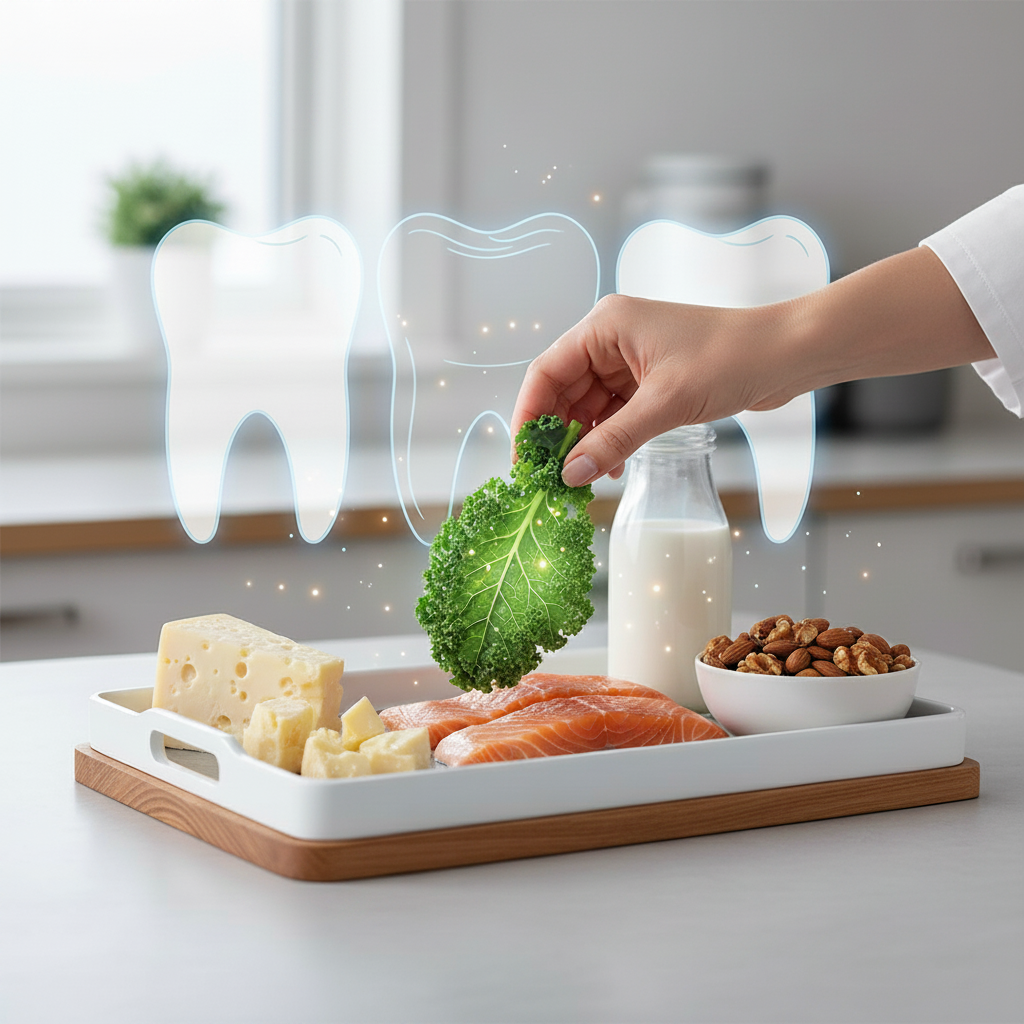
- Calcium and Phosphorus: Found abundantly in dairy products (milk, cheese, yogurt), leafy green vegetables (kale, spinach), and nuts, these minerals are crucial building blocks of enamel.
- Vitamin D: Essential for the absorption of calcium, Vitamin D can be obtained from sun exposure, fatty fish, and fortified foods.
- Vitamin K2: Works synergistically with vitamins A and D to ensure calcium is deposited in the teeth and bones, rather than soft tissues. Found in grass-fed dairy, egg yolks, and certain fermented foods.
- Fibrous Fruits and Vegetables: Crunchy fruits and vegetables like apples, carrots, and celery act as natural toothbrushes, scrubbing away plaque and stimulating saliva flow. Their high water content also helps wash away food particles.
The Importance of Water Consumption
Water is a natural wonder for oral health. Drinking plenty of water, especially after meals and snacks, helps to:
- Rinse away food particles: It physically cleanses the mouth, dislodging debris that bacteria could feast on.
- Stimulate saliva production: Saliva is your mouth’s natural defense against decay, neutralizing acids and delivering vital minerals to your enamel.
- Stay hydrated: Dry mouth, often caused by certain medications or insufficient fluid intake, can significantly increase the risk of tooth decay.
Choosing water over sugary beverages is one of the simplest yet most effective ways to support natural tooth decay prevention.
Effective Oral Hygiene for Natural Decay Prevention
While diet lays the foundation, diligent oral hygiene practices are the frontline defense against plaque and acids.
Mastering Brushing Techniques
Effective brushing is about more than just scrubbing. It’s about technique.
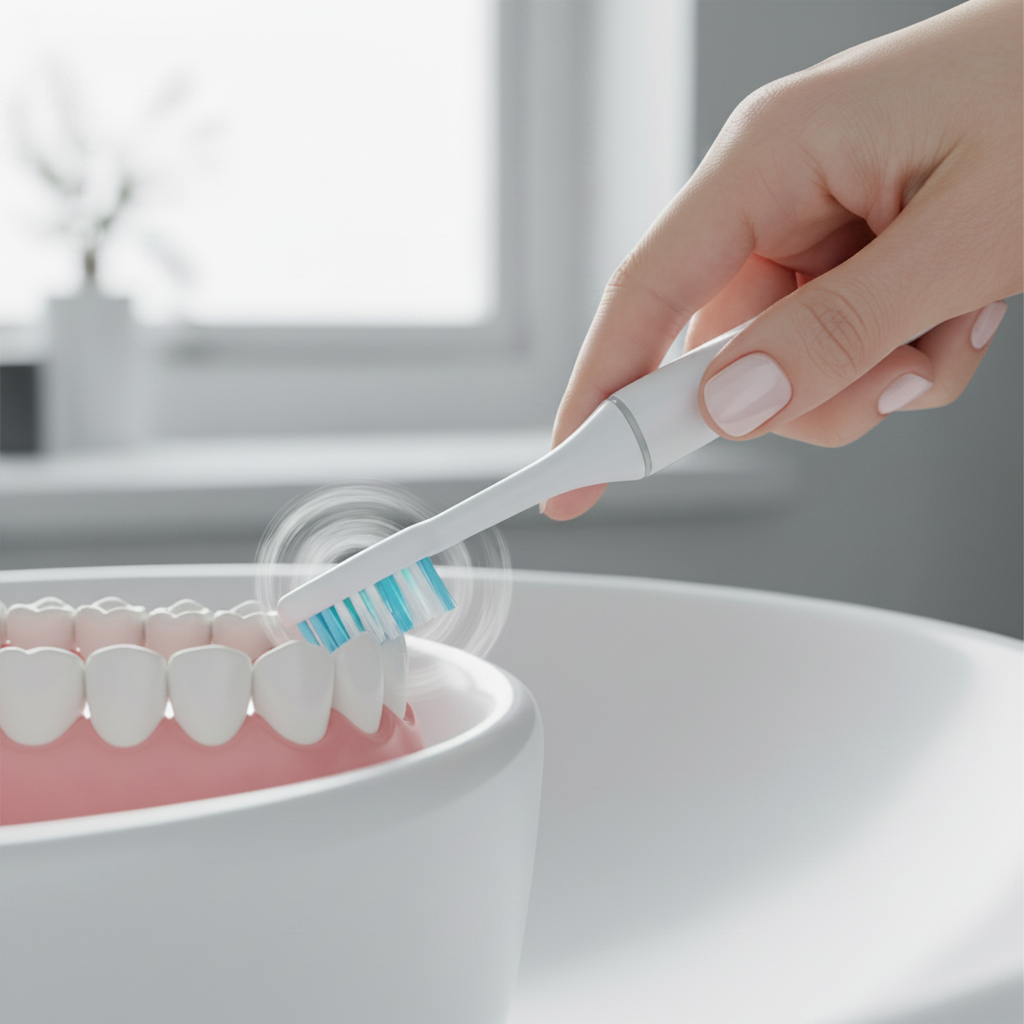
- Brush twice daily: Use a soft-bristled toothbrush and brush for at least two minutes in the morning and before bed.
- Proper angle: Hold your toothbrush at a 45-degree angle to the gumline, gently brushing in short, circular motions.
- Cover all surfaces: Ensure you clean the outer, inner, and chewing surfaces of all teeth. Don’t forget to gently brush your tongue to remove bacteria and freshen breath.
- Choose natural toothpastes: Consider toothpastes that use natural ingredients and avoid harsh chemicals. Some may contain xylitol or other natural cavity-fighting components.
For more comprehensive guidance on daily oral care, consider these dentist-recommended oral hygiene tips.
The Non-Negotiable Act of Flossing
Brushing alone can only reach about 60% of your tooth surfaces. Flossing is crucial for removing plaque and food particles from between your teeth and under the gumline, areas where tooth decay often begins.
- Floss daily: Make flossing a consistent part of your routine, ideally before brushing in the evening.
- Proper technique: Use about 18 inches of floss, wrapping most around one middle finger, the rest around the other. Guide the floss between teeth, using a gentle rubbing motion. Curve the floss around each tooth in a “C” shape and slide it beneath the gumline.
Consideration of Natural Mouthwashes and Oral Rinses
While not a substitute for brushing and flossing, certain natural rinses can provide additional benefits.
- Saltwater rinse: A simple rinse with warm salt water can help reduce bacteria, soothe gums, and promote healing. Mix half a teaspoon of salt in a glass of warm water.
- Xylitol rinses: Xylitol, a natural sugar alcohol, can inhibit the growth of *Streptococcus mutans* bacteria, making it a valuable addition to some natural mouthwashes or as a standalone rinse.
Boosting Oral Health with Natural Allies and Lifestyle Choices
Beyond diet and hygiene, several other natural elements and lifestyle adjustments can significantly contribute to preventing tooth decay.
Saliva: Your Body’s Natural Defense Mechanism
Saliva is truly a superhero of oral health. It continually washes away food particles and acids, contains minerals that remineralize enamel, and possesses antibacterial properties.
- Stay hydrated: As mentioned, adequate water intake is vital for saliva production.
- Chew sugar-free gum with xylitol: Chewing stimulates saliva flow, and xylitol provides an added antibacterial benefit.
- Address dry mouth: If you suffer from chronic dry mouth (xerostomia), consult your dentist. They can recommend strategies or products to help manage it.
The Benefits of Xylitol and Other Natural Sweeteners
Xylitol is a natural sugar alcohol found in many fruits and vegetables. Unlike sugar, xylitol is not fermented by oral bacteria, meaning they cannot produce acid from it. In fact, studies suggest xylitol can even reduce the levels of cavity-causing bacteria in the mouth.
- Use xylitol in moderation: Incorporate xylitol-sweetened products like chewing gum, mints, or even as a sugar substitute in your diet.
- Other natural sweeteners: Stevia and erythritol are other natural sweeteners that do not contribute to tooth decay, offering healthier alternatives to sugar.
Lifestyle Adjustments for a Healthier Mouth
Your broader lifestyle choices also impact your oral health.
- Avoid tobacco products: Smoking and chewing tobacco increase the risk of gum disease and can contribute to dry mouth, making teeth more vulnerable to decay.
- Manage stress: Stress can lead to habits like teeth grinding (bruxism), which can wear down enamel and make teeth more susceptible to damage.
A holistic approach to well-being naturally extends to a healthier mouth. For a deeper understanding of the mechanisms behind tooth decay and prevention, further scientific information is available from reputable sources such as the National Center for Biotechnology Information (NCBI).
Integrating Professional Care with Natural Prevention Efforts
While natural methods are incredibly powerful, they are most effective when combined with regular professional dental care.
Why Regular Dental Check-ups Are Crucial
Even with the most diligent natural prevention efforts, regular visits to your dentist are indispensable.
- Early detection: Dentists can identify early signs of demineralization or small cavities before they become major problems.
- Professional cleaning: Dental hygienists can remove hardened plaque (tartar) that brushing and flossing cannot, preventing further buildup and decay.
- Personalized advice: Your dentist can provide tailored advice on your specific oral health needs, recommend the best natural strategies for you, and suggest professional treatments like fluoride applications or sealants if necessary.
Addressing Existing Issues and Preventing Future Ones
Professional dental care ensures that any existing decay is treated promptly, preventing it from spreading or causing more severe issues. Your dentist is also an invaluable resource for education on proper techniques and the latest advancements in preventive care, empowering you to make informed decisions about your natural oral hygiene routine.
By combining consistent, natural preventative measures with the expert guidance and care of your dental professional, you establish the strongest possible defense against tooth decay, ensuring a healthy, radiant smile for years to come.