The Cost of Veneers in Canada Explained
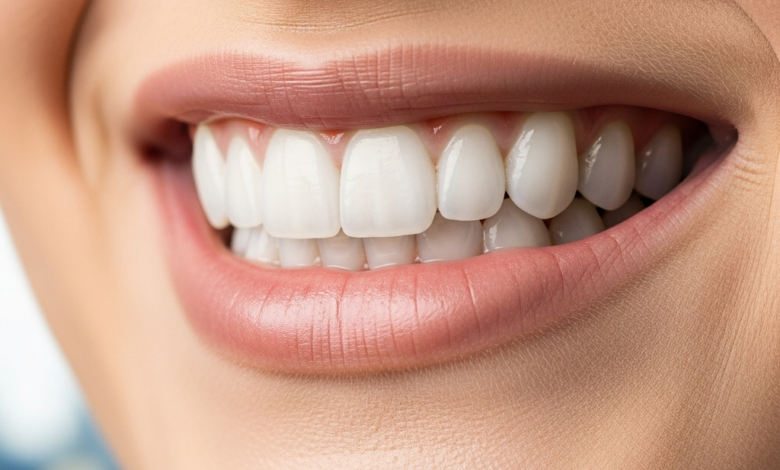
Before analyzing the costs, it is crucial to understand the two main types of dental veneers available: porcelain and composite. The material choice is the single most significant factor determining the overall price of the treatment. Each type has its own set of advantages, disadvantages, and associated costs.
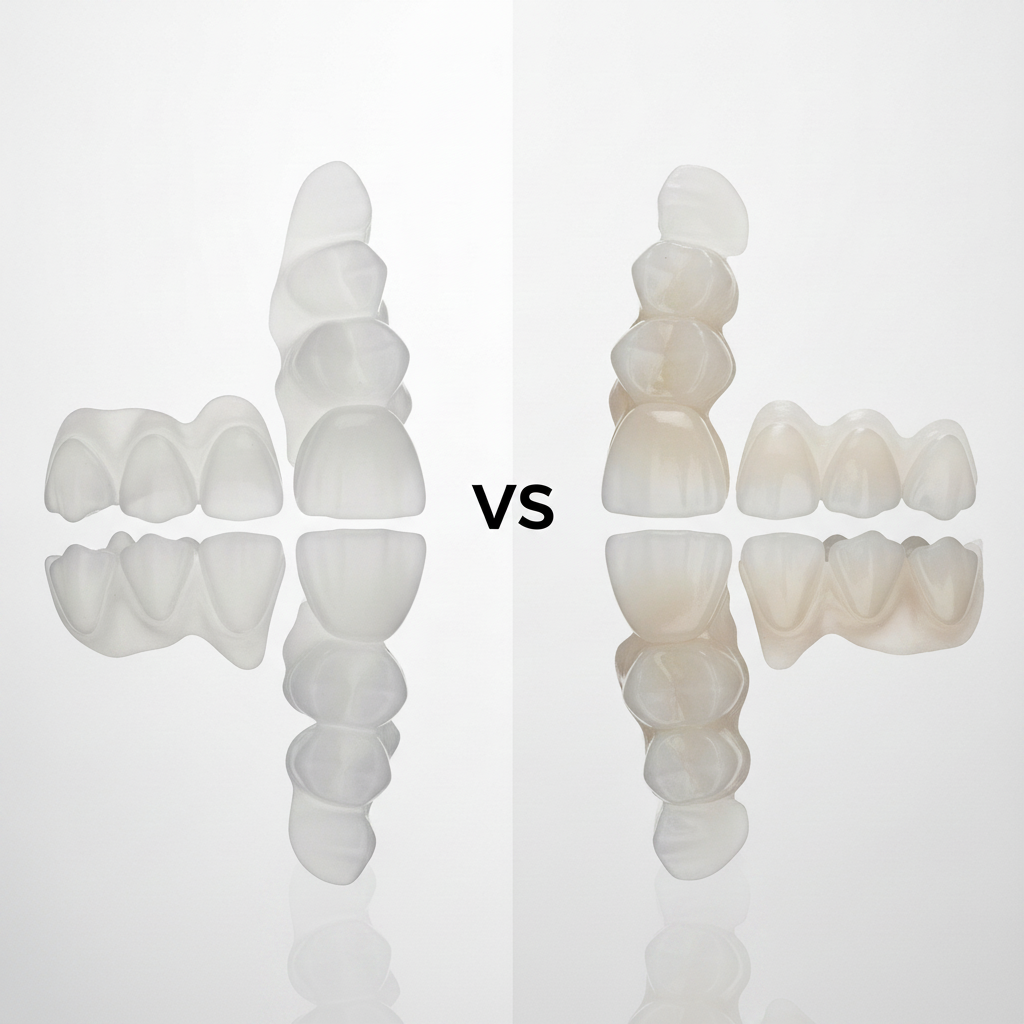
The Cost of Veneers in Canada Explained, a comprehensive guide to understanding the investment required for a perfect smile. Achieving a radiant, flawless smile is a goal for many, and dental veneers stand out as one of the most effective cosmetic dentistry solutions. These thin, custom-made shells are designed to cover the front surface of teeth to improve their appearance. They can correct a wide range of dental imperfections, including chips, cracks, discolouration, and minor misalignments. For Canadians considering this transformative procedure, the primary question often revolves around the financial commitment. The price is not a simple, one-size-fits-all figure; it is influenced by a multitude of factors, from the type of material used to the location of the dental clinic. This article delves into every aspect of veneer costs across Canada, providing a clear picture of what to expect financially.
Understanding the Different Types of Veneers
Porcelain Veneers: The Gold Standard
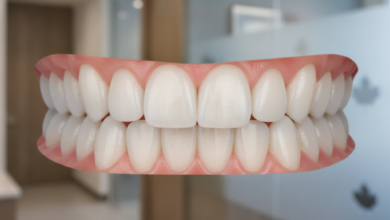
Porcelain veneers are thin shells of medical-grade ceramic that are custom-fabricated in a dental laboratory to fit each patient’s teeth perfectly. They are renowned for their durability and their ability to mimic the light-reflecting properties of natural tooth enamel. This results in a smile that is both beautiful and incredibly natural-looking. The process for porcelain veneers typically requires at least two visits. During the first visit, the dentist prepares the teeth by removing a very small amount of enamel, takes an impression, and places temporary veneers. The impressions are sent to a lab where the permanent veneers are created. On the second visit, the custom veneers are bonded to the teeth.
Key benefits of porcelain veneers include:
- Exceptional Durability: With proper care, they can last for 15 years or more.
- Stain Resistance: Porcelain is a non-porous material, making it highly resistant to staining from coffee, tea, and red wine.
- Natural Aesthetics: They offer the most realistic and natural-looking results available in cosmetic dentistry.
Composite Veneers: The Accessible Alternative
Composite veneers, also known as direct veneers, are made from a tooth-coloured resin material that is applied directly to the tooth’s surface and sculpted into the desired shape by the dentist. This procedure can typically be completed in a single visit, as there is no need for a dental laboratory. The dentist carefully applies the composite material in layers, hardening each layer with a special light before shaping and polishing it to match the surrounding teeth. While they are a more affordable option, composite veneers are not as durable or stain-resistant as their porcelain counterparts and generally have a shorter lifespan.
Key benefits of composite veneers include:
- Lower Cost: They are significantly less expensive than porcelain veneers.
- Single-Visit Procedure: The entire process can often be completed in one appointment.
- Less Invasive: The procedure usually requires less enamel removal compared to porcelain veneers.
Key Factors That Influence the Cost of Veneers in Canada
The price for veneers in Canada can vary dramatically. Understanding the components that contribute to the final bill is essential for anyone budgeting for this procedure. The total cost is a sum of several variables that extend beyond just the material itself.
Material and Laboratory Fees
As discussed, porcelain is more expensive than composite resin. The higher cost of porcelain accounts for the superior material and the intricate work required by a skilled dental technician in a laboratory to craft each custom shell. These lab fees are a significant portion of the total cost and are not a factor in direct composite veneers.
Dentist’s Expertise and Geographic Location
The cost of living and running a business varies significantly across Canadian provinces and even between cities. A dental clinic in downtown Toronto or Vancouver will almost certainly have higher overhead costs than a clinic in a smaller town, and these costs are reflected in their pricing. Furthermore, the experience and reputation of the cosmetic dentist play a crucial role. A highly sought-after dentist with specialized training in cosmetic procedures will command a higher fee for their services, reflecting their level of skill and the quality of their results.
The Scope of the Treatment
The total cost is directly proportional to the number of veneers being placed. A single veneer to fix a chipped tooth will cost far less than a full set of 8 or 10 veneers for a complete smile makeover. Additionally, the complexity of the case matters. If a patient requires significant tooth preparation or has underlying dental issues that must be addressed first, such as cavities or gum disease, these preliminary treatments will add to the overall expense.
A Detailed Breakdown of Veneer Costs
To provide a clearer picture, it is helpful to look at the typical price ranges for veneers and associated services in Canada. These figures are estimates and can fluctuate based on the factors mentioned above. It is always recommended to get a detailed quote from a qualified dentist during a consultation.
| Service or Item | Estimated Cost Range in Canada | Notes |
|---|---|---|
| Initial Consultation | $100 – $300 | Some clinics may credit this fee towards the final treatment cost. |
| Porcelain Veneer (per tooth) | $900 – $2,500+ | Includes material, lab fees, and dentist’s time for preparation and bonding. |
| Composite Veneer (per tooth) | $300 – $1,500 | Cost varies based on the complexity and size of the veneer. No external lab fees. |
| Dental X-Rays / Imaging | $50 – $400 | Necessary for a comprehensive diagnosis and treatment plan. |
| Smile Design/Wax-Up | $200 – $600 | A preview model of what the final smile will look like. Often included in larger cases. |
| Anesthesia/Sedation | $50 – $500+ | Local anesthetic is standard; sedation options for anxious patients add to the cost. |
The Veneer Placement Process and Long-Term Value
The journey to a new smile with veneers involves several precise steps. The process ensures that the final result is not only aesthetically pleasing but also functional and comfortable. Understanding what dental veneers are and if they are worth it involves appreciating both the technical procedure and the long-term benefits they provide. The process begins with a thorough consultation where you discuss your aesthetic goals. The dentist then performs an examination to ensure your teeth and gums are healthy enough for the procedure. For porcelain veneers, the next step involves preparing the teeth by removing a thin layer of enamel. An impression is then taken and sent to the lab. You’ll wear temporary veneers while your permanent ones are being made. Once they are ready, you will return to the clinic to have them permanently bonded to your teeth.
Longevity and Maintenance
The durability of veneers is a key consideration in their overall value. Porcelain veneers are incredibly resilient and, with proper care, can last for well over a decade, sometimes even up to 20 years. Their long-term clinical performance has been well-documented. For instance, studies have shown high survival rates over many years, confirming their status as a reliable long-term solution. A study published in the National Library of Medicine highlighted the excellent longevity and clinical performance of porcelain laminate veneers. Composite veneers, while less durable, can last between 5 to 7 years before they may need to be repaired or replaced. Proper maintenance for both types includes regular brushing, flossing, and routine dental check-ups, just as you would for your natural teeth. It is also wise to avoid using your veneered teeth to bite down on very hard objects like ice or nuts.
Insurance Coverage in Canada

A common question is whether Canadian dental insurance plans will cover the cost of veneers. In the vast majority of cases, the answer is no. Dental veneers are almost always categorized as a cosmetic procedure, and most insurance plans do not provide coverage for treatments that are not deemed medically necessary. There might be rare exceptions where a veneer is used to restore a fractured tooth, in which case an insurer might cover a small portion of the cost, equivalent to what they would cover for a basic filling or bonding. However, patients should plan for veneers to be an out-of-pocket expense.