Why Dental Implants Are the Best Solution for Missing Teeth
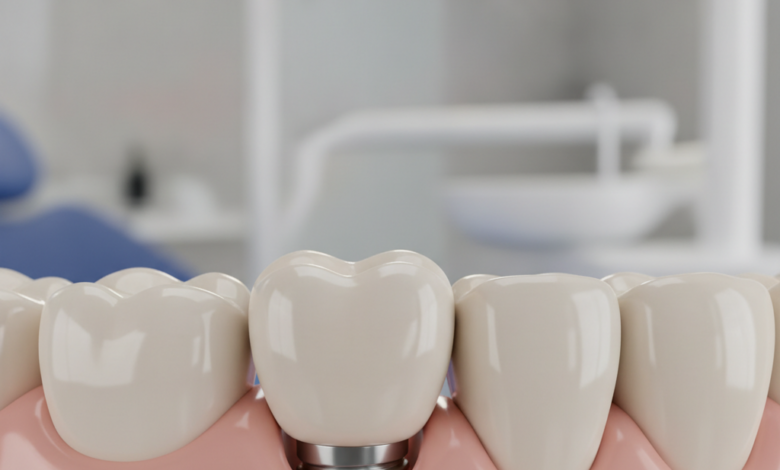
Missing teeth can have a profound impact on an individual’s oral health, general well-being, and self-confidence. Beyond the aesthetic concerns of an incomplete smile, gaps in your dentition can lead to significant functional issues, including difficulty chewing, altered speech patterns, and even changes in facial structure over time. While various restorative options have existed for decades, modern dentistry has identified a superior, long-term solution that addresses both the visible and underlying problems associated with tooth loss: dental implants. This comprehensive guide will delve into why dental implants are widely recognized as the gold standard, offering an unmatched combination of durability, natural appearance, and functional integrity.
Why Dental Implants Are the Best Solution for Missing Teeth
Understanding the Impact of Missing Teeth on Oral and Overall Health
Losing a tooth is more than just a cosmetic concern. The presence of all teeth plays a crucial role in maintaining the structural integrity of your jaw and the alignment of your remaining teeth. When a tooth is lost, the supporting jawbone no longer receives the necessary stimulation from chewing, leading to a process called bone resorption, where the bone begins to deteriorate. This loss of bone density can weaken the jaw, alter facial contours, and put adjacent teeth at risk of shifting or becoming loose.
Furthermore, missing teeth can compromise your ability to properly chew food, potentially affecting digestion and nutrient absorption. Speech can also be impacted, as teeth play a vital role in forming certain sounds. The psychological effects, such as reduced self-esteem and avoidance of social interactions due to embarrassment about one’s smile, are also significant and should not be underestimated. Traditional solutions like dentures and bridges offer some relief but often come with their own set of compromises, which dental implants aim to overcome.
Why Dental Implants Stand Out as the Best Solution for Missing Teeth
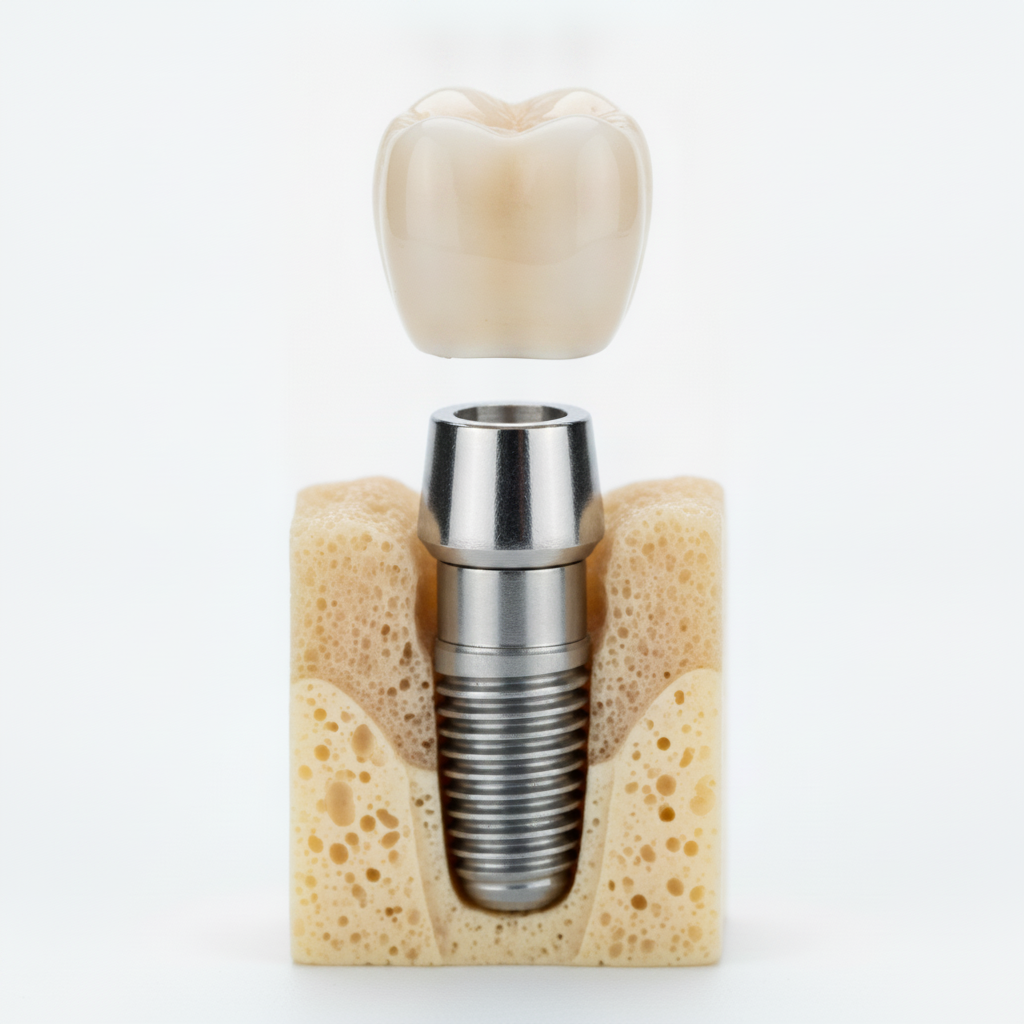
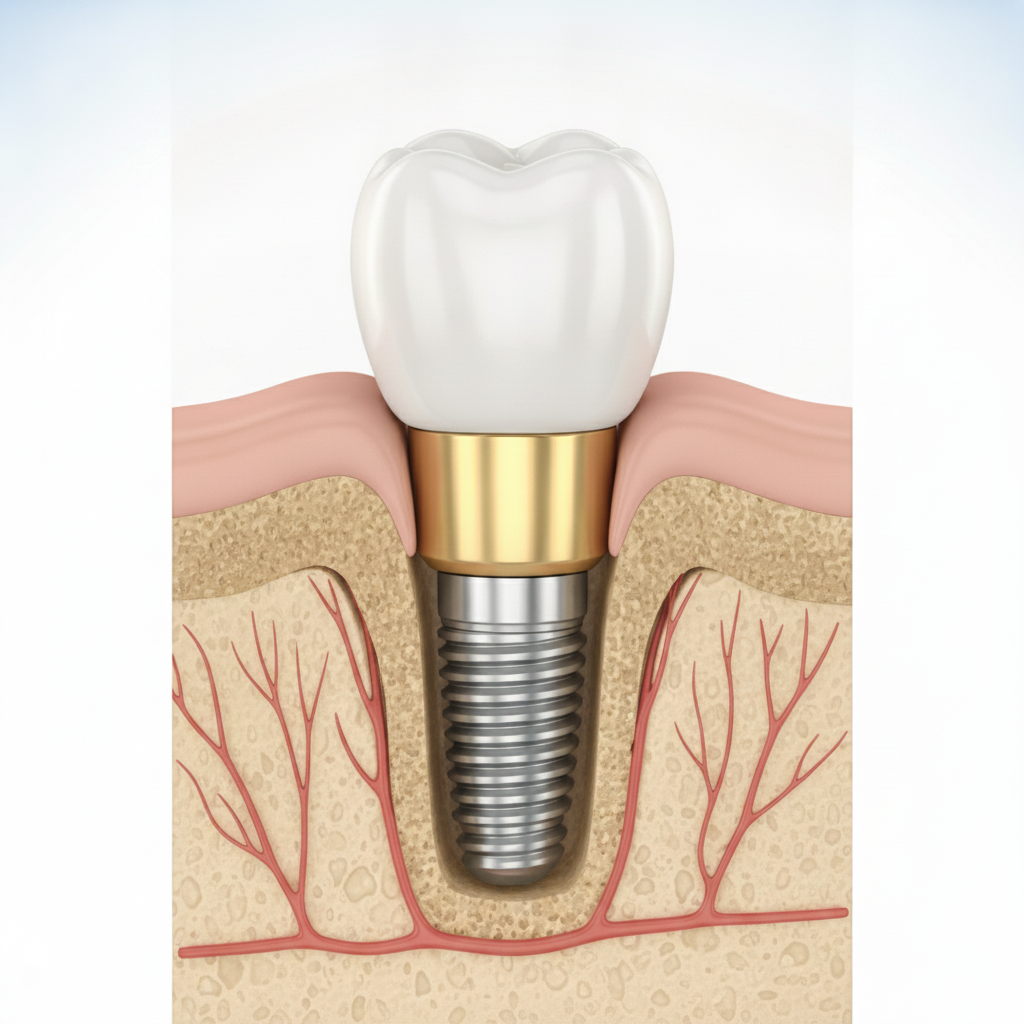
Dental implants are revolutionary because they replicate the entire natural tooth structure, from the root up. They consist of a small, biocompatible titanium post that is surgically placed into the jawbone, acting as an artificial tooth root. Over several months, this post fuses with the bone through a process called osseointegration, creating an incredibly strong and stable foundation. Once integrated, a connector (abutment) is attached to the implant, and a custom-made crown is placed on top, meticulously crafted to match your existing teeth in shape, size, and color.
- Bone Preservation: Unlike other solutions, implants actively stimulate the jawbone, preventing bone loss and preserving facial structure.
- Durability and Longevity: With proper care, dental implants can last a lifetime, far surpassing the lifespan of bridges or dentures.
- Natural Look and Feel: Implants are designed to look, feel, and function just like natural teeth, offering unparalleled aesthetics and comfort.
- Improved Functionality: They restore full chewing power, allowing you to enjoy all your favorite foods without restriction or discomfort.
- Protection of Adjacent Teeth: Dental bridges require grinding down healthy adjacent teeth for support, a destructive process avoided with implants.
- Enhanced Confidence: A stable, complete smile significantly boosts self-esteem and quality of life.
Comparing Dental Implants to Traditional Alternatives
To fully appreciate why dental implants are the best solution for missing teeth, it’s helpful to compare them directly with other common restorative options.
| Feature | Dental Implants | Dental Bridges | Removable Partial/Full Dentures |
|---|---|---|---|
| Mechanism | Titanium post surgically placed into jawbone, acting as a root. | Crowns placed on adjacent healthy teeth, supporting an artificial tooth. | Removable appliance resting on gums/supported by remaining teeth. |
| Bone Preservation | Yes, stimulates jawbone and prevents bone loss. | No, bone beneath missing tooth can still resorb. | No, can even accelerate bone loss in some areas. |
| Durability/Lifespan | 25+ years, often a lifetime with proper care. | 5-15 years, typically needing replacement. | 5-10 years, often requiring adjustments or replacement. |
| Comfort & Stability | Highly stable, feels like natural teeth, no slipping. | Good stability, but can put stress on adjacent teeth. | Can slip, cause discomfort, and require adhesives. |
| Aesthetics | Highly natural appearance, indistinguishable from real teeth. | Good, but adjacent teeth may need reshaping. | Can look artificial, especially if ill-fitting. |
| Impact on Adjacent Teeth | No impact; stand-alone solution. | Requires grinding down healthy adjacent teeth. | Can put strain on remaining natural teeth. |
| Maintenance | Brush and floss like natural teeth. | Requires careful cleaning under the bridge. | Requires daily removal for cleaning, special cleaning solutions. |
This comparison clearly illustrates the superior advantages of dental implants in terms of long-term health, stability, and aesthetic outcomes.
The Dental Implant Procedure: A Step-by-Step Journey to a Restored Smile
The journey to receiving dental implants typically involves several stages, ensuring optimal healing and integration. While the exact timeline can vary depending on individual patient needs and the number of implants, the general process includes:
Initial Consultation and Planning
The first step is a comprehensive examination by a qualified dental professional. This includes a thorough assessment of your oral health, jawbone density, and overall medical history. Advanced imaging techniques, such as 3D CT scans, are used to create a detailed map of your jaw structure, nerves, and sinuses, allowing for precise implant placement planning. During this stage, any pre-treatment needs, such as bone grafting or tooth extractions, will be identified and discussed. For a more detailed look into what happens during the procedure, you can read about the dental implant procedure here.
Implant Placement Surgery
Once planning is complete and any necessary preparatory procedures have healed, the titanium implant post is surgically placed into the jawbone. This is typically done under local anesthesia, often with sedation options available to ensure patient comfort. A small incision is made in the gum tissue to expose the bone, a precise pilot hole is drilled, and the implant is gently screwed into place. The gum tissue is then closed over the implant, or a healing cap may be placed, depending on the case.
Osseointegration and Healing
This is a critical phase where the magic of dental implants truly happens. Over the next 3 to 6 months (sometimes longer), the titanium implant naturally fuses with the surrounding jawbone in a process called osseointegration. This biological bond creates an incredibly strong and stable anchor, just like a natural tooth root. During this healing period, you may wear a temporary denture or bridge to maintain aesthetics and function.
Abutment Placement and Crown Attachment
Once osseointegration is complete, a minor surgical procedure may be required to expose the top of the implant and attach a small connector piece called an abutment. This abutment protrudes through the gum line and serves as the foundation for your new tooth. After the gum tissue heals around the abutment, impressions are taken of your mouth. These impressions are sent to a dental lab, where a custom-designed dental crown, bridge, or denture is fabricated to perfectly match your natural teeth. Finally, the custom restoration is securely attached to the abutment, completing your new, functional smile.
Who is a Candidate for Dental Implants?
While dental implants are an excellent solution for most people missing one or more teeth, candidacy is determined by several factors:
- Good General Health: Patients should be in good overall health, as certain chronic conditions (like uncontrolled diabetes or heart disease) can affect healing.
- Adequate Bone Density: Sufficient jawbone volume and density are essential to support the implant. If bone loss has occurred, a bone grafting procedure may be recommended.
- Healthy Gums: Gums should be free of periodontal disease, as gum health is crucial for long-term implant success.
- Non-Smoker or Willingness to Quit: Smoking can significantly impair healing and increase the risk of implant failure.
- Commitment to Oral Hygiene: Patients must be committed to excellent daily oral hygiene and regular dental check-ups to maintain their implants.
Caring for Your Dental Implants: Ensuring Lifelong Success
One of the remarkable benefits of dental implants is that their care closely mimics that of natural teeth. Maintaining your dental implants is straightforward, but it is absolutely crucial for their long-term success.
- Regular Brushing: Brush your teeth and implants at least twice a day using a soft-bristled toothbrush and fluoride toothpaste.
- Daily Flossing: Floss daily, paying special attention to the areas around your implants to remove plaque and food particles. Interdental brushes or water flossers can also be beneficial.
- Routine Dental Check-ups: Schedule regular check-ups and professional cleanings with your dentist. These appointments allow your dentist to monitor the health of your implants, gums, and remaining natural teeth, and to address any potential issues early.
- Avoid Hard Foods: While implants are strong, avoid chewing on extremely hard items like ice, hard candies, or using your teeth to open packages, as these habits can damage both implants and natural teeth.
- Address Bruxism: If you grind or clench your teeth (bruxism), your dentist may recommend a nightguard to protect your implants and natural teeth from excessive force.
By adhering to these simple yet effective oral hygiene practices, you can ensure your dental implants remain healthy, functional, and aesthetically pleasing for many years, potentially a lifetime.
The Long-Term Value of Choosing Dental Implants
When considering the initial investment, it’s important to look at the long-term value that dental implants provide. While the upfront cost may be higher than traditional dentures or bridges, the benefits often far outweigh this difference over time. Implants prevent future oral health issues, such as bone loss and the need for repeated replacements inherent with other options, ultimately saving money and discomfort in the long run. The restored quality of life, the ability to eat and speak with confidence, and the preservation of your natural facial structure are invaluable. As a testament to their success and growing adoption, the scientific community continues to support dental implants as a highly effective and safe treatment. You can find more comprehensive information on their efficacy and scientific backing on reputable medical resources such as Wikipedia’s entry on Dental Implants.
In conclusion, for those facing tooth loss, dental implants offer a robust, reliable, and aesthetically pleasing solution that mimics the function and appearance of natural teeth more closely than any other restorative option. By preventing bone loss, lasting for decades, and providing unparalleled comfort and confidence, dental implants unequivocally stand as the best solution for missing teeth, restoring not just a smile, but an entire quality of life.