What Is a Dental Crown and When Do You Need One?
What Is a Dental Crown and When Do You Need One?
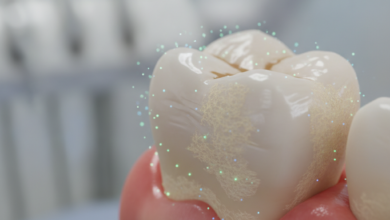
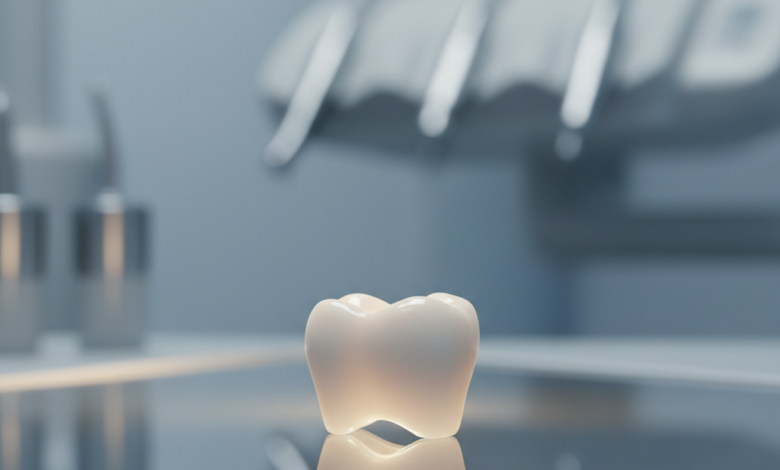
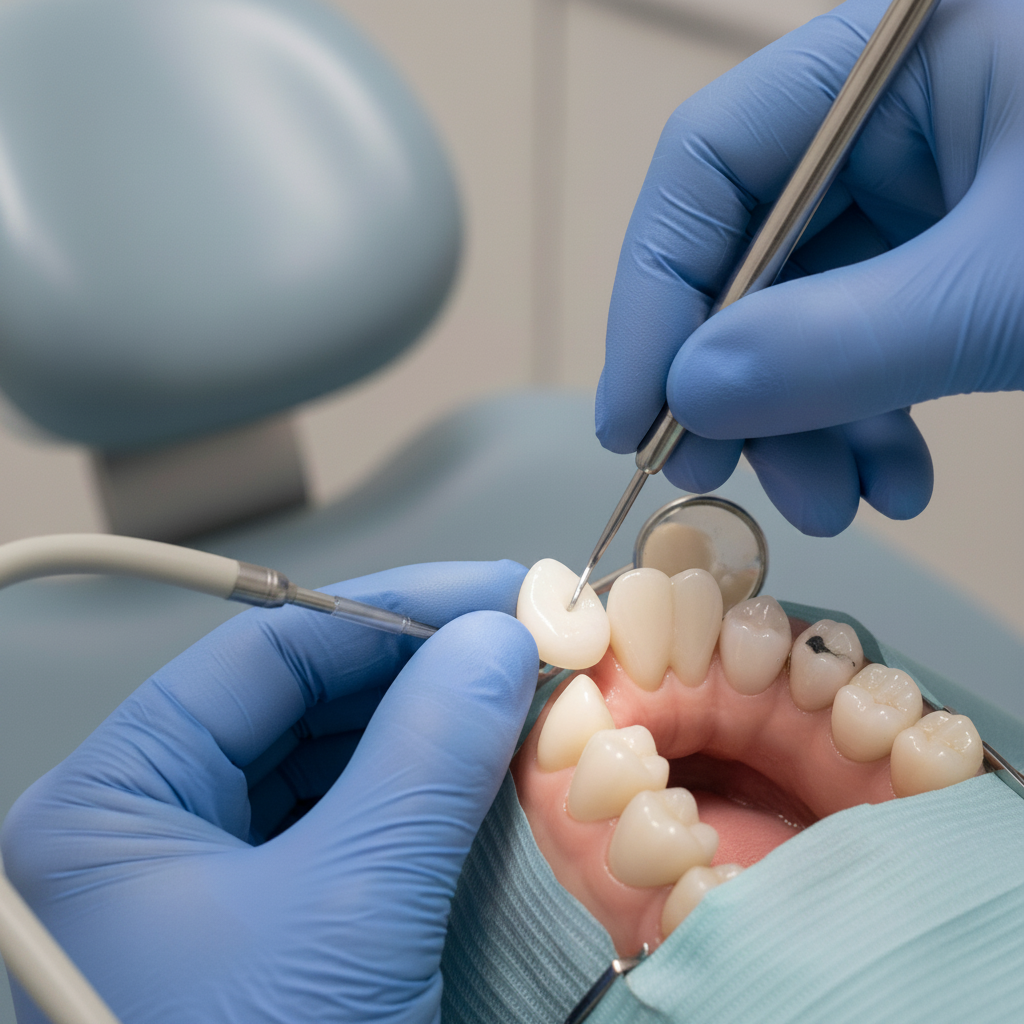
A dental crown, often referred to as a “cap,” is a custom-made covering that completely encases a damaged or weakened tooth, restoring its shape, size, strength, and improving its appearance. Unlike fillings that repair only a portion of the tooth, a crown covers the entire visible part of the tooth above the gum line. This robust restoration acts as a protective shield, safeguarding the underlying natural tooth structure from further damage while enhancing its functionality and aesthetic appeal. Understanding the purpose and application of dental crowns is crucial for anyone considering this restorative dental procedure. They are a cornerstone of modern restorative dentistry, offering durable and visually pleasing solutions for a variety of dental concerns.
Why Would You Need a Dental Crown?
The decision to place a dental crown is typically made when a tooth has been compromised beyond what a simple filling or other less extensive restoration can adequately address. Here are the primary scenarios in which a dental crown becomes a necessary or highly recommended treatment:
- To Restore a Severely Damaged Tooth: If a tooth has extensive decay that has weakened its structure significantly, a filling might not provide sufficient support. A crown can hold the tooth together, preventing further fractures.
- To Protect a Weak Tooth from Breaking: Teeth that are cracked or fractured but not yet entirely broken can benefit from a crown. The crown acts as a protective barrier, preventing the crack from spreading and causing a complete break.
- To Cover and Support a Tooth with a Large Filling: When an existing filling is so large that there isn’t much natural tooth structure left, the remaining tooth can become fragile. A crown reinforces the tooth, preventing it from collapsing.
- After a Root Canal Treatment: Teeth that have undergone root canal treatment often become brittle because their internal structure has been removed. A crown provides the necessary strength and protection to these teeth, restoring their function and preventing future fractures.
- To Hold a Dental Bridge in Place: Crowns are essential components of dental bridges. They are placed on the teeth adjacent to a gap (abutment teeth) to anchor the artificial tooth (pontic) in between, effectively replacing missing teeth.
- To Cover a Dental Implant: After a dental implant has been surgically placed and fused with the jawbone, a crown is typically attached to the implant post (abutment) to create a functional and aesthetic replacement tooth.
- For Cosmetic Enhancement: Crowns can be used to cover severely discolored or misshapen teeth, improving their appearance and contributing to a more uniform and attractive smile. They can also be used to alter the shape or alignment of teeth for aesthetic purposes.
Types of Dental Crowns: Materials and Their Benefits
The material used for a dental crown plays a significant role in its appearance, durability, and cost. Advancements in dental technology have provided a range of options, each with distinct advantages.
- Porcelain or Ceramic Crowns: These are the most popular choice for front teeth due to their excellent aesthetic qualities. They can be perfectly matched to the color of your natural teeth, making them virtually indistinguishable. They are also suitable for individuals with metal allergies. While strong, they can be more prone to chipping than metal or zirconia crowns.
- Porcelain Fused to Metal (PFM) Crowns: PFM crowns offer a combination of strength and aesthetics. A metal alloy base provides durability, while a porcelain layer covers the metal for a natural tooth-like appearance. They are a good option for both front and back teeth. However, the metal base can sometimes show through as a dark line at the gum line, especially as gums recede.
- Zirconia Crowns: Zirconia is a relatively new material in dentistry, known for its exceptional strength and biocompatibility. It is a highly durable ceramic material that can withstand significant chewing forces, making it ideal for back teeth. Zirconia crowns also offer good aesthetics, though they may not always achieve the same translucency as pure porcelain.
- Metal Alloys (Gold or Base-Metal Alloys) Crowns: Gold crowns have been used for decades due to their incredible strength, durability, and biocompatibility. They are highly resistant to wear and corrosion and cause minimal wear to opposing teeth. Base-metal alloys (like nickel-chromium or cobalt-chromium) are also very strong and resistant to corrosion. Metal crowns are typically used for back molars where aesthetics are less of a concern.
Understanding the Dental Crown Procedure
Receiving a dental crown typically involves two visits to the dentist, though some clinics now offer same-day crown technology.
First Visit: Preparation and Impression
The initial visit focuses on preparing the tooth and taking an impression for the custom crown.
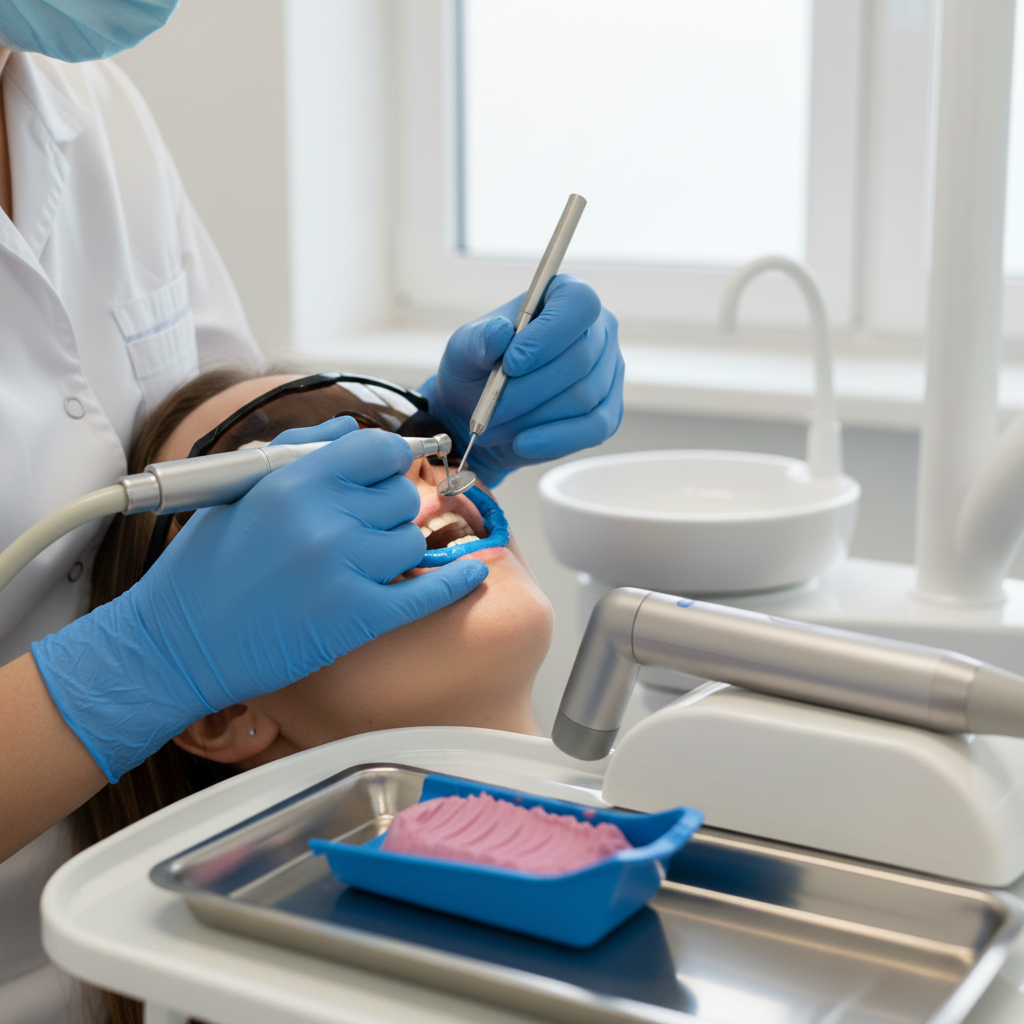
- Examination and Anesthesia: The dentist will first examine the tooth and surrounding gums to ensure a crown is the appropriate treatment. Local anesthesia is administered to numb the tooth and surrounding area, ensuring a comfortable procedure.
- Tooth Preparation: To make space for the crown, the tooth needs to be reshaped. This involves carefully filing down the outer surface of the tooth, removing a small amount of enamel. The amount removed depends on the type of crown material chosen. If there’s significant decay or damage, the dentist might build up the tooth with a filling material to create a stable foundation for the crown.
- Impression Taking: Once the tooth is prepared, an impression (mold) of your tooth and the surrounding teeth is taken. This can be done using a traditional putty-like material or, in many modern clinics, with a digital scanner. This impression is sent to a dental laboratory, where skilled technicians will fabricate your custom crown. An impression of the opposing jaw is also taken to ensure your bite remains correct.
- Temporary Crown Placement: While your permanent crown is being made (which can take a week or two), a temporary crown made of acrylic or composite material is placed over the prepared tooth. This protects the tooth from sensitivity, helps maintain your bite, and preserves the aesthetics of your smile.
Second Visit: Permanent Crown Placement
During the second visit, the temporary crown is removed, and the permanent crown is fitted and bonded into place.
- Temporary Crown Removal and Cleaning: The dentist will carefully remove the temporary crown and clean any residual adhesive from your tooth.
- Crown Fitting and Adjustment: The permanent crown is placed over your prepared tooth. The dentist will meticulously check its fit, color, and shape. They will assess how it interacts with your bite and adjacent teeth. If necessary, minor adjustments are made to ensure a perfect fit and comfortable occlusion.
- Final Cementation: Once you and the dentist are satisfied with the fit and appearance, the crown is permanently bonded to your tooth using a strong dental cement. The dentist will then ensure all excess cement is removed and give you final instructions for care.
Benefits and Longevity of Dental Crowns
Dental crowns offer numerous benefits beyond simply repairing a damaged tooth. They can significantly improve oral health and quality of life.
- Restored Functionality: Crowns restore the ability to chew and speak properly, especially when a tooth has been severely compromised.
- Enhanced Aesthetics: Custom-made crowns can seamlessly blend with your natural teeth, improving the overall appearance of your smile and boosting confidence.
- Protection Against Further Damage: By encasing the entire tooth, crowns prevent further decay, cracks, or fractures, preserving the remaining natural tooth structure.
- Long-Term Solution: With proper care, dental crowns are a durable solution. The lifespan of a crown typically ranges from 5 to 15 years, and sometimes even longer, depending on the material, oral hygiene practices, and habits like teeth grinding.
Caring for Your Dental Crown
The longevity of your dental crown largely depends on how well you care for it. While the crown itself cannot decay, the tooth underneath it or the gum tissue surrounding it can still be susceptible to problems.
- Maintain Excellent Oral Hygiene: Brush twice a day with fluoride toothpaste and floss daily, paying particular attention to the area around the crown and gum line. This prevents plaque buildup and gum disease.
- Regular Dental Check-ups: Continue to visit your dentist for routine check-ups and professional cleanings. This allows your dentist to monitor the health of your crown and the underlying tooth.
- Avoid Hard or Sticky Foods: Biting down on very hard foods (like ice, hard candies, or unpopped popcorn kernels) or chewing excessively sticky foods can potentially damage or dislodge your crown.
- Address Teeth Grinding (Bruxism): If you grind or clench your teeth, especially at night, discuss this with your dentist. A night guard can protect your crown and natural teeth from excessive force.
Dental crowns are a versatile and highly effective restorative treatment that can save damaged teeth, improve function, and enhance the beauty of your smile. If you are experiencing pain, sensitivity, or visible damage to a tooth, consulting with a dental professional can help determine if a dental crown is the right solution for you. Understanding the procedure, materials, and long-term care will help you make an informed decision and ensure the success of your restoration. For more detailed information on dental crowns and their applications, you may consult resources like Wikipedia’s entry on Dental Crowns.