Wisdom Tooth Removal: What to Expect
Wisdom Tooth Removal: What to Expect
Wisdom teeth, clinically known as third molars, are the last teeth to erupt in the mouth, typically appearing between the ages of 17 and 25. While some individuals experience no issues with their wisdom teeth, for many, their arrival can herald a range of complications that necessitate their removal. The procedure, commonly referred to as wisdom tooth extraction, is one of the most frequent oral surgical procedures performed worldwide. Understanding the reasons behind removal, the procedure itself, and the recovery process is crucial for anyone facing this common dental event. This comprehensive guide aims to demystify wisdom tooth removal, offering insights into what patients can expect from start to finish, ensuring peace of mind and promoting a smooth recovery.
Why Wisdom Teeth Cause Problems
The primary reason for wisdom tooth removal stems from a lack of space in the jaw. Modern human jaws are often too small to accommodate these extra molars, leading to a condition known as impaction. When a wisdom tooth is impacted, it means it is unable to erupt properly through the gum line, either remaining partially or completely trapped within the jawbone or soft tissue. This impaction can lead to a cascade of problems, ranging from discomfort to severe infection.
Common issues associated with problematic wisdom teeth include:
- Pain and Discomfort: Pressure from an erupting or impacted wisdom tooth can cause persistent pain in the jaw, ear, or head.
- Infection (Pericoronitis): When a wisdom tooth partially erupts, a flap of gum tissue can form over it, creating a pocket where food particles and bacteria can accumulate. This often leads to pericoronitis, a painful infection characterized by swelling, redness, and pus.
- Damage to Adjacent Teeth: An impacted wisdom tooth can push against the neighboring molar, causing damage, decay, or even bone loss around the second molar. The pressure can also contribute to shifting of other teeth.
- Cysts and Tumors: In rare cases, a fluid-filled sac (cyst) or a tumor can form around an impacted wisdom tooth, potentially damaging the jawbone and surrounding structures.
- Tooth Decay: Due to their location at the very back of the mouth, wisdom teeth are often difficult to clean properly, making them more susceptible to cavities, even if they are fully erupted.
Types of Wisdom Tooth Impaction
The orientation and depth of an impacted wisdom tooth dictate its type and often the complexity of its removal. Dentists classify impactions to plan the most effective and safest extraction method.
- Mesial Impaction: The tooth is angled forward, towards the front of the mouth. This is the most common type.
- Vertical Impaction: The tooth is in the correct upright position but is trapped within the jawbone or gum tissue, unable to erupt.
- Distal Impaction: The tooth is angled backward, towards the rear of the mouth. This is less common.
- Horizontal Impaction: The tooth is lying completely on its side, parallel to the jawbone, often pushing against the adjacent molar.
- Soft Tissue Impaction: The tooth has erupted through the bone but is covered by gum tissue.
- Bony Impaction: The tooth is fully encased within the jawbone, either partially (partially bony) or completely (full bony).
When is Wisdom Tooth Removal Necessary?
The decision to remove wisdom teeth is typically made after a thorough dental examination, including X-rays. While visible problems like pain, infection, or decay are clear indicators, sometimes removal is recommended preventatively. If a wisdom tooth is not causing immediate issues but shows signs of potential future problems (e.g., impaction, risk of damage to other teeth), a dentist may advise proactive extraction. This can prevent more complicated issues from arising later, especially as tooth roots become more established with age, making extraction more challenging.
The Wisdom Tooth Removal Process
The process of Wisdom Tooth Removal is a well-established surgical procedure designed to be as comfortable and efficient as possible for the patient. It involves several key stages, from initial consultation to the actual extraction and post-operative care.
Before the Procedure: Consultation and Preparation
The journey begins with a comprehensive consultation. Your dentist or oral surgeon will perform a detailed examination of your mouth, jaw, and the wisdom teeth themselves. Digital X-rays, and sometimes 3D scans, are taken to assess the position of the wisdom teeth, their roots, and their proximity to vital structures like nerves and sinuses. This imaging is crucial for planning the extraction, identifying any potential complications, and determining the best approach. You will discuss your medical history, any medications you are taking, and anesthesia options. Local anesthesia is standard, but sedation (oral, intravenous, or nitrous oxide) may be offered for patients with anxiety or for more complex cases. Clear instructions will be provided regarding fasting before sedation and arranging transportation home.
During the Procedure: What Happens
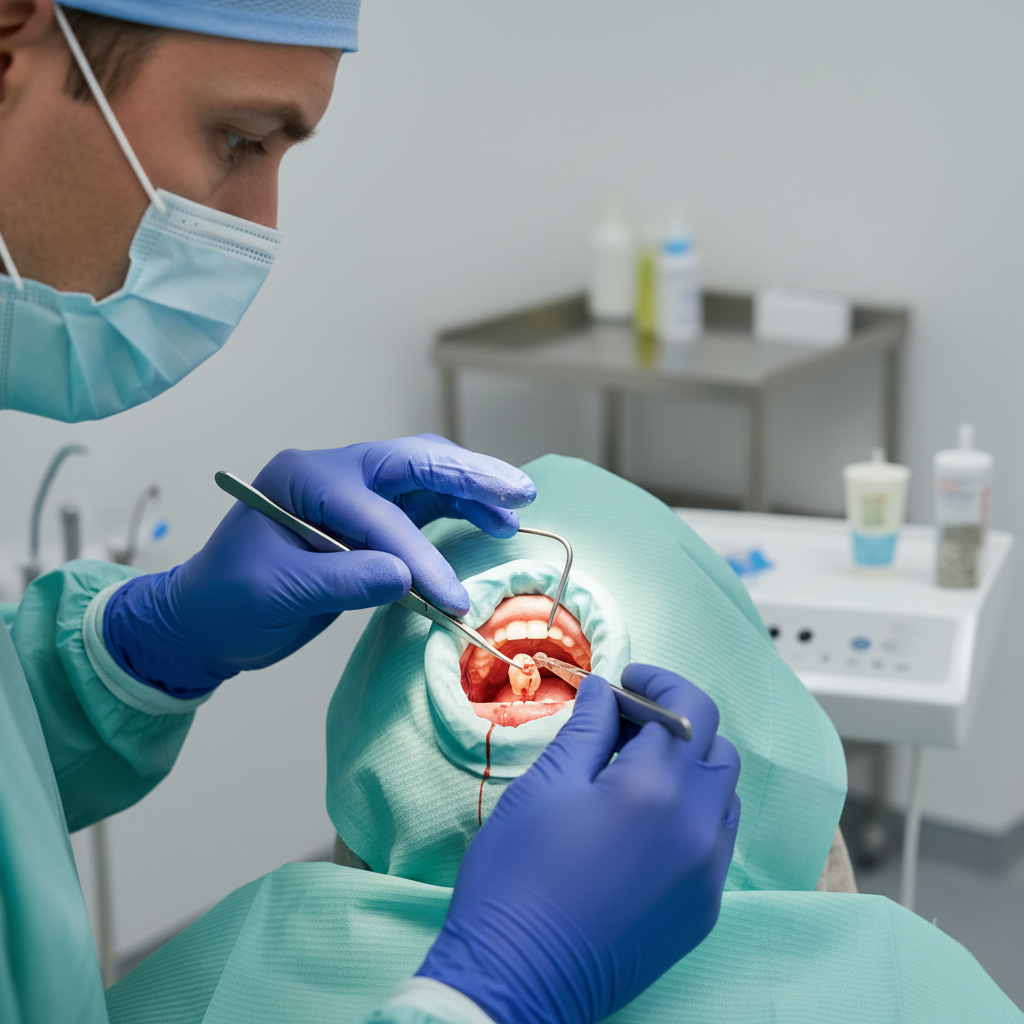
On the day of the procedure, once the chosen anesthesia has taken effect, you will feel no pain, though you may be aware of pressure. The exact method of extraction varies depending on the impaction type.
- Incision: For impacted teeth, the surgeon will make a small incision in the gum tissue to expose the tooth and bone.
- Bone Removal (if necessary): If bone is covering the tooth, a small amount may be carefully removed using a high-speed handpiece.
- Tooth Sectioning: Often, particularly with impacted or large wisdom teeth, the tooth will be divided into smaller pieces. This allows for easier and less traumatic removal, minimizing the size of the bone opening.
- Extraction: The tooth or its fragments are then carefully extracted using specialized dental instruments.
- Cleaning and Suturing: After removal, the area is thoroughly cleaned of any bone fragments or debris. The gum flap is then repositioned, and sutures (stitches) are placed to help the gum heal and protect the underlying bone. In some cases, a dissolvable material may be placed in the socket to promote clotting and healing.
The procedure typically takes between 20 minutes to an hour, depending on the number and complexity of the extractions.
After the Procedure: Immediate Care
Immediately after the extraction, a gauze pad will be placed over the surgical site to help control bleeding and promote clot formation. You will be instructed to bite down gently on this gauze for about 30-60 minutes. It’s normal to experience some bleeding, swelling, and discomfort. Your dentist or surgeon will provide detailed post-operative instructions, including guidelines for pain management, swelling reduction, and initial diet. Strict adherence to these instructions is vital for preventing complications and ensuring a smooth recovery.
Recovery After Wisdom Tooth Removal
The recovery period is a critical phase following wisdom tooth extraction. While individual healing times vary, most patients experience significant improvement within a few days to a week. Proper care during this time is essential to prevent complications like dry socket or infection.
Managing Pain and Swelling
Pain can be managed with prescribed pain medication or over-the-counter anti-inflammatory drugs. Swelling is a normal response to surgery and typically peaks 2-3 days post-procedure. Applying ice packs to the outside of your face for 20 minutes on, 20 minutes off, during the first 24-48 hours can help significantly reduce swelling. After 48 hours, moist heat can be beneficial.
Diet and Oral Hygiene
A soft diet is recommended for the first few days. Avoid hot liquids, crunchy, or chewy foods that could dislodge the blood clot or irritate the surgical site. Opt for soft foods like yogurt, mashed potatoes, soups, and smoothies. Avoid using straws, as the suction can dislodge the blood clot. Maintaining oral hygiene is important but requires gentleness. Do not rinse vigorously on the day of surgery. The day after, gentle salt water rinses (1/2 teaspoon of salt in a glass of warm water) 3-4 times a day can help keep the area clean and promote healing. Brush your teeth carefully, avoiding the extraction sites.
Potential Complications and When to Seek Help
While most wisdom tooth removals are straightforward, complications can occur:
- Dry Socket (Alveolar Osteitis): This painful condition occurs when the blood clot dislodges from the extraction site, exposing the underlying bone. It typically develops 3-5 days after surgery and causes intense pain radiating to the ear. It requires immediate attention from your dentist or surgeon.
- Infection: Signs of infection include persistent swelling, redness, fever, and pus. If you suspect an infection, contact your dental professional.
- Numbness: In rare cases, temporary or permanent numbness of the lip, chin, or tongue can occur due to nerve irritation or damage.
- Excessive Bleeding: While some oozing is normal, heavy or prolonged bleeding should be reported.
If you experience any unusual symptoms or severe pain, it is important to contact your dental clinic promptly.
For more detailed information on maintaining optimal dental procedures, it is advisable to consult with a qualified professional.
| Recovery Phase | Typical Duration | Key Expectations & Care |
|---|---|---|
| Day 1-2 | Immediate post-op | Bleeding, swelling, and mild to moderate pain are expected. Use gauze, ice packs, prescribed pain medication. Soft diet, avoid strenuous activity, no vigorous rinsing or straws. |
| Days 3-5 | Peak swelling/pain often subsides | Swelling begins to decrease. Pain should be manageable with medication. Continue soft diet. Begin gentle salt water rinses. Watch for signs of dry socket (intense, radiating pain). |
| Week 1 | Initial healing | Most pain and swelling should have significantly reduced. You may gradually reintroduce more solid foods. Continue gentle oral hygiene. Stitches (if non-dissolvable) may be removed. |
| Weeks 2-4 | Continued healing | Most external signs of recovery are gone. Healing inside the socket continues. Gradually return to normal diet and activities. Bone remodeling and gum tissue regeneration occur. |
| Months 1-3 | Full socket maturation | The extraction site fully fills with new bone and soft tissue. No discomfort should be present. Regular dental check-ups are recommended. |

The journey through wisdom tooth removal, from initial consultation to full recovery, is a well-managed process designed with patient comfort and health in mind. While the prospect of surgery can be daunting, understanding each step can significantly alleviate anxiety. Choosing an experienced oral surgeon or dentist is paramount for a safe and effective procedure. By following all pre- and post-operative instructions diligently, patients can look forward to a smooth recovery and the relief that comes from addressing problematic wisdom teeth. Embracing these guidelines ensures not only a successful extraction but also contributes to long-term oral health and well-being. More information on wisdom tooth extraction can be found on reliable health resources such as Wikipedia.