What Causes Receding Gums and How to Treat Them
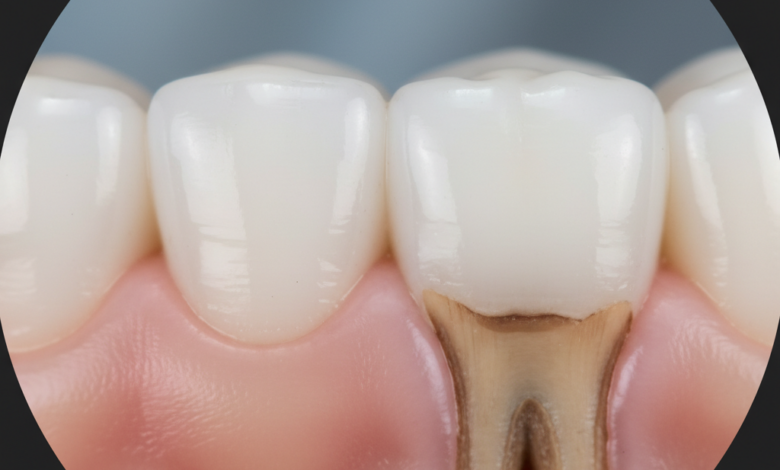
What Causes Receding Gums and How to Treat Them. Gum recession is a common dental issue where the margin of the gum tissue that surrounds the teeth wears away or pulls back, exposing more of the tooth or the tooth’s root. This can cause significant problems, including increased tooth sensitivity, a higher risk of root cavities, and an aesthetic dissatisfaction with one’s smile. Many people may not even realize their gums are receding because the process occurs gradually. Understanding the multifaceted causes behind this condition is the first and most critical step toward effective prevention and treatment. While it may seem like a minor cosmetic issue at first, receding gums can be a sign of underlying periodontal problems that require professional attention to prevent further damage and tooth loss.
Understanding the Anatomy of Your Gums
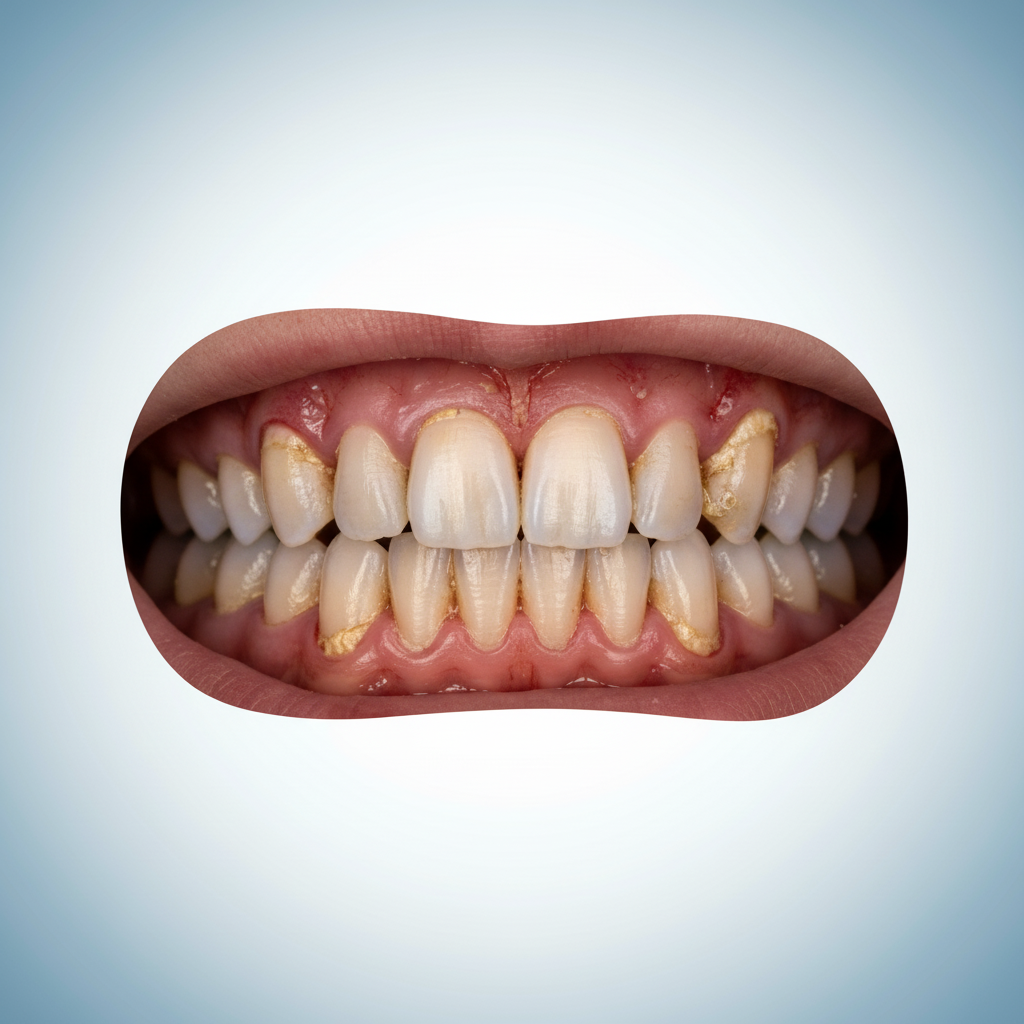
Before delving into the specific causes of gum recession, it’s helpful to understand the structure and function of the gum tissue, known as the gingiva. The gums are a vital part of your oral health ecosystem, providing a protective seal around your teeth. This tissue is made up of two main parts: the attached gingiva and the unattached or alveolar mucosa. The attached gingiva is the firm, pale pink tissue that is tightly bound to the underlying bone. It is designed to withstand the friction of chewing and brushing and provides a strong barrier against bacterial invasion. Below this is the looser, darker red alveolar mucosa. The line where these two tissues meet is called the mucogingival junction.
Gum recession primarily affects the attached gingiva. When this tissue begins to recede, it pulls away from the tooth’s crown and exposes the root surface. Unlike the crown, which is protected by a hard layer of enamel, the root surface is covered by a softer material called cementum. Once exposed, the cementum is highly susceptible to decay and can be easily worn away, leading to notches and sensitivity. The loss of this protective gum tissue weakens the tooth’s support system, and in advanced cases, can compromise the stability of the tooth itself.
The Primary Causes Receding Gums
Gum recession is rarely caused by a single factor. More often, it is the result of a combination of issues that contribute to the gradual breakdown of the gingival tissue. Identifying the specific contributors is essential for developing an effective strategy to halt its progression and manage the symptoms.
Periodontal Disease
The most common cause of gum recession is periodontal disease, an infection of the gums caused by bacterial plaque. Plaque is a sticky film of bacteria that constantly forms on teeth. If not removed through regular brushing and flossing, it hardens into tartar (calculus), which can only be removed by a dental professional. The bacteria in plaque and tartar produce toxins that irritate the gums, leading to an inflammatory response called gingivitis. Symptoms of gingivitis include red, swollen, and bleeding gums. If left untreated, gingivitis can advance to periodontitis. In this more severe stage, the inflammation causes the gums to pull away from the teeth, creating pockets. These pockets collect more bacteria, and the infection begins to destroy the gum tissue and the underlying bone that supports the teeth, leading to significant recession and potential tooth loss.
Aggressive Brushing and Oral Hygiene Habits
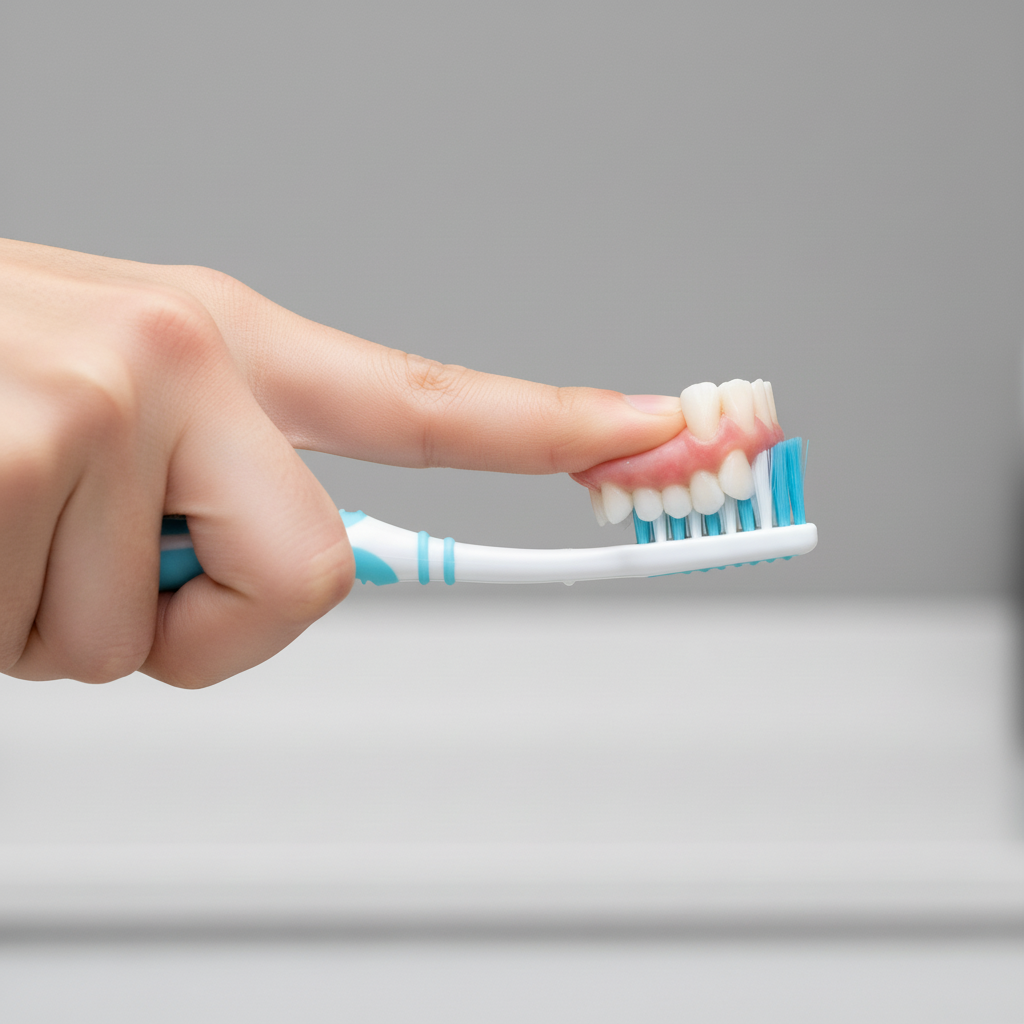
While good oral hygiene is crucial, there can be too much of a good thing. Brushing your teeth too vigorously or using a toothbrush with hard bristles can physically wear away your gum tissue. This mechanical abrasion can be just as damaging as bacterial infection over time. Many people mistakenly believe that harder brushing equals cleaner teeth, but a gentle, systematic approach is far more effective and safer for your gums. Using a soft-bristled toothbrush and applying gentle pressure in a circular motion is the recommended technique to remove plaque without traumatizing the delicate gingival tissue. This type of recession is often more noticeable on the side of the mouth corresponding to a person’s dominant hand.
Genetic Predisposition
For some individuals, genetics play a significant role in their susceptibility to gum recession. Factors like the thickness and quality of your gum tissue can be inherited. People born with naturally thin or fragile gingiva have less tissue to protect the tooth roots, making them more vulnerable to recession from even minor trauma or inflammation. Similarly, the position of your teeth in the jawbone can be a genetic trait. If teeth are positioned prominently, the overlying bone and gum tissue can be very thin, creating a predisposition for recession in those areas. While you cannot change your genetics, being aware of this predisposition allows for more proactive and preventative care.
Other Contributing Factors to Gum Recession
Beyond the primary drivers, several other lifestyle habits and physiological conditions can contribute to or exacerbate the problem of receding gums. Addressing these factors is a key part of a comprehensive approach to maintaining gum health.
Bruxism (Teeth Grinding and Clenching)
Bruxism is a condition where you unconsciously grind, gnash, or clench your teeth, often during sleep. This habit places immense force on your teeth and, by extension, your gums and the supporting bone. This excessive pressure can cause the teeth to flex at the gum line, leading to a breakdown of the gingival attachment and contributing to recession over time. Many people are unaware they grind their teeth until a dentist points out the tell-tale signs of wear on their teeth or they experience symptoms like jaw pain and headaches. Managing bruxism, often with a custom-fitted nightguard, is crucial to protect both teeth and gums from further damage. This is just one of the most common dental problems in adults that can have wide-ranging effects on oral health.
Tobacco Products
The use of tobacco products, including cigarettes, cigars, and chewing tobacco, is extremely detrimental to gum health. Smokers are significantly more likely to have receding gums. Tobacco use restricts blood flow to the gum tissues, impairing their ability to heal and fight off infection. It also increases the production of sticky plaque while simultaneously decreasing saliva flow, which helps to wash away food particles and bacteria. This creates a perfect environment for periodontal disease to develop and progress rapidly.
Misaligned Teeth or Malocclusion
When teeth are not aligned correctly, it can create an uneven distribution of force during biting and chewing. Certain teeth may bear a disproportionate amount of pressure, which can contribute to localized gum recession around those specific teeth. Orthodontic treatment to correct a bad bite or crowded teeth can not only improve the aesthetics of your smile but also improve your gum health by creating a more harmonious and balanced occlusion.
Professional Treatment Approaches for Receding Gums
Once gum recession has occurred, the lost tissue will not grow back on its own. Therefore, treatment focuses on addressing the underlying cause to prevent further progression and managing the resulting symptoms, such as sensitivity. A dental professional will first determine the cause of the recession before recommending a course of action. Effective management often involves a combination of professional treatments and improved at-home care.
Non-Surgical and Preventative Measures
For mild cases of gum recession caused by periodontal disease, the first line of treatment is often a deep cleaning procedure known as scaling and root planing. This involves carefully removing all plaque and tartar from above and below the gum line (scaling) and smoothing out the tooth roots (planing) to help the gums reattach to the teeth. Following this, maintaining a meticulous oral hygiene routine with a soft-bristled brush and regular flossing is paramount. According to research on periodontal health, consistent removal of bacterial biofilm is fundamental to controlling the disease process. A comprehensive review published by the National Center for Biotechnology Information highlights the critical role of mechanical plaque control in preventing the initiation and progression of periodontal diseases. Your dentist may also recommend using a desensitizing toothpaste or applying fluoride varnish to manage any root sensitivity.
Surgical Interventions
In cases where recession is advanced, has caused significant bone loss, or presents a major aesthetic concern, surgical intervention may be necessary. The most common procedure is a gum graft. This involves taking a small piece of tissue, usually from the roof of the mouth, and transplanting it to the area where the gum has receded. This procedure can cover exposed roots, reduce sensitivity, protect roots from decay, and improve the appearance of the smile. Different types of grafting procedures exist, and a periodontist (a gum specialist) can determine the most appropriate technique for your specific situation. The success of these procedures relies heavily on controlling the initial cause of the recession and maintaining excellent oral health afterward.