The Most Common Dental Problems in Adults
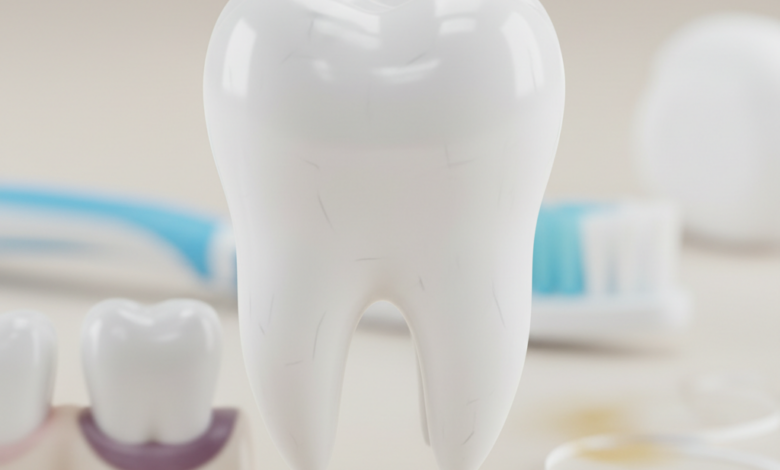
The Most Common Dental Problems in Adults are often a continuation of habits and conditions from younger years, but they can also manifest with unique challenges related to aging, lifestyle, and systemic health. While many associate dental check-ups with childhood, maintaining oral health throughout adulthood is crucial for overall well-being. The structure of our teeth, gums, and jaw changes over time, making adults susceptible to a specific range of issues that require diligent care and professional intervention. Understanding these conditions, their causes, and the available treatments is the first step toward preserving a healthy and confident smile for a lifetime.
A Closer Look at Common Dental Problems in Adults
As we age, our bodies undergo numerous changes, and the oral cavity is no exception. Years of chewing, lifestyle choices, and the natural aging process can lead to a variety of dental health concerns. These problems range from simple decay to complex structural issues, each requiring a specific approach for effective management and treatment. Early identification and intervention are key to preventing minor issues from escalating into major complications that can affect not just your mouth, but your overall health.
Tooth Decay (Cavities)
While often perceived as a childhood problem, tooth decay, or dental caries, remains a significant issue for adults. Adult cavities frequently occur in different locations than in children. One common area is around the edges of old fillings. Over time, fillings can weaken, fracture, or develop small cracks, creating entry points for bacteria to accumulate and cause decay underneath. Another prevalent issue is root decay. As we age, gums can recede, exposing the root surfaces of the teeth. Unlike the crowns of your teeth, which are protected by hard enamel, root surfaces are covered by a softer tissue called cementum, which is much more susceptible to decay from acid-producing plaque bacteria. This makes maintaining excellent gum health a critical part of preventing adult cavities. The treatment for tooth decay typically involves removing the decayed portion of the tooth and placing a filling. For more extensive decay, a dental crown may be necessary to restore the tooth’s shape, strength, and function.
Gum Disease (Periodontal Disease)
Periodontal disease is a leading cause of tooth loss in adults and is essentially an infection of the tissues that hold your teeth in place. It typically begins as gingivitis, the earliest and most reversible stage. Gingivitis is caused by plaque buildup along the gumline, leading to inflammation. Symptoms include red, swollen, and tender gums that may bleed during brushing. If left untreated, gingivitis can progress to periodontitis. In this more advanced stage, the gums pull away from the teeth, forming pockets that become infected. The body’s immune system fights the bacteria as the plaque spreads and grows below the gumline. This battle, combined with bacterial toxins, starts to break down the bone and connective tissue that hold teeth in place. According to the World Health Organization, severe periodontal disease affects a significant portion of the global adult population. Treatment depends on the severity and ranges from deep cleaning procedures like scaling and root planing to more advanced surgical interventions to restore supportive tissues.
Advanced and Structural Dental Issues
Beyond decay and gum disease, adults face a variety of structural and sensitivity-related problems. These issues often result from long-term wear and tear, trauma, or underlying conditions that compromise the integrity of the teeth and their supporting structures. Addressing them promptly is essential for maintaining function and preventing further damage.
Tooth Sensitivity
Tooth sensitivity is characterized by a sharp, temporary pain in the teeth in response to hot, cold, sweet, or acidic stimuli. This discomfort occurs when the underlying layer of the tooth, called dentin, becomes exposed. Dentin contains thousands of microscopic tubules that lead to the tooth’s nerve center (the pulp). When external triggers reach these tubules, they stimulate the nerve, causing pain. Common causes of dentin exposure in adults include receding gums, worn tooth enamel from aggressive brushing or acid erosion, tooth grinding (bruxism), and cracked or chipped teeth. Management involves identifying and addressing the root cause. Treatments can range from using desensitizing toothpaste and fluoride gels to in-office procedures like applying bonding agents or recommending a custom-fitted nightguard for grinders.
Cracked or Broken Teeth
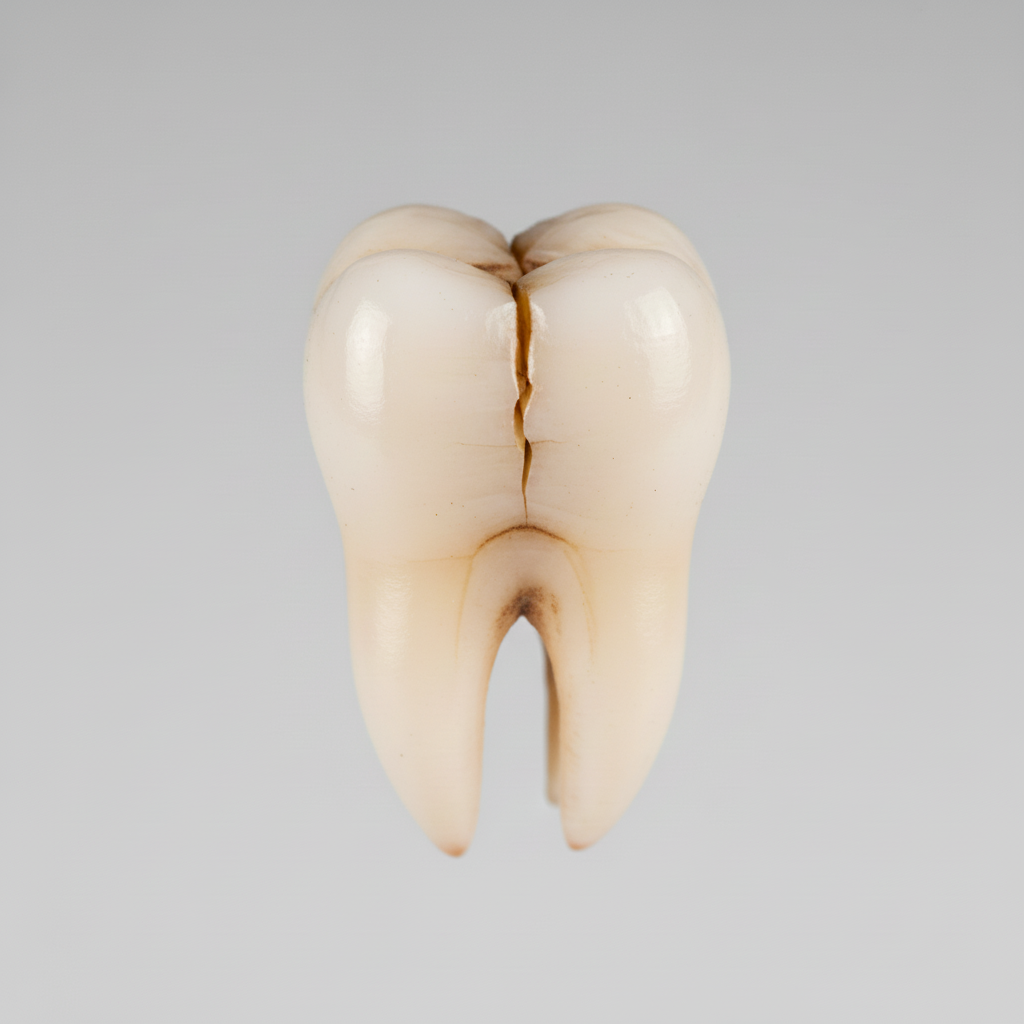
A cracked or broken tooth can happen for many reasons, including chewing on hard objects, trauma from an accident, or weakening of the tooth structure due to large fillings or root canal treatment. The severity can range from minor cosmetic chips to deep fractures that extend below the gumline. Symptoms can vary from erratic pain when chewing to sudden sensitivity. The treatment for a cracked tooth depends entirely on the size and location of the crack. Minor cracks can sometimes be repaired with dental bonding. More significant fractures often require a dental crown to hold the tooth together and protect it from further damage. If the crack has extended into the pulp, a root canal may be necessary before placing a crown.
Tooth Loss and Replacement
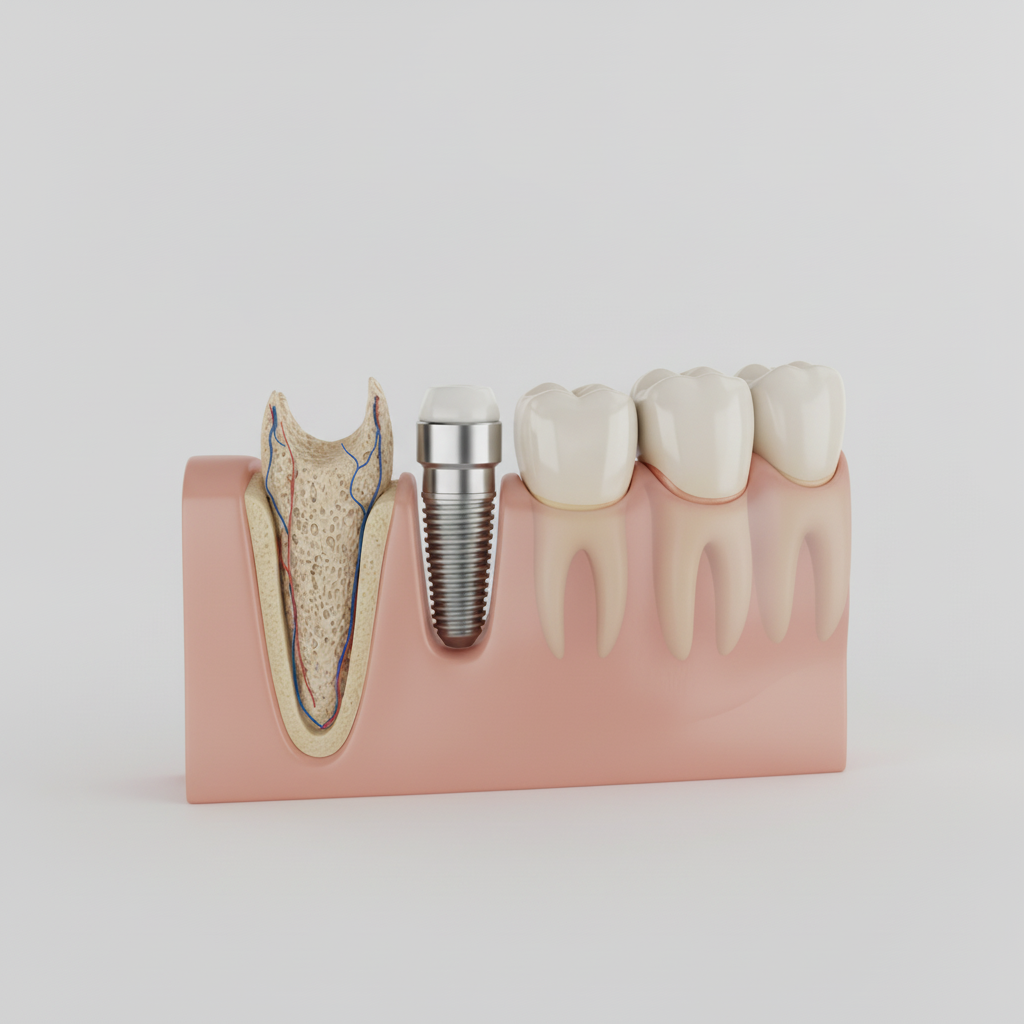
Losing a tooth as an adult is a serious issue that can impact your ability to chew, speak, and smile confidently. The primary causes are advanced periodontal disease, severe tooth decay, or irreparable trauma. When a tooth is lost, the consequences extend beyond the visible gap. The surrounding teeth may begin to shift into the empty space, leading to a misaligned bite. Furthermore, the jawbone in the area of the missing tooth will begin to deteriorate due to a lack of stimulation, which can alter facial structure over time. Modern dentistry offers several replacement options, with dental implants being the gold standard. A dental implant is a titanium post that is surgically placed into the jawbone, acting as an artificial tooth root. This post provides a stable foundation for a custom-made crown, effectively replacing the missing tooth with a solution that looks, feels, and functions like a natural one.
Understanding Treatment Pathways
Navigating dental treatments can seem complex, but a clear diagnosis is the foundation for an effective plan. Each problem has a corresponding set of solutions designed to restore health, function, and aesthetics.
| Problem | Common Symptoms | Potential Treatments |
|---|---|---|
| Tooth Decay (Cavity) | Toothache, sensitivity, visible holes or pits, brown/black staining. | Dental Fillings, Inlays/Onlays, Dental Crowns. |
| Gingivitis | Red, swollen, or tender gums; gums that bleed easily when brushing. | Professional dental cleaning, improved at-home oral hygiene. |
| Periodontitis | Persistent bad breath, receding gums, loose teeth, changes in bite. | Scaling and Root Planing (Deep Cleaning), Periodontal Surgery. |
| Tooth Sensitivity | Sharp, temporary pain from hot, cold, sweet, or acidic foods. | Desensitizing toothpaste, fluoride treatments, bonding, crowns. |
| Cracked Tooth | Erratic pain when chewing, sensitivity to temperature changes. | Dental Bonding, Veneers, Dental Crowns, Root Canal Treatment. |
| Missing Tooth | Visible gap, difficulty chewing, shifting of adjacent teeth. | Dental Implants, Dental Bridges. |
The Role of Root Canals and Oral Infections
Sometimes, the damage to a tooth is too deep to be fixed with a simple filling. When the inner pulp of a tooth becomes infected or inflamed, more advanced intervention is required to save the tooth and prevent the spread of infection. This is where treatments like root canals play a vital role in adult dental care.
When a Root Canal Becomes Necessary
A root canal is a procedure designed to save a tooth that is severely infected or decayed. The tooth’s pulp, which contains nerves and blood vessels, can become inflamed or infected due to deep decay, repeated dental procedures on the tooth, or a crack. If left untreated, this can cause severe pain and lead to an abscess. The procedure involves carefully removing the infected pulp, cleaning and disinfecting the inside of the tooth, and then filling and sealing it. Contrary to popular belief, modern root canal therapy is not a painful experience; it is performed with effective anesthesia and is designed to relieve the pain caused by the infection. The tooth is typically restored with a crown afterward for protection. There are several clear signs you might need a root canal treatment, including persistent severe tooth pain, prolonged sensitivity, and swelling of the gums.
The Dangers of Oral Infections
An untreated oral infection, whether it’s an abscessed tooth or advanced gum disease, poses a risk to more than just your mouth. The bacteria from the infection can enter the bloodstream and travel to other parts of the body, potentially contributing to systemic health problems. There is a well-established link between poor oral health and conditions like cardiovascular disease, diabetes, and respiratory infections. This highlights the importance of treating oral infections promptly and comprehensively. What starts as a simple toothache can escalate into a serious health threat if ignored. Regular dental check-ups are essential for catching these issues early before they can compromise your overall health.
Preventive Care and Maintaining Adult Oral Health
The most effective strategy for dealing with dental problems is to prevent them from occurring in the first place. A combination of diligent at-home care and regular professional oversight is the cornerstone of lifelong oral health.
Essential At-Home Oral Hygiene
A consistent and thorough daily routine is your first line of defense. This includes brushing your teeth at least twice a day for two minutes with a soft-bristled toothbrush and fluoride toothpaste. It is critical to clean all surfaces of every tooth. Flossing daily is non-negotiable, as it removes plaque and food particles from between the teeth and under the gumline where a toothbrush cannot reach. Using an antimicrobial or fluoride mouthwash can also help reduce bacteria and strengthen enamel. Limiting sugary and acidic foods and drinks will further protect your teeth from decay.
The Critical Importance of Professional Dental Visits
No matter how well you care for your teeth at home, professional dental visits are essential. A dental hygienist can remove hardened plaque (tartar) that cannot be removed by brushing alone. During a check-up, your dentist will conduct a thorough examination to detect early signs of decay, gum disease, oral cancer, and other problems. Early detection often means that treatments are simpler, less invasive, and more cost-effective. For most adults, a visit every six months is recommended. These regular appointments are not just about cleaning; they are a vital component of your overall preventive health care strategy.