The Complete Guide to Teeth Whitening
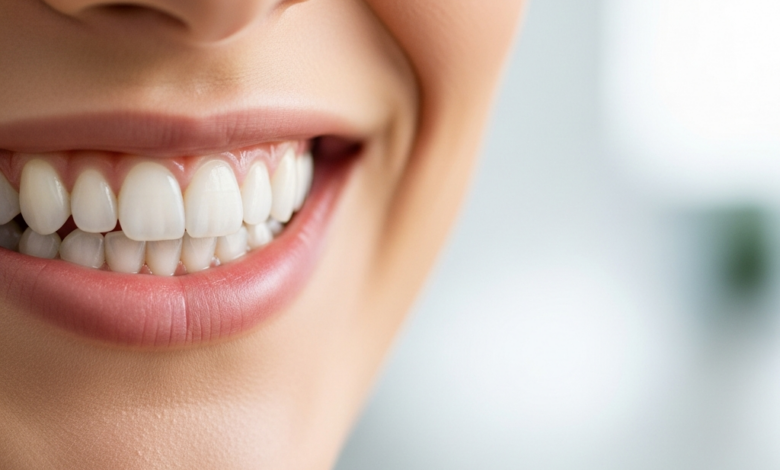
The Complete Guide to Teeth Whitening, a cornerstone of cosmetic dentistry, offers a direct path to a brighter, more confident smile. In a world where first impressions are paramount, the colour of your teeth can significantly impact self-esteem and social interactions. While countless over-the-counter products promise dazzling results, professional teeth whitening administered by a dental expert remains the gold standard for safety, efficacy, and lasting impact. This comprehensive guide will explore the science behind tooth discoloration, detail the professional whitening process, and provide essential advice for maintaining your newly radiant smile. Understanding the fundamentals of this procedure is the first step toward making an informed decision about enhancing your dental aesthetics.
Understanding Tooth Discoloration
Before diving into the whitening process, it is crucial to understand why teeth lose their natural brightness. Tooth discoloration is not a one-size-fits-all issue; it stems from various factors and is broadly categorized into two main types: extrinsic and intrinsic staining. A third category, age-related discoloration, is often a combination of both.
Extrinsic Stains
Extrinsic stains are the most common type of discoloration. They affect the outer layer of the tooth, known as the enamel. The enamel is porous, and over time, pigments from dark-coloured foods and beverages can become trapped in these tiny pores, leading to a yellowed or darkened appearance. The primary culprits behind extrinsic staining are lifestyle and dietary habits.
Common causes include:
- Dark Beverages: Coffee, tea, red wine, and dark colas are rich in chromogens, intense colour compounds that cling to tooth enamel.
- Tobacco Use: Both smoking and chewing tobacco contain tar and nicotine, which create stubborn yellow and brown stains on the teeth.
- Certain Foods: Berries, soy sauce, tomato-based sauces, and other deeply pigmented foods can contribute to surface staining over time.
- Poor Oral Hygiene: Inadequate brushing and flossing allow plaque and stain-producing bacteria to accumulate on the teeth.
Fortunately, extrinsic stains are the easiest to remove, as they reside on the surface. Professional cleanings can remove some of this buildup, but professional whitening treatments are required to break down the more persistent, embedded stains.
Intrinsic Stains
Intrinsic stains originate from within the tooth structure, specifically in the dentin, which is the layer beneath the enamel. Because these stains are deeper, they are more resistant to removal and do not respond to over-the-counter whitening products. Professional intervention is essential to address this type of discoloration.
Common causes include:
- Trauma: An injury to a tooth can cause it to produce more dentin as a protective response, which can darken the tooth. Bleeding within the tooth can also lead to deep discoloration.
- Medications: Certain antibiotics, particularly tetracycline and doxycycline, can cause significant grey or brown banding on the teeth if taken during childhood when teeth are developing.
- Excessive Fluoride: Overexposure to fluoride during early childhood can lead to fluorosis, which appears as white spots or streaks on the teeth.
- Genetics and Aging: Some individuals are genetically predisposed to have thinner enamel or yellower dentin. As we age, the enamel naturally thins, allowing more of the yellowish dentin to show through.
To better clarify the differences, the following table breaks down the key characteristics of each stain type.
| Feature | Extrinsic Stains | Intrinsic Stains |
|---|---|---|
| Location | On the outer surface of the tooth (enamel) | Inside the tooth structure (dentin) |
| Common Causes | Coffee, tea, wine, tobacco, certain foods | Trauma, medications, aging, excessive fluoride |
| Appearance | Typically yellow or brown hues | Can be grey, blueish, brown, or white spots |
| Treatability | Responds well to professional whitening | Requires stronger, professional-grade treatments |
Professional Teeth Whitening: The Clinical Approach
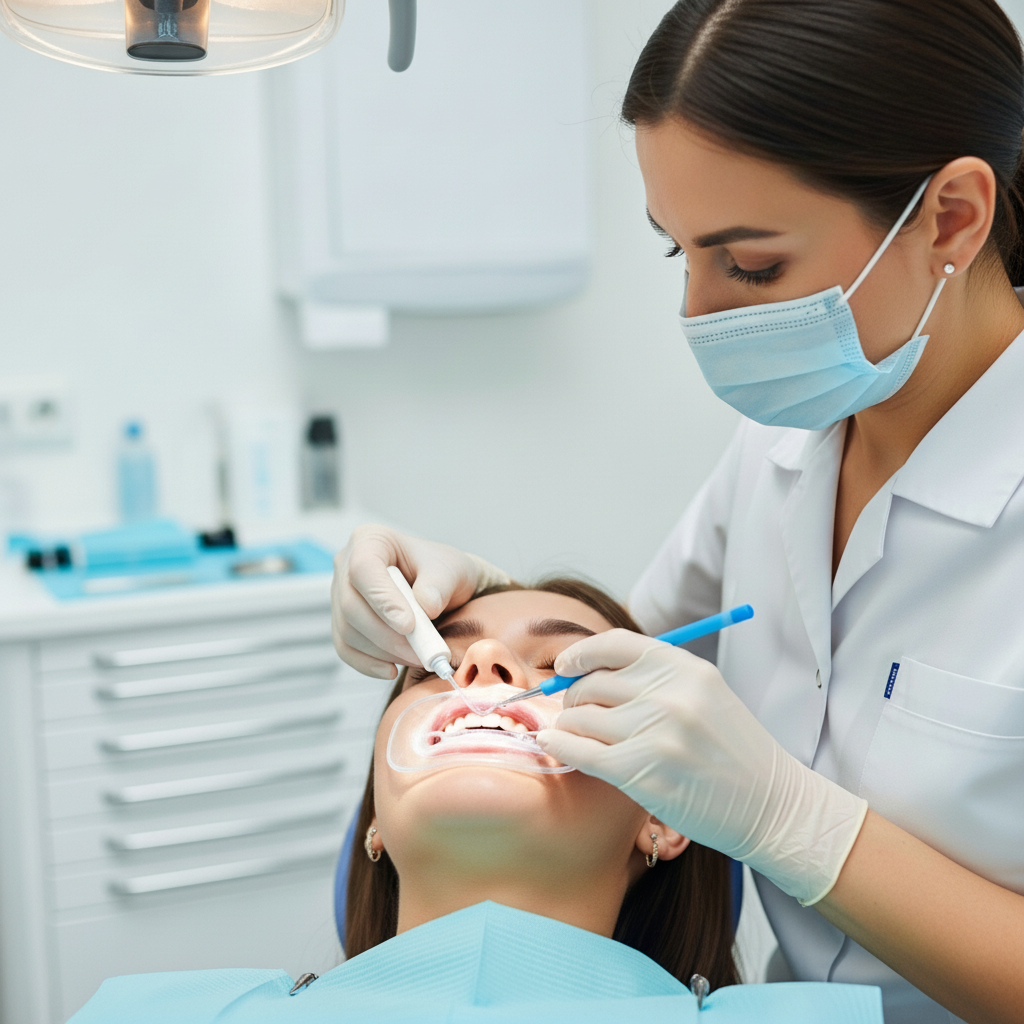
When it comes to achieving dramatic and safe results, nothing compares to in-office professional teeth whitening. This procedure is performed under the strict supervision of a dental professional, ensuring both safety and maximum effectiveness. It is a core component of smile makeover plans, such as the Hollywood Smile, designed to create a flawless and radiant appearance.
The clinical process is meticulous and designed for patient comfort and optimal outcomes.
- Initial Consultation and Examination: The first step is always a thorough dental examination. Your dentist will assess your overall oral health, checking for issues like cavities, gum disease, or cracks. These conditions must be addressed before proceeding with whitening to prevent irritation or damage. The dentist will also discuss your aesthetic goals and determine if your type of discoloration is suitable for whitening. This step is also when they check for restorations like crowns or veneers, as these will not change colour with the bleaching agent.
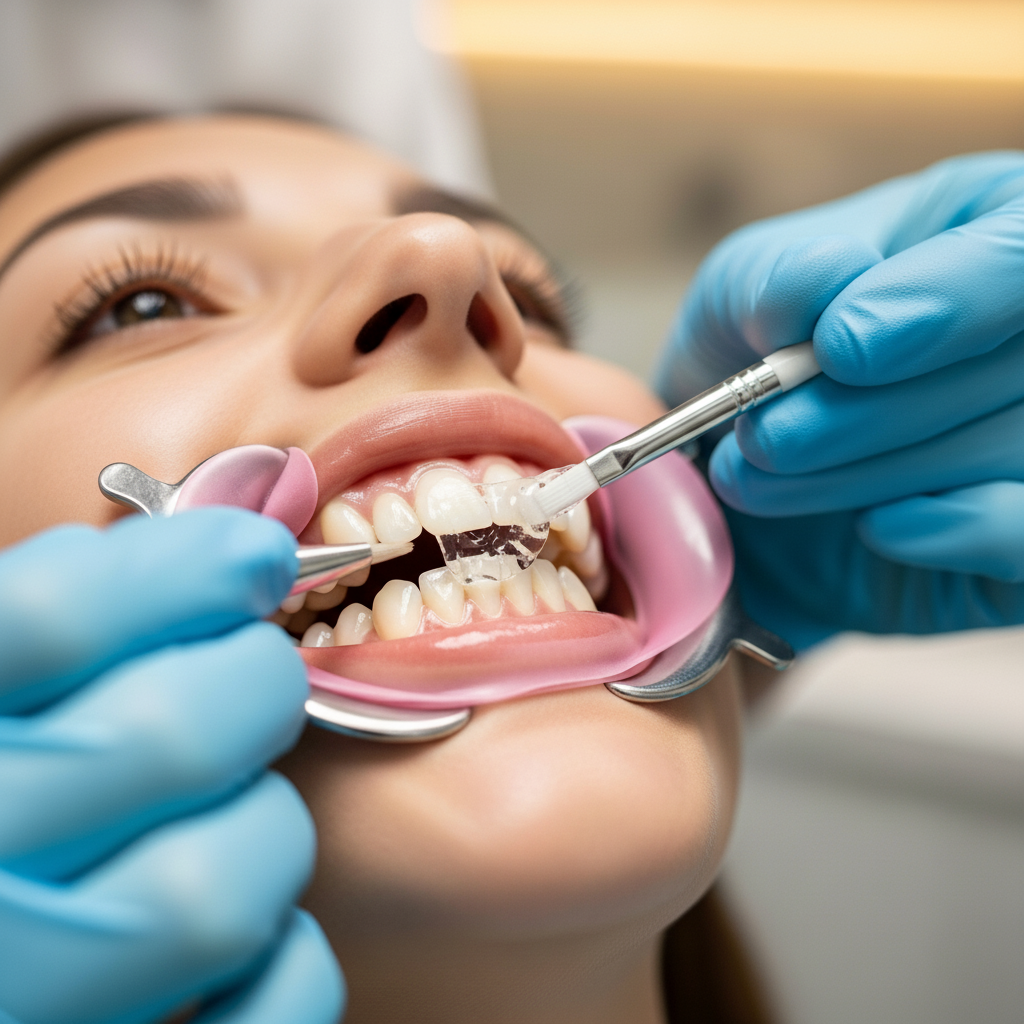
- Preparation and Protection: Once you are cleared for the procedure, your appointment will begin with a professional cleaning to remove any plaque or tartar from the tooth surfaces. To protect your soft tissues, the dentist will carefully place a rubber dam or a protective gel over your gums and lips. This is a critical safety measure that prevents the powerful whitening agent from coming into contact with these sensitive areas. Retractors will also be used to comfortably hold your lips and cheeks away from your teeth.
- Application of the Whitening Agent: A professional-grade whitening gel, typically containing a high concentration of hydrogen peroxide, is carefully and evenly applied to the visible surfaces of your teeth. The concentration used in a clinical setting is significantly higher than anything available over the counter, which is why it can produce such dramatic results so quickly and effectively.
- Activation and Processing: In many modern dental clinics, a special light or laser is directed at the teeth after the gel is applied. This light energy accelerates the chemical reaction of the whitening agent, helping it to break down stains more rapidly. The gel is typically left on the teeth for 15-20 minute intervals.
- Completion and Evaluation: After each interval, the gel is rinsed or suctioned off, and your teeth are evaluated. The process may be repeated two to three times during the same appointment to achieve the desired level of whiteness. The entire in-office treatment usually takes about 60 to 90 minutes, delivering results that are several shades lighter in just a single visit.
The Science Behind Professional Whitening
The effectiveness of professional teeth whitening is rooted in a simple but powerful chemical process: oxidation. The active ingredients used in clinical treatments are potent oxidizing agents, most commonly hydrogen peroxide or carbamide peroxide. The mechanism of tooth whitening involves these agents penetrating the tooth’s enamel and dentin. Once inside, they trigger an oxidation reaction that breaks down the large, complex chromogen molecules responsible for staining into smaller, simpler, and colourless molecules. This chemical change effectively neutralizes the stain, restoring the tooth’s natural, brighter colour without damaging the tooth structure itself. The use of a curing light in the clinic accelerates this breakdown, allowing the peroxide to release its oxygen ions more quickly and supercharging the whitening effect in a controlled, safe environment.
Benefits and Considerations of In-Office Whitening
Opting for a professional, in-office whitening procedure provides a host of advantages over other methods. The primary benefit is the combination of speed and results. Patients can walk out of the dental clinic with a noticeably brighter smile after just one session. Furthermore, the procedure is conducted under expert supervision, which drastically minimizes risks. The protection of the gums and soft tissues is a top priority, and the dentist can adjust the concentration of the bleaching agent to suit your individual sensitivity levels. This level of customization and safety is impossible to achieve with store-bought kits.
Maintaining Your Bright Smile After Teeth Whitening
Achieving a brilliant smile is the first step; maintaining it requires diligent care. Immediately following your treatment, your teeth are slightly more porous and susceptible to re-staining. For the first 48 hours, it is crucial to avoid common staining agents like coffee, tea, red wine, and tobacco. Adopting a long-term “white diet” mindset can also prolong your results. A consistent and thorough oral hygiene routine is non-negotiable. Brushing twice a day, flossing daily, and using an antiseptic mouthwash will keep your teeth clean and healthy. Regular dental check-ups and professional cleanings every six months are also essential for removing surface stains before they become deep-set. This ongoing care is a fundamental part of all cosmetic dentistry to ensure the longevity of your investment.
Professional teeth whitening, when performed by a qualified dental expert, is a transformative procedure. It offers a safe, reliable, and highly effective way to erase years of staining and dramatically enhance the aesthetics of your smile. By understanding the process and committing to proper aftercare, you can enjoy a bright, confident smile for years to come. Consulting with a dental professional is the definitive step toward determining the best path to achieve your desired results.