Veneers vs Crowns: Which Is Better for Your Smile?
Veneers vs Crowns: Which Is Better for Your Smile?
When pursuing a flawless, radiant smile, the world of cosmetic dentistry offers several transformative solutions. Among the most popular and effective are dental veneers and dental crowns. While both can dramatically improve the appearance of your teeth, they serve fundamentally different purposes and involve distinct procedures. Understanding the nuances between these two options is crucial for making an informed decision that aligns with your specific dental needs and aesthetic goals. This guide provides a comprehensive breakdown of veneers and crowns, exploring their applications, procedures, materials, and the key factors that determine which is the superior choice for your unique situation.
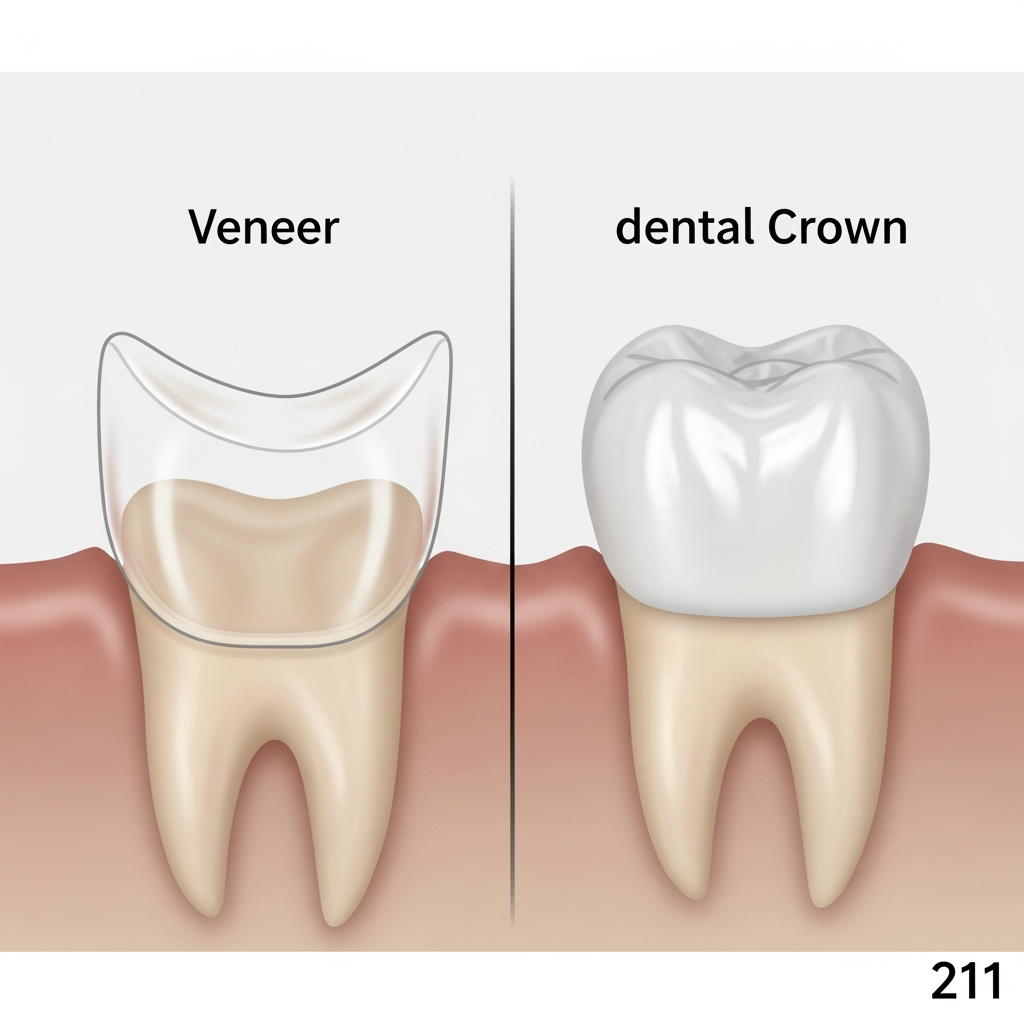
Both treatments are designed to create a beautiful, natural-looking result, but the journey to achieving that smile varies significantly. A veneer is primarily a cosmetic enhancement, a thin shell bonded to the front of a tooth to mask imperfections. A crown, on the other hand, is a full-coverage restoration, a cap that encases the entire tooth to restore its shape, size, strength, and appearance. The decision is rarely based on aesthetics alone; it is deeply rooted in the underlying health and structural integrity of your teeth.
Understanding Dental Veneers: The Cosmetic Enhancement
Dental veneers are often the go-to solution for individuals seeking to correct cosmetic flaws on otherwise healthy teeth. They are custom-made, wafer-thin shells of tooth-colored material designed to cover the front surface of teeth. Think of them as a permanent, high-end facade for your smile, capable of correcting a multitude of aesthetic concerns in a single treatment.
What Are Veneers Made Of?
The material used is a key determinant of a veneer’s durability and appearance. The two primary types are:
- Porcelain Veneers: This is the premium choice for most patients. Porcelain has a translucent quality that masterfully mimics the light-reflecting properties of natural tooth enamel. It is incredibly stain-resistant, meaning your smile will remain bright for years. They are also highly durable and, with proper care, can last for 15 years or more.
- Composite Resin Veneers: Composite veneers are made from a tooth-colored filling material that is applied directly to the tooth and sculpted into shape by the dentist. This procedure is typically less expensive and can often be completed in a single visit. However, composite material is more prone to staining and chipping than porcelain and generally has a shorter lifespan, usually around 5 to 7 years.
The Veneer Procedure: A Step-by-Step Guide
The process for getting porcelain veneers is meticulous and typically requires two to three appointments. The goal is to achieve a perfect, seamless fit that looks and feels natural.
- Consultation and Smile Design: The first step is a thorough consultation where you discuss your aesthetic goals. Your dentist will examine your teeth to ensure you are a suitable candidate. This stage often involves taking X-rays and impressions of your teeth to design your new smile.
- Tooth Preparation: To accommodate the veneer, a very small amount of enamel—typically less than a millimeter—is removed from the front surface of the tooth. This is a crucial step to ensure the veneer sits flush with your other teeth and does not look bulky. This process is far less invasive than the preparation required for a crown.
- Impressions and Temporaries: After the tooth is prepared, a precise impression is taken and sent to a dental laboratory where your custom veneers will be fabricated. This can take a couple of weeks. In the meantime, your dentist will place temporary veneers to protect the prepared teeth.
- Bonding and Final Placement: Once your permanent veneers are ready, you will return for the final appointment. The dentist will remove the temporaries and check the fit and color of the new veneers. After making any necessary adjustments, the tooth is cleaned, polished, and etched to create a strong bonding surface. A special cement is applied, the veneer is placed, and a curing light is used to harden the adhesive, permanently securing it to the tooth.
Exploring Dental Crowns: The Restorative Powerhouse
While veneers are for aesthetics, dental crowns are primarily for restoration. A crown, or “cap,” is a dental restoration that completely covers a tooth or dental implant. It is recommended when a tooth is significantly damaged, decayed, or weakened and its structural integrity is compromised. A crown restores the tooth’s original shape, size, and function while also protecting it from further damage.
When Are Crowns the Necessary Choice?
A dentist will recommend a crown over a veneer when the tooth’s health is the main concern. Common reasons include:
- Severe Tooth Decay: When a cavity is too large for a standard filling to be effective.
- Cracked or Broken Teeth: To hold together a fractured tooth and prevent it from breaking apart further.
- After a Root Canal: A tooth is often more brittle after a root canal procedure and requires a crown for protection.
- Worn-Down Teeth: Significant wear from grinding (bruxism) or other factors can necessitate crowns to restore tooth structure.
- Large, Failing Fillings: When an old filling is large and needs replacement, there may not be enough natural tooth left to support a new filling.
The Crown Procedure: A Restorative Process
The process for placing a crown also typically takes two visits but involves more significant alteration of the natural tooth.
- Initial Examination and Preparation: The dentist examines the tooth, often taking X-rays to check the roots and surrounding bone. The tooth is then numbed, and a significant portion of its outer structure is filed down from all sides and the top to make room for the crown. The amount of tooth removed depends on the type of crown used (e.g., all-metal, porcelain-fused-to-metal, or all-ceramic).
- Impressions and Temporary Crown: An impression of the prepared tooth and the surrounding teeth is made to ensure the crown will fit perfectly within your bite. This impression is sent to a lab. A temporary crown is made and placed over the prepared tooth to protect it while the permanent one is being fabricated.
- Permanent Crown Placement: On your second visit, the temporary crown is removed, and the fit and color of the permanent crown are checked. If everything is perfect, the new crown is permanently cemented into place.
Detailed Comparison: Veneers vs Crowns
Choosing between these two treatments depends entirely on your dental condition and cosmetic goals. The primary distinction lies in their purpose: veneers enhance, while crowns restore. Here is a direct comparison of their key features.
| Feature | Dental Veneers | Dental Crowns |
|---|---|---|
| Primary Purpose | Cosmetic (to improve appearance, color, shape) | Restorative (to repair and strengthen a damaged tooth) |
| Tooth Preparation | Minimal; only a thin layer of enamel is removed from the front surface (approx. 0.5mm). | Extensive; significant tooth structure is removed from all sides and the top (approx. 1.5mm or more). |
| Coverage | Covers only the front surface of the tooth. | Encapsulates the entire tooth, down to the gum line. |
| Material | Typically porcelain or composite resin. | Porcelain, Zirconia, E-max, porcelain-fused-to-metal (PFM), or gold alloys. |
| Ideal Candidates | Patients with minor cosmetic issues like stains, small chips, gaps, or slight crookedness. | Patients with severe decay, large fillings, cracked teeth, or post-root canal treatment. |
| Durability & Lifespan | Porcelain can last 10-15+ years; composite 5-7 years. | Can last 10-20+ years, depending on the material and patient’s oral hygiene. |
| Invasiveness | Minimally invasive procedure. | Considered a more invasive procedure due to significant tooth reduction. |
Making the Right Decision for Your Oral Health
The best way to determine whether a veneer or a crown is right for you is through a professional consultation with an experienced cosmetic dentist. The decision will be based on a thorough examination of your teeth and a discussion of your desired outcome. If your tooth is structurally sound and you only wish to change its appearance, a veneer is almost always the preferred, more conservative option. However, if the tooth has been compromised by decay, trauma, or a large filling, a crown is the only viable solution to ensure its long-term health and function. Studies on the longevity of dental restorations show that both crowns and veneers have high success rates when properly placed and cared for, but their indications for use are distinct. As a comprehensive review in the Journal of Clinical Medicine notes, the selection of the restoration depends heavily on the remaining tooth structure and functional demands.
Aftercare and Maintenance
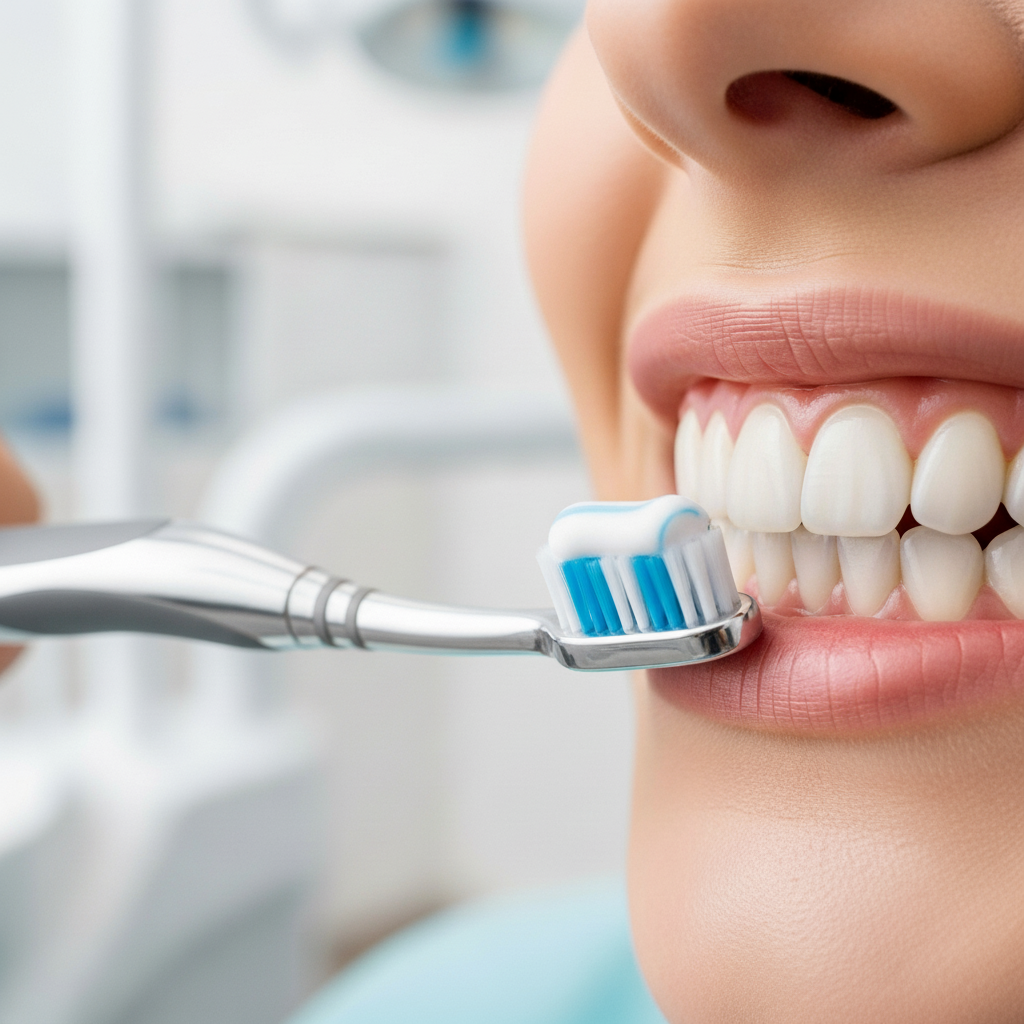
Regardless of which option you choose, long-term success depends on excellent oral hygiene. Both veneers and crowns require diligent care, just like your natural teeth. This includes brushing twice a day, flossing daily, and attending regular dental check-ups and cleanings. While the materials themselves are resistant to decay, the underlying tooth and the gum line where the restoration meets the tooth are still vulnerable. Avoiding excessively hard or sticky foods and wearing a nightguard if you grind your teeth can also help prolong the life of your new smile. Investing in a beautiful smile is a significant step, and understanding all aspects, including the different options in smile design, is key to satisfaction.
Ultimately, both veneers and crowns are powerful tools in modern dentistry that can restore both the beauty and function of a smile. Veneers offer a brilliant cosmetic fix with minimal tooth alteration, while crowns provide a robust, full-coverage solution for damaged teeth. The correct choice is not about which is “better” in general, but which is specifically right for your tooth’s condition and your personal aesthetic vision.