Signs You Might Need a Root Canal Treatment
Signs You Might Need a Root Canal Treatment are often subtle at first but can quickly escalate into significant discomfort, signaling a deep-seated issue within your tooth. The mere mention of a root canal can cause anxiety for many, but this perception is largely based on outdated information. Modern dentistry has transformed this procedure into a highly effective, comfortable, and essential tool for saving natural teeth. A root canal is not the cause of pain; it is the solution to the pain caused by a severe infection. Understanding the signs, the procedure itself, and its profound benefits can empower you to seek timely care and preserve your smile for a lifetime. This comprehensive guide will demystify the entire process, from identifying the initial symptoms to understanding the advanced techniques used to restore your tooth’s health and function.
What is a Tooth’s Pulp and Why Does It Get Infected?
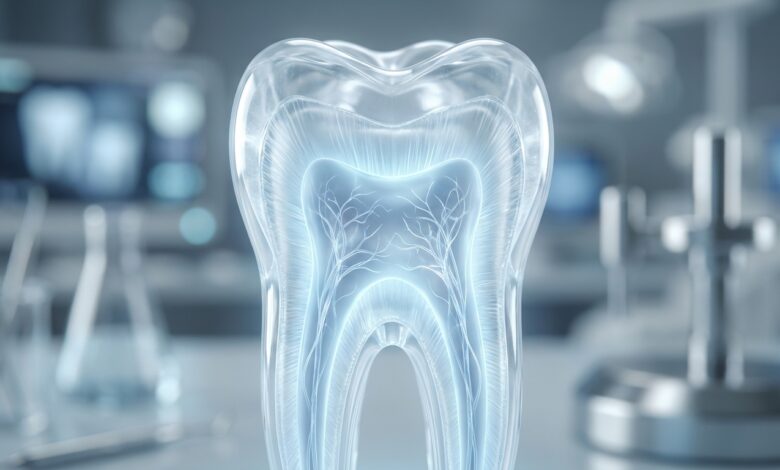
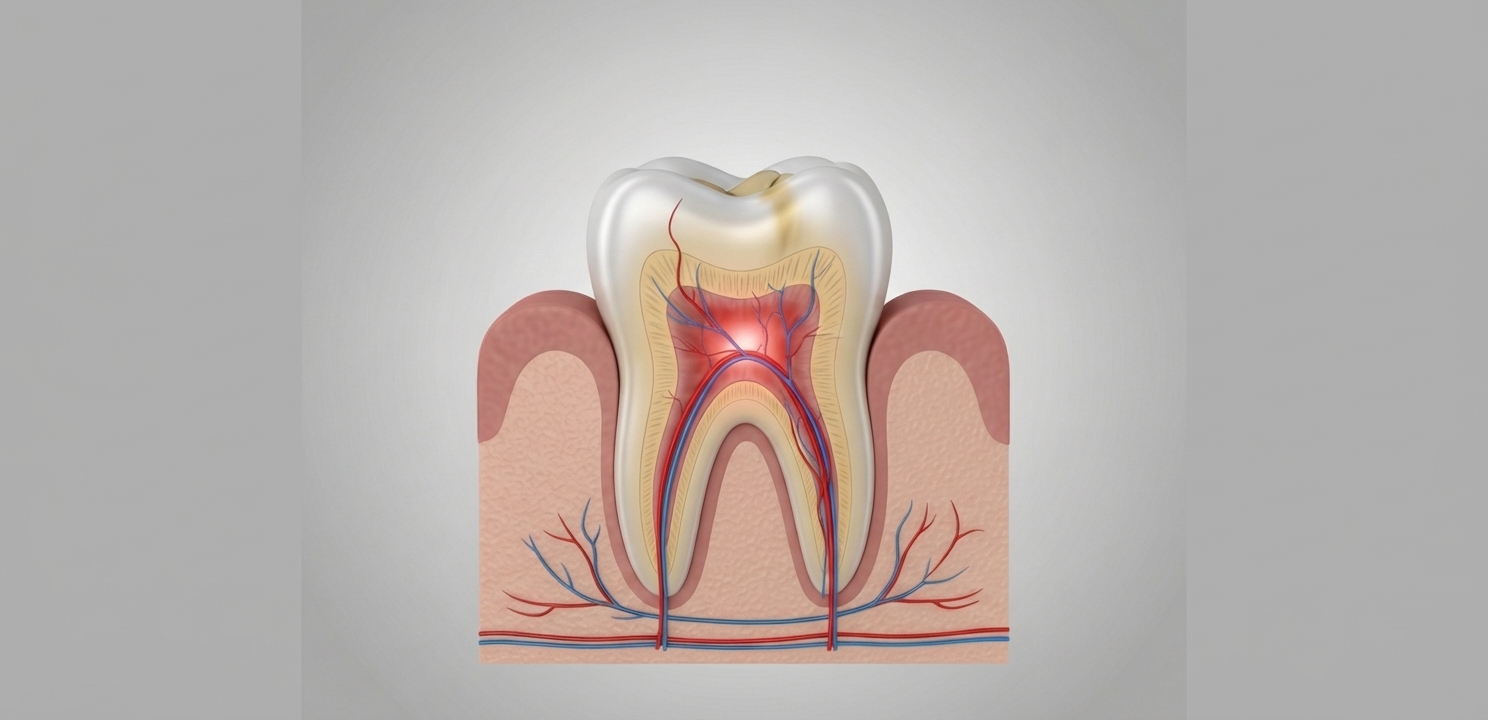
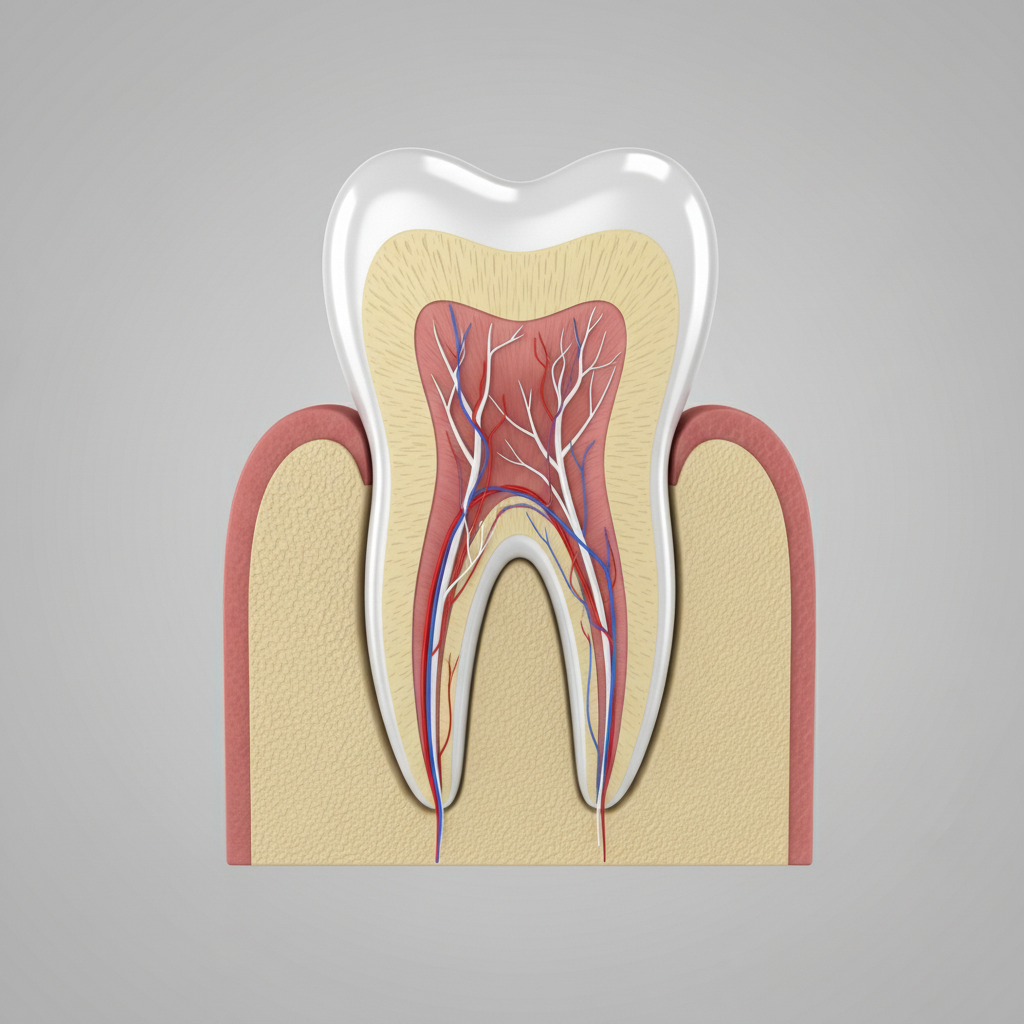
To grasp the necessity of a root canal, it is crucial to understand the anatomy of a tooth. Each tooth has three main layers. The outermost layer is the enamel, the hardest substance in the human body, which serves as a protective shield. Beneath the enamel lies the dentin, a softer, porous layer that makes up the bulk of the tooth structure. At the very center of the tooth is a soft tissue chamber known as the pulp.
The pulp contains nerves, blood vessels, and connective tissue. It plays a vital role during a tooth’s development, but a fully mature tooth can survive without its pulp because it continues to be nourished by the tissues surrounding it. The pulp chamber extends down through the roots of the tooth in thin channels, which are the “canals.”
An infection of the pulp, known as pulpitis, occurs when bacteria penetrate the enamel and dentin layers. This can happen for several reasons:
- Deep Decay: An untreated cavity allows bacteria to eat through the tooth’s layers until they reach the pulp.
- Cracks or Chips: A fracture in the tooth can create a direct pathway for bacteria to invade the pulp chamber.
- Repeated Dental Procedures: Multiple treatments on the same tooth can sometimes stress the pulp, leading to inflammation and infection.
- Trauma: A direct blow to a tooth, even one that doesn’t cause a visible crack, can damage the pulp tissue and lead to its death and subsequent infection.
Once bacteria infect the pulp, the tissue becomes inflamed. The body’s immune response causes swelling inside the rigid confines of the tooth, which puts pressure on the nerve, leading to intense pain. If left untreated, the pulp tissue will die, and the infection can spread out of the root tips into the surrounding jawbone, forming a painful pocket of pus known as an abscess. This can lead to bone loss, swelling of the face, and even systemic health issues.
Key Symptoms That Point to an Infected Pulp
The body provides several clear signals when a tooth’s pulp is in distress. Recognizing these symptoms early can lead to more effective treatment and prevent the infection from spreading. While only a dentist can definitively diagnose the need for a root canal, these are the most common indicators.
Persistent and Severe Tooth Pain
This is the most well-known symptom. The pain is not a fleeting ache; it is often deep, throbbing, and can be spontaneous, waking you up at night. It may change in intensity when you change posture, such as when lying down. This persistent pain is a sign that the nerve inside the tooth is severely inflamed or dying. The primary goal of a root canal is to eliminate this source of pain. For a deeper understanding of dental pain, it is useful to know what causes toothache and how dentists treat it in various contexts.
Prolonged Sensitivity to Heat and Cold
While minor sensitivity is common, a key sign of pulp damage is sensitivity that lingers long after the hot or cold stimulus is removed. If the pain from a sip of hot coffee or a bite of ice cream lasts for more than 30 seconds, it often indicates that the pulp is inflamed and unhealthy.
Swelling and Tenderness in the Gums
An infection spreading from the tooth’s root can cause the surrounding gum tissue to become swollen, tender, and painful to the touch. The swelling may be localized to the area around the affected tooth or can sometimes spread to the face and neck.
A Pimple on the Gums (Abscess)
A recurring or persistent pimple-like bump on the gums, known as a fistula or gumboil, is a clear sign of an abscess. This is the body’s way of draining the pus from the infection at the root tip. It might release a foul-tasting fluid and may temporarily relieve pressure, but the underlying infection remains and requires professional treatment.
Tooth Discoloration
An injury or internal infection can damage the blood vessels within the pulp, causing the tooth to die. This can lead to a breakdown of the internal tissue, which stains the dentin, giving the tooth a grayish or dark appearance. This discoloration is a strong indicator that the pulp is necrotic (dead) and infected.
The Step-by-Step Guide to a Modern Root Canal Treatment
Modern endodontic procedures are sophisticated, precise, and focused on patient comfort. The process is designed to completely remove the infection and seal the tooth to prevent any future problems. It is typically completed in one or two visits. The following table breaks down the main stages of the procedure.
| Stage | Key Actions | Purpose |
|---|---|---|
| 1. Diagnosis and Preparation | Dental X-rays, application of local anesthesia, placement of a rubber dam. | To confirm the infection, numb the area completely, and isolate the tooth to keep it sterile during treatment. |
| 2. Access and Cleaning | An opening is made in the tooth’s crown. The infected pulp is removed. The canals are cleaned, shaped, and disinfected with special instruments and irrigating solutions. | To remove the source of infection and pain and prepare the canals for filling. |
| 3. Filling and Sealing | The cleaned canals are filled with a biocompatible, rubber-like material called gutta-percha. A cement seals the material in place. | To fill the empty space and prevent bacteria from re-entering the canals. |
| 4. Restoration | A temporary filling is placed on the access opening. A permanent restoration (usually a dental crown) is scheduled for a later date. | To protect the treated tooth from fracture and restore its full chewing function and appearance. |
Life After a Root Canal: Recovery and Restoration
The recovery period after a root canal is typically straightforward. Once the local anesthesia wears off, the tooth and surrounding gums may feel a bit sensitive or tender for a few days, especially if there was significant pain or infection before the procedure. This mild discomfort can usually be managed with over-the-counter pain relievers.
The most critical part of the post-treatment phase is the final restoration of the tooth. A tooth that has undergone a root canal is more brittle than a healthy tooth because the pulp, which provided hydration, has been removed. It is also structurally weaker from the access opening made during the procedure. To protect the tooth from fracturing under the immense pressure of biting and chewing, a dental crown is almost always recommended. The crown acts as a protective helmet, encasing the tooth and restoring its strength, function, and appearance. With a proper restoration and good oral hygiene, a tooth treated with a root canal can last a lifetime.
Debunking Common Myths About Root Canals
Misinformation often prevents people from seeking a procedure that could save their tooth. It is important to separate fact from fiction.
Myth 1: Root Canals are Extremely Painful.
This is the most persistent myth. The reality is that the root canal procedure is performed to relieve the severe pain caused by an infected tooth. With modern anesthetics and advanced techniques, the treatment itself is typically no more uncomfortable than getting a standard filling. Patients often report immediate relief from the pain they were experiencing before the appointment.
Myth 2: It’s Better to Just Pull the Tooth.
Saving your natural tooth should always be the priority. Tooth extraction is a more traumatic procedure with a longer recovery time. It also creates a gap that can cause adjacent teeth to shift, leading to bite problems. Replacing a missing tooth with a bridge or dental implant is more expensive and time-consuming than a root canal and crown. Preserving the natural tooth maintains your natural bite and jaw structure.
Myth 3: The Benefits Don’t Last.
Root canal treatments are highly successful. Scientific literature confirms that the success rate for endodontic therapy is very high, with many studies reporting success rates well over 95% for cases without pre-existing infection spreading to the bone. According to a comprehensive overview on the topic, a properly restored tooth following a root canal can last for the rest of a person’s life. This long-term success is well-documented in dental research, making it a reliable and durable solution. The success hinges on the quality of the procedure and the patient’s commitment to good oral hygiene and regular dental check-ups.