7 Signs You May Need Dental Implants
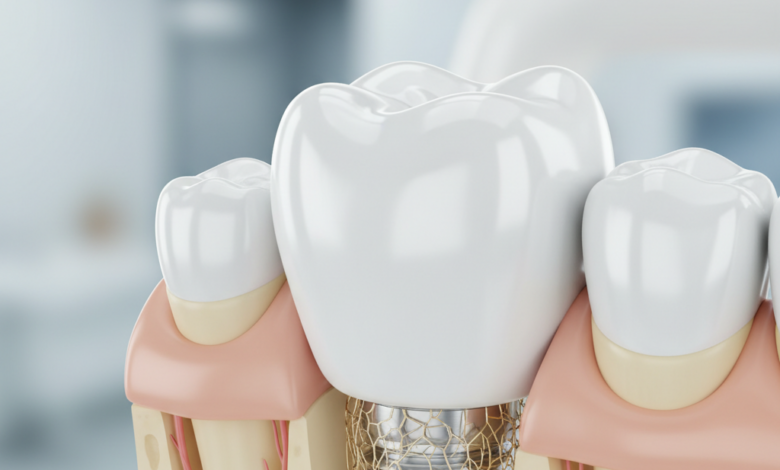
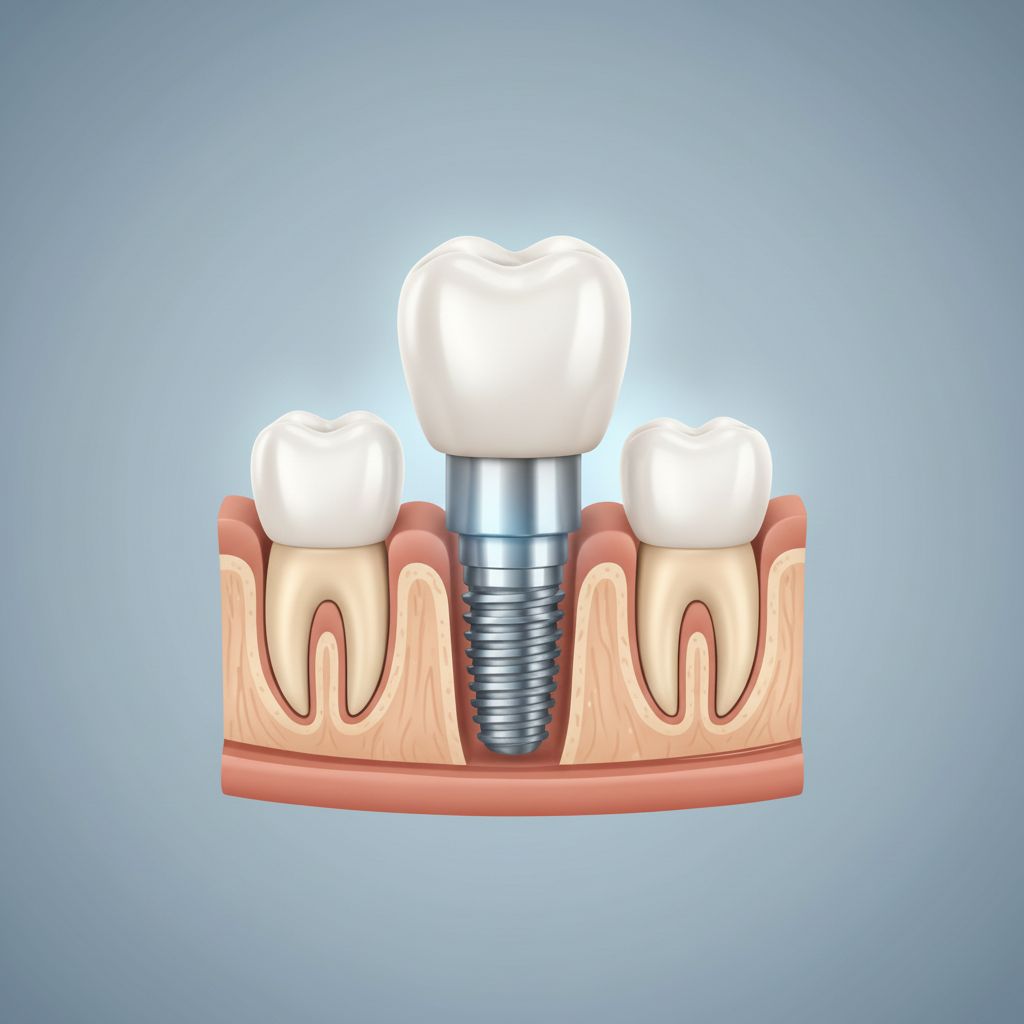
Before exploring the specific signs, it’s crucial to understand what a dental implant is and why it has become the gold standard in restorative dentistry. A dental implant is a comprehensive, three-part structure designed to replace a missing tooth from root to crown. The first component is a small, screw-like post, typically made of biocompatible titanium, which is surgically placed into the jawbone. This post acts as a new tooth root. Over a period of several months, a remarkable process called osseointegration occurs, where the jawbone fuses directly with the titanium post, creating an incredibly strong and stable foundation.
7 Signs You May Need Dental Implants are often subtle at first, but they point towards a need for a more permanent and stable solution for your oral health. A missing tooth is more than just a gap in your smile; it’s a catalyst for a cascade of dental issues that can affect your chewing ability, jawbone health, and even your facial structure. While traditional solutions like bridges and dentures have served patients for decades, dental implants represent the pinnacle of tooth replacement technology, offering a solution that mimics the function and appearance of natural teeth. Understanding the indicators that suggest you are a prime candidate for this advanced treatment is the first step toward restoring your smile’s full potential and safeguarding your long-term oral well-being. This guide will delve into the critical signs that signal it might be time to consult with a dental professional about the transformative benefits of dental implants.
Understanding the Role of Dental Implants in Modern Dentistry
The second part is the abutment, a connector piece that is attached to the top of the implant post once healing is complete. The abutment sits just above the gum line and serves as the anchor for the final component: the crown. The dental crown is the visible, tooth-shaped part of the restoration. It is custom-crafted to match the color, size, and shape of your surrounding natural teeth, ensuring a seamless and aesthetically pleasing result. The true genius of this system lies in its ability to replicate the natural anatomy of a tooth, not only restoring your smile but also preserving the health of your jawbone by providing the stimulation it needs to remain dense and strong.
Key Signs You May Need Dental Implants
Recognizing the symptoms and situations that make dental implants an ideal solution is essential. If you identify with one or more of the following points, it may be time to schedule a consultation to discuss your options. These indicators go beyond simple aesthetics and touch upon critical aspects of your oral function and health.
1. You Have One or More Missing Teeth
This is the most direct and obvious reason to consider a dental implant. A gap left by a missing tooth can cause a host of problems. Aesthetically, it can make you feel self-conscious about smiling or speaking. Functionally, it can impair your ability to chew properly, leading to digestive issues or dietary limitations. More critically, the adjacent teeth may begin to drift and shift into the empty space, disrupting your bite alignment and potentially causing crooked teeth, TMJ (temporomandibular joint) disorders, and uneven wear on your remaining teeth. An implant fills this gap with a standalone tooth that doesn’t rely on neighboring teeth for support, preventing this harmful shifting and restoring proper bite mechanics.
2. You Possess a Severely Cracked or Broken Tooth
Not all damaged teeth can be saved. While a dentist’s primary goal is always to preserve the natural tooth structure, sometimes the damage is too extensive. A tooth that is fractured vertically or broken off below the gum line often has a poor long-term prognosis, even with treatments like a root canal and crown. In such cases, attempting to save the tooth can lead to future infections, pain, and eventual failure. A more predictable and durable solution is to extract the compromised tooth and replace it with a dental implant. This approach removes the source of potential infection and provides a reliable, long-lasting replacement that will serve you well for decades.
3. You Are Frustrated with Your Removable Dentures
Many individuals who wear partial or full dentures experience a range of common frustrations. Dentures can slip or click while talking or eating, causing embarrassment and discomfort. The need for messy adhesives to keep them in place is a daily hassle. Furthermore, because dentures rest on top of the gums, they do not stimulate the underlying jawbone, leading to bone resorption and a changing facial structure over time. This often requires the dentures to be relined or remade periodically. Implant-supported dentures offer a revolutionary alternative. A few strategically placed implants can anchor a full denture, providing exceptional stability (no more slipping), eliminating the need for adhesives, and restoring up to 90% of your natural chewing power.
4. You Suffer from Progressive Jawbone Loss
Your jawbone maintains its density and form because it is constantly stimulated by the roots of your teeth. When a tooth is lost, that stimulation disappears, and the body begins to resorb the bone in that area. This process can lead to a “sunken” or aged facial appearance as the bone that supports your lips and cheeks deteriorates. Dental implants are the only tooth replacement option that directly addresses this issue. Through osseointegration, the implant fuses with the bone, providing the same type of stimulation as a natural tooth root. This halts the process of bone resorption, preserving your facial structure and preventing the long-term consequences of an unstimulated jaw.
Exploring Additional Indicators for Implant Candidacy
Beyond the most common signs, other factors can point toward dental implants as the superior choice for your oral health and quality of life. These often relate to the long-term functional and aesthetic consequences of tooth loss that other replacement options fail to address adequately.
5. You Struggle with an Infected Tooth That Requires Extraction
A severe tooth infection or abscess that cannot be resolved with root canal therapy often necessitates the tooth’s removal to prevent the infection from spreading to other parts of the body. Once the infected tooth is extracted and the site has healed, an implant is an excellent choice for replacement. It restores function to the area without compromising the health of the adjacent teeth, as a traditional bridge would. By choosing an implant, you are opting for a solution that contains the problem and provides a new, healthy, and non-biological tooth that is immune to decay.
6. Your Dentures or Bridge Make Chewing Difficult
The inability to eat your favorite foods can significantly impact your quality of life and nutrition. Removable dentures can make it difficult to chew tough or crunchy foods, limiting your diet. Dental bridges, while stable, can sometimes feel less secure than a natural tooth, and cleaning around them can be a challenge. Because dental implants are anchored directly into the jawbone, they restore nearly 100% of your natural bite force. This allows you to eat steak, apples, nuts, and any other food with complete confidence, knowing your replacement tooth is as strong and stable as the real thing.
7. You Desire a Permanent, Low-Maintenance Solution
Dental implants are designed to be a permanent solution for tooth loss. Unlike dentures that need to be removed for cleaning or bridges that may need replacement every 10-15 years, a well-cared-for dental implant can last a lifetime. The maintenance is straightforward and identical to that of natural teeth: regular brushing, flossing, and routine dental check-ups. There are no special adhesives, soaking solutions, or complicated cleaning routines. For individuals seeking a “fit and forget” solution that integrates seamlessly into their life, the durability and ease of care associated with dental implants are unparalleled. You can learn more about the various advanced dental implant techniques that make this possible. The long-term success rates of dental implants are extensively documented in scientific literature, often exceeding 95% over 10 years, making them one of the most predictable procedures in dentistry.