Why Flossing Is Important for Your Oral Health
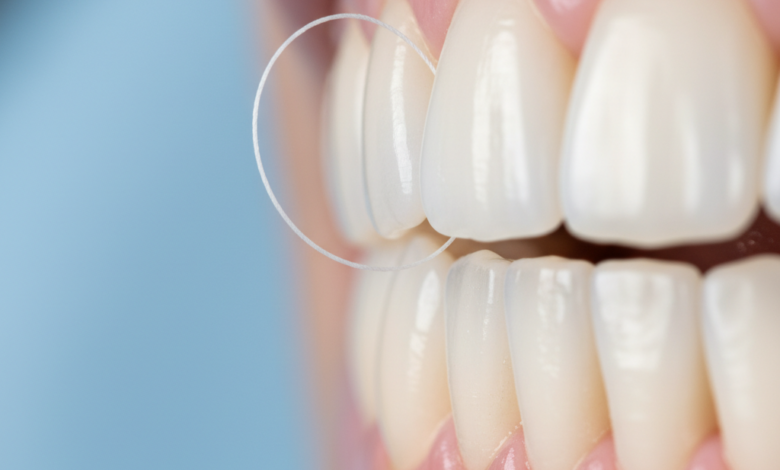
Why Flossing Is Important for Your Oral Health

Maintaining optimal oral hygiene extends far beyond the simple act of brushing your teeth. While brushing effectively cleans the surfaces of your teeth, it often misses critical areas where food particles and plaque accumulate: the tight spaces between your teeth and just beneath the gum line. This oversight can lead to a cascade of oral health problems, ranging from bad breath to serious gum disease and tooth loss. Understanding the indispensable role of flossing is the first step towards a truly comprehensive oral care routine that safeguards not only your teeth and gums but also contributes to your overall well-being.
Understanding Oral Health: More Than Just Brushing
Brushing is undoubtedly the cornerstone of daily oral hygiene. It removes food debris and plaque from the broad surfaces of your teeth, stimulates your gums, and freshens your breath. However, even the most meticulous brushing technique cannot adequately clean the minuscule, often irregular gaps between teeth where two tooth surfaces meet. These interdental spaces are prime breeding grounds for bacteria, creating an environment ripe for plaque formation and subsequent dental issues. Imagine your mouth as a complex landscape with numerous nooks and crannies. While your toothbrush can navigate the peaks and valleys of your teeth, its bristles are too thick to effectively penetrate the tight crevices between them. This leaves behind microscopic food particles, dead cells, and a sticky film of bacteria known as plaque. If left undisturbed, this plaque hardens into tartar (calculus), which is even more challenging to remove and provides a rough surface for more plaque to adhere to. The accumulation of plaque and tartar in these hidden areas is the primary culprit behind most common dental ailments, including cavities and gum inflammation.
Why Flossing Is Important: The Core Benefits
Flossing acts as a specialized tool, reaching where a toothbrush cannot. By manually removing plaque and food debris from these inaccessible areas, flossing provides a layer of protection that is crucial for maintaining a healthy mouth. It’s not just an add-on; it’s an integral component of a preventative oral care strategy. This daily ritual, often overlooked or rushed, plays a pivotal role in preventing numerous dental problems, thereby reinforcing the importance of diligent oral hygiene.
Prevents Plaque Buildup
Plaque is a colorless, sticky film of bacteria that constantly forms on your teeth. These bacteria feed on sugars from the food and drinks you consume, producing acids that erode tooth enamel and irritate gums. Flossing physically scrapes this plaque away from the interdental surfaces and under the gum line, preventing its accumulation and subsequent calcification into tartar. Regular and thorough flossing ensures these vulnerable areas remain clean, significantly reducing the bacterial load in your mouth.
Fights Gum Disease (Gingivitis & Periodontitis)
One of the most critical reasons why flossing is important is its direct impact on preventing gum disease. When plaque is allowed to accumulate along the gum line, it triggers an inflammatory response known as gingivitis. Symptoms include red, swollen, and easily bleeding gums. If gingivitis is left untreated, it can progress to periodontitis, a more severe form of gum disease. Periodontitis leads to the destruction of the bone and tissues supporting your teeth, forming pockets between the teeth and gums that become infected. Without intervention, periodontitis can result in tooth loosening and eventual tooth loss. Flossing disrupts the bacterial colonies that cause these conditions, protecting your gum health and the foundation of your teeth.
Reduces Cavity Risk
Cavities, also known as tooth decay, are caused by acids produced by bacteria that erode tooth enamel. While brushing tackles cavities on accessible surfaces, interdental cavities are notoriously common because plaque and food particles often remain trapped between teeth, creating an acidic environment where decay thrives. Flossing removes these trapped particles and plaque, denying bacteria the fuel they need to produce cavity-causing acids in these critical spaces. This preventative action is vital for preserving the structural integrity of your teeth and avoiding painful and costly dental restorations.
Banishes Bad Breath (Halitosis)
Bad breath, or halitosis, is a common and often embarrassing problem. A significant contributor to bad breath is the accumulation of food particles and plaque between your teeth and on your tongue. Anaerobic bacteria, which thrive in oxygen-poor environments, break down these trapped particles and produce foul-smelling volatile sulfur compounds. Brushing alone cannot effectively dislodge all these odor-causing agents from between your teeth. Flossing mechanically removes these particles and the bacteria that feast on them, leaving your mouth fresher and significantly reducing the likelihood of halitosis.
Protects Overall Systemic Health
The connection between oral health and general health is increasingly recognized by the medical community. The mouth is often considered a gateway to the rest of the body, and the bacteria present in an unhealthy mouth can potentially enter the bloodstream. Chronic inflammation from gum disease has been linked to various systemic conditions, including cardiovascular disease, diabetes, respiratory issues, and even adverse pregnancy outcomes. While flossing is not a cure for these conditions, maintaining excellent oral hygiene through regular flossing helps reduce systemic inflammation and the overall bacterial load, contributing positively to your broader health profile.
Navigating Floss Types and Techniques
The world of dental floss offers a variety of options, catering to different preferences and needs. Understanding these choices and mastering the correct technique can significantly enhance the effectiveness of your flossing routine.
Choosing the Right Floss and Mastering the Method
There are several types of floss and interdental cleaning aids. Waxed floss is coated with a thin layer of wax, making it stronger and less likely to shred, particularly if your teeth are very close together. It glides easily into tight spaces, beneficial for beginners or those with crowded teeth. Unwaxed floss is thinner, made of fine nylon strands, and can fit into extremely narrow gaps, though it may shred more easily. Beyond traditional string floss, dental tape is wider and flatter, ideal for individuals with larger gaps between their teeth or those with dental work like bridges or crowns that might require a broader cleaning surface. Water flossers (oral irrigators) use a pulsating stream of water to remove food particles and plaque from between teeth and below the gum line, especially useful for braces or bridges. They often supplement string flossing rather than replacing it. Interdental brushes are small, conical or cylindrical brushes designed to fit between teeth, perfect for cleaning larger gaps or around orthodontic appliances.
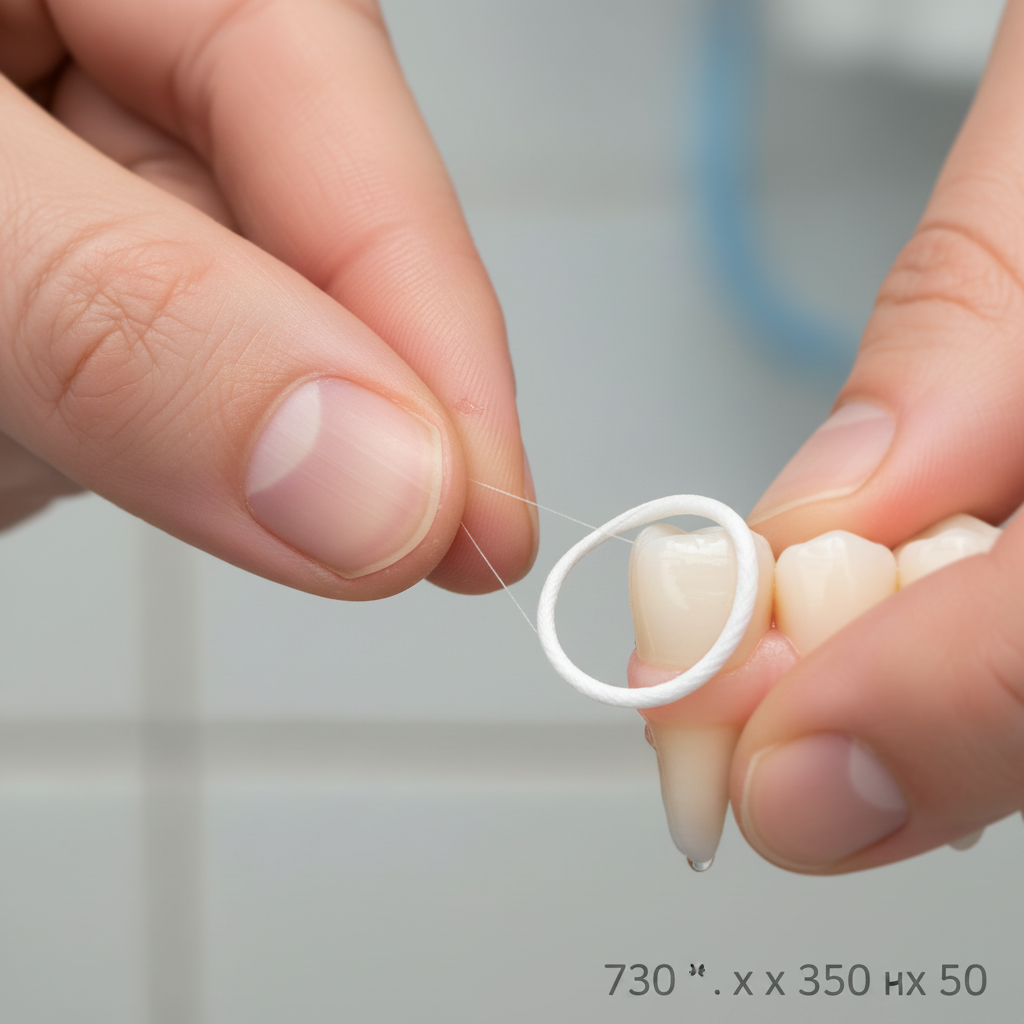
Proper technique is paramount to maximize the benefits of flossing and prevent damage to your gums. Here’s a step-by-step guide: Break off about 18 inches (45 cm) of floss. Wrap most of it around the middle finger of one hand, and the rest around the middle finger of the other hand, leaving about one or two inches (2.5-5 cm) of floss taut between your thumbs and forefingers. Use a gentle, rocking motion to guide the floss between your teeth, avoiding snapping it down, which can injure your gums. Once the floss reaches the gum line, curve it into a “C” shape against one tooth, gently sliding it into the space between the gum and the tooth. Hold the floss firmly against the tooth and move it up and down, scraping the side of the tooth. Repeat this for the adjacent tooth. As you move from tooth to tooth, unroll a fresh section of floss from one finger and wind the used floss onto the other. This ensures you’re always using a clean portion. Remember to floss the back side of your last molars.
Common Flossing Misconceptions
Despite its proven benefits, flossing is often neglected due to various myths and misunderstandings. Addressing these can help encourage a more consistent and effective oral hygiene routine.
Addressing Myths and Encouraging Practice
One common misconception is that “flossing makes my gums bleed.” While your gums might bleed when you first start flossing, especially if you haven’t done it regularly, this bleeding is often a sign of gingivitis (gum inflammation) caused by plaque buildup. When you begin to floss, you’re dislodging bacteria and plaque that have been irritating your gums. As you continue to floss daily, the inflammation will typically subside, and the bleeding should stop within a week or two. If bleeding persists, it’s advisable to consult with a dental professional, as it could indicate a more serious underlying issue or improper technique. Another pervasive myth is that “brushing is enough.” As discussed, brushing is essential but incomplete. It effectively cleans approximately 60-70% of your tooth surfaces. The remaining 30-40% – primarily the areas between your teeth and under the gum line – are where flossing excels. Relying solely on brushing leaves these critical areas vulnerable to plaque accumulation, cavities, and gum disease. For truly comprehensive oral hygiene, brushing and flossing are synergistic and equally necessary components.
Incorporating Flossing into Your Routine
Making flossing a non-negotiable part of your daily routine can feel like a challenge at first, but with consistency and the right approach, it quickly becomes a natural habit. The key is to find what works best for you and commit to it every day.
Building a Consistent Daily Habit
The benefits of flossing are cumulative. Sporadic flossing, while better than none, will not provide the same level of protection as a daily habit. Aim to floss at least once a day, ideally before bedtime, to remove plaque and food particles that have accumulated throughout the day. Consistency ensures that bacterial colonies do not have enough time to mature and cause significant damage. There’s no strict rule for when to floss – before or after brushing – the most important thing is simply doing it. Flossing before brushing can dislodge food particles and plaque, allowing your toothbrush to sweep them away more effectively, while flossing after brushing can ensure that any remaining particles are removed. Choose the time that fits best into your schedule and that you are most likely to stick with consistently. What truly matters is the mechanical removal of plaque from those hard-to-reach areas. Flossing is a crucial element, but it works best in conjunction with other good oral hygiene habits. Regular brushing with a fluoride toothpaste, using an antimicrobial mouthwash (if recommended by your dentist), and maintaining a balanced diet low in sugar all contribute to a healthy mouth. Furthermore, don’t underestimate the importance of routine dental check-ups and professional cleanings. These appointments allow dentists to identify and address issues early, provide thorough cleanings that remove stubborn tartar, and offer personalized advice on improving your oral care routine. For more tips on maintaining a pristine smile, explore 10 Dentist-Recommended Oral Hygiene Tips. By integrating daily flossing into your oral care regimen, you are taking a proactive step towards preventing common dental problems, safeguarding your gum health, and contributing to your overall well-being. It’s a small effort for a significant return: a healthier, brighter smile that lasts a lifetime.