How Much Does It Cost to Fix Crooked Teeth?
How Much Does It Cost to Fix Crooked Teeth? Understanding the investment required to achieve a straighter, healthier smile is often the first step for many individuals considering orthodontic or cosmetic dental treatments. Crooked teeth, also known as malocclusion, are a common dental concern that can impact not only the aesthetics of your smile but also your oral health, speech, and overall self-confidence. Fortunately, modern dentistry offers a wide array of solutions, from traditional braces to advanced clear aligners and cosmetic veneers, each with its own advantages, treatment duration, and, of course, cost implications. Navigating these options can seem daunting, but by understanding the various factors that influence pricing, you can make an informed decision about your dental journey.

Why Consider Fixing Crooked Teeth?
The decision to correct misaligned teeth extends far beyond purely aesthetic desires. While a straight smile is often associated with beauty and confidence, there are significant health benefits to consider. Crooked teeth can create hard-to-reach areas in the mouth, making effective brushing and flossing challenging. This can lead to an increased risk of plaque buildup, tooth decay, gum disease, and even bad breath. Furthermore, malocclusion can contribute to uneven wear on tooth surfaces, jaw pain (TMJ disorders), difficulties with chewing, and speech impediments. Addressing these issues early can prevent more severe and costly problems in the future, improving long-term oral health and overall well-being.
Understanding the Methods for Correcting Misalignment
The approach to fixing crooked teeth varies greatly depending on the severity of the misalignment, the patient’s age, and individual preferences. Modern dentistry provides both orthodontic and cosmetic solutions.
Traditional Braces: The Tried and True Method
Traditional metal braces remain one of the most effective and widely used methods for correcting significant dental misalignments. Composed of metal brackets bonded to the teeth and connected by a wire, braces work by exerting continuous, gentle pressure to gradually move teeth into their desired positions. Advances in orthodontics have made traditional braces more comfortable and less noticeable than ever before, with options like clear or ceramic brackets offering a more discreet appearance. Treatment duration can range from 18 months to several years, depending on the complexity of the case.
Clear Aligners: A Discreet Alternative
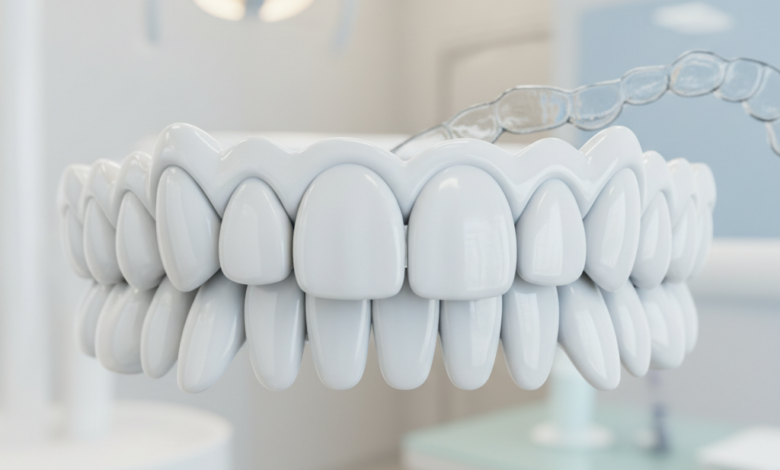
Clear aligner systems, such as Invisalign, have revolutionized orthodontic treatment, offering a virtually invisible way to straighten teeth. These custom-made, removable aligners are crafted from clear plastic and are worn sequentially, each set gradually shifting teeth into place. They are popular among adults and teenagers who prefer a less noticeable treatment option. Clear aligners offer the convenience of being removable for eating, brushing, and flossing, contributing to better oral hygiene during treatment. The effectiveness of clear aligners can be comparable to traditional braces for many cases, though complex bite issues might still necessitate traditional orthodontics. For a deeper dive into which option might be better for you, consider exploring resources on Invisalign vs. Braces.
Cosmetic Solutions for Minor Misalignments (Veneers, Bonding)
For individuals with minor alignment issues, chips, gaps, or disproportionate teeth, cosmetic dental procedures can offer a quicker, though often more irreversible, solution.
- Dental Veneers: These are thin, custom-made shells, typically crafted from porcelain or composite resin, that are bonded to the front surface of teeth. Veneers can mask misalignments, alter tooth shape, size, and color, and create a uniform, aesthetically pleasing smile. While they don’t physically move teeth, they can create the *appearance* of straight teeth.
- Dental Bonding: Utilizing a tooth-colored composite resin, dental bonding can effectively repair minor chips, cracks, and close small gaps between teeth. It’s a less invasive and often more affordable option than veneers, primarily used for very subtle corrections.
Cost to Fix Crooked Teeth: What Influences the Price?
The cost associated with correcting crooked teeth is highly variable and depends on a multitude of factors. It’s crucial to understand these elements to budget effectively and avoid surprises.
Factors Determining Your Overall Investment
- Type of Treatment: This is arguably the biggest determinant. Traditional metal braces are often the most economical option, followed by ceramic or lingual braces, and then clear aligners like Invisalign, which tend to be on the higher end due to their advanced technology and customization. Cosmetic options like veneers can also vary widely based on material (porcelain vs. composite) and the number of teeth treated.
- Severity of Misalignment: Simple cases of slight crowding or spacing require less time and effort, leading to lower costs. Complex cases involving significant bite problems, rotated teeth, or major jaw discrepancies will naturally incur higher fees due to extended treatment times and more intensive procedures.
- Duration of Treatment: A longer treatment period typically means more appointments, more materials, and more adjustments, all of which contribute to a higher overall cost.
- Geographic Location: Dental costs can fluctuate significantly based on the country, city, and even neighborhood where the clinic is located. Areas with a higher cost of living generally have higher dental fees.
- Dentist or Orthodontist’s Experience: Highly experienced and specialized orthodontists or cosmetic dentists might charge more for their expertise.
- Additional Procedures: Some cases require preparatory work such as tooth extractions, cavity fillings, gum contouring, or root canal treatments before orthodontic work can begin. These add to the total expense. Post-treatment retainers are almost always necessary to maintain results and represent an additional, though essential, cost.
- Insurance Coverage: Dental insurance plans can vary greatly in their coverage for orthodontic treatment. Some plans may cover a percentage of the cost, especially for children, while adult orthodontics may have more limited coverage.
- Payment Plans and Financing: Many dental practices offer flexible payment plans, allowing patients to pay for treatment in installments. Third-party financing options are also common.
A Comparative Look at Treatment Costs and Durations
To provide a clearer picture, here’s a general overview of average costs and treatment durations for common methods of correcting crooked teeth. Please note that these are estimates, and a personalized quote from a dental professional is essential. For comprehensive information on orthodontics, consult reputable sources like Wikipedia’s entry on Orthodontics.
| Treatment Method | Average Cost Range (USD) | Typical Treatment Duration | Best For |
|---|---|---|---|
| Traditional Metal Braces | $3,000 – $7,000 | 18-36 months | Most complex cases, all age groups, cost-effective |
| Ceramic Braces | $4,000 – $8,000 | 18-36 months | Patients seeking a less noticeable option than metal braces |
| Clear Aligners (e.g., Invisalign) | $4,000 – $9,000 | 6-24 months | Mild to moderate cases, adults and teens, discreet treatment |
| Lingual Braces | $8,000 – $12,000+ | 18-36 months | Patients prioritizing invisibility, placed behind teeth |
| Dental Veneers (per tooth) | $800 – $2,500 (Composite) / $1,000 – $3,000 (Porcelain) | 1-3 appointments (not a tooth-moving treatment) | Minor cosmetic corrections, chips, gaps, discoloration |
| Dental Bonding (per tooth) | $300 – $600 | 1 appointment | Very minor chips, cracks, small gaps |
The Journey to a Straighter Smile: What to Expect
Regardless of the chosen method, the process of fixing crooked teeth generally follows a structured path.
Initial Consultation and Diagnosis
This crucial first step involves a comprehensive dental examination, including X-rays, photographs, and possibly 3D scans of your teeth. The dentist or orthodontist will assess your oral health, determine the extent of your misalignment, and discuss your aesthetic goals and concerns. Based on this, they will present a personalized treatment plan, outlining the recommended approach, estimated timeline, and detailed cost breakdown.
Active Treatment and Follow-ups
Once a treatment plan is established, the active phase begins. This involves the placement of braces or the initiation of clear aligner wear. Regular follow-up appointments are scheduled to monitor progress, make adjustments (for braces), or provide new sets of aligners. Patient compliance is key during this phase, especially with removable aligners, to ensure the treatment stays on track.
The Crucial Retention Phase
After the active treatment phase is complete and your teeth have reached their ideal positions, a retention phase is critical. This involves wearing a retainer, either removable or fixed, to prevent your teeth from shifting back to their original positions (relapse). This phase is just as important as the active treatment and ensures the longevity of your beautiful, straight smile. The cost of retainers is usually an additional expense to the overall treatment.
The Long-Term Value of a Perfectly Aligned Smile
Beyond Aesthetics: Health Benefits
Properly aligned teeth are easier to clean, significantly reducing the risk of cavities, gum disease, and other periodontal issues. A correct bite reduces abnormal wear and tear on tooth enamel and can alleviate jaw pain, headaches, and other symptoms associated with temporomandibular joint (TMJ) disorders. Addressing malocclusion contributes to better digestion through improved chewing efficiency.
Confidence and Quality of Life
For many, a straighter smile leads to a significant boost in self-esteem and confidence. This newfound confidence can positively impact social interactions, professional opportunities, and overall quality of life. The ability to smile freely and openly without self-consciousness is a priceless outcome for countless individuals.
Ultimately, the cost to fix crooked teeth is a variable figure, influenced by individual circumstances and treatment choices. The best approach is to schedule a consultation with a qualified dental professional. They can provide a thorough assessment, discuss all viable options, and furnish you with a precise cost estimate tailored to your specific needs, guiding you towards achieving the healthy, confident smile you desire.