Root Canal Treatment Cost in Canada

Root Canal Treatment Cost in Canada can vary significantly depending on a range of factors, making it essential for patients to understand the components that contribute to the overall expense. This comprehensive guide aims to shed light on these costs, helping individuals in Canada prepare financially for this crucial dental procedure. A root canal, also known as endodontic treatment, is a necessary intervention when the soft tissue inside the tooth, called the pulp, becomes infected or inflamed. Ignoring such conditions can lead to severe pain, abscess formation, and ultimately, tooth loss.
Understanding the Root Canal Procedure
A root canal treatment is a highly effective procedure designed to save a tooth that has been severely damaged or infected. The pulp, located in the center of the tooth, contains nerves, blood vessels, and connective tissue. When this pulp becomes inflamed or infected, often due to deep decay, repeated dental procedures, cracks in the tooth, or trauma, it can cause excruciating pain and discomfort. The purpose of a root canal is to remove the infected or inflamed pulp, clean and disinfect the inside of the tooth, and then fill and seal it to prevent further infection.
Why is a Root Canal Needed?
The primary reasons for needing a root canal include:
- Deep Decay: Untreated cavities can penetrate through the enamel and dentin layers, reaching the pulp and causing infection.
- Cracked or Chipped Tooth: Injuries to the tooth can expose the pulp, leading to bacterial invasion.
- Repeated Dental Procedures: Multiple fillings or restorative treatments on the same tooth can sometimes irritate the pulp to the point of inflammation.
- Trauma: A severe blow to the tooth, even without visible damage, can injure the pulp.
Symptoms often include severe pain while chewing, prolonged sensitivity to hot or cold temperatures, discoloration of the tooth, and swelling or tenderness in the surrounding gums. Preserving the natural tooth with a root canal is almost always preferred over extraction, as it maintains the natural alignment of your bite, prevents adjacent teeth from shifting, and avoids the need for more complex and expensive procedures like dental implants or bridges down the line.
Key Factors Influencing Root Canal Treatment Cost in Canada
The price tag for a root canal in Canada is not uniform. Several variables contribute to the final cost, and understanding these can help in anticipating your expenses.
Tooth Type and Location
The most significant factor influencing the cost is the specific tooth requiring treatment.
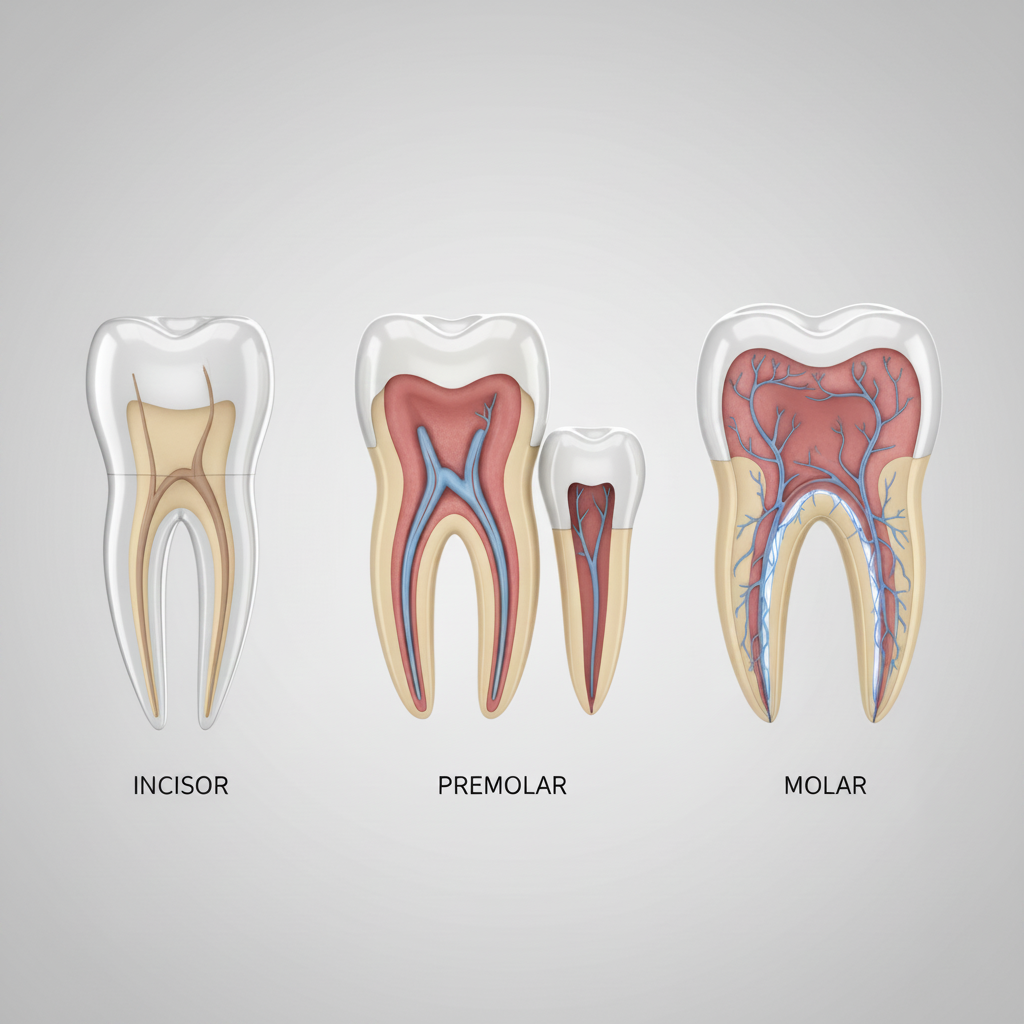
- Incisors and Canines (Front Teeth): These teeth typically have only one root canal, making the procedure simpler and less expensive.
- Premolars (Bicuspids): Located between the front teeth and molars, premolars usually have one or two canals, placing them in a mid-range cost category.
- Molars (Back Teeth): Molars can have three or more root canals, often with complex anatomy. This makes the procedure more intricate, time-consuming, and therefore, more expensive.
Complexity and Re-treatment
The complexity of the case plays a crucial role. A tooth with calcified canals, unusual root anatomy, or a previously failed root canal (requiring re-treatment) will demand more time, specialized tools, and expertise from the endodontist. Re-treatment typically costs more than the initial procedure.
Geographic Location and Practitioner Fees
Costs can vary by province and even within cities. Larger metropolitan areas tend to have higher dental fees compared to smaller towns or rural regions, reflecting the differences in operating costs and demand. Furthermore, an endodontist (a specialist in root canal therapy) may charge more than a general dentist, though their specialized training and equipment often lead to higher success rates for complex cases.
Additional Costs: Diagnostics and Restoration
The root canal procedure itself is only one part of the overall treatment. Other necessary expenses include:
- Initial Consultation and X-rays: Essential for accurate diagnosis and treatment planning.
- Anesthesia: Local anesthesia is standard, but sedation options (e.g., nitrous oxide, oral sedation) will incur additional costs.
- Post-Treatment Restoration: After a root canal, the tooth will need a permanent filling or, more commonly, a dental crown to protect it from fracture and restore its function. The cost of a crown can be significant and is often a separate expense from the root canal itself. The type of material chosen for the crown (porcelain, ceramic, gold, etc.) will also affect its price.
Average Root Canal Treatment Cost in Canada
While prices fluctuate, here’s a general idea of the average Root Canal Treatment Cost in Canada, excluding the cost of a crown, which typically ranges from $800 to $2,500 CAD.
| Tooth Type | Average Cost Range (CAD) | Description |
|---|---|---|
| Front Tooth (Incisor/Canine) | $700 – $1,200 | Typically 1 root canal, less complex. |
| Premolar (Bicuspid) | $800 – $1,500 | Usually 1 or 2 root canals, moderate complexity. |
| Molar (Back Tooth) | $1,000 – $2,000+ | 3 or more root canals, often complex anatomy. |
| Re-treatment | $1,200 – $2,500+ | For previously treated teeth, higher complexity. |
| Emergency/After-hours Fee | Varies (additional) | May apply for urgent cases outside regular hours. |
It is crucial to remember that these are averages, and actual costs can be higher or lower based on the specific factors mentioned above. Always obtain a detailed cost estimate from your dentist before proceeding with treatment.
Understanding Dental Insurance and Coverage
Many Canadians have some form of dental insurance through their employers or private plans. Dental insurance often covers a portion of root canal treatment costs, typically ranging from 50% to 80% after deductibles are met. However, policies vary greatly in their coverage limits, annual maximums, and waiting periods. It’s essential to check with your insurance provider to understand your specific benefits and how much they will cover for endodontic procedures and subsequent restorations like crowns. For those without insurance, discussing payment plans or financing options with your dental clinic may be possible.
The Long-Term Value of Root Canal Treatment
While the upfront cost of a root canal and a subsequent crown might seem substantial, it is a valuable investment in your oral health. The alternative, tooth extraction, can lead to a cascade of further problems and expenses. A missing tooth can cause adjacent teeth to shift, affect your bite, lead to bone loss in the jaw, and necessitate more expensive solutions like dental implants or bridges. These alternatives typically involve higher costs, more invasive procedures, and longer treatment times compared to a root canal.
What to Expect During and After the Procedure
A root canal procedure typically involves several steps, often completed in one or two appointments:
- Diagnosis and Planning: X-rays are taken to assess the extent of the infection and root anatomy.
- Anesthesia: Local anesthetic is administered to numb the tooth and surrounding area, ensuring a pain-free experience.
- Access Opening: A small opening is made in the crown of the tooth to access the pulp chamber.
- Cleaning and Shaping: Tiny instruments are used to remove the infected pulp, clean the root canals, and shape them for filling.
- Filling the Canals: The cleaned canals are filled with a biocompatible material, usually gutta-percha, and sealed with adhesive cement.
- Temporary Filling: A temporary filling is placed in the access opening to protect the tooth until a permanent restoration is placed.
- Permanent Restoration: In a subsequent visit, the temporary filling is removed, and a permanent crown or filling is placed to protect the tooth from future damage and restore its full function.
After the procedure, it’s normal to experience some mild discomfort or sensitivity, which can usually be managed with over-the-counter pain relievers. Following your dentist’s post-treatment instructions is crucial for a successful recovery. For more in-depth information on root canal treatment, you can refer to authoritative sources such as Wikipedia on Root Canal Treatment.
Maintaining Your Oral Health Post-Root Canal
With proper care, a tooth treated with a root canal can last a lifetime. Maintaining good oral hygiene practices, including regular brushing and flossing, and scheduling routine dental check-ups and cleanings, are essential. Avoiding chewing on hard foods or ice, especially before a permanent crown is placed, can also prevent damage. The treated tooth, while no longer having a living pulp, is still susceptible to decay or gum disease, making ongoing care vital.
In conclusion, understanding the Root Canal Treatment Cost in Canada involves considering tooth type, case complexity, geographic location, and the need for additional procedures like crowns. While the investment might seem significant, preserving your natural tooth through a root canal is a cost-effective and beneficial long-term solution for maintaining oral health and preventing more extensive dental issues. Always consult with a qualified dental professional to get an accurate diagnosis and a personalized cost estimate for your specific situation.