How Dentists Repair Cracked Teeth
How Dentists Repair Cracked Teeth is a critical topic for maintaining optimal oral health and preserving the longevity of natural dentition. A cracked tooth, often a source of significant discomfort and concern, can range from a minor cosmetic issue to a severe structural compromise that threatens the tooth’s vitality. Understanding the intricacies of dental repair is essential for anyone experiencing this common yet complex problem. Our aim is to demystify the process, explain the various treatment modalities, and highlight the importance of timely professional intervention, positioning comprehensive dental care at the forefront of oral health solutions.
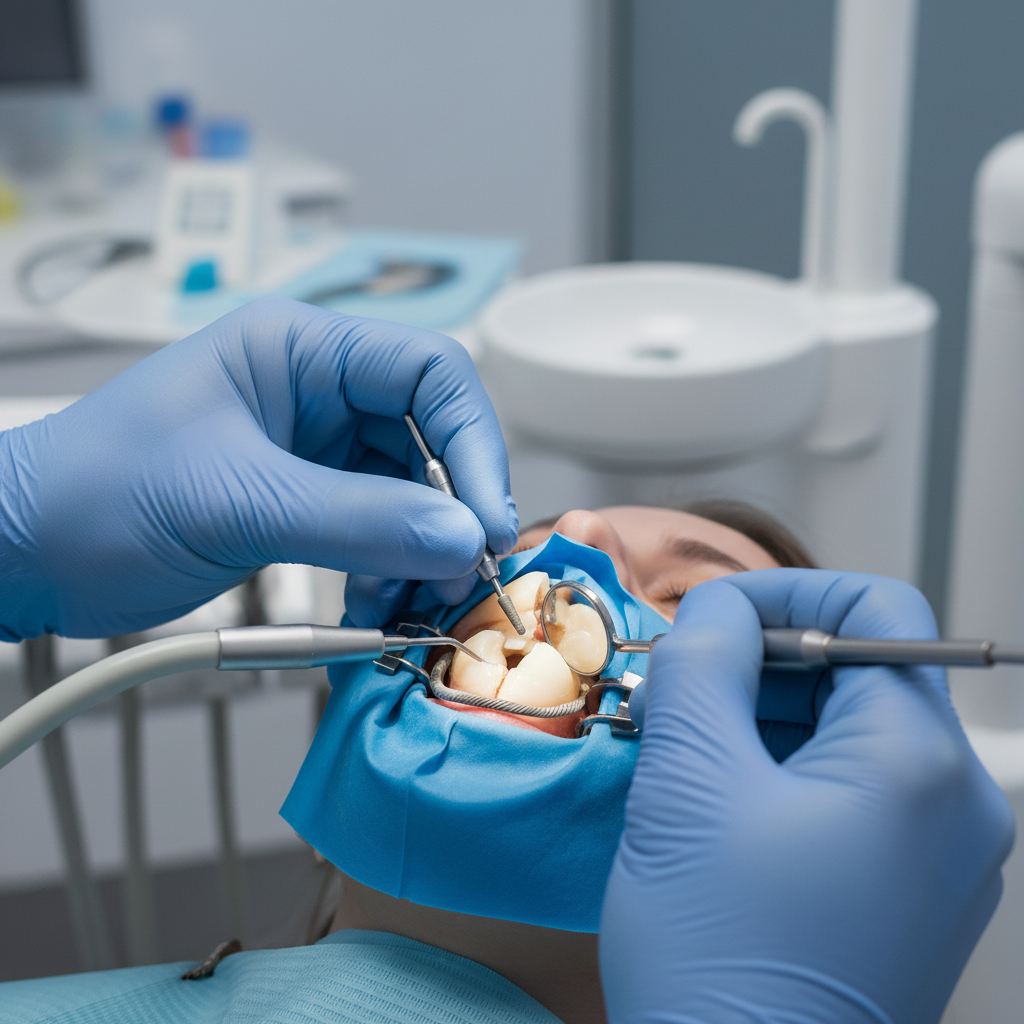
Understanding Cracked Teeth: Causes, Symptoms, and Types
Cracked teeth can occur due to a variety of factors, often stemming from habits or accidents common in daily life. Biting down on hard foods, teeth grinding (bruxism), trauma to the mouth, or even large dental fillings that weaken the tooth structure over time can lead to fractures. Sudden temperature changes in the mouth, such as drinking hot coffee immediately after consuming ice water, can also contribute to the development of cracks due to expansion and contraction. Symptoms can vary widely, from intermittent pain when chewing or biting, sensitivity to hot and cold temperatures, to sharp, sudden pain that appears without an obvious trigger. The type and severity of a crack significantly influence the treatment approach, demanding precise diagnosis.
- Craze Lines: These are tiny, superficial cracks that only affect the outer enamel. They are extremely common, particularly in adult teeth, typically painless, and usually require no treatment, though they can sometimes accumulate stains, affecting aesthetics.
- Fractured Cusps: A cusp is the pointed chewing surface of a tooth. When a cusp becomes fractured, it can cause sharp pain, particularly when biting or releasing pressure. This often occurs around large fillings that have compromised the structural integrity of the cusp. Such fractures usually do not involve the tooth’s pulp.
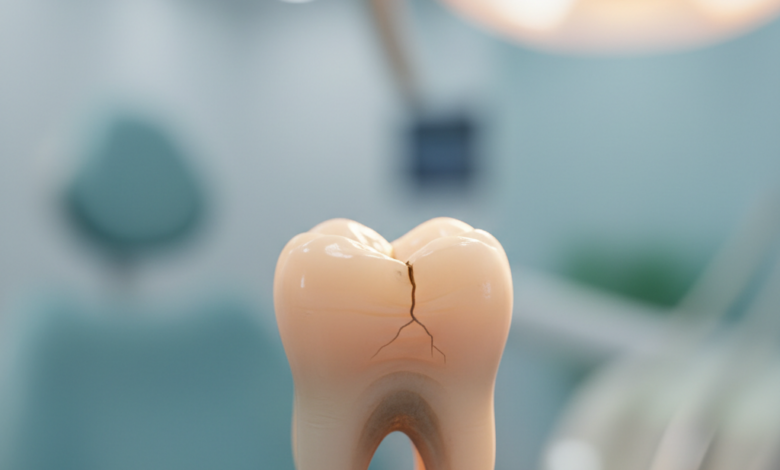
- Cracked Tooth: This type of crack extends from the chewing surface vertically towards the root. If left untreated, it can spread and eventually lead to the separation of the tooth, causing severe pain and potential infection of the pulp. Early detection is vital for preserving the tooth.
- Split Tooth: A split tooth is often the result of an untreated cracked tooth that has progressed. It is characterized by a complete fracture, allowing segments of the tooth to separate entirely. Once a tooth is split, it is rarely salvageable in its entirety, and often parts or the entire tooth must be extracted.
- Vertical Root Fracture: These cracks begin in the root of the tooth and extend upwards towards the chewing surface. They often go unnoticed until infection develops or symptoms become severe, as the crack is hidden beneath the gum line. Diagnosis can be challenging, and treatment options are limited, often leading to extraction.
Why Timely Intervention for Cracked Teeth is Crucial
Delaying treatment for a cracked tooth can have severe, cascading consequences for oral health. A crack provides a direct entry point for oral bacteria into the sensitive inner structures of the tooth, leading to inflammation and infection within the dental pulp (the innermost part of the tooth containing nerves and blood vessels). This pulpitis can result in intense pain, swelling, abscess formation, and potentially spread infection to the surrounding bone and soft tissues. Furthermore, an untreated crack can propagate deeper into the tooth structure, leading to irreversible damage, increased sensitivity, and eventually necessitating more invasive and costly procedures like root canal therapy or, as a last resort, tooth extraction. Early diagnosis and immediate professional intervention are therefore paramount to preserving the tooth’s structure, preventing infection, alleviating pain, and avoiding more extensive dental problems.
Dentists Repair Cracked Teeth: Advanced Treatment Modalities
When a patient presents with a cracked tooth, the dentist’s primary goal is to conduct a thorough assessment of the damage and recommend the most appropriate, conservative treatment to restore the tooth’s integrity and function. The approach taken depends heavily on the type, location, and depth of the crack, as well as the overall health of the tooth, the condition of the surrounding tissues, and the patient’s individual needs and preferences. Precision and an evidence-based approach guide the selection of treatment.
Dental Bonding: For Minor Cracks and Chips
For small chips or superficial cracks that do not extend deep into the tooth structure, dental bonding is often an effective and aesthetically pleasing solution. This conservative procedure involves the application of a tooth-colored composite resin material directly to the cracked area. The resin is meticulously molded and shaped by the dentist to match the natural contours of the tooth, seamlessly blending with the existing enamel. Once sculpted, a special light is used to rapidly harden and cure the resin, bonding it securely to the tooth surface. Dental bonding is a relatively quick, non-invasive, and cost-effective treatment that can restore the tooth’s appearance and function, effectively sealing off minor cracks to prevent further damage or sensitivity. It is an excellent option for aesthetic improvements and minor structural repairs on both anterior and posterior teeth.
Dental Crowns: Comprehensive Protection for Larger Cracks
When a crack is more extensive, penetrates deeper into the tooth structure, or threatens the overall structural integrity of the tooth, a dental crown is often the recommended definitive treatment. A crown is a custom-made cap that completely covers the entire visible portion of a damaged tooth, acting like a protective helmet or a full-coverage restoration. By fully encasing the compromised tooth, a crown effectively prevents the crack from propagating further, restores the tooth’s original shape, strength, and appearance, and allows for normal biting and chewing function without discomfort. Crowns can be fabricated from various durable materials, including all-porcelain, all-ceramic, porcelain-fused-to-metal, or high-strength metal alloys, with porcelain and ceramic being popular choices for their superior aesthetic appeal and biocompatibility. The process typically involves two carefully planned dental visits: the first to precisely prepare the tooth by removing a small amount of enamel and dentin and taking detailed impressions, and the second to permanently bond the custom-fabricated crown into place. For more detailed information, patients can explore what is a dental crown and when do you need one to understand the full scope of this vital restorative option.
Veneers: Aesthetic Solutions for Front Teeth with Superficial Cracks
While veneers are not a direct structural repair for deeply cracked teeth, they can be an excellent aesthetic solution for minor cracks or chips on the front teeth, particularly if the damage is superficial and primarily affects the enamel. A veneer is a very thin, custom-made shell of tooth-colored material, typically porcelain or composite resin, meticulously designed to be bonded to the front surface of a tooth. They can effectively mask minor cracks, discoloration, irregularities in shape, and other aesthetic imperfections, creating a smooth, unblemished, and highly aesthetic appearance. The application of veneers usually involves minimal tooth preparation, preserving much of the natural tooth structure, and provides a durable, long-lasting, and aesthetically pleasing result for suitable cases.
Root Canal Treatment: Addressing Pulp Involvement
If a crack extends deep enough into the tooth to reach the dental pulp, causing irreversible inflammation, infection of the nerve and blood vessels, or extreme sensitivity, root canal treatment becomes a necessary precursor before placing a definitive crown. This intricate endodontic procedure involves carefully removing the damaged or infected pulp tissue from within the tooth, thoroughly cleaning and disinfecting the intricate network of root canals, and then filling and sealing them with a biocompatible material to prevent further infection. After a successful root canal, a dental crown is almost always placed over the treated tooth to provide essential structural protection. The tooth, having lost its vital blood supply, can become more brittle and susceptible to fracture. The crown restores its strength, prevents further cracking, and allows it to remain a functional part of the mouth, thus saving the tooth from extraction.
Extraction: The Last Resort for Irreparable Cracks
In cases where a crack is extremely severe, extending significantly below the gum line, involving substantial portions of the root, or resulting in a complete split of the tooth, and when the tooth cannot be salvaged through any restorative means, extraction may be the only viable and responsible option. This is typically considered a last resort, employed only when the tooth is deemed irreparable and poses a significant risk of ongoing pain, infection, or damage to surrounding teeth or overall oral health. Following extraction, various tooth replacement options, such as dental implants or dental bridges, can be considered to restore function, aesthetics, and maintain the integrity of the dental arch.
The Diagnostic Process: Pinpointing the Problem with Precision
Accurate diagnosis is the cornerstone of effective and successful treatment for cracked teeth. Dentists employ a comprehensive range of diagnostic tools and techniques to identify the precise presence, type, location, and extent of a crack. This meticulous process often includes:
- Thorough Visual Examination: The dentist will carefully examine the tooth and surrounding tissues, often utilizing high-magnification loupes and specialized dental mirrors, to look for visible cracks, chips, fractures, or discoloration.
- Detailed Patient History and Symptom Analysis: Understanding the patient’s symptoms – specifically when the pain occurs (e.g., while biting, cold sensitivity), what triggers it, and its intensity and duration – provides crucial clues to the nature and location of the crack.
- Bite Test (Biting Stick Test): The dentist may ask the patient to bite down on a specialized biting stick or a cotton roll. Pain upon biting or releasing pressure can often pinpoint the exact location of the cracked cusp or fracture line.
- Transillumination: Shining a focused fiber optic light through the tooth can often highlight cracks that are otherwise difficult to see with the naked eye. The light will not pass uniformly through a fracture line, making it visible.
- Dental X-rays: While standard X-rays may not always directly show a fine crack, they are invaluable for detecting secondary signs such as bone loss around the root, pulp inflammation, or abscesses, which can be indicators of a deep crack or infection.
- Selective Staining: Applying a temporary dental dye to the tooth surface can sometimes seep into and make very fine or hair-line cracks more visible, aiding in identification.
- Periodontal Probing: A localized deep pocket around a single tooth can sometimes indicate a vertical root fracture that has created a pathway for bacteria.
Choosing the Right Treatment for Your Cracked Tooth: A Comparative Overview
Selecting the optimal treatment for a cracked tooth requires careful consideration of several critical factors, including the crack’s depth, its location within the tooth, the amount of remaining healthy tooth structure, aesthetic concerns, and the patient’s overall oral health status. The decision is always made in close consultation with the patient, ensuring they fully understand the diagnostic findings, the pros and cons of each treatment option, and the expected outcomes. This collaborative approach ensures the most appropriate and effective care plan is implemented.
| Treatment Option | Best For | Procedure Overview | Advantages | Considerations |
|---|---|---|---|---|
| Dental Bonding | Minor chips, superficial craze lines, aesthetic repairs on enamel. | Tooth-colored composite resin applied, sculpted, and light-cured. | Minimally invasive, quick, cost-effective, good immediate aesthetics. | Less durable than crowns, prone to staining over time, primarily cosmetic. |
| Dental Crown | Larger cracks, fractured cusps, post-root canal, protecting weakened teeth. | Tooth prepared, detailed impression taken, custom cap permanently cemented. | Restores significant strength, protects entire tooth, durable, excellent long-term aesthetics. | Requires significant tooth reduction, usually two visits, higher cost than bonding. |
| Veneers | Superficial cracks on front teeth, aesthetic improvements and masking imperfections. | Thin, custom-made shell (porcelain/composite) bonded to the front surface of tooth. | Highly aesthetic, covers surface imperfections effectively, durable for front teeth. | Primarily cosmetic, not suitable for deep structural cracks, preparation is irreversible. |
| Root Canal Treatment + Crown | Cracks extending into the dental pulp, causing irreversible inflammation, infection, or severe sensitivity. | Infected pulp removed, canals cleaned/sealed, followed by protective crown placement. | Saves the natural tooth from extraction, eliminates pain and infection. | More invasive, often requires multiple visits, higher overall cost and time commitment. |
| Extraction | Severe, irreparable cracks (e.g., vertical root fracture, complete split tooth below gum line). | Surgical removal of the unsalvageable tooth. | Eliminates pain/infection from an irreparable tooth, prevents spread of pathology. | Loss of natural tooth, requires subsequent replacement (e.g., dental implant, bridge) to restore function. |
The Repair Process: A Closer Look at Dental Crowns
Given that dental crowns represent a common, versatile, and highly effective solution for many types of cracked teeth, restoring both function and form, it is beneficial to explore the typical steps involved in this restorative process in detail. This step-by-step guide can help patients understand what to expect during their journey to a restored smile:
- Initial Consultation and Comprehensive Diagnosis: The process begins with a thorough examination by the dentist. This involves a visual inspection, often with magnification, tactile probing, a review of patient symptoms, and typically includes diagnostic X-rays. These tools help to confirm the presence and extent of the crack, assess the health of the dental pulp, and determine if a crown is indeed the most appropriate and beneficial treatment option.
- Tooth Preparation: During the first clinical appointment for a crown, the dentist will administer a local anesthetic to numb the cracked tooth and the surrounding gum tissue, ensuring patient comfort. A small, precise amount of enamel and underlying dentin is then carefully removed from all surfaces of the tooth. This preparation creates adequate space for the crown to fit over the tooth without appearing bulky or interfering with the patient’s bite (occlusion). The specific amount of tooth structure removed depends on the type of crown material chosen (e.g., all-ceramic, porcelain-fused-to-metal).
- Impressions for Custom Fabrication: After the tooth is prepared, highly accurate impressions of the prepared tooth are taken. This can be achieved using traditional putty-like impression materials or, increasingly, with advanced digital scanners that create a precise 3D model. Impressions are also taken of the opposing jaw and the bite relationship to ensure the custom crown will fit perfectly into the patient’s natural occlusion. These detailed impressions are then sent to a specialized dental laboratory, where skilled technicians meticulously custom-fabricate the permanent crown to exact specifications.
- Temporary Crown Placement: While the permanent crown is being expertly crafted in the dental laboratory (a process that typically takes approximately one to two weeks), a temporary crown is fabricated and placed over the prepared tooth. This provisional restoration serves several crucial purposes: it protects the vulnerable, prepared tooth from sensitivity and bacterial ingress, maintains proper spacing to prevent adjacent teeth from shifting, and allows the patient to maintain basic function and aesthetics.
- Permanent Crown Placement: At the second clinical appointment, the temporary crown is carefully removed. The permanent custom-made crown is then meticulously tried in place without cement to verify its precise fit, optimal bite alignment, margin integrity, and aesthetic appearance (shade, shape). Once both the dentist and the patient are completely satisfied with all aspects of the crown, it is permanently bonded to the prepared tooth using a strong, biocompatible dental cement, creating a durable and long-lasting seal.
- Final Adjustments: Following the permanent cementation, the dentist will make any final, subtle adjustments to the crown to ensure it is perfectly comfortable, functions correctly within the bite, and aligns harmoniously with the surrounding natural teeth. Detailed post-operative instructions are provided to the patient to ensure optimal healing and longevity of the restoration.
Recovery and Aftercare for Repaired Teeth
After a cracked tooth has been repaired, especially with more involved procedures such as crowns or root canals, proper recovery and diligent aftercare are absolutely essential for ensuring the long-term success and durability of the treatment. Patients may experience some temporary, mild sensitivity to hot or cold temperatures, or slight discomfort in the treated area. This is a normal physiological response to dental work and typically subsides progressively within a few days to weeks. Over-the-counter pain relievers can effectively manage any transient discomfort.
Long-term care for a repaired tooth involves maintaining excellent oral hygiene practices, including consistent and thorough brushing at least twice a day, daily flossing to remove interdental plaque and food debris, and regular use of an antiseptic mouthwash as recommended by the dentist. It is crucial to exercise caution and avoid biting directly on extremely hard foods (e.g., ice, hard candies, popcorn kernels) with the repaired tooth, especially during the initial recovery phase, to prevent undue stress on the restoration. Regular dental check-ups and professional cleanings are paramount for monitoring the health of the repaired tooth, evaluating the integrity of the restoration, and detecting any potential issues or signs of wear early, allowing for timely intervention. With diligent care and adherence to professional advice, a repaired cracked tooth can function effectively, comfortably, and aesthetically for many years. It is always wise to scrupulously follow the specific post-operative instructions provided by your treating dental professional.
Preventing Cracked Teeth: Proactive Oral Health Strategies
While some cracked teeth result from unavoidable accidents, a significant number of these dental injuries can be prevented through the adoption of proactive measures and the maintenance of good oral habits. Implementing these strategies can significantly reduce the risk of future dental fractures:
- Avoid Chewing Hard Objects: Refrain from habitually biting or chewing on non-food items like ice, pen caps, fingernails, or extremely hard foods such as popcorn kernels, hard candy, and unpopped kernels, as these can exert excessive forces that stress and fracture even healthy tooth enamel.
- Wear a Custom Mouthguard: If you participate in contact sports (e.g., football, hockey, basketball) or any recreational activity with a risk of facial trauma, wearing a professionally fitted athletic mouthguard is crucial for protecting your teeth from impact-related cracks and chips. Similarly, if you grind or clench your teeth at night (bruxism), a custom-fitted nightguard or occlusal splint can effectively dissipate the destructive forces and protect your teeth from excessive wear and fracture.
- Address Bruxism and Clenching: If you are aware of or suspect that you clench or grind your teeth, discuss potential solutions with your dentist. Beyond nightguards, these can range from stress management techniques and behavioral modifications to orthodontic adjustments or muscle relaxants in severe cases.
- Maintain Regular Dental Check-ups: Routine comprehensive dental examinations are invaluable. They allow dentists to proactively identify potential weak spots in teeth, existing micro-cracks before they escalate, developing bite issues (malocclusion) that could contribute to uneven biting forces, or signs of old, failing restorations that might predispose a tooth to fracture. Early detection is key to prevention.
- Practice Excellent Oral Hygiene: While not directly preventing physical cracks, maintaining excellent oral hygiene (consistent brushing, flossing, and professional cleanings) contributes to overall tooth strength and resilience by preventing extensive decay and gum disease, which can weaken tooth structure.
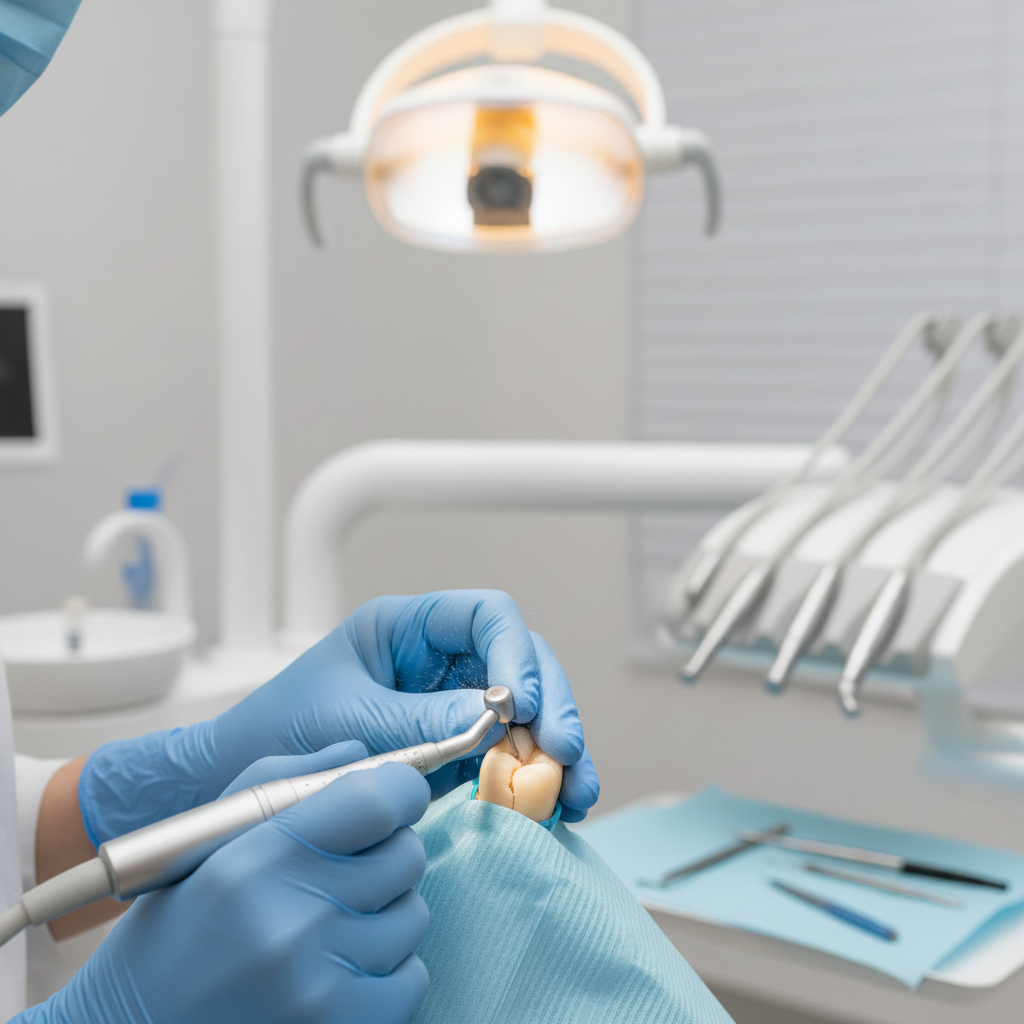
Understanding and implementing these preventative strategies can significantly reduce the risk of developing cracked teeth, contributing to the maintenance of a healthy, functional, and aesthetically pleasing smile for years to come. For further scientific insights into dental trauma and its management, you may consult resources like Wikipedia’s entry on Cracked Tooth Syndrome, which provides comprehensive information on this condition.
The expertise of a skilled and experienced dentist is invaluable in accurately diagnosing and effectively treating cracked teeth. Modern dentistry offers a comprehensive range of effective solutions, from conservative dental bonding to robust crown placement and advanced root canal therapy, ensuring that patients can regain comfort, restore optimal function, and preserve the aesthetics of their smile. Timely intervention, a precise diagnosis, and a personalized treatment plan are key to achieving successful outcomes and preserving your natural teeth. Our commitment is to provide advanced, patient-centered care, leveraging the latest diagnostic tools, techniques, and biocompatible materials to ensure the best possible results for every individual facing the challenge of a cracked tooth.