Are Dental Implants Covered by Insurance in Canada?

Understanding whether dental implants are covered by insurance in Canada is a common concern for many individuals considering this advanced restorative solution. The short answer is: it varies significantly. Unlike many other medical procedures, dental care in Canada is largely privatized, meaning that coverage for dental treatments, including implants, primarily depends on the specifics of an individual’s private dental insurance plan or employer-sponsored benefits. While Canada boasts a universal healthcare system, this system generally does not extend to routine dental care, leaving a substantial portion of the population to navigate the complexities of private insurance or out-of-pocket expenses.

Are Dental Implants Covered by Insurance in Canada?
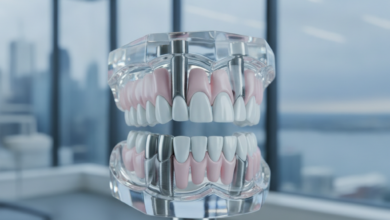
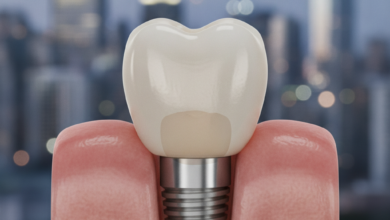
Dental implants represent a significant investment in oral health, offering a durable, natural-looking, and functional replacement for missing teeth. They involve surgically placing a titanium post into the jawbone, which then fuses with the bone, acting as a stable anchor for a crown, bridge, or denture. Given their high success rate and numerous benefits for long-term oral health, many Canadians hope to offset the cost through insurance. However, the path to coverage is often intricate and requires thorough investigation of one’s policy.
Understanding Private Dental Insurance in Canada
In Canada, private dental insurance plans are typically offered through employers or can be purchased individually. These plans are not standardized; they differ widely in terms of deductibles, annual maximums, co-insurance percentages, and what procedures they deem eligible for coverage. Most plans categorize dental procedures into tiers:
- Preventative Care: Usually covered at 80-100% (e.g., cleanings, exams, X-rays).
- Basic Restorative Care: Often covered at 70-80% (e.g., fillings, extractions, root canals).
- Major Restorative Care: Typically covered at 50% (e.g., crowns, bridges, dentures).
- Orthodontics: May have separate, lower coverage percentages and lifetime maximums.
Factors Influencing Whether Dental Implants Covered by Insurance in Canada
Several critical factors determine whether your dental implant procedure will be covered, and to what extent:
- Policy Details and Wording: The specific language of your insurance policy is paramount. Some policies explicitly list dental implants as a covered benefit under “major restorative” services, while others might exclude them entirely or only cover specific components of the procedure (e.g., the crown, but not the implant post itself).
- Medical Necessity vs. Cosmetic Procedure: Insurance companies often distinguish between procedures deemed “medically necessary” and those considered “cosmetic.” If an implant is required due to an accident, trauma, or a severe medical condition that resulted in tooth loss and traditional alternatives are unsuitable, it has a higher chance of being classified as medically necessary. If the primary motivation is aesthetic enhancement, coverage is significantly less likely.
- Pre-Authorization Requirements: For major dental work like implants, most insurance providers require a pre-authorization or pre-determination. This involves your dentist submitting a treatment plan and estimated costs to your insurer before the procedure begins. The insurance company then reviews the plan and informs you of the anticipated coverage amount. This step is crucial to avoid unexpected out-of-pocket expenses.
- Annual Maximums and Deductibles: All dental insurance plans have annual maximums – the total amount the insurer will pay in a given year. Dental implants can be expensive, potentially exceeding these maximums, even with coverage. You will also need to meet your deductible before your insurance begins to pay its share.
- Alternatives to Implants: Some insurance plans may only cover implants if other, less expensive alternatives (like bridges or removable dentures) are not clinically appropriate or have been unsuccessful. They may only pay the amount equivalent to the cost of the cheapest alternative.
- Waiting Periods: Many policies, especially new ones, impose waiting periods for major restorative services. This means you might have to wait several months (e.g., 6-12 months) after your policy begins before you can claim benefits for procedures like dental implants.
| Factor | Description | Impact on Coverage |
|---|---|---|
| Policy Wording | Explicit inclusion or exclusion of dental implants. | Directly dictates if procedure is covered and percentage. |
| Medical Necessity | If tooth loss is due to trauma, disease, or medical condition. | Increases likelihood of coverage; cosmetic reasons often excluded. |
| Pre-Authorization | Submission of treatment plan to insurer before treatment. | Essential for determining exact coverage and avoiding surprises. |
| Annual Maximums | Total amount insurer pays in a year. | Implants can quickly exceed limits, leading to higher out-of-pocket. |
| Deductibles | Amount paid by patient before insurer pays. | Must be met before any insurance payment is made for implants. |
| Alternative Treatments | If cheaper options like bridges are clinically viable. | Some plans only cover up to the cost of the cheapest viable alternative. |
| Waiting Periods | Time duration before major services are covered on new plans. | Can delay access to coverage for implant procedures. |
Navigating Your Dental Implant Coverage
Given the complexities, taking a proactive approach is vital when considering dental implants and insurance coverage in Canada.
- Review Your Policy Thoroughly: Obtain a copy of your full dental benefits booklet or contact your HR department/insurance provider directly. Look for specific clauses related to “major restorative,” “prosthodontics,” or “oral surgery” and any mention of implants.
- Consult Your Dentist: Discuss your treatment options and ask your dentist about their experience with insurance claims for implants. They can provide the necessary codes and documentation for pre-authorization. Your dentist can help articulate the medical necessity of the implant, if applicable.
- Request a Pre-Determination: This is arguably the most crucial step. Have your dentist submit a proposed treatment plan and estimated costs to your insurance company for review. The insurer will then respond with a breakdown of what they will cover, your co-pay, and any limitations. This document serves as a clear understanding of your financial responsibility.
- Consider Payment Plans and Financial Options: Even with insurance, you may still have significant out-of-pocket costs. Many dental clinics offer flexible payment plans. Additionally, explore options like Health Spending Accounts (HSAs) or Flexible Spending Accounts (FSAs) if available through your employer, as these can often be used for dental expenses not covered by traditional insurance. Some Canadians also consider dental tourism as an option to reduce costs, though this comes with its own set of considerations regarding aftercare and follow-up.
The Long-Term Value and Benefits of Dental Implants
While the initial cost and insurance navigation for dental implants can seem daunting, it’s essential to consider their long-term value. Dental implants offer a superior solution for tooth replacement compared to traditional bridges or dentures in several ways:
- Durability and Longevity: With proper care, dental implants can last a lifetime, far exceeding the lifespan of bridges (typically 5-15 years) or dentures. This long-term durability can make them a more cost-effective solution over time, despite the higher upfront investment.
- Preservation of Bone Structure: When a tooth is lost, the jawbone beneath it can resorb and deteriorate over time. Dental implants stimulate the jawbone, preventing this bone loss and preserving facial structure.
- Improved Oral Health: Unlike bridges, implants do not require altering adjacent healthy teeth. They also make it easier to maintain good oral hygiene, as they function like natural teeth and can be brushed and flossed normally.
- Enhanced Comfort and Function: Implants are permanently fused to your jaw, providing a stable foundation that allows you to eat, speak, and smile with confidence, without the slipping or discomfort associated with removable dentures.
- Aesthetics: Implants look and feel like natural teeth, restoring the appearance of your smile effectively.
These benefits highlight why many individuals prioritize dental implants despite potential challenges with insurance coverage. The investment in dental implants is often viewed as an investment in overall health, quality of life, and self-confidence.

In conclusion, while dental implants may not always be fully covered by insurance in Canada, and navigating the system requires diligence, it is certainly possible to secure partial coverage. Understanding your policy, communicating effectively with your dentist and insurer, and considering all available financial avenues are key steps. The enduring advantages of dental implants often make them a worthwhile pursuit for those seeking a permanent and reliable solution for missing teeth. For a deeper understanding of dental implants, consider resources like Wikipedia’s entry on Dental Implants. Always consult with a qualified dental professional to determine the best treatment plan for your specific needs and to discuss your financial options.