Dental Crown Cost in Canada – Complete Guide
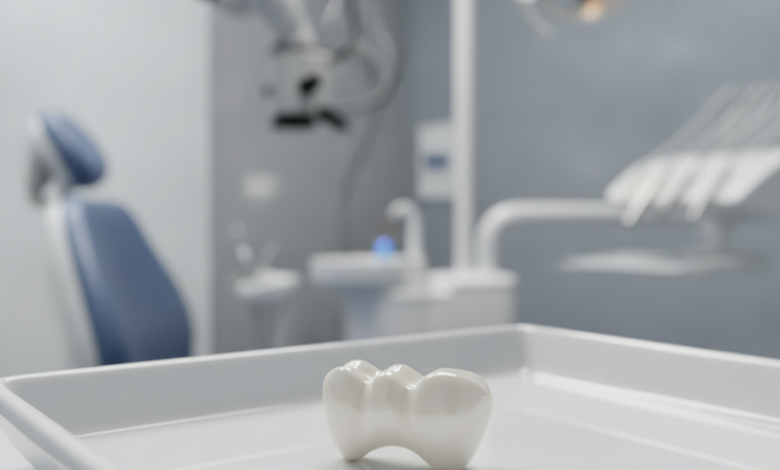
This comprehensive guide aims to demystify the dental crown cost in Canada, breaking down the various factors that contribute to the overall price, exploring different material options, and discussing payment alternatives to help you make informed decisions about your oral health.
Dental Crown Cost in Canada – Complete Guide
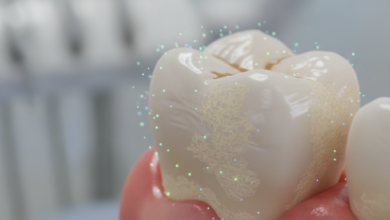
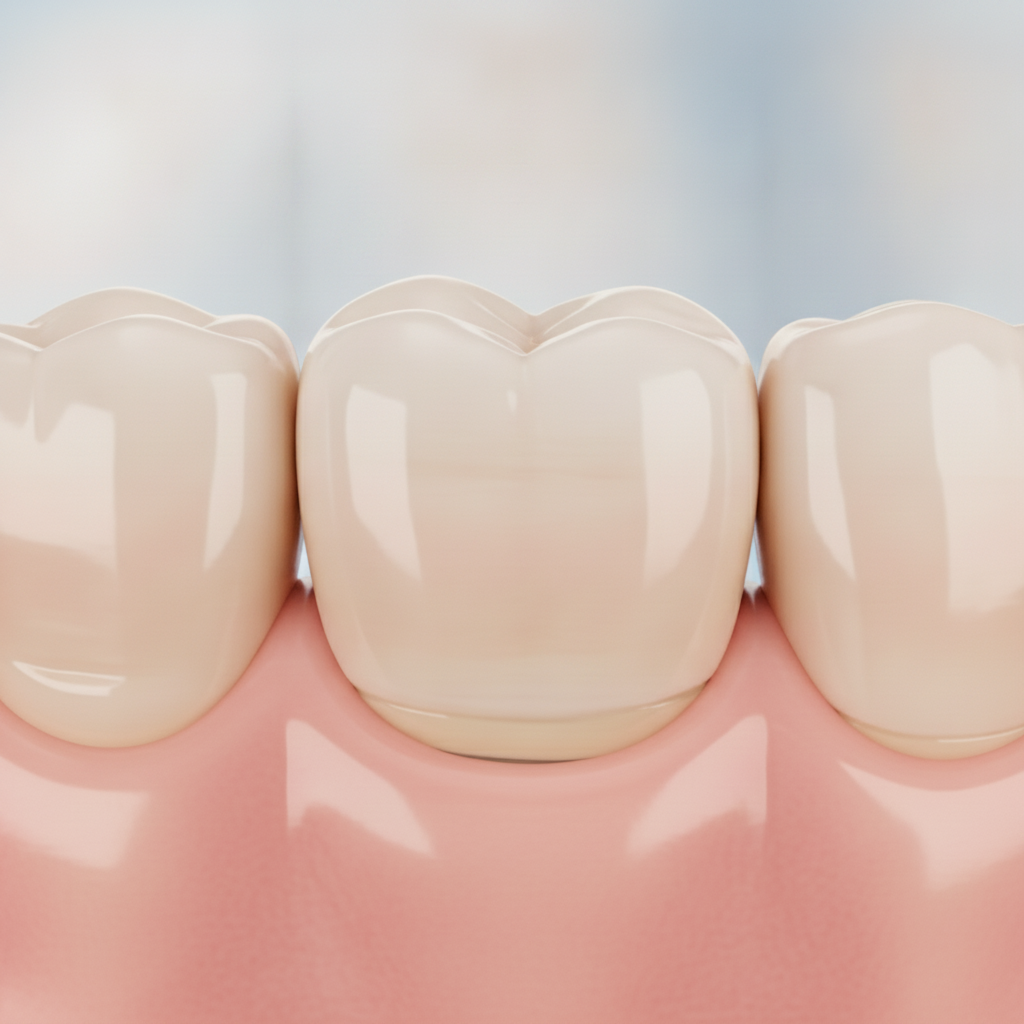
Dental crowns are a cornerstone of restorative and cosmetic dentistry, offering a durable and aesthetically pleasing solution for damaged or weakened teeth. For many Canadians, understanding the financial aspect of dental care, particularly for significant procedures like crowns, is a primary concern. A dental crown, often referred to as a “cap,” is a custom-made covering that restores a tooth’s shape, size, strength, and appearance. It encapsulates the entire visible portion of a tooth above the gum line, providing protection and enhancing function.
What is a Dental Crown and Why Might You Need One?
A dental crown is a prosthetic device cemented onto an existing tooth or dental implant. Its purpose is multifaceted: it can protect a weak tooth from breaking, hold parts of a cracked tooth together, restore an already broken tooth or a tooth severely worn down, cover and support a tooth with a large filling when there isn’t much tooth left, hold a dental bridge in place, cover misshapen or severely discolored teeth, or even cover a dental implant. Essentially, a crown acts as a new outer layer for your tooth, designed to mimic the natural tooth in both form and function. The need for a dental crown often arises from various dental issues, including extensive tooth decay that a filling cannot adequately address, fractures or cracks in a tooth, teeth weakened by a root canal procedure, or for purely cosmetic reasons to improve the aesthetics of a smile. The material chosen for the crown significantly influences its durability, appearance, and, consequently, its cost.
Understanding Dental Crown Cost in Canada
The cost of a dental crown in Canada can vary significantly, typically ranging from $800 to over $2,500 per tooth. This wide range reflects the diverse factors at play, from the type of material used to the geographical location of the dental practice. Unlike some other countries, Canada’s healthcare system does not generally cover routine dental procedures, meaning that patients are typically responsible for the full cost or rely on private dental insurance. Understanding the components of this cost is crucial for budgeting and planning your treatment. Provinces and even specific cities within provinces can have different fee guides, and individual dental practices may set their prices based on their overhead, technology, and the dentist’s expertise. Transparency in pricing is something every patient should seek, and a thorough consultation with your dentist will provide a personalized estimate.
Factors Influencing Dental Crown Cost in Canada
Several key elements determine the final price tag of a dental crown:
- Material Type: This is arguably the most significant factor. Crowns can be made from various materials, each with its own advantages, disadvantages, and cost implications.
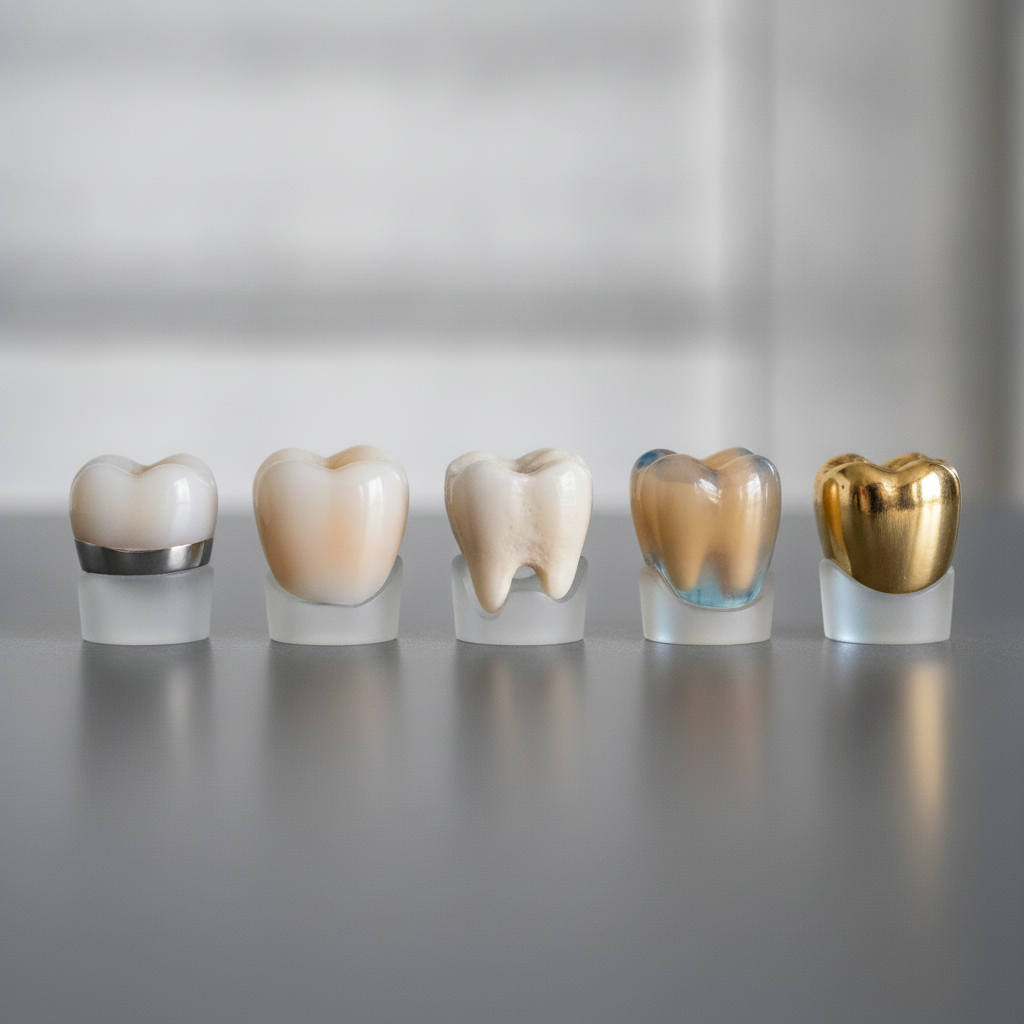
- Porcelain-Fused-to-Metal (PFM): These crowns have a metal base for strength, covered with a porcelain layer for aesthetics. They are durable but can sometimes show a dark line at the gum line. Cost: Mid-range.
- Full Porcelain/Ceramic: Made entirely of porcelain or ceramic, these offer excellent aesthetics and are ideal for front teeth. They are metal-free, making them suitable for those with metal allergies. Cost: Mid to high-range.
- Zirconia: A highly durable, biocompatible, and aesthetic material, zirconia crowns are increasingly popular. They are stronger than porcelain and often recommended for back teeth due to their resilience, but can also be used for front teeth. Cost: High-range.
- E-max: Lithium disilicate ceramic, commonly known as E-max, offers superior aesthetics and good strength, particularly for single crowns. It’s renowned for its translucent quality, closely mimicking natural tooth enamel. Cost: High-range.
- Gold/Metal Alloy: While less common for cosmetic reasons today, metal crowns (gold alloys, palladium alloys, or base-metal alloys) are highly durable, biocompatible, and require less tooth reduction. Cost: Varies based on metal prices, generally mid-range.
- Location of the Dental Practice: Dental costs can vary by province, city, and even neighborhood. Practices in major urban centers like Toronto, Vancouver, or Montreal may have higher overheads, leading to higher prices compared to smaller towns or rural areas.
- Dentist’s Expertise and Clinic Overhead: Highly experienced dentists or specialists (like prosthodontists) may charge more for their expertise. Additionally, clinics equipped with advanced technology (e.g., CAD/CAM for same-day crowns) or offering premium services might have higher fees.
- Additional Procedures Required: The cost of a crown is often not just the crown itself. Many patients require preliminary treatments, such as:
- Root Canal Treatment: If the tooth’s pulp is infected or damaged, a root canal is necessary before placing a crown, significantly adding to the overall cost.
- Core Buildup: If a significant portion of the tooth structure is missing, a core buildup (a filling material used to rebuild the tooth before crown placement) might be needed.
- Gum Contouring or Lengthening: Sometimes, minor gum surgery is required to expose enough tooth structure for the crown.
- Extraction: In cases of severe damage, tooth extraction might be necessary before considering a crown on an implant, which is a different procedure entirely.
- Dental Insurance Coverage: While not a direct cost factor, insurance plays a significant role in out-of-pocket expenses. Most private dental insurance plans in Canada cover a portion of major restorative procedures like crowns, typically between 50% to 80% after deductibles.
To provide a clearer picture, here’s an estimated breakdown of dental crown costs by material:
| Crown Type | Material Characteristics | Estimated Cost Range (CAD) |
|---|---|---|
| Porcelain-Fused-to-Metal (PFM) | Good strength, porcelain surface for aesthetics, metal base; potential for gum line visibility. | $800 – $1,600 |
| Full Porcelain/Ceramic | Excellent aesthetics, metal-free, good for front teeth, moderate strength. | $1,000 – $1,800 |
| Zirconia | Superior strength and durability, highly aesthetic, biocompatible, good for front and back teeth. | $1,200 – $2,500+ |
| E-max (Lithium Disilicate) | Exceptional translucency and aesthetics, good strength for single crowns, metal-free. | $1,300 – $2,300+ |
| Gold/Metal Alloy | Highest durability, biocompatible, minimal tooth reduction, not aesthetic. | $900 – $1,800 (varies with metal prices) |
*These are estimated costs and can vary significantly based on the factors mentioned above. A consultation with a dental professional is essential for an accurate quote.
The Dental Crown Procedure: What to Expect
The process of getting a dental crown typically involves two to three appointments, unless your dental clinic offers same-day crown technology (CAD/CAM).
- First Appointment (Preparation): The dentist will examine the tooth and take X-rays. If decay or a risk of infection is present, a root canal may be performed first. The tooth is then reshaped to make space for the crown. An impression of the prepared tooth is taken (either digitally or using a putty-like material) and sent to a dental lab. A temporary crown is placed to protect the tooth while the permanent crown is being fabricated.
- Second Appointment (Placement): Once the permanent crown arrives from the lab (usually within two to three weeks), you’ll return for your second appointment. The temporary crown is removed, and the dentist checks the fit, color, and bite of the new crown. If everything is satisfactory, the crown is permanently cemented onto your tooth.
- Follow-up (Optional): Sometimes, a follow-up appointment is scheduled to ensure the bite is comfortable and there are no issues.
Longevity and Maintenance of Dental Crowns
With proper care, a dental crown can last anywhere from 5 to 15 years, or even longer. The lifespan depends on the material, the tooth’s health, oral hygiene habits, and whether the crown is subjected to excessive forces (like teeth grinding). Zirconia and metal crowns tend to be the most durable, while porcelain can be more susceptible to chipping if not cared for properly.
To maximize the life of your dental crown:
- Practice excellent oral hygiene: Brush twice a day and floss daily, paying special attention to the area around the crown to prevent gum disease and decay at the crown margin.
- Avoid hard or sticky foods: Chewing on ice, hard candies, or very sticky foods can damage or dislodge your crown.
- Address teeth grinding (bruxism): If you grind or clench your teeth, especially at night, discuss this with your dentist. A night guard can protect your crown and natural teeth from excessive wear.
- Regular dental check-ups: Continue with your routine dental visits for professional cleanings and examinations. Your dentist can monitor the health of your crown and surrounding teeth.
Dental Insurance and Financing Options
Navigating the cost of dental crowns can be less daunting with the right financial planning. Most private dental insurance plans in Canada provide coverage for a portion of major restorative procedures. It’s crucial to check with your insurance provider to understand your specific benefits, including deductibles, annual maximums, and the percentage of coverage for crowns. Many plans classify crowns as a “major restorative” procedure and may cover 50% to 80% of the cost.
For those without adequate insurance or facing high out-of-pocket expenses, several financing options are available:
- Payment Plans: Many dental clinics offer in-house payment plans, allowing you to spread the cost over several months.
- Third-Party Dental Financing: Companies specialize in providing loans specifically for dental treatments, often with manageable interest rates and flexible payment schedules.
- Health Spending Accounts (HSAs): If you have an HSA through your employer, you can use these funds to cover dental expenses.
- Dental Tourism: A growing number of Canadians are exploring dental tourism, traveling to countries like Turkey where the cost of high-quality dental procedures, including crowns, can be significantly lower. Clinics in destinations like Turkey often offer all-inclusive packages that cover treatment, accommodation, and transfers, making it a cost-effective alternative for comprehensive dental work. For more information on planning such a trip, consider exploring resources on how Canadians can plan a dental holiday.
The Long-Term Value of Dental Crowns
While the initial investment in a dental crown might seem substantial, it’s important to consider its long-term value. A crown is not merely a cosmetic fix; it plays a vital role in preserving your oral health. By restoring a damaged tooth, it prevents further decay, protects against fractures, and ensures proper chewing function. This prevents more complex and costly dental problems down the line, such as tooth loss, the need for bridges or implants, or even jaw alignment issues. Furthermore, a well-placed crown can significantly improve your smile and confidence, enhancing your overall quality of life. The ability to chew comfortably, speak clearly, and smile without hesitation are invaluable benefits that extend far beyond the aesthetic improvement. Dental crowns are a proven solution for protecting and strengthening teeth, contributing to sustained oral health and a confident smile for many years.
Understanding the various aspects of dental crown cost in Canada empowers you to make an informed decision. By considering the material options, understanding potential additional procedures, and exploring financing solutions, you can achieve the restorative care you need without undue financial stress. Always consult with a qualified dental professional to get a personalized treatment plan and a precise cost estimate tailored to your specific needs.