Before and After Dental Implants: What to Expect
Before and After Dental Implants: What to Expect
Dental implants have revolutionized restorative dentistry, offering a durable, natural-looking, and highly functional solution for missing teeth. Far more than just an aesthetic enhancement, they represent a significant advancement in oral health, providing a long-term alternative to traditional bridges and dentures. Understanding the journey, from the initial challenges of tooth loss to the life-changing benefits of a fully restored smile, is crucial for anyone considering this transformative procedure. This detailed guide explores the typical “before” scenario, walks through the implant process, and highlights the remarkable “after” results, ensuring prospective patients are well-informed every step of the way.

Understanding Dental Implants: A Foundation for Transformation
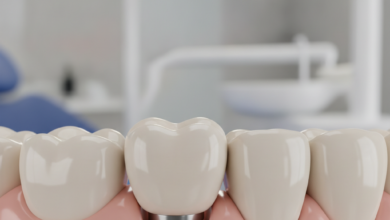
At its core, a dental implant is a small, screw-shaped post, typically made of biocompatible titanium. This post is surgically placed into the jawbone, acting as an artificial tooth root. Unlike other tooth replacement options that sit on top of the gums or rely on adjacent teeth for support, implants integrate directly with the bone through a process called osseointegration. This unique biological fusion provides unparalleled stability, mimicking the natural strength and foundation of a real tooth. Once integrated, the implant serves as a secure anchor for a custom-made crown, bridge, or denture, restoring both the appearance and full functionality of the smile.
The “Before” Picture: Addressing Tooth Loss
Life before dental implants for many individuals can be challenging and often marked by various oral health and self-esteem issues stemming from missing teeth. Whether due to decay, gum disease, injury, or genetic factors, tooth loss has far-reaching consequences beyond just gaps in the smile. A common issue is the impact on chewing efficiency, limiting dietary choices and potentially affecting overall nutrition. Speech can also be affected, leading to slurring or whistling sounds. Aesthetically, missing teeth can cause the face to appear sunken, particularly around the mouth, contributing to premature aging.
Perhaps most critically, the absence of a tooth root allows the underlying jawbone to resorb or deteriorate over time. This bone loss can weaken the foundation for remaining teeth, leading to further tooth loss and making future restorative treatments more complex. Furthermore, adjacent teeth may shift into the empty space, disrupting the bite and causing alignment problems. Emotionally, many patients experience a significant drop in self-confidence, becoming hesitant to smile or engage in social interactions. The “before” picture often involves discomfort, functional limitations, and a compromised quality of life.
Preparing for Your New Smile: Initial Assessment and Planning
The journey to a restored smile begins with a comprehensive consultation and evaluation. This critical first step involves a detailed examination of your oral health, including your gums, remaining teeth, and jawbone structure. Advanced diagnostic tools such as X-rays and 3D CT scans are employed to assess bone density and volume, identify nerve pathways, and map out the optimal placement for each implant. A crucial aspect of this stage is determining your suitability as an implant candidate. Ideal candidates generally possess good overall health, sufficient bone structure to support the implant, and a commitment to maintaining excellent oral hygiene. Conditions like uncontrolled diabetes or severe gum disease may need to be managed before proceeding.
Based on this thorough assessment, a personalized treatment plan is developed, outlining the number of implants required, the proposed surgical stages, and the estimated timeline. In some cases, preparatory procedures such as bone grafting or a sinus lift may be necessary to augment bone volume if natural bone density is insufficient. These procedures create a robust foundation, ensuring the long-term success and stability of the dental implants. This meticulous planning phase is fundamental to achieving predictable and successful outcomes, tailored precisely to your unique needs.
The Dental Implant Procedure: Step-by-Step
The process of receiving dental implants is typically a multi-stage procedure, carefully executed to ensure optimal healing and integration. While the exact timeline can vary for each patient, the core steps remain consistent, designed to create a strong and lasting foundation for your new teeth.
Stage 1: Implant Placement
The initial surgical phase involves placing the titanium implant post into the jawbone. This procedure is performed under local anesthesia, ensuring you remain comfortable throughout. A small incision is made in the gum tissue to expose the bone, and a precise osteotomy (small hole) is created in the jawbone. The implant screw is then gently inserted into this prepared site. Once the implant is securely in place, the gum tissue is typically sutured closed over the implant, or sometimes a healing cap is attached to protrude through the gum. The immediate aftermath may involve mild discomfort and swelling, which can be managed with prescribed medication.
Stage 2: Osseointegration
Following implant placement, a vital healing period of several months begins. This is known as osseointegration, a biological process where the titanium implant gradually fuses with the surrounding jawbone. This fusion creates an incredibly strong and stable anchor, similar to a natural tooth root. The duration of osseointegration varies depending on individual healing capabilities and the density of the bone, but typically ranges from 3 to 6 months. During this time, it is crucial to follow all post-operative instructions to promote successful healing and avoid placing undue pressure on the implant site. A temporary prosthetic may be provided to maintain aesthetics and function during this period.
Stage 3: Abutment Placement
Once osseointegration is complete and the implant is firmly integrated with the bone, the next stage involves placing the abutment. The abutment is a small connector piece that screws onto the top of the implant, extending just above the gum line. It serves as the link between the implant post and the final prosthetic tooth (crown, bridge, or denture). In cases where the implant was initially covered by gum tissue, a minor surgical procedure may be required to expose the implant and attach the abutment. Impressions are then taken to custom-fabricate the final restoration.
Stage 4: Crown/Prosthesis Attachment
With the abutment securely in place and impressions taken, your custom-designed crown, bridge, or denture is meticulously crafted in a dental laboratory to match the shape, size, and color of your natural teeth. Once ready, this final restoration is securely attached to the abutment. This completes the dental implant procedure, culminating in a fully functional and aesthetically pleasing replacement tooth or set of teeth. The result is a seamless integration with your existing smile, both in appearance and feel.
The “After” Picture: Experiencing the Transformation Before and After Dental Implants
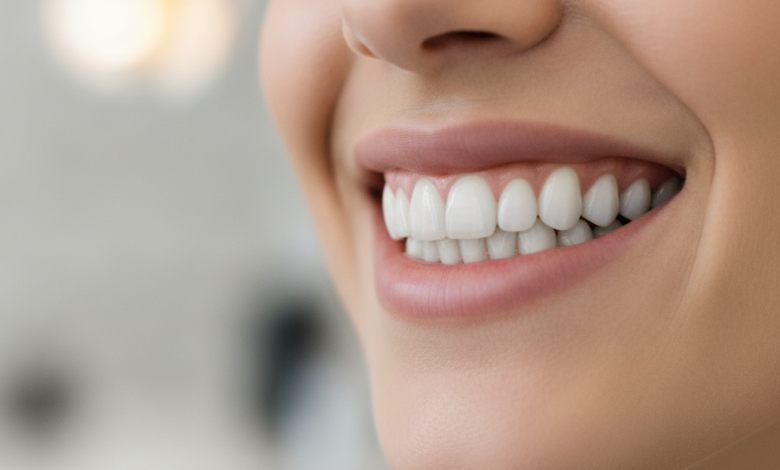
The transformation experienced by patients after receiving dental implants is often profound, extending far beyond the initial surgical recovery. Immediately following the attachment of the final restoration, patients can typically resume normal eating and speaking habits. While some initial tenderness or adjustment period is normal, the long-term benefits are substantial. Aesthetically, the custom-made crowns are designed to perfectly blend with your natural teeth, creating a seamless and beautiful smile. The support provided by the implants can also help maintain the natural contours of your face, preventing the sunken appearance often associated with tooth loss.
Functionally, dental implants restore full chewing power, allowing for a diverse and healthy diet without restrictions. Patients report a dramatic improvement in their ability to enjoy a wide range of foods, from crunchy vegetables to steak. Speech issues caused by missing teeth are resolved, leading to clearer articulation. Furthermore, implants prevent the progressive bone loss that occurs with missing teeth, preserving the integrity of your jawbone and protecting the stability of adjacent teeth. With proper care, dental implants boast an impressive long-term success rate, often lasting for decades or even a lifetime. The quality of life improvement is significant, restoring not only oral health but also a deep sense of confidence and well-being.
Recovery and Aftercare for Dental Implants
The recovery period immediately following implant placement involves careful management. Swelling, mild discomfort, and bruising are common but typically subside within a few days. Pain medication, cold compresses, and a soft diet are usually recommended during this initial phase. Crucially, avoiding smoking and maintaining meticulous oral hygiene around the surgical site are paramount to prevent complications and ensure successful osseointegration.
Long-term care for dental implants is similar to that for natural teeth, albeit with a few specific considerations. Regular brushing, flossing (using specialized floss if recommended), and antiseptic mouthwashes are essential to prevent peri-implantitis, a gum disease specific to implants. Routine dental check-ups and professional cleanings are also critical, allowing your dentist to monitor the health of your implants and surrounding tissues. With diligent home care and professional oversight, dental implants can maintain their integrity and functionality for many years, providing a durable solution for tooth replacement.
| Aspect | Before Dental Implants (Missing Teeth) | After Dental Implants (Restored Smile) |
|---|---|---|
| Aesthetics | Gaps in smile, sunken facial appearance, self-consciousness. | Complete, natural-looking smile, restored facial contours, enhanced confidence. |
| Function (Chewing) | Limited food choices, difficulty chewing, discomfort. | Full chewing power, ability to eat all foods, stable bite. |
| Oral Health | Jawbone loss, shifting adjacent teeth, increased risk of gum disease. | Stimulates jawbone, prevents bone loss, maintains alignment of other teeth. |
| Speech | Potential for slurring, whistling, or difficulty pronouncing certain sounds. | Clear, natural speech restored, no interference. |
| Confidence & Comfort | Self-conscious, hesitant to smile, potential discomfort from dentures. | High self-esteem, comfortable and secure, feels like natural teeth. |
| Longevity | Temporary solutions (dentures, bridges) may need frequent replacement/adjustments. | Long-lasting solution (decades or lifetime with proper care). |

The Lasting Impact of Dental Implants
The investment in dental implants is an investment in your overall health and well-being. Beyond the immediate aesthetic and functional improvements, the lasting impact on a patient’s quality of life is immeasurable. The ability to speak, eat, and laugh without hesitation restores a sense of normalcy and joy. For many, it means regaining the freedom to live without the constant worry or discomfort associated with missing teeth or ill-fitting prosthetics. This innovative treatment helps preserve oral structures, preventing further deterioration and ensuring a healthy foundation for years to come.
Understanding the detailed steps and significant benefits of dental implants empowers patients to make informed decisions about their oral health. From the initial assessment to the final restoration and beyond, the journey towards a complete, confident smile is meticulously guided by expert dental professionals. For those considering dental implants, exploring the possibilities with a qualified dental team can unlock a future of improved health and renewed self-assurance. Further information on dental implants and their scientific basis can be found by consulting authoritative sources such as Wikipedia on Dental Implants. If you are a Canadian considering this treatment, you might find valuable insights by exploring why many Canadians travel to Turkey for dental implants.