Electric Toothbrush vs Manual Toothbrush
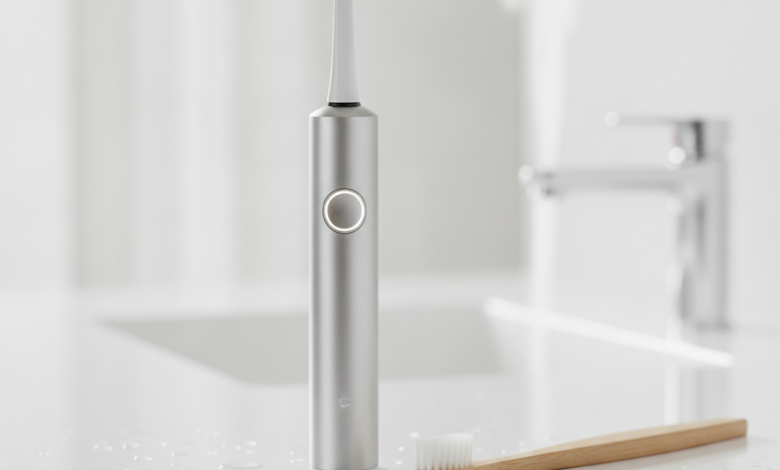
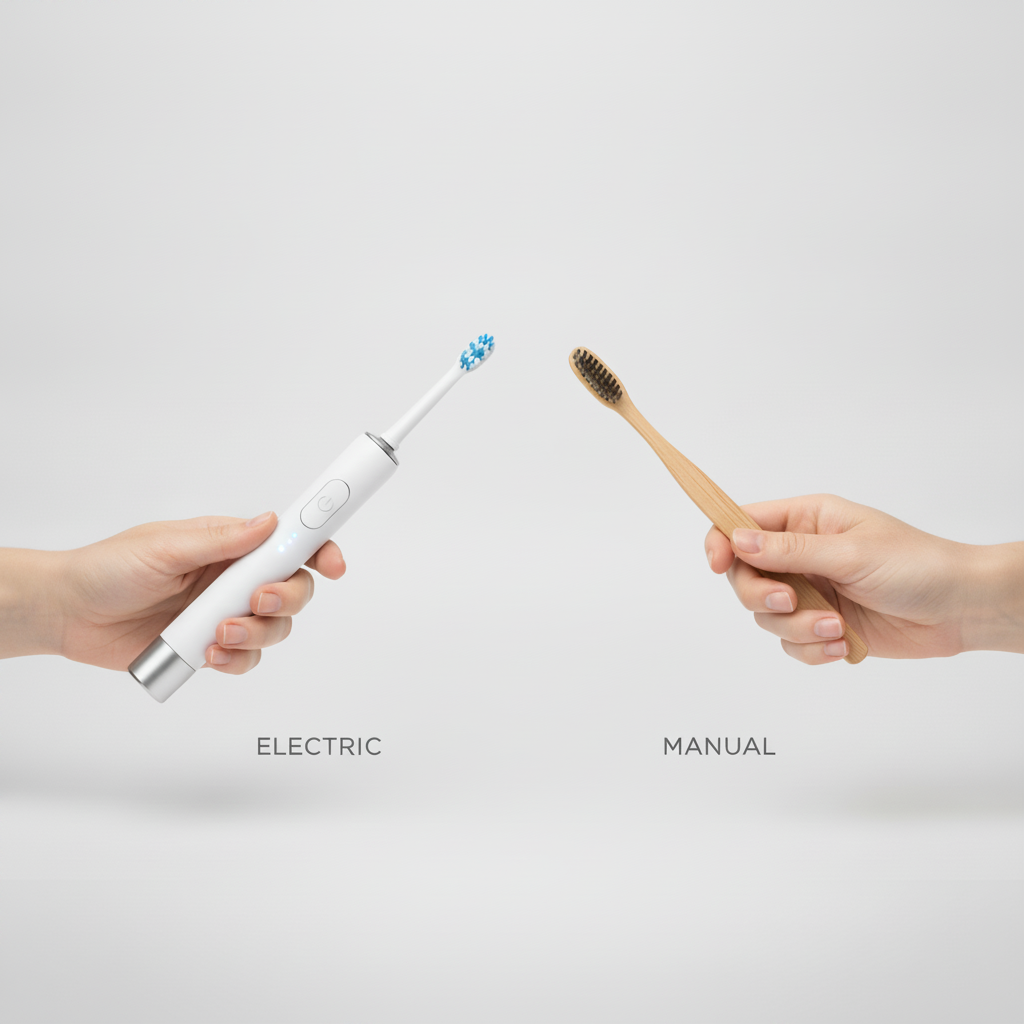
Electric Toothbrush vs Manual Toothbrush. Choosing the right toothbrush is a foundational step in maintaining optimal oral hygiene, a decision that significantly impacts the health of your teeth and gums. For decades, the manual toothbrush was the undisputed champion, a simple yet effective tool for removing plaque and food debris. However, with advancements in technology, electric toothbrushes have entered the arena, promising superior cleaning power and a host of innovative features. This evolution has sparked a common debate among consumers and dental professionals alike: which one truly offers the best clean?
Understanding the nuances of both electric and manual toothbrushes is crucial for making an informed decision tailored to individual needs and preferences. While both are designed to remove plaque and prevent common dental issues like cavities and gum disease, their methods, effectiveness, and user experience can differ substantially. This article delves deep into the mechanisms, advantages, and disadvantages of each type, helping you navigate the choices and ultimately brush your way to a healthier smile.
The Core Purpose of Brushing: Plaque Removal
Regardless of the type of toothbrush used, the primary goal of brushing is the mechanical removal of dental plaque. Plaque is a sticky, colorless film of bacteria that constantly forms on our teeth. If not removed regularly, these bacteria produce acids that can erode tooth enamel, leading to cavities (dental caries), and irritate the gums, causing gingivitis (early gum disease). Over time, plaque can harden into tartar (calculus), which can only be removed by a dental professional. Effective brushing is therefore essential for preventing these common oral health problems and maintaining long-term dental wellness.
Manual Toothbrushes: The Tried and True Method
Manual toothbrushes are the traditional choice, familiar to virtually everyone. They are simple, readily available, and do not require power.
Design and Functionality
A typical manual toothbrush consists of a handle, a neck, and a head with bristles. Bristles come in various textures (soft, medium, hard) and configurations. Dental professionals almost universally recommend soft-bristled toothbrushes to prevent damage to enamel and gums. The effectiveness of a manual toothbrush relies entirely on the user’s technique, dexterity, and consistency.
Advantages of Manual Toothbrushes
- Affordability: Manual toothbrushes are significantly cheaper than electric models, both in initial purchase and replacement costs.
- Accessibility: They are available almost everywhere, from pharmacies to grocery stores, making them easy to acquire.
- No Charging Required: Being unpowered, they are always ready for use, regardless of electrical outlets or battery life. This makes them ideal for travel.
- Control: Users have complete control over the brushing speed, pressure, and angle, which can be beneficial for those with sensitive areas or specific oral concerns.
- Simplicity: Their straightforward design makes them easy to use without a learning curve for basic operation.
Disadvantages of Manual Toothbrushes
- Technique-Dependent: Their efficacy heavily relies on proper brushing technique. Many people do not brush long enough or with the correct motion, leading to inadequate plaque removal.
- Inconsistent Pressure: It’s challenging for users to apply consistent pressure across all tooth surfaces, potentially leading to over-brushing in some areas and under-brushing in others.
- Less Effective Plaque Removal (for some): Studies often show that manual toothbrushes can be less effective at removing plaque and reducing gingivitis compared to electric models, especially for those with less-than-perfect technique.
- No Built-in Features: Lacking timers or pressure sensors, users must manually track their brushing time and effort.
Electric Toothbrushes: The Modern Innovation
Electric toothbrushes utilize motor-driven brush heads to provide mechanical cleaning action, often with additional features to enhance the brushing experience.
Types and Mechanisms
There are two main types of electric toothbrushes:
- Oscillating-Rotating: These toothbrushes have small, round brush heads that oscillate (move back and forth) and often pulsate (vibrate) to break up and sweep away plaque.
- Sonic: These models vibrate at very high speeds, typically between 20,000 and 40,000 brush strokes per minute. The high-frequency vibrations create dynamic fluid action, driving toothpaste and water between teeth and along the gumline to dislodge plaque.
Key Features
Many electric toothbrushes come equipped with advanced features:
- Built-in Timers: Most models include a 2-minute timer, often with 30-second quad-pacers to ensure all quadrants of the mouth are brushed equally.
- Pressure Sensors: These sensors alert users (via light, sound, or pulsation) when they are brushing too hard, helping to protect gums and enamel from damage.
- Multiple Modes: Different modes cater to various needs, such as daily clean, sensitive, gum care, whitening, and deep clean.
- Connectivity: Some smart toothbrushes connect to smartphone apps via Bluetooth, providing real-time feedback on brushing technique, coverage, and areas that need more attention.
- Variety of Brush Heads: Specific brush heads are available for different purposes, such as sensitive teeth, braces, or whitening.
Advantages of Electric Toothbrushes
- Superior Plaque Removal: Numerous scientific studies, including those by the Cochrane Collaboration, have concluded that electric toothbrushes, particularly oscillating-rotating models, generally remove more plaque and reduce gingivitis more effectively than manual toothbrushes. Their consistent, high-speed movements ensure a thorough clean.
- Easier to Use: The toothbrush does most of the work, requiring users to simply guide the brush head over each tooth surface. This makes them ideal for individuals with limited dexterity, such as children, the elderly, or those with arthritis or disabilities.
- Built-in Timers Promote Optimal Brushing: The 2-minute timer ensures users brush for the dentist-recommended duration, improving consistency.
- Pressure Sensors Prevent Damage: These features are invaluable for preventing aggressive brushing, which can lead to gum recession and enamel erosion.
- Beneficial for Orthodontics: Electric toothbrushes, especially those with specialized brush heads, can be more effective at cleaning around braces.
- Motivating: The technology and feedback from smart brushes can make brushing more engaging and encourage better habits.
Disadvantages of Electric Toothbrushes
- Higher Cost: The initial investment for an electric toothbrush can be substantial, and replacement brush heads are also more expensive than manual toothbrushes.
- Charging Required: They need to be charged regularly, which can be inconvenient for travel unless a fully charged battery lasts for the trip duration.
- Noise: Electric toothbrushes can be noisier than manual ones, which might be a minor irritant for some users.
- Bulkier for Travel: While some compact travel models exist, electric toothbrushes are generally larger and require more space than manual ones.
Electric Toothbrush vs Manual Toothbrush
To offer a clear perspective, here’s a comparative overview of electric and manual toothbrushes across several key aspects:
| Feature | Manual Toothbrush | Electric Toothbrush |
|---|---|---|
| Plaque Removal | Good, but technique-dependent. Can be less effective if technique is poor. | Excellent, generally more effective, especially oscillating-rotating models. Less technique-dependent. |
| Ease of Use | Requires precise technique and dexterity for optimal results. | Easier; the brush does most of the work, just guide it. Ideal for those with limited mobility. |
| Cost (Initial & Ongoing) | Very low initial cost; low cost for replacement brushes. | Higher initial investment; higher cost for replacement brush heads. |
| Features | Basic design, no built-in timers or pressure sensors. | Often includes timers, pressure sensors, multiple modes, and smart connectivity. |
| Gum Health | Can cause recession if brushed too hard; effectiveness depends on gentle technique. | Pressure sensors help protect gums; generally leads to reduced gingivitis and bleeding. |
| Suitability | Good for individuals with excellent technique and dexterity, budget-conscious. | Excellent for most people, especially those with limited dexterity, braces, or a tendency to brush too hard. |
| Travel Convenience | Very portable, no charging needed. | Less portable, requires charging, bulkier. |
Key Factors to Consider When Choosing
The “best” toothbrush isn’t universal; it’s the one that best suits your individual needs and encourages consistent, effective brushing.
Your Oral Health Needs
If you have sensitive teeth or gums, an electric toothbrush with a sensitive mode and pressure sensor can be highly beneficial. For individuals with braces, an electric toothbrush, particularly a sonic one or one with specialized heads, can make cleaning around brackets much easier and more effective. If you struggle with dexterity due to conditions like arthritis, an electric toothbrush can significantly improve your cleaning efficacy.
Your Budget
Electric toothbrushes represent a larger initial investment, and their replacement heads are also more expensive. Consider your long-term budget for both the device and ongoing maintenance. However, weigh this against the potential long-term savings on dental treatments that might arise from superior oral hygiene.
Personal Preference and Motivation
Some people simply prefer the feel and control of a manual toothbrush. Others find the novelty and efficacy of an electric toothbrush more motivating, turning a routine task into a more engaging experience. If an electric toothbrush makes you brush more consistently and effectively, it’s likely the better choice.
Dentist’s Recommendation
Always consult your dentist or dental hygienist. They can assess your specific oral health condition, identify any areas of concern, and recommend the type of toothbrush and brushing technique that would be most beneficial for you. They can also demonstrate proper technique for either type of brush.
Proper Brushing Technique: The Unifying Factor
Regardless of whether you choose an electric or manual toothbrush, proper technique remains paramount. Even the most advanced electric toothbrush cannot compensate for neglecting fundamental oral hygiene principles.
Essential Brushing Guidelines:
- Brush for Two Minutes: Ensure you clean all surfaces of your teeth for the recommended duration, twice a day.
- Use a Soft-Bristled Brush: Protect your enamel and gums by opting for soft bristles, whether manual or electric.
- Angle Your Brush: Position your brush at a 45-degree angle to the gumline, aiming the bristles towards where the tooth and gum meet.
- Gentle Strokes: Use gentle, short, circular or back-and-forth strokes. Avoid aggressive scrubbing, which can damage gums and teeth.
- Don’t Forget All Surfaces: Brush the outer, inner, and chewing surfaces of all teeth. Also, gently brush your tongue to remove bacteria and freshen breath.
Beyond Brushing: A Holistic Approach to Oral Health
While choosing the right toothbrush is critical, it’s just one component of a comprehensive oral care routine. To truly achieve and maintain excellent oral health, consider the following:
- Flossing Daily: Brushing alone cannot reach all the plaque and food particles between your teeth and under the gumline. Daily flossing is indispensable.
- Use Mouthwash (Optional): Therapeutic mouthwashes can complement brushing and flossing by reducing plaque and gingivitis, but they are not a substitute.
- Balanced Diet: Limit sugary and acidic foods and drinks, which contribute to tooth decay.
- Regular Dental Checkups: Professional cleanings and examinations are vital for detecting and addressing problems early. Your dentist can remove tartar, identify cavities, and screen for other oral health issues. For more tips on maintaining a healthy mouth, explore 10 Dentist Recommended Oral Hygiene Tips.
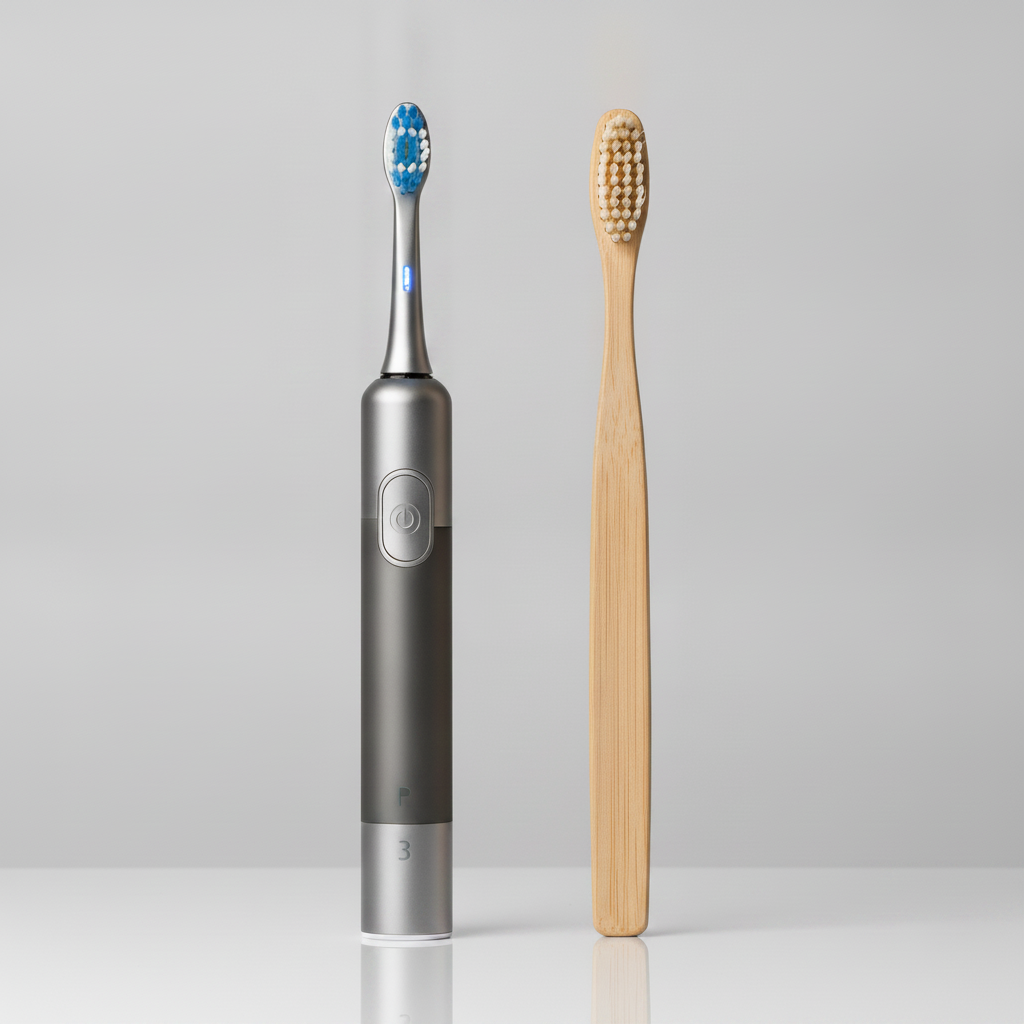
Ultimately, the choice between an electric and manual toothbrush comes down to personal preference, budget, and how effectively each tool helps you maintain consistent and thorough oral hygiene. While electric toothbrushes often demonstrate a slight edge in plaque removal and ease of use, a manual toothbrush, used correctly, can still be highly effective. The most important factor is consistency and proper technique. Many reputable sources, including the American Dental Association and various scientific studies, emphasize that both types can be effective when used properly. Regularly brush for two minutes, twice a day, floss daily, and visit your dentist for routine check-ups and cleanings to ensure your smile remains healthy and bright.”