Full Mouth Reconstruction Cost Guide

Embarking on a journey to restore your smile and oral health can be life-changing, especially when considering a comprehensive treatment like full mouth reconstruction. This extensive dental procedure is designed for individuals with multiple complex dental problems, aiming to rebuild and restore all teeth, both functionally and aesthetically. Due to its multifaceted nature, understanding the associated expenses is a primary concern for many patients. The total investment can vary significantly, encompassing a range of procedures tailored to each unique case. This guide aims to demystify the factors that contribute to the **Full Mouth Reconstruction Cost**, helping you make an informed decision about this transformative dental solution.
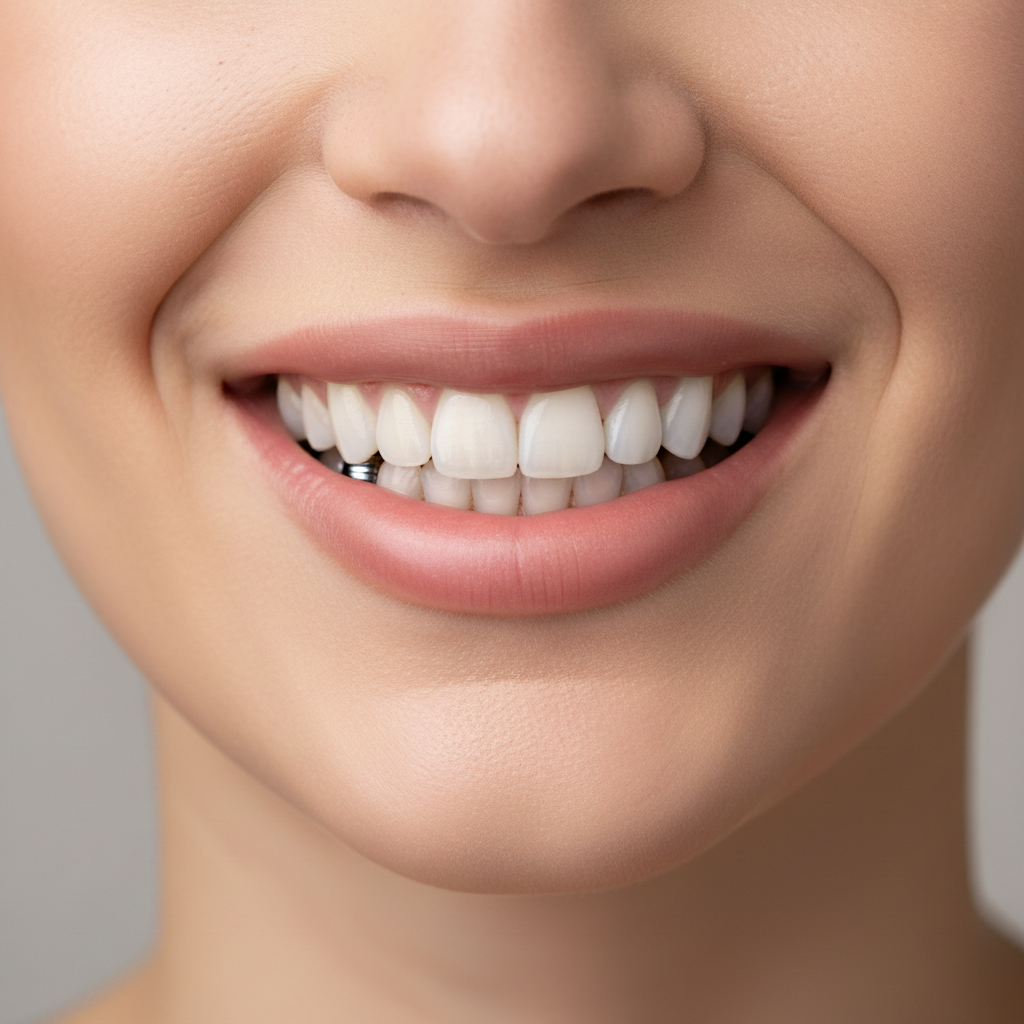
Full Mouth Reconstruction Cost Guide
What is Full Mouth Reconstruction?
Full mouth reconstruction is not a single procedure but a series of restorative and cosmetic dental treatments performed to correct issues affecting the entire mouth. It’s often necessary for patients suffering from widespread tooth decay, numerous missing teeth, severe gum disease, bite problems, extensive wear from teeth grinding (bruxism), or trauma. The goal is to optimize the health of the entire mouth, including the teeth, gums, and jaw, ensuring proper function and a beautiful, natural-looking smile.
The process typically involves a combination of specialized treatments, which may include:
- Dental Implants: To replace missing teeth and provide a stable foundation for crowns or bridges.
- Dental Crowns: To cap damaged or weak teeth, restoring their shape, size, and strength.
- Dental Bridges: To bridge gaps created by one or more missing teeth, anchored by crowns on adjacent natural teeth or implants.
- Porcelain Veneers or Laminates: To improve the aesthetics of front teeth, covering discoloration, chips, or gaps.
- Inlays and Onlays: For teeth with mild to moderate decay, these custom-made fillings fit within or cover a portion of the tooth.
- Root Canal Therapy: To treat infected tooth pulp and save a natural tooth.
- Gum Disease Treatment: Scaling and root planing, or more advanced periodontal surgeries, to restore gum health.
- Orthodontics: Braces or clear aligners to correct bite issues and properly align teeth before restorative work.
- Bone Grafting or Sinus Lifts: Procedures to augment jaw bone density, often necessary before dental implant placement.
- Jaw Alignment (Occlusal Adjustment): To correct bite problems and ensure proper jaw function, often involving splints or minor tooth adjustments.
Each patient’s treatment plan is highly individualized, reflecting the unique challenges and goals presented by their oral condition. This customization directly influences the overall cost.
Factors Influencing Full Mouth Reconstruction Cost
The comprehensive nature of full mouth reconstruction means that its cost is influenced by numerous variables. Understanding these factors is crucial for patients seeking clarity on their potential investment.
Extent of Dental Problems
The primary determinant of the cost is the severity and scope of the patient’s existing dental issues. A patient requiring extensive bone grafting, multiple implants, numerous crowns, and gum therapy will naturally face a higher cost than someone needing fewer procedures. The more teeth involved and the more complex their individual problems, the greater the expense.
Type and Number of Procedures
As outlined above, full mouth reconstruction can involve a wide array of dental treatments. Each procedure carries its own cost. For example, dental implants are typically more expensive than traditional fillings, and extensive orthodontic treatment adds significantly to the overall price. The specific combination and quantity of these treatments directly impact the final bill. Patients often inquire about specific components, such as how much dental implants cost, which can be a major part of the reconstruction budget.
Materials Used
The choice of materials for restorations plays a significant role in the overall cost. For instance:
- Porcelain vs. Zirconia: Zirconia crowns and veneers are generally more durable and aesthetically pleasing but also more expensive than porcelain-fused-to-metal (PFM) alternatives.
- Implant Materials: The brand and type of dental implant (e.g., titanium vs. zirconia) can affect pricing.
- Denture Materials: If full or partial dentures are part of the plan, the quality of acrylic and teeth used will influence the price.
High-quality, biocompatible, and aesthetically superior materials often come with a higher price tag but offer better longevity and results.
Laboratory Fees
Many restorative components, such as crowns, veneers, bridges, and implant-supported prosthetics, are custom-fabricated in dental laboratories. The complexity of these fabrications, the technology used by the lab, and the skill of the dental technician all contribute to the lab fees, which are then factored into the patient’s total cost.
Dentist’s Expertise and Clinic Location
The experience and reputation of the prosthodontist or restorative dentist performing the reconstruction can influence pricing. Highly specialized practitioners with extensive training and a proven track record may charge more for their expertise. Additionally, the geographic location of the clinic can affect costs, with practices in major metropolitan areas or regions with a higher cost of living often having higher fees. While some clinics might offer competitive pricing, it’s essential to prioritize quality and experience for such a complex procedure.
Diagnostic and Preparatory Services
Before any actual reconstruction begins, a thorough diagnosis is essential. This includes detailed examinations, X-rays, 3D imaging (CBCT scans), dental models, and bite analysis. These diagnostic services are critical for accurate treatment planning and are part of the overall cost. Preparatory procedures like extractions or deep cleanings also add to the expense.
Detailed Cost Breakdown for Full Mouth Reconstruction Elements
To provide a clearer picture of the potential financial commitment, here is a general breakdown of common procedures that might be included in a full mouth reconstruction, along with their typical impact on the overall cost. It’s crucial to remember that these are illustrative ranges and actual prices will vary based on the factors mentioned above, especially the specific clinic, country, and complexity.
| Procedure Component | Description & Cost Impact |
|---|---|
| Dental Implants | Replacement of missing tooth roots with titanium posts. Each implant requires a separate cost; often one of the most significant investments. Additional costs for abutment and crown. |
| Dental Crowns / Bridges | Caps for damaged teeth or to bridge gaps. Cost varies by material (porcelain, zirconia, E-max) and number of units. |
| Porcelain Veneers | Thin shells bonded to front teeth for aesthetic improvement. Cost per tooth; can add up for multiple veneers. |
| Root Canal Therapy | Treatment for infected tooth pulp. Cost varies by tooth (front vs. molar) and complexity. Essential for saving affected teeth. |
| Gum Disease Treatment | Scaling, root planing, or surgical interventions. Costs depend on the severity of the periodontal disease. |
| Orthodontic Treatment | Braces or clear aligners to correct bite and alignment. Can be a substantial addition if extensive tooth movement is required. |
| Bone Grafting / Sinus Lift | Procedures to build up jawbone for implant placement. These are surgical procedures with significant associated costs. |
| Temporary Restorations | Temporary crowns, bridges, or dentures used during the healing and fabrication phases. While often included, they are a cost component. |
| Diagnostic & Planning | X-rays, CBCT scans, impressions, models, bite analysis, digital smile design. Essential initial investment for accurate treatment. |
The Full Mouth Reconstruction Process
The journey to a fully restored smile involves several well-defined stages, each critical to the success and longevity of the reconstruction.
1. Initial Consultation and Diagnosis
This crucial first step involves a comprehensive examination of your teeth, gums, jaw, and bite. The dentist will take X-rays, 3D scans, and impressions to create a detailed map of your oral condition. This stage identifies all existing issues and forms the basis for your personalized treatment plan.
2. Treatment Planning
Based on the diagnostic findings, the dental team will develop a meticulous treatment plan. This plan outlines every procedure, the sequence in which they will be performed, and the expected timeline. Digital smile design software may be used to visualize the potential outcome, allowing patients to provide input on their aesthetic goals. This is also when the detailed cost estimate is provided.
3. Preparatory Procedures
Before restorative work begins, foundational issues must be addressed. This might include:
- Extractions of severely damaged or unrestorable teeth.
- Treatment for gum disease to ensure a healthy foundation.
- Root canal therapy for infected teeth.
- Bone grafting or sinus lifts if additional bone volume is needed for implants.
These steps prepare the mouth for the long-term success of the reconstruction.
4. Restorative Phase
This is where the bulk of the reconstruction takes place. Depending on the plan, it could involve:
- Placement of dental implants.
- Preparation of teeth for crowns or veneers.
- Fitting of temporary restorations while permanent ones are fabricated.
- Placement of permanent crowns, bridges, veneers, or other prosthetics.
This phase often requires multiple appointments over several weeks or months, allowing for healing periods, especially after implant placement.
5. Final Adjustments and Aftercare
Once all permanent restorations are in place, the dentist will make final adjustments to ensure your bite is comfortable and aesthetic. Instructions for proper oral hygiene and maintenance will be provided to protect your investment. Regular follow-up appointments are essential to monitor the health and longevity of your reconstructed smile.
Why Invest in Full Mouth Reconstruction?
While the **Full Mouth Reconstruction Cost** represents a significant investment, the benefits often far outweigh the financial outlay, offering a profound improvement in quality of life.
Enhanced Oral Health
By addressing underlying issues such as decay, gum disease, and bite problems, full mouth reconstruction eliminates sources of pain and infection, promoting long-term oral health and preventing further deterioration.
Restored Functionality
Patients regain the ability to chew, speak, and bite comfortably and efficiently. This improves digestion and overall nutritional intake, contributing to general health.
Improved Aesthetics and Confidence
A well-designed full mouth reconstruction can dramatically transform a patient’s appearance, creating a natural, radiant smile. This aesthetic improvement often leads to increased self-esteem and social confidence.
Long-Term Solution
When performed by skilled professionals using high-quality materials, full mouth reconstruction offers a durable and long-lasting solution to complex dental problems, potentially avoiding recurrent issues and costly piecemeal treatments in the future.
Better Quality of Life
Beyond the dental aspects, patients often report a significant improvement in their overall quality of life, free from dental pain, embarrassment, and functional limitations.
Making an Informed Decision About Full Mouth Reconstruction
Choosing to undergo full mouth reconstruction is a major decision that requires careful consideration. It’s imperative to select a highly qualified and experienced dental professional who specializes in complex restorative cases. During your consultation, ensure you receive a detailed breakdown of the proposed treatment plan, the materials to be used, the estimated timeline, and a clear, itemized cost estimate.
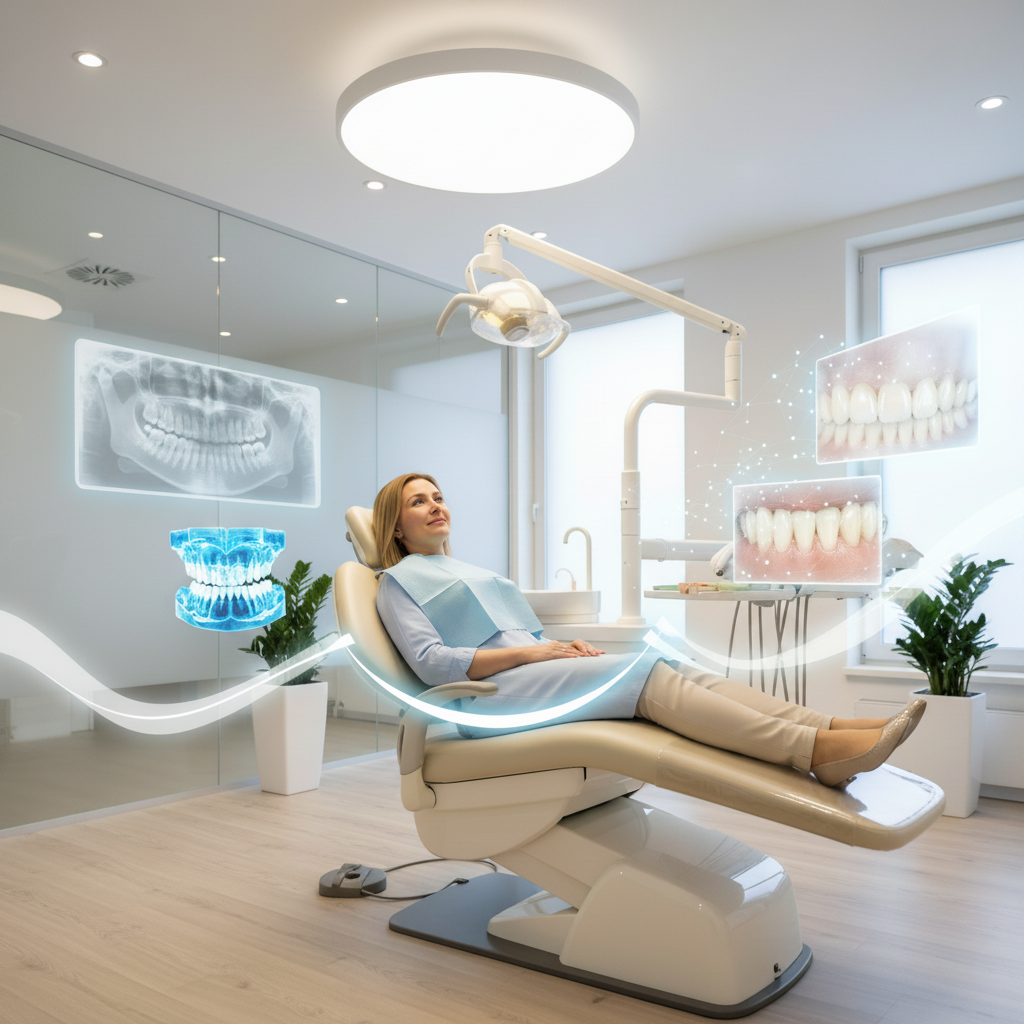
Don’t hesitate to ask questions about financing options, payment plans, or how your dental insurance (if applicable) might contribute to the costs. While the initial investment can seem substantial, viewing it as a long-term investment in your health, comfort, and confidence can help put the **Full Mouth Reconstruction Cost** into perspective. A healthy, functional, and beautiful smile is an invaluable asset that contributes significantly to your overall well-being. For more detailed information on comprehensive dental rehabilitation, a trusted resource like Wikipedia’s entry on Dental Rehabilitation can offer additional context.