How to Stop Bleeding Gums When Brushing

How to Stop Bleeding Gums When Brushing is a critical question for anyone who has experienced the unnerving sight of pink or red in the sink. This common issue, often dismissed as a result of brushing too hard, is typically an early warning sign from your body. It signals underlying inflammation and the initial stages of gum disease, a condition that can have significant consequences for your overall oral health if left unaddressed. Understanding the root causes of bleeding gums is the first and most important step toward resolving the problem and restoring your gums to a healthy, resilient state. The bleeding is not the problem itself, but rather a symptom of a larger issue brewing beneath the surface at your gumline.
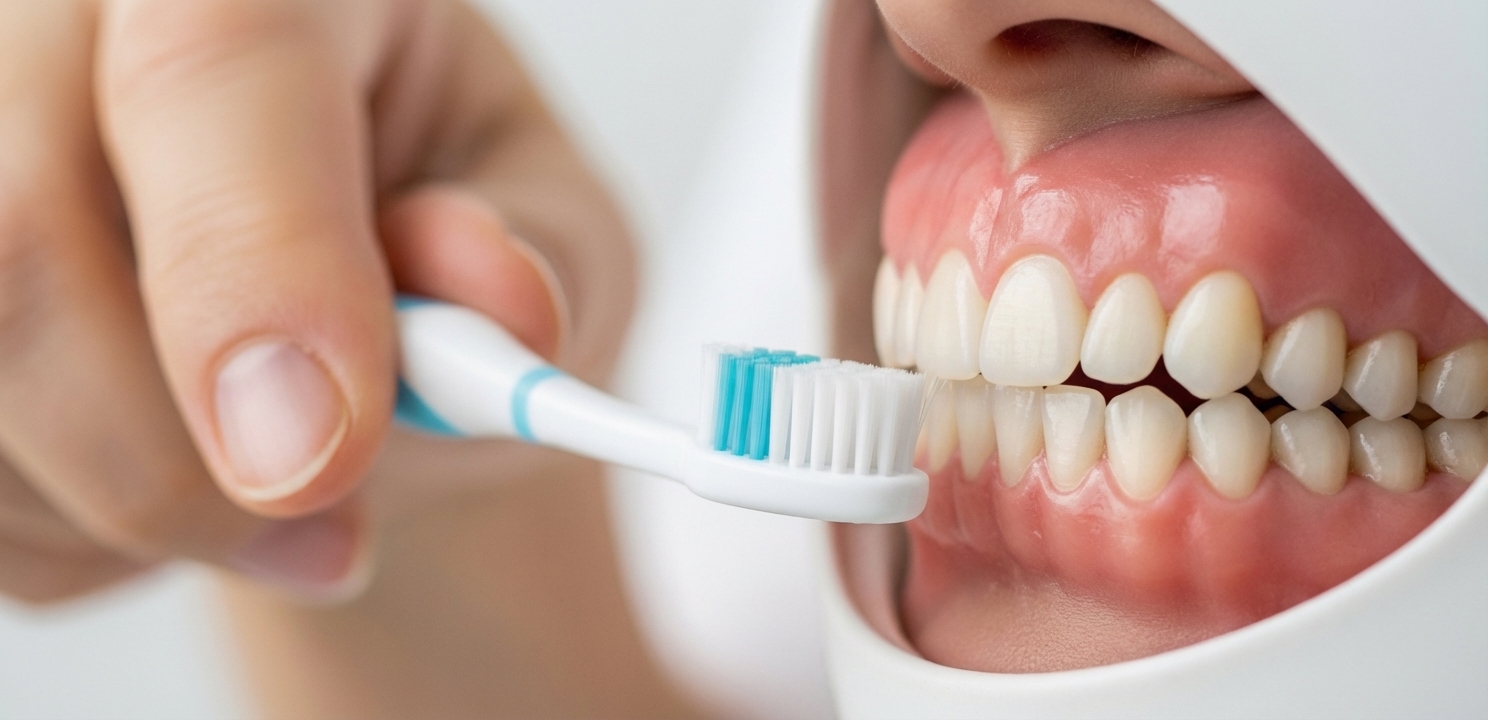
The primary culprit behind bleeding gums is the accumulation of plaque. Plaque is a sticky, colorless film of bacteria that constantly forms on our teeth. When this plaque is not effectively removed through daily brushing and flossing, it begins to irritate the delicate gum tissue, known as the gingiva. This irritation triggers an inflammatory response from your body’s immune system. Blood vessels in the gums expand to allow more blood flow to the area, bringing defensive cells to fight the bacterial invasion. This increased blood flow and inflammation make the gums tender, swollen, and highly susceptible to bleeding, even with gentle contact from a toothbrush or floss. This initial stage of gum disease is called gingivitis, and the good news is that it is completely reversible with proper oral hygiene and professional care.
Understanding the Progression of Gum Disease
If gingivitis is not treated, the inflammation can progress and lead to a more severe form of gum disease called periodontitis. While gingivitis is confined to the gum tissue, periodontitis involves the deeper structures that support your teeth, including the bone. As plaque hardens into tartar (or calculus), it creates a rough surface that encourages even more plaque accumulation, pushing further down below the gumline. The body’s persistent inflammatory response to this bacterial invasion starts to break down the connective tissues and bone that hold teeth in place. Pockets form between the gums and teeth, which then become infected. As the disease advances, these pockets deepen, more gum tissue and bone are destroyed, and teeth can become loose and may eventually need to be removed. Recognizing the early symptoms is crucial. These include not only bleeding but also persistent bad breath, red or swollen gums, and tender gums. Paying attention to these 10 early signs of gum disease you should never ignore can empower you to take action before irreversible damage occurs.
Key Differences Between Gingivitis and Periodontitis
It’s vital to distinguish between these two stages. Gingivitis is characterized by inflammation of the gums without any bone loss. Its symptoms are often mild and include redness, swelling, and bleeding during brushing. Because the underlying bone and connective tissue are not yet affected, gingivitis is entirely reversible. With a diligent at-home care routine and professional cleanings, the gums can return to a completely healthy state. Periodontitis, on the other hand, signifies that permanent damage has begun. The infection has spread below the gumline and started to destroy the alveolar bone. The pockets that form are a hallmark of this stage. While periodontitis can be managed and its progression halted with professional treatment, the bone loss that has already occurred is not reversible without advanced surgical procedures. This distinction underscores the urgency of addressing bleeding gums at the first sign.
A Step-by-Step Guide to Stop Bleeding Gums
Taking control of your gum health involves a combination of consistent daily habits, the right tools, and professional support. Implementing a comprehensive oral hygiene strategy is the most effective way to eliminate plaque, reduce inflammation, and ultimately stop your gums from bleeding. This isn’t about a quick fix but about adopting a long-term approach to oral wellness.
Mastering Proper Brushing and Flossing Techniques
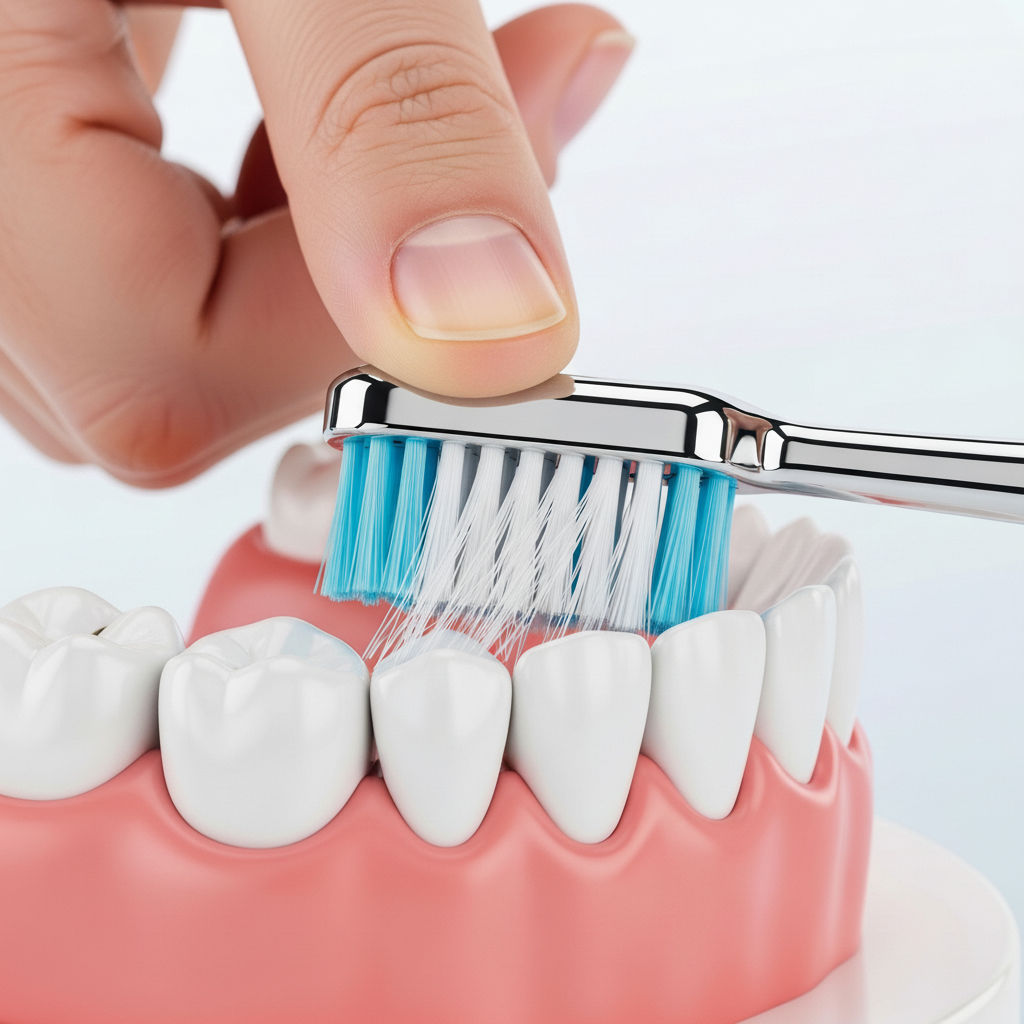
The foundation of healthy gums is mechanical plaque removal. This means brushing and flossing correctly and consistently. For brushing, use a soft-bristled toothbrush to avoid causing further irritation or damage to your gums. Position the brush at a 45-degree angle to the gumline, ensuring the bristles are touching both the tooth surface and the gums. Use gentle, short, circular strokes rather than aggressive back-and-forth scrubbing. Make sure to clean the outer, inner, and chewing surfaces of all your teeth, which should take at least two minutes. Flossing is equally critical because it cleans the tight spaces between your teeth and under the gumline where a toothbrush cannot reach. Use about 18 inches of floss, wrapping it around your middle fingers and using your index fingers and thumbs to guide it. Gently curve the floss into a “C” shape against each tooth and slide it beneath the gumline. Move it up and down to remove plaque effectively. Consistency is key: brush twice a day and floss at least once a day.
Incorporating Therapeutic Mouthwash and a Gum-Friendly Diet
While brushing and flossing are the primary methods for plaque removal, a therapeutic mouthwash can provide additional benefits. Look for an antimicrobial or anti-gingivitis mouthwash that can help reduce bacteria in your mouth. Ingredients like cetylpyridinium chloride (CPC) have been shown to be effective in reducing plaque and gingivitis. However, mouthwash should be used as a supplement to, not a replacement for, mechanical cleaning. Your diet also plays a significant role in gum health. A balanced diet rich in vitamins and minerals supports your body’s ability to fight infection. Vitamin C is particularly important for collagen production, which is essential for healthy gum tissue. You can find it in citrus fruits, bell peppers, and broccoli. Vitamin K helps with blood clotting and can be found in leafy greens like spinach and kale. Limiting sugary foods and drinks is also crucial, as sugar feeds the harmful bacteria that contribute to plaque formation.
When Professional Dental Care is Necessary
While at-home care is the first line of defense, professional intervention is essential for both preventing and treating gum disease. Regular dental check-ups, typically every six months, allow a dentist or hygienist to identify early signs of trouble that you might miss. Professional cleanings are vital because they remove tartar, the hardened plaque that cannot be removed with a regular toothbrush or floss. If tartar is allowed to build up, it acts as a reservoir for bacteria, continuously irritating the gums.
For individuals whose gum disease has progressed beyond simple gingivitis, a more intensive treatment known as scaling and root planing may be required. This procedure is often referred to as a “deep cleaning.” During scaling, the dentist or hygienist removes all the plaque and tartar from above and below the gumline, cleaning all the way down to the bottom of the pocket. Root planing involves smoothing out the teeth’s roots to help the gums reattach to the teeth. According to the National Center for Biotechnology Information, scaling and root planing is a cornerstone of periodontal therapy, effectively reducing inflammation and pocket depth. Following this procedure, maintaining an excellent at-home oral hygiene routine is critical to prevent the disease from recurring.
| Stage of Gum Health | Common Symptoms | Recommended Actions |
|---|---|---|
| Healthy Gums | Pink and firm; no bleeding during brushing or flossing. | Maintain routine: Brush 2x daily, floss 1x daily, regular dental check-ups. |
| Gingivitis (Early Stage) | Red, swollen, tender gums; bleeding easily when brushing or flossing. | Improve at-home care immediately. Ensure proper technique and schedule a professional cleaning. |
| Early Periodontitis | Gums pulling away from teeth (recession); formation of small pockets; persistent bad breath. | Immediate professional consultation. Scaling and root planing (deep cleaning) is likely needed. |
| Moderate to Advanced Periodontitis | Deepening pockets; loose or shifting teeth; changes in bite; pus between teeth and gums. | Comprehensive periodontal treatment is required. May involve surgical procedures to manage disease and restore tissue. |