What Causes Sensitive Teeth and How to Treat It
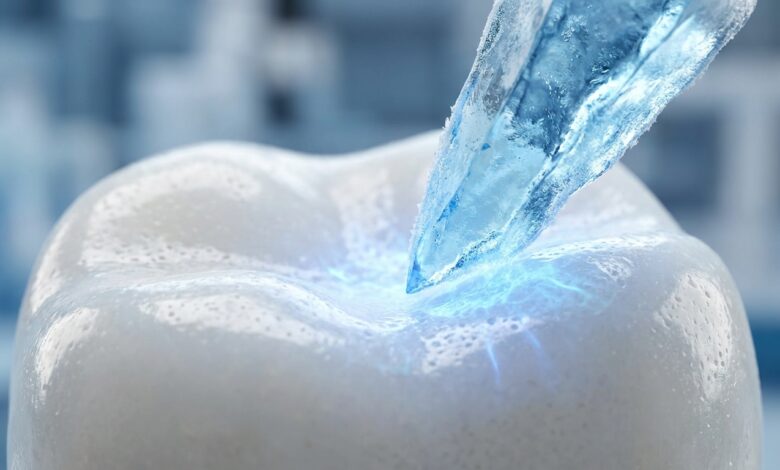
What Causes Sensitive Teeth and How to Treat It is a common question among millions who experience a sudden, sharp jolt of pain when consuming hot, cold, sweet, or acidic foods and drinks. This discomfort, known medically as dentin hypersensitivity, can range from a mild annoyance to a severe problem that impacts daily life and dietary choices. While it’s a frequent dental complaint, it is not a disease in itself but rather a symptom of an underlying issue. Understanding the root causes of this sensitivity is the first step toward finding an effective and lasting solution. The pain is a signal from your teeth that something is amiss, often related to the exposure of the softer, inner part of your tooth called dentin.
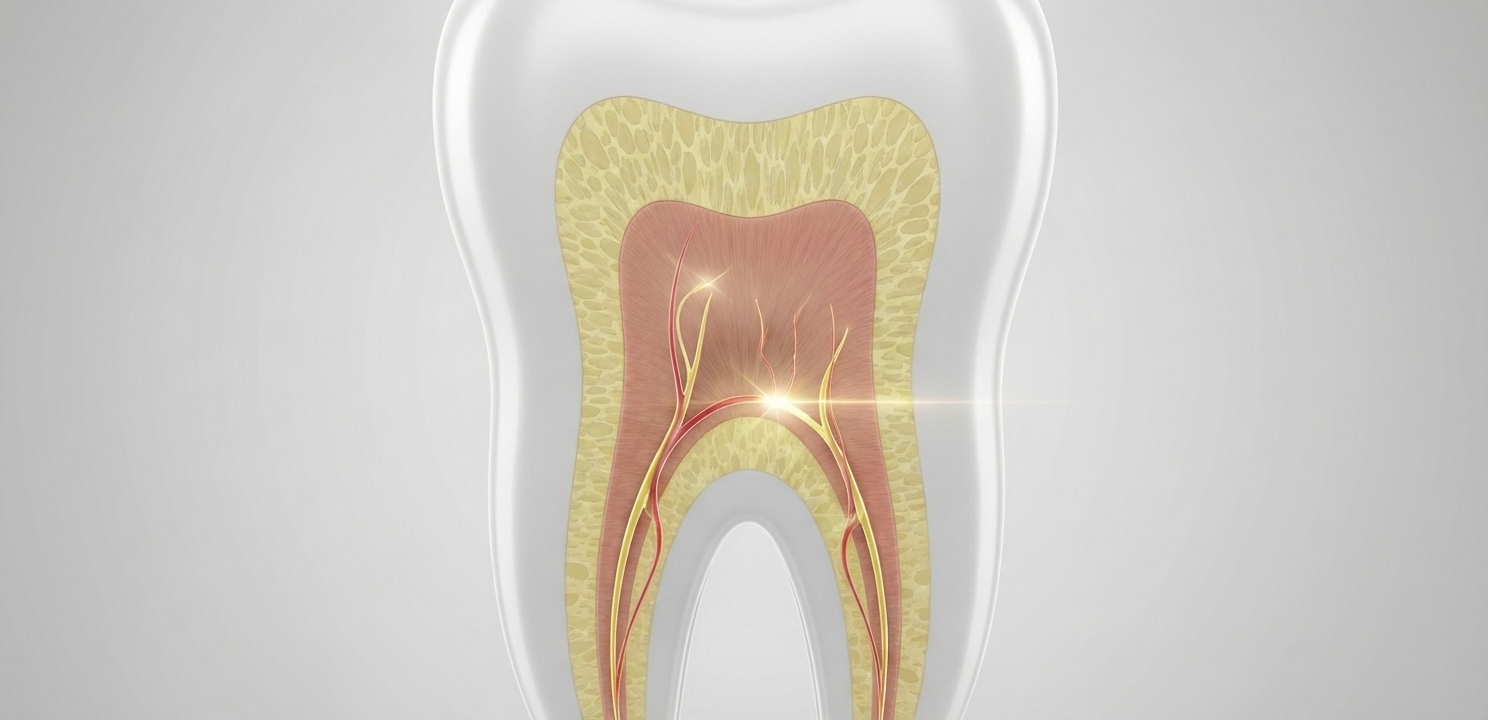
The experience of tooth sensitivity is a direct result of external stimuli reaching the nerves inside the tooth. When the protective outer layers—enamel covering the crown and cementum covering the root—wear away or get damaged, the underlying dentin becomes exposed. Dentin is a porous tissue containing thousands of microscopic tubules that lead directly to the tooth’s pulp, or nerve center. These tubules are filled with fluid, and when you eat or drink something hot, cold, or sugary, the fluid inside these tiny tubes moves. This fluid movement stimulates the nerves in the pulp, triggering the characteristic sharp, short pain associated with sensitive teeth. Therefore, any condition that leads to exposed dentin can be a direct cause of this uncomfortable sensation.
## Understanding the Anatomy Behind the Pain
To fully grasp why tooth sensitivity occurs, it’s essential to understand the basic structure of a tooth. Each tooth is composed of several distinct layers, each with a specific function.
* Enamel: This is the outermost layer of the tooth’s crown (the part visible above the gum line). Enamel is the hardest substance in the human body, providing a durable shield against the daily pressures of chewing, biting, and exposure to acids from food. However, despite its strength, enamel is not indestructible and can be eroded by acid or worn down by physical abrasion.
* Dentin: Located directly beneath the enamel, dentin makes up the bulk of the tooth. It is a hard, bone-like tissue but is much more porous than enamel, containing the microscopic tubules that connect to the nerve. When enamel is lost, the dentin is exposed, leaving these pathways open for stimuli to trigger pain.
* Cementum: This layer covers the root of the tooth, which is anchored below the gum line. Cementum is not as hard as enamel and can be easily worn away if the gums recede, exposing the root and the underlying dentin.
* Pulp: The innermost part of the tooth, the pulp, is a soft tissue containing nerves, blood vessels, and connective tissue. The pulp’s primary function is to provide sensation to the tooth, which is why exposed dentin tubules lead to such a direct and painful response.
Essentially, tooth sensitivity is a breakdown in your tooth’s natural defense system. The pain you feel is a direct communication from the tooth’s nerve that its protective barriers have been breached.
## The Primary Causes of Sensitive Teeth
Dentin hypersensitivity is not random; it is always triggered by a specific underlying cause that has led to the exposure of dentin. Identifying the cause is crucial for determining the most effective treatment plan.
Enamel Erosion and Wear
One of the most common culprits behind sensitive teeth is the gradual wearing away of tooth enamel. This can happen for several reasons:
- Acidic Diet: Frequent consumption of acidic foods and beverages like citrus fruits, soda, wine, and carbonated drinks can demineralize and erode tooth enamel over time.
- Aggressive Brushing: Using a hard-bristled toothbrush or brushing with excessive force can physically scrub away enamel. This is a common habit that many people are unaware they have.
- Bruxism (Teeth Grinding): Grinding or clenching your teeth, especially during sleep, puts immense pressure on the enamel, causing it to wear down or even fracture over time.
- Acid Reflux (GERD): Medical conditions like gastroesophageal reflux disease can bring strong stomach acids up into the mouth, which can severely erode enamel, particularly on the back teeth.
Gum Recession
The gums play a vital role in protecting the roots of your teeth. When the gums pull back or recede, they expose the cementum and the underlying dentin of the root. Since cementum is much softer than enamel, it wears away quickly, leading to sensitivity. Common causes of gum recession include:
- Periodontal Disease: Gum diseases like gingivitis and periodontitis cause inflammation and destruction of the gum tissue and bone that support the teeth, leading to recession.
- Aggressive Oral Hygiene: As mentioned, brushing too hard can not only wear down enamel but also cause the gums to recede.
- Genetics and Age: Some individuals are genetically predisposed to thinner gum tissue, and gums naturally tend to recede with age.
Dental Damage and Procedures
Sometimes, sensitivity is a direct result of damage to the tooth or a side effect of a dental treatment.
- Tooth Decay (Cavities): A cavity is a hole in the tooth that can extend through the enamel and into the dentin, causing localized sensitivity.
- Cracked or Chipped Teeth: A crack in a tooth can create a pathway for stimuli to reach the pulp, causing pain upon biting or exposure to temperature changes.
- Post-Treatment Sensitivity: It is common to experience temporary sensitivity after procedures like teeth whitening, fillings, crown placements, or even a professional cleaning. This typically subsides as the tooth and nerve recover.
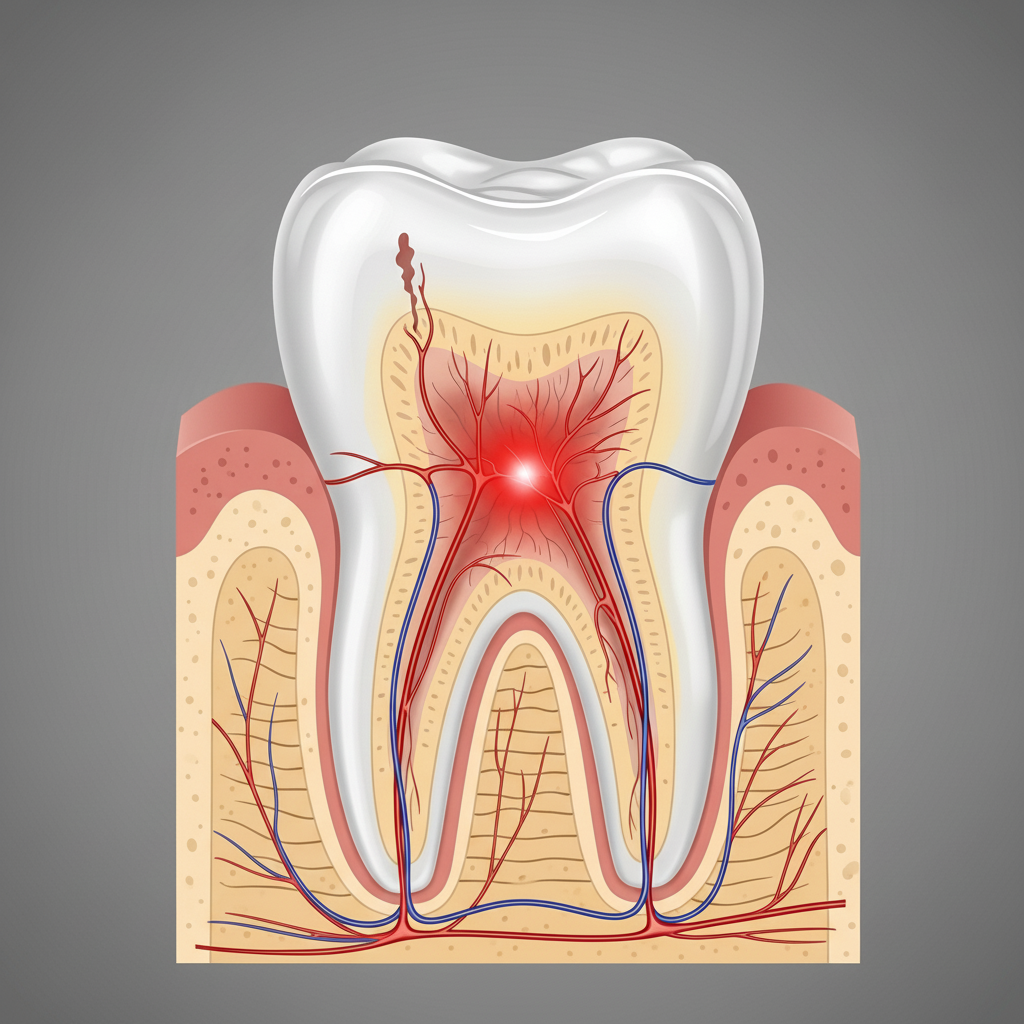
To better visualize these connections, the following table outlines the common causes, their typical presentation, and potential solutions.
| Cause | Common Symptoms | Potential Solutions |
|---|---|---|
| Enamel Erosion | Generalized sensitivity to cold, sweet, or acidic stimuli. Teeth may appear yellow as dentin shows through. | Desensitizing toothpaste, fluoride treatments, dietary changes, bonding, veneers. |
| Gum Recession | Sensitivity localized at the gum line of one or more teeth. Roots may be visibly exposed. | Proper brushing technique, gum grafting surgery, application of desensitizing agents. |
| Bruxism (Teeth Grinding) | Dull jaw ache, morning headaches, flattened or worn-down teeth, generalized sensitivity. | Custom-fitted night guard, stress management, orthodontic adjustment. |
| Tooth Decay or Damage | Sharp, localized pain in a specific tooth, especially when biting or eating something sweet. | Dental filling, crown, bonding, or root canal treatment depending on severity. |
## Professional Treatments for Lasting Relief
While at-home care is fundamental, some cases of tooth sensitivity require professional intervention to address the root cause and provide lasting relief. A dentist can accurately diagnose the reason for your discomfort and recommend a suitable treatment. For many people, the question of why your teeth hurt when drinking cold water is the first step toward seeking this professional help.
In-Office Fluoride Applications
Your dentist can apply a high-concentration fluoride varnish or gel to the sensitive areas of your teeth. Fluoride works by strengthening tooth enamel and dentin, which can help block the transmission of sensations through the dentinal tubules. This is a simple, painless procedure that can offer significant relief.
Dental Bonding
For sensitivity caused by exposed root surfaces due to gum recession, a dentist can apply a tooth-colored composite resin to cover the sensitive area. This bonding material acts as a protective barrier, sealing the dentin tubules from external stimuli.
Gum Grafts
In cases of significant gum recession and bone loss, a surgical procedure called a gum graft may be recommended. This involves taking a small piece of gum tissue from another part of the mouth (like the palate) and attaching it to the receded area. This procedure covers the exposed root, reduces sensitivity, and improves the aesthetics of your gum line.
Root Canal Treatment
If sensitivity is severe, persistent, and caused by damage or infection deep within the tooth’s pulp, a root canal may be the only effective solution. This procedure involves removing the inflamed or infected nerve pulp, cleaning the inside of the tooth, and sealing it. While it sounds intimidating, a root canal is a highly effective treatment for eliminating pain from a damaged nerve and saving the tooth. According to a comprehensive review on dentin hypersensitivity, treatments aim to either occlude the dentin tubules or block the neural response, with root canal therapy being the definitive solution for pulp-related pain. More information on this topic can be found in a study from the National Center for Biotechnology Information.
## Prevention is the Best Medicine
Managing and preventing tooth sensitivity starts with excellent oral hygiene and mindful habits. By protecting your enamel and gums, you can significantly reduce your risk of developing this painful condition. Key preventive strategies include:
- Use a Soft-Bristled Toothbrush: Always opt for a soft brush and use gentle, circular motions to clean your teeth without damaging enamel or gums.
- Use Desensitizing Toothpaste: Incorporate a toothpaste formulated with ingredients like potassium nitrate or stannous fluoride, which help block pain signals.
- Limit Acidic Foods and Drinks: Reduce your intake of soda, citrus, and other acidic items. When you do consume them, use a straw and rinse your mouth with plain water afterward.
- Wear a Mouthguard: If you grind your teeth at night, a custom-fitted mouthguard from your dentist is the most effective way to protect your teeth from wear and tear.
- Maintain Regular Dental Visits: Regular check-ups and cleanings allow your dentist to spot and address potential issues like early signs of gum disease or cavities before they lead to sensitivity.
Living with sensitive teeth is not a necessity. By understanding its causes and exploring the wide range of available at-home and professional treatments, you can take control of your oral health and enjoy your favorite foods and drinks without fear of pain.