The Best Toothpaste for Sensitive Teeth in Canada
The Best Toothpaste for Sensitive Teeth in Canada
Living with sensitive teeth can be a persistent and often debilitating challenge, transforming simple pleasures like enjoying a hot coffee or an ice-cold treat into moments of sharp, sudden pain. In Canada, where varying temperatures and diverse dietary habits contribute to oral health concerns, finding the right solution is paramount. For many, the first line of defense is a specialized toothpaste formulated to address the root causes of dental sensitivity. This comprehensive guide will explore the mechanisms behind sensitive teeth, delve into the most effective ingredients to look for, and help you navigate the options available to find the best toothpaste for sensitive teeth in Canada.
Understanding Tooth Sensitivity: Causes and Mechanisms
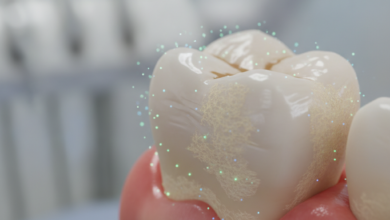
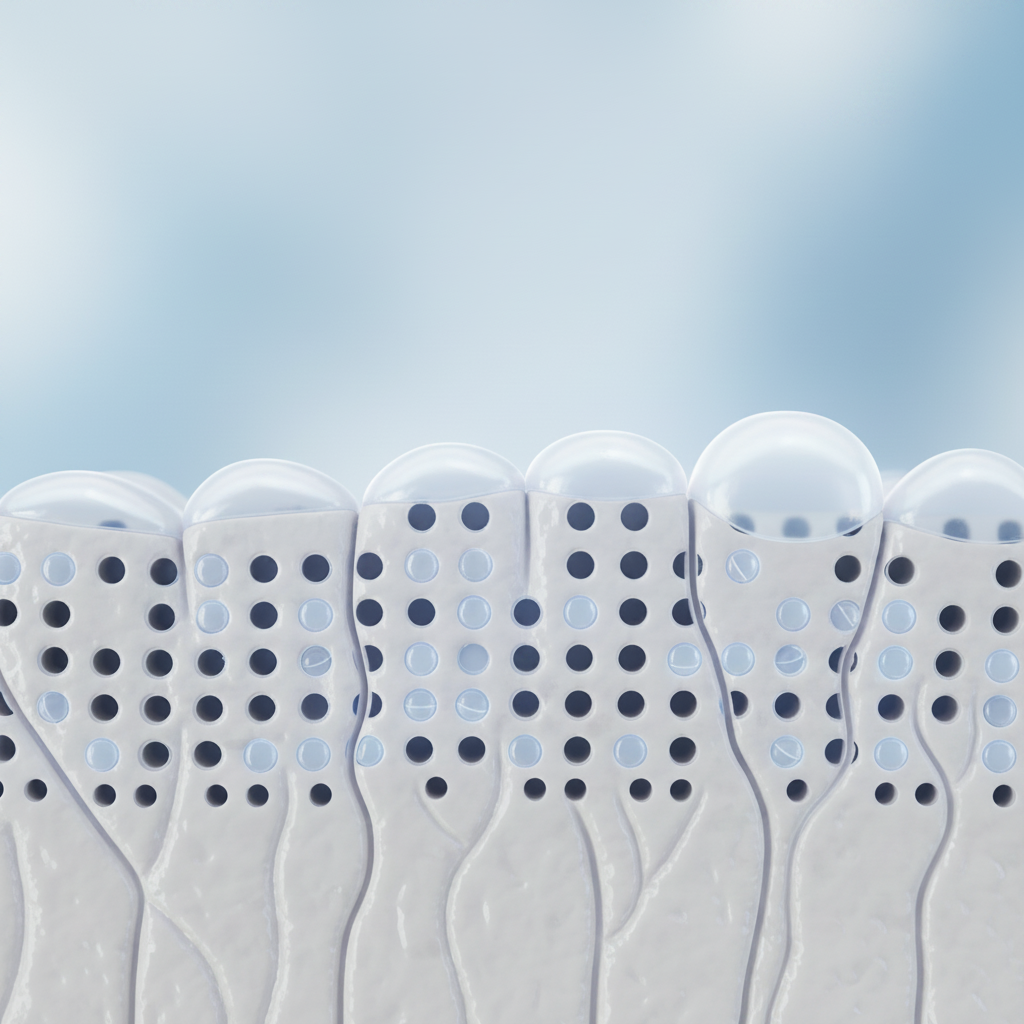
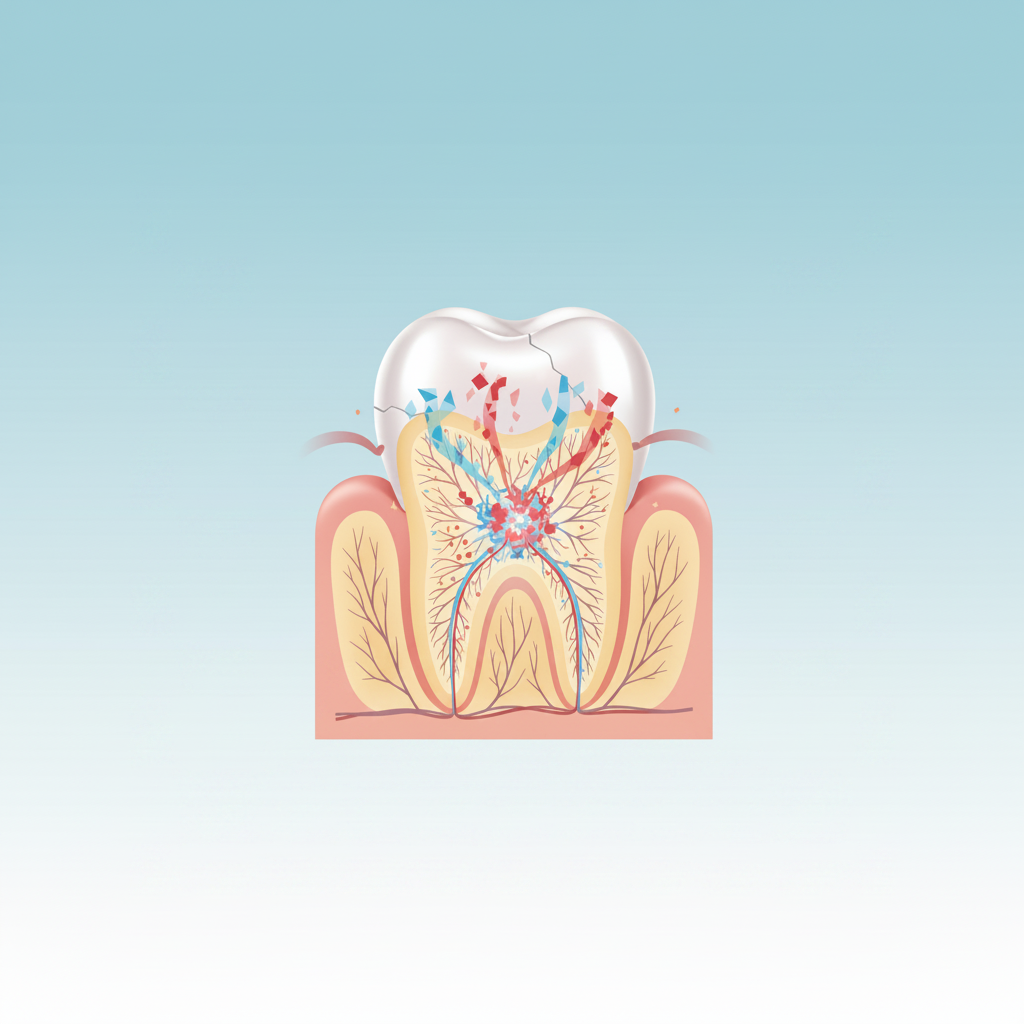
Tooth sensitivity, medically known as dentin hypersensitivity, occurs when the underlying layer of your tooth, called dentin, becomes exposed. Dentin is riddled with thousands of microscopic channels, or tubules, that lead directly to the tooth’s pulp, where the nerves are located. When the protective layers of enamel (on the crown) or cementum (on the root) wear away or recede, these tubules are exposed. External stimuli like hot, cold, sweet, sour, or even touch and air pressure can then travel through these open tubules, stimulating the nerves in the pulp and causing the characteristic sharp pain.
Several factors contribute to the exposure of dentin:
- Enamel Erosion: The outermost protective layer of the tooth can wear down due to aggressive brushing, acidic foods and drinks, bruxism (teeth grinding), or certain medical conditions like acid reflux.
- Gum Recession: Gums can recede due to periodontal disease, incorrect brushing techniques, or genetic predisposition, exposing the tooth roots which are covered by cementum, a thinner layer than enamel.
- Cracked or Chipped Teeth: Damage to the tooth structure can expose the dentin.
- Cavities: Untreated tooth decay can reach the dentin.
- Recent Dental Procedures: Sensitivity can be a temporary side effect after fillings, crowns, or teeth whitening treatments.
Understanding these underlying causes is crucial because while toothpaste can manage the symptoms, addressing the cause often requires professional dental intervention.
Key Active Ingredients in Sensitive Toothpastes
The efficacy of sensitive toothpaste hinges on its active ingredients, which work primarily in two ways: by desensitizing the nerve endings within the tooth pulp or by blocking the open dentinal tubules. Many toothpastes combine these approaches for enhanced relief. Here are the most common and effective ingredients you should seek:
Potassium Nitrate
Potassium nitrate is one of the most widely used active ingredients in sensitive toothpastes. It works by depolarizing the nerve endings inside the dentinal tubules, preventing them from transmitting pain signals to the brain. This creates a calming effect on the nerves, reducing the sensation of pain. It typically takes a few weeks of consistent use to notice significant relief.
Stannous Fluoride
While all fluorides help strengthen tooth enamel and fight cavities, stannous fluoride has the added benefit of physically blocking the dentinal tubules. It forms a protective barrier over the exposed dentin, preventing external stimuli from reaching the nerves. Stannous fluoride also has antimicrobial properties, which can help improve overall gum health.
Strontium Chloride or Strontium Acetate
These strontium compounds work by occluding (blocking) the dentinal tubules. Strontium ions are similar in size to calcium ions and can replace calcium within the dentin, forming a resistant plug that seals the tubules and reduces fluid flow, thereby decreasing sensitivity.
Arginine and Calcium Carbonate (Pro-Argin Technology)
This innovative technology, often found in sensitive toothpastes, utilizes the natural amino acid arginine in combination with calcium carbonate. Arginine binds to the dentin surface, attracting calcium from saliva to form a calcium-rich layer that effectively plugs and seals the dentinal tubules, providing rapid and long-lasting relief.
Calcium Sodium Phosphosilicate (NovaMin)
NovaMin is a bioactive glass technology that releases calcium and phosphate ions when it comes into contact with saliva. These ions then crystallize onto the dentin surface, forming a mineral layer that mimics the tooth’s natural structure. This layer physically occludes the dentinal tubules, offering effective and durable sensitivity relief.
The following table provides a concise overview of these key ingredients and their primary mechanisms of action:
| Active Ingredient | Primary Mechanism of Action | Onset of Relief | Additional Benefits |
|---|---|---|---|
| Potassium Nitrate | Desensitizes nerve endings in the pulp. | Gradual (weeks) | Generally well-tolerated. |
| Stannous Fluoride | Blocks dentinal tubules, strengthens enamel. | Moderate (days to weeks) | Cavity protection, antimicrobial. |
| Strontium Chloride/Acetate | Physically blocks dentinal tubules. | Moderate (days to weeks) | Effective for severe sensitivity. |
| Arginine + Calcium Carbonate | Plugs and seals tubules with calcium-rich layer. | Rapid (immediate to days) | Long-lasting relief. |
| Calcium Sodium Phosphosilicate (NovaMin) | Forms mineral layer to occlude tubules. | Rapid (days) | Mimics natural tooth structure. |
Choosing the Right Sensitive Toothpaste in Canada
When selecting a sensitive toothpaste, especially in Canada, there are specific factors to consider to ensure you choose a safe and effective product.
Health Canada Approval and Dental Association Endorsement
Always look for products that are approved by Health Canada, indicated by an eight-digit Natural Product Number (NPN) or Drug Identification Number (DIN). Additionally, the Canadian Dental Association (CDA) Seal of Recognition is a strong indicator that the product has been scientifically evaluated and is effective for its stated purpose. While a product without the seal may still be effective, the seal provides an extra layer of assurance regarding safety and claims.
Abrasiveness Levels
Some toothpastes, particularly those marketed for whitening, can be highly abrasive. For sensitive teeth, a low-abrasive formula is crucial to prevent further enamel erosion and gum recession. Look for toothpastes with a low Relative Dentin Abrasivity (RDA) value, though this information isn’t always prominently displayed on packaging. Generally, sensitive toothpastes are formulated to be less abrasive.
Avoiding Irritants
Certain ingredients can exacerbate sensitivity for some individuals. Sodium Lauryl Sulfate (SLS), a foaming agent, can irritate oral tissues and is best avoided by those with sensitivity or canker sores. Similarly, harsh whitening agents or strong flavours can sometimes trigger discomfort. Opt for formulas that are free from these potential irritants if you find they worsen your symptoms.
The Best Toothpaste for Sensitive Teeth in Canada
Identifying a single “best” toothpaste is challenging, as individual responses to different active ingredients can vary. However, based on scientific evidence and widespread effectiveness, the top contenders generally contain one or more of the key ingredients discussed above. Many reputable brands offer excellent sensitive toothpaste options in Canada, including Sensodyne (with potassium nitrate, stannous fluoride, or NovaMin), Colgate (with arginine technology or potassium nitrate), and Crest (often with stannous fluoride).
The true “best” toothpaste for you will be one that:
- Contains a proven active ingredient (potassium nitrate, stannous fluoride, strontium chloride, arginine, or NovaMin).
- Is used consistently, twice a day, for at least two to four weeks.
- Provides noticeable relief from sensitivity symptoms.
- Is well-tolerated and doesn’t cause irritation.
It is often recommended to try different formulations if one doesn’t provide adequate relief. For instance, if potassium nitrate alone isn’t sufficient, a toothpaste with stannous fluoride or arginine technology might be more effective for your specific type of sensitivity.
Beyond Toothpaste: Comprehensive Care for Sensitive Teeth
While selecting the right toothpaste is a critical step, managing tooth sensitivity effectively often requires a holistic approach that extends beyond your brushing routine. Incorporating additional oral hygiene practices and considering professional dental treatments can significantly enhance your comfort and long-term oral health.
Proper Brushing Technique
Aggressive brushing with a hard-bristled toothbrush is a common culprit for enamel erosion and gum recession, directly contributing to sensitivity. Switch to a soft-bristled brush and use gentle, circular motions. Avoid scrubbing horizontally, which can wear down enamel at the gum line. For additional tips on maintaining oral health, refer to our article on 10 Dentist-Recommended Oral Hygiene Tips.
Dietary Considerations
High-acid foods and drinks, such as citrus fruits, sodas, and sports drinks, can erode enamel over time. Limiting their consumption and rinsing your mouth with water after consuming them can help protect your teeth. Chewing sugar-free gum can also stimulate saliva production, which helps neutralize acids and remineralize enamel.
Regular Dental Check-ups
Routine visits to your dentist are crucial for identifying and addressing the underlying causes of sensitivity. Your dentist can diagnose issues like cavities, gum disease, or teeth grinding that contribute to sensitivity. They can also provide professional-grade treatments.
Professional Treatments for Sensitivity
For persistent or severe sensitivity that toothpaste alone cannot manage, your dentist may recommend several in-office treatments:
- Fluoride Varnish: A high concentration fluoride varnish can be applied to sensitive areas to strengthen enamel and dentin.
- Bonding or Fillings: If sensitivity is caused by exposed root surfaces or enamel defects, your dentist might apply a dental bonding agent or a filling to cover the area.
- Gum Grafts: In cases of significant gum recession exposing the tooth roots, a gum graft procedure can cover the exposed root surfaces, providing long-term protection.
- Dental Crowns: For severely worn or damaged teeth, a crown can protect the entire tooth surface, eliminating sensitivity.
- Root Canal Treatment: As a last resort for extreme, persistent sensitivity that doesn’t respond to other treatments, a root canal may be necessary if the pulp tissue is inflamed or infected.
When to See a Dentist
While over-the-counter sensitive toothpastes offer relief for many, it’s vital to consult a dentist if:
- Your sensitivity is severe or sudden.
- The pain persists despite consistent use of sensitive toothpaste for several weeks.
- Sensitivity is localized to one specific tooth, as this could indicate a cavity, crack, or infection.
- You experience other symptoms like swelling, redness, or fever.
Your dentist can accurately diagnose the cause of your sensitivity and recommend the most appropriate course of action, which may include stronger professional treatments or addressing underlying dental problems. For more information on various dental conditions and treatments, you can explore resources like Wikipedia’s entry on Dentinal Hypersensitivity.
Choosing the best toothpaste for sensitive teeth in Canada involves understanding the science behind sensitivity and knowing which active ingredients are most effective. By combining a targeted toothpaste with diligent oral hygiene practices and regular dental care, you can significantly reduce discomfort and enjoy a healthier, pain-free smile. Remember, consistency is key, and when in doubt, your dental professional is your best resource for personalized advice and treatment.