10 Dentist-Recommended Oral Hygiene Tips
10 Dentist-Recommended Oral Hygiene Tips
Maintaining impeccable oral hygiene is far more than just having a dazzling smile; it is a critical component of your overall health and well-being. As experts in dental care, we understand that true oral health extends beyond occasional brushing and flossing. It requires a consistent, informed approach backed by professional guidance. Many common dental issues, such as cavities, gum disease, and bad breath, are preventable with proper care, underscoring the importance of adhering to practices recommended by dental professionals. Our goal is to empower you with the knowledge and actionable strategies that dentists endorse to help you achieve and maintain optimal oral health throughout your life.
The Foundation of a Healthy Smile: Why Oral Hygiene Matters
Oral hygiene acts as the first line of defense against a myriad of dental problems. Every day, our mouths are exposed to bacteria, food particles, and acids that, if left unchecked, can lead to serious consequences. Plaque, a sticky film of bacteria, constantly forms on your teeth. If not removed regularly, it hardens into tartar, which can only be removed by a dentist. Tartar, along with lingering plaque, creates an environment ripe for tooth decay and gum inflammation, eventually progressing to more severe conditions like periodontitis, which can lead to tooth loss and even impact systemic health. A rigorous oral hygiene routine is therefore not just about aesthetics; it’s about safeguarding your teeth, gums, and overall physical condition. By taking a proactive stance, you can significantly reduce your risk of costly and uncomfortable dental treatments, ensuring your smile remains healthy and functional for years to come.
Dentist-Recommended Oral Hygiene Tips for Optimal Health
Adopting these dentist-recommended oral hygiene tips into your daily routine is the most effective way to protect your oral health. Each tip is designed to address a specific aspect of dental care, working together to provide comprehensive protection.
Daily Essentials: Brushing, Flossing, and Rinsing
The cornerstone of good oral hygiene begins with your daily routine of cleaning your teeth and mouth. These practices are non-negotiable for removing plaque and food debris effectively.
1. Brush Twice Daily, The Right Way
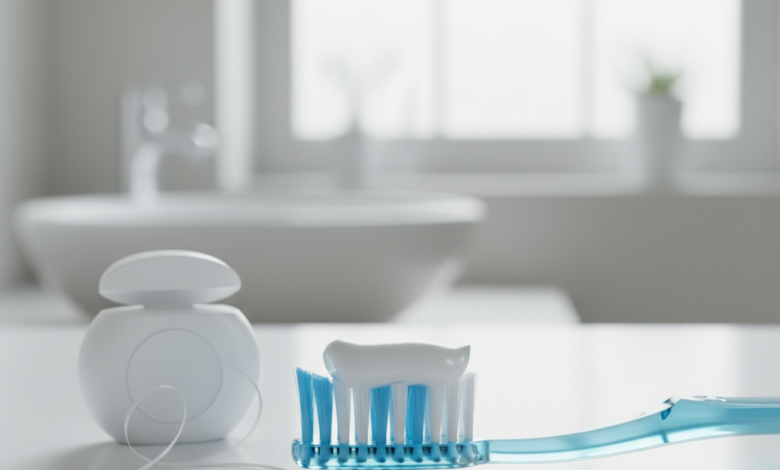
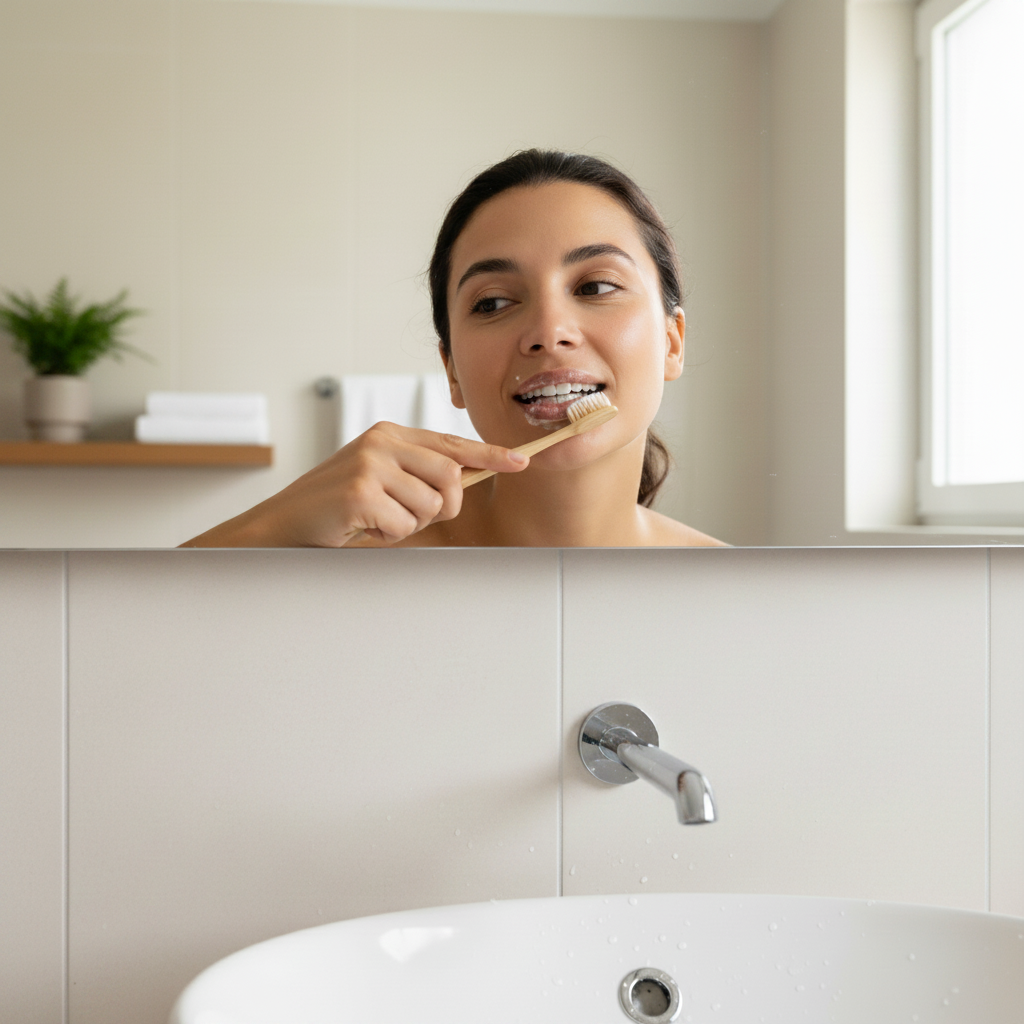
Brushing is perhaps the most fundamental aspect of oral hygiene, yet many people do not do it effectively. The recommendation is to brush at least twice a day, ideally in the morning and before bed, for a full two minutes each time. Use a soft-bristled toothbrush and a fluoride toothpaste. Hold your brush at a 45-degree angle to your gums and use gentle, short strokes, focusing on one or two teeth at a time. Ensure you brush all surfaces of your teeth – outer, inner, and chewing surfaces. Avoid aggressive scrubbing, as this can wear down tooth enamel and irritate your gums, leading to sensitivity and recession over time. Proper technique ensures thorough cleaning without causing damage.
2. Don’t Skip Flossing
Flossing is often overlooked, but it is just as crucial as brushing. Your toothbrush simply cannot reach the tight spaces between your teeth or under the gum line where food particles and plaque accumulate. Flossing once a day helps to remove these deposits, preventing plaque buildup that leads to cavities and gum disease in these hard-to-reach areas. Use about 18 inches of floss, winding most of it around your middle fingers, leaving an inch or two to work with. Gently guide the floss between your teeth, curving it into a C-shape against one tooth and sliding it gently below the gum line. Move it up and down against the tooth surface, then repeat for the adjacent tooth. Be gentle to avoid cutting your gums.
3. Use Mouthwash Wisely
Mouthwash can be a valuable addition to your oral hygiene regimen, but it should never replace brushing and flossing. Therapeutic mouthwashes, which contain active ingredients like fluoride or antibacterial agents, can help to reduce plaque, prevent gingivitis, and strengthen enamel. Cosmetic mouthwashes primarily offer breath freshening but do not have significant oral health benefits beyond that. Consult with your dentist to determine if a therapeutic mouthwash is suitable for your specific needs. Use it according to the product’s instructions, typically after brushing and flossing, to rinse away any lingering bacteria and provide an extra layer of protection.
Lifestyle Choices: Diet, Hydration, and Habits
Your daily choices, from what you eat and drink to certain habits, profoundly impact your oral health. Making conscious decisions in these areas can significantly bolster your hygiene efforts.
4. Mind Your Diet: Sugars and Acids
What you consume directly affects your teeth. Sugary foods and drinks feed the bacteria in your mouth, leading to acid production that erodes enamel and causes cavities. Acidic foods and beverages (like citrus fruits, sodas, and sports drinks) can directly attack enamel, making teeth more susceptible to decay. Minimize your intake of these items. When you do indulge, try to consume them during meals rather than constantly snacking, as saliva production increases during meals and helps neutralize acids. Rinsing your mouth with water after consuming sugary or acidic items can also help reduce their harmful effects.
5. Hydration is Key: Drink Plenty of Water
Water is essential for oral health. Drinking plenty of water, especially fluoridated water, helps to rinse away food particles and bacteria, keeping your mouth cleaner. It also stimulates saliva production, which is your body’s natural defense against tooth decay. Saliva neutralizes acids, washes away food, and contains minerals that help repair early signs of tooth decay. Dry mouth, often caused by certain medications or medical conditions, can significantly increase the risk of cavities and gum disease, making consistent hydration even more crucial.
6. Avoid Harmful Habits
Certain habits can severely compromise your oral health. Smoking and tobacco use are detrimental, leading to stained teeth, bad breath, gum disease (such as gum disease and its treatment), and an increased risk of oral cancer. Grinding or clenching your teeth (bruxism), often stress-related, can wear down enamel, chip teeth, and lead to jaw pain. If you suspect you grind your teeth, especially at night, your dentist might recommend a custom-fitted nightguard. Using your teeth as tools to open bottles or tear packages can also cause chips, cracks, or fractures. Break these habits to protect your teeth from unnecessary damage.
Maintaining Your Tools and Tongue
The effectiveness of your cleaning routine relies not only on technique but also on the condition of your tools and paying attention to often-forgotten areas.
7. Replace Your Toothbrush Regularly
A worn-out toothbrush is an ineffective one. Bristles fray and become less efficient at cleaning teeth and gums over time. Dentists recommend replacing your toothbrush every three to four months, or sooner if the bristles are visibly frayed or after you’ve been sick. A new brush ensures maximum cleaning power and hygiene. For those using electric toothbrushes, replace the brush head according to the manufacturer’s recommendations, usually every three months.
8. Don’t Forget Your Tongue
Your tongue can harbor a significant amount of bacteria, food debris, and dead cells, contributing to bad breath and potentially transferring bacteria back to your teeth and gums. Gently brush your tongue every time you brush your teeth, or consider using a dedicated tongue scraper. Starting from the back of your tongue, sweep forward to remove the coating. This simple step can dramatically improve your breath and contribute to overall oral cleanliness.
Professional Care and Preventive Measures
While daily home care is vital, professional dental intervention is equally important for a complete oral hygiene strategy.
9. Regular Dental Check-ups and Cleanings
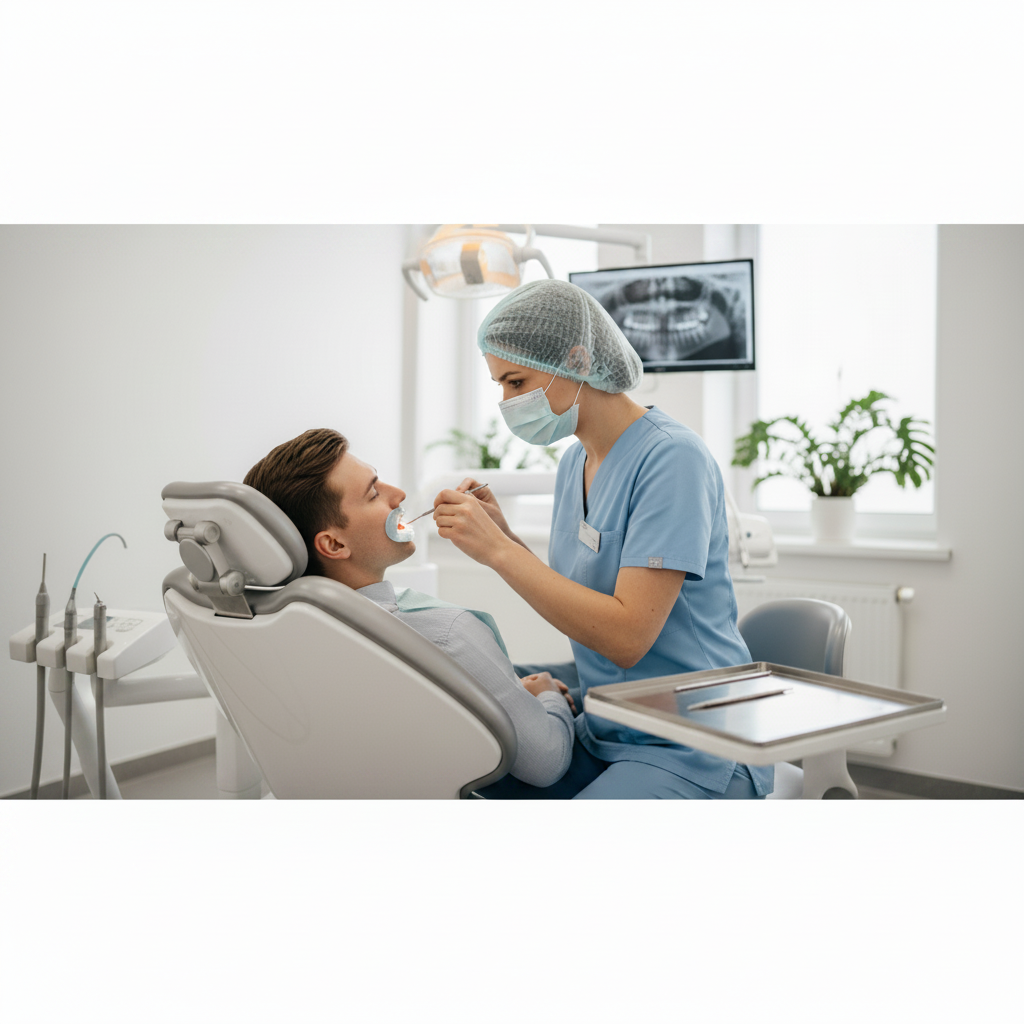
Even with the most diligent home care, plaque and tartar can accumulate in hard-to-reach areas. Regular dental check-ups and professional cleanings, typically every six months, are indispensable. During these appointments, your dentist or hygienist will remove stubborn plaque and tartar, polish your teeth, and check for any signs of cavities, gum disease, or other oral health issues. Early detection and intervention can prevent minor problems from escalating into major ones, saving you pain, time, and expense in the long run. These visits also offer an opportunity to discuss any concerns and receive personalized advice on your oral hygiene routine.
10. Consider Dental Sealants and Fluoride Treatments
For some individuals, especially children and those with deep grooves in their molars, dental sealants can provide an extra layer of protection against cavities. Sealants are thin, protective coatings applied to the chewing surfaces of back teeth, effectively sealing off the pits and fissures where food particles and bacteria often get trapped. Additionally, fluoride treatments, available at your dental office, can help strengthen tooth enamel, making it more resistant to acid attacks and reducing the risk of decay. Your dentist can assess whether these preventive measures are beneficial for your specific dental profile. According to the World Health Organization, fluoride is a cornerstone of modern preventive dentistry.
The Broader Impact of Excellent Oral Hygiene
Beyond preventing immediate dental issues, committing to excellent oral hygiene has far-reaching benefits. It contributes to fresh breath, a confident smile, and improved self-esteem. More significantly, it plays a vital role in your systemic health. Research increasingly links poor oral health to various serious conditions, including heart disease, stroke, diabetes complications, and respiratory infections. The bacteria from gum disease can enter the bloodstream and travel to other parts of the body, potentially contributing to inflammation and disease in distant organs. By prioritizing your oral hygiene, you are not just caring for your mouth; you are making a profound investment in your overall health and longevity. It is a simple, yet powerful, daily commitment that yields immense dividends for your quality of life. Consistent, dentist-recommended practices ensure you maintain a healthy mouth and body for years to come.