What Is Gum Disease and How Is It Treated?
What Is Gum Disease and How Is It Treated? Gum disease, clinically known as periodontal disease, is a common condition that affects the gums and the supporting structures of your teeth. It ranges from simple gum inflammation (gingivitis) to a serious disease that can result in significant damage to the soft tissue and bone that support the teeth. If left untreated, severe gum disease can lead to tooth loss and even impact overall systemic health. Understanding the nature of this disease, its symptoms, causes, and available treatments is crucial for maintaining optimal oral health and preventing more severe complications.
What Is Gum Disease?
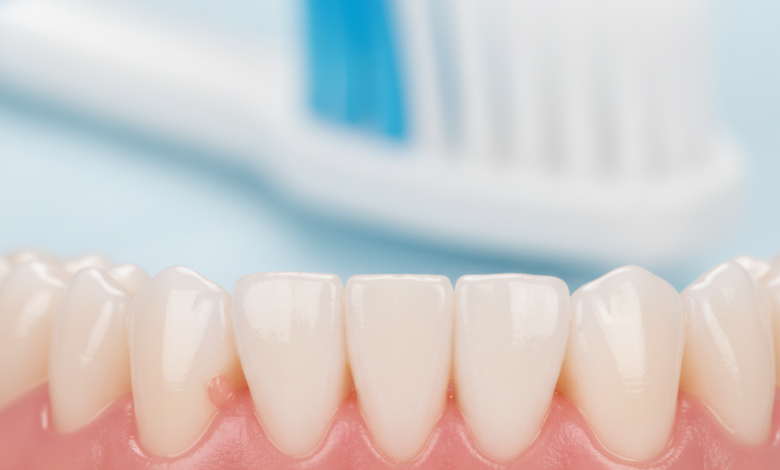
Gum disease begins when plaque, a sticky film of bacteria, constantly forms on the teeth. If plaque is not removed daily by brushing and flossing, it can harden into tartar (calculus), which regular brushing cannot remove. Both plaque and tartar contain bacteria that produce toxins, irritating the gums.
The progression of gum disease typically occurs in two main stages:
- Gingivitis: This is the mildest form of periodontal disease. It causes the gums to become red, swollen, and bleed easily, especially during brushing or flossing. At this stage, the disease is usually reversible with professional treatment and good daily oral care, as the bone and connective tissue that hold the teeth in place are not yet affected.
- Periodontitis: If gingivitis is left untreated, it can advance to periodontitis. In this more severe stage, the inflammation spreads beyond the gums to the underlying bone and supporting tissues. The gums may pull away from the teeth (recede), forming pockets that become infected. As the body’s immune system fights the bacteria, along with bacterial toxins, the bone and connective tissue holding the teeth in place begin to break down. Over time, these pockets deepen, and more gum tissue and bone are destroyed, leading to loose teeth that may eventually need to be removed.
Recognizing the Symptoms of Gum Disease
Identifying gum disease early is key to successful treatment. While early stages might have mild symptoms, they tend to worsen as the disease progresses. Common signs and symptoms include:
- Bleeding Gums: Gums that bleed during or after brushing, flossing, or even when eating hard foods.
- Red or Swollen Gums: Gums that appear bright red, dusky red, or purplish, and feel tender or swollen.
- Persistent Bad Breath (Halitosis): Caused by bacteria accumulating in the mouth.
- Receding Gums: Gums that pull away from the teeth, making teeth look longer than usual. This can also lead to tooth sensitivity.
- Pus Between Teeth and Gums: A sign of active infection.
- Loose or Shifting Teeth: As the bone supporting the teeth deteriorates, teeth can become unstable.
- Changes in Bite: A change in the way your teeth fit together when you bite or chew, or a change in the fit of partial dentures.
- Pain or Discomfort: While often painless in early stages, some individuals may experience discomfort, especially with more advanced periodontitis.
It’s important to note that gum disease can sometimes progress without noticeable pain, making regular dental check-ups essential for early detection.
Understanding the Causes and Risk Factors
While plaque accumulation is the primary cause, several factors can increase your risk of developing gum disease or make it worse:
- Poor Oral Hygiene: Inadequate brushing and flossing allow plaque to build up and harden into tartar.
- Smoking and Tobacco Use: Smoking is one of the most significant risk factors, weakening the immune system’s ability to fight gum infections and hindering healing.
- Hormonal Changes: Fluctuations during pregnancy, puberty, menopause, and menstruation can make gums more sensitive and susceptible to gingivitis.
- Diabetes: People with diabetes are at a higher risk for developing infections, including gum disease. Poorly controlled blood sugar makes it harder for the body to fight off bacteria.
- Certain Medications: Some drugs, such as those for heart conditions, antidepressants, and anticonvulsants, can reduce saliva flow, which has a protective effect on teeth and gums.
- Genetic Predisposition: Some people are genetically more susceptible to gum disease, regardless of their oral hygiene habits.
- Poor Nutrition: A diet lacking essential nutrients can compromise the body’s immune system and make it harder for tissues to fight infection.
- Compromised Immunity: Conditions like HIV/AIDS or treatments like chemotherapy can weaken the immune system, making gums more vulnerable.
Diagnosis and Professional Assessment
A dental professional can accurately diagnose gum disease through a comprehensive oral examination. This typically involves:
- Reviewing Your Medical History: To identify any underlying conditions or medications that might contribute to gum disease.
- Examining Your Gums and Teeth: Checking for signs like swelling, redness, bleeding, and gum recession.
- Measuring Pocket Depth: Using a small ruler called a periodontal probe to measure the depth of the sulcus (the space between the gum and the tooth). Healthy gums have shallow pockets (1-3 millimeters). Deeper pockets (4 millimeters or more) indicate gum disease.
- Taking Dental X-rays: To assess bone loss around the teeth.
Early diagnosis allows for less invasive and more effective treatment.
Effective Treatment Strategies for Gum Disease
The goal of gum disease treatment is to thoroughly clean the pockets around teeth and prevent further damage. The best approach depends on the severity of the disease.
Non-Surgical Treatments
For gingivitis and early to moderate periodontitis, non-surgical methods are often sufficient:
- Professional Dental Cleaning: A routine cleaning removes plaque and tartar from above and below the gum line. This is essential for preventing and managing gingivitis.
- Scaling and Root Planing: This is a deep-cleaning procedure performed under local anesthesia. Scaling removes tartar and bacteria from the tooth surfaces and beneath the gums. Root planing smooths the root surfaces to remove bacterial toxins and prevent future plaque and tartar accumulation, allowing the gums to reattach to the teeth.
- Antibiotics: Topical antibiotics (like antibiotic mouth rinses or gels placed in periodontal pockets) or oral antibiotics may be used to control bacterial infection.
Surgical Treatments (for Advanced Cases)
When gum disease has progressed significantly, non-surgical treatment may not be enough. Periodontal surgery aims to restore damaged tissues and prevent further progression:
- Flap Surgery (Pocket Reduction Surgery): During this procedure, the periodontist makes small incisions in the gum tissue to lift back a section of gum, allowing for better access to remove tartar and bacteria. The irregular surfaces of the damaged bone are then smoothed to limit areas where disease-causing bacteria can hide. The gum tissue is then repositioned snugly around the tooth.
- Soft Tissue Grafts: This procedure reinforces thin gums or fills in areas where gums have receded. Tissue is usually taken from the roof of the mouth or another donor source and attached to the affected area.
- Bone Grafting: If periodontitis has destroyed the bone surrounding a tooth root, a bone graft can be performed using fragments of your own bone, synthetic bone, or donated bone. The graft helps prevent tooth loss by holding the tooth in place and serves as a platform for the regrowth of natural bone.
- Guided Tissue Regeneration: This procedure is performed when the bone supporting your teeth has been destroyed. A small piece of mesh-like fabric is inserted between the bone and gum tissue. This prevents gum tissue from growing into the area where bone should be, allowing the bone and connective tissue to regrow more effectively.
Following any treatment, maintaining excellent oral hygiene and attending regular follow-up appointments are crucial to prevent the disease from recurring. For more information on common dental procedures, you can visit our dental procedures section.
Prevention: The Best Defense Against Gum Disease
Preventing gum disease is largely within your control and involves a consistent routine:
- Brush Your Teeth Regularly: Brush at least twice a day for two minutes each time, using a fluoride toothpaste. Use a soft-bristled toothbrush and replace it every three to four months, or sooner if the bristles are frayed.
- Floss Daily: Flossing removes food particles and plaque from between your teeth and under the gum line, areas your toothbrush can’t reach.
- Use Mouthwash: Therapeutic mouthwashes can help reduce plaque and gingivitis, but they are not a substitute for brushing and flossing.
- Regular Dental Check-ups and Cleanings: Visit your dentist at least once a year, or more frequently if you have risk factors for gum disease, for professional cleaning and examination.
- Eat a Healthy Diet: A balanced diet supports overall health, including your oral health. Limit sugary foods and drinks that contribute to plaque formation.
- Avoid Tobacco Products: Smoking or chewing tobacco significantly increases your risk of gum disease and impairs healing.
The Long-Term Impact of Untreated Gum Disease
Untreated gum disease doesn’t just affect your mouth; it can have significant implications for your overall health. Tooth loss is a direct consequence of severe periodontitis, impacting chewing ability, speech, and self-confidence. Beyond oral health, research has established links between gum disease and other systemic conditions. Chronic inflammation associated with periodontitis may increase the risk of heart disease, stroke, and poorly controlled diabetes. For pregnant individuals, severe gum disease has been linked to premature birth and low birth weight babies. The persistent inflammation places a continuous strain on the body’s immune system, potentially exacerbating other health issues.
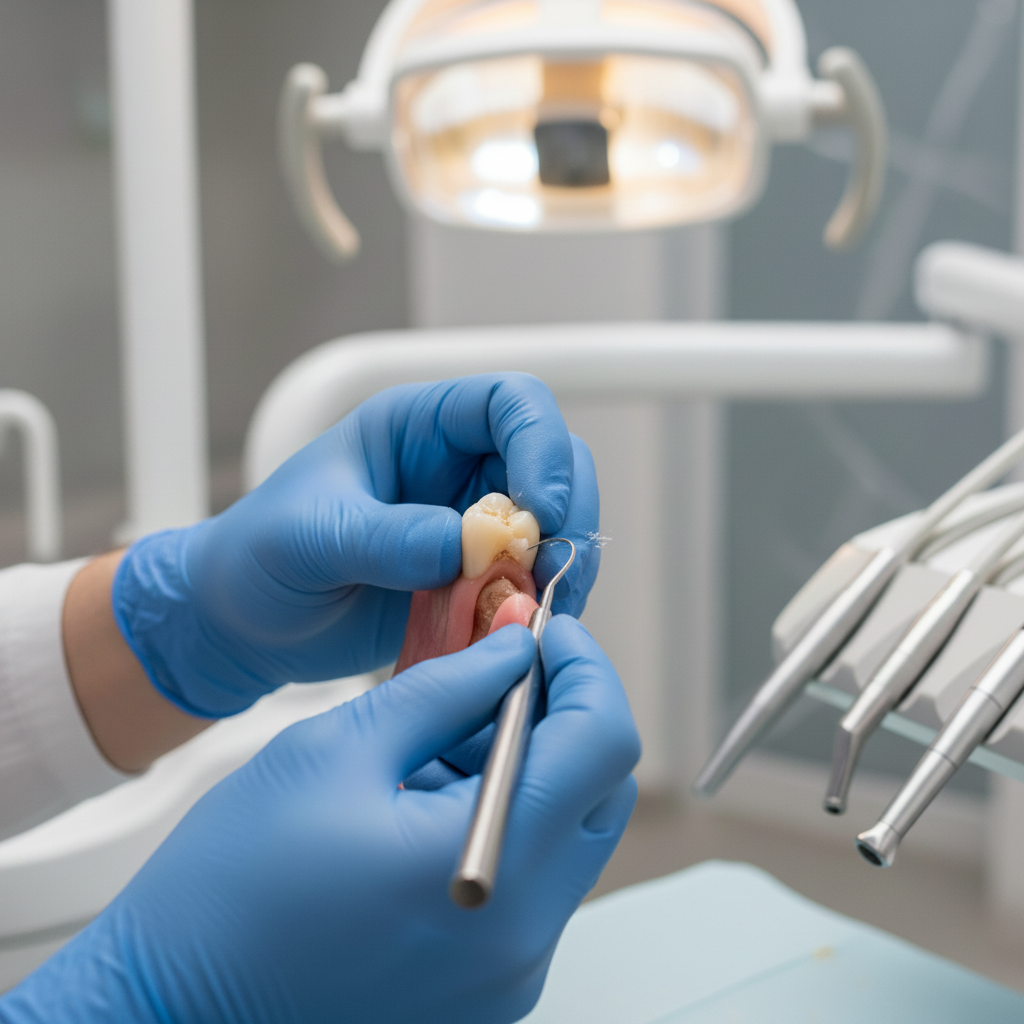
Maintaining healthy gums is a vital component of a healthy body. If you notice any symptoms of gum disease, consulting with a dental professional promptly is essential. Early intervention can prevent the progression of the disease, protect your teeth, and contribute positively to your general well-being. For a deeper understanding of periodontal disease, you may refer to authoritative sources such as Wikipedia’s entry on Periodontal disease.