The Complete Guide to Root Canal Treatment
Root canal treatment, often misunderstood and feared, is a highly effective and common dental procedure designed to save a natural tooth that has become severely infected or damaged. Far from being a painful ordeal, modern advancements in dentistry have transformed root canal therapy into a comfortable and routine procedure, crucial for preserving oral health and preventing more extensive dental problems. This comprehensive guide aims to demystify root canal treatment, offering a detailed look into its necessity, process, benefits, and what to expect during recovery, positioning it as a vital intervention for maintaining a healthy, functional smile.
The Complete Guide to Root Canal Treatment
What is Root Canal Treatment?
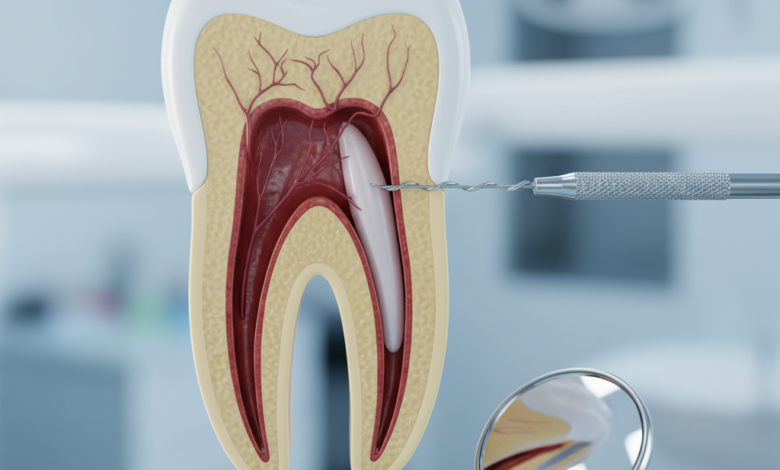
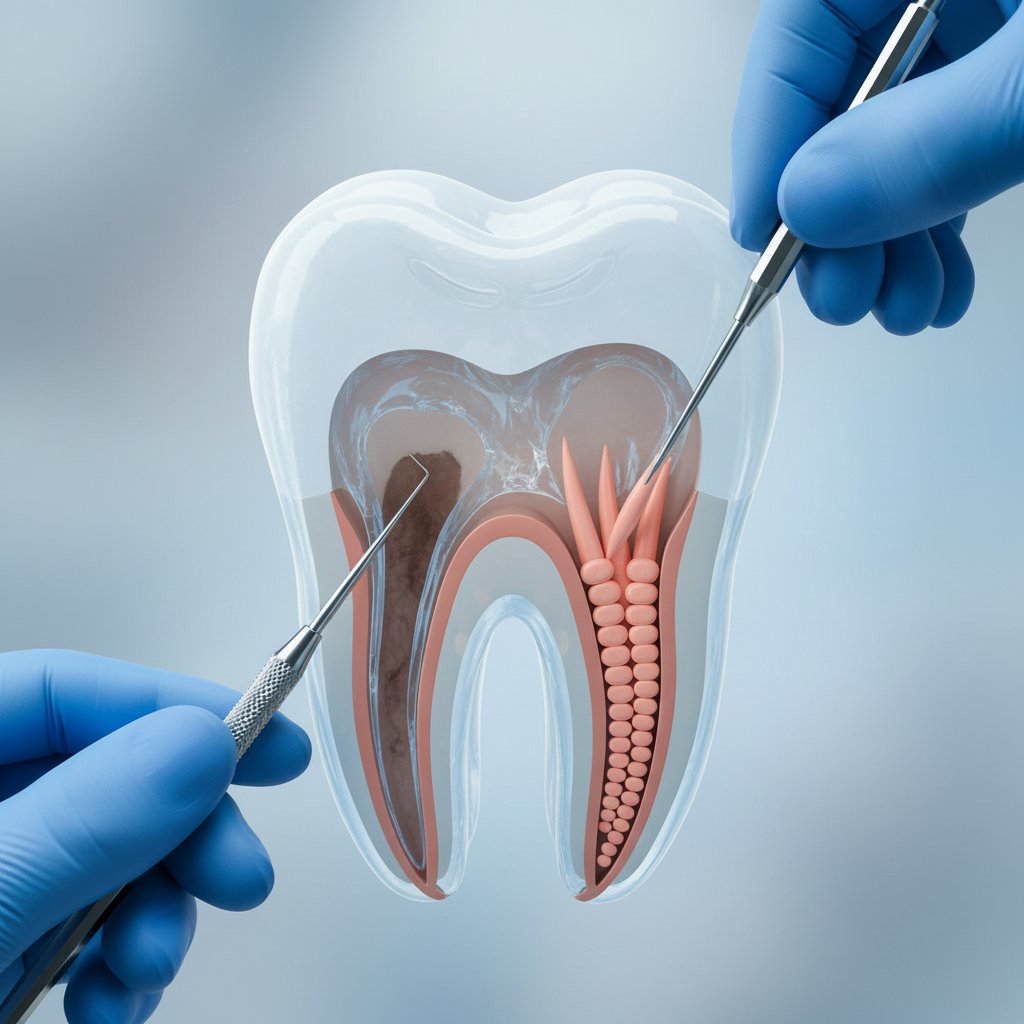
At its core, Root Canal Treatment, also known as endodontic therapy, is a dental procedure that addresses issues within the innermost part of the tooth, known as the pulp. The pulp contains nerves, blood vessels, and connective tissue, extending from the crown of the tooth down to the root tips. When this pulp becomes inflamed or infected, usually due to deep decay, repeated dental procedures, cracks in the tooth, or trauma, it can cause severe pain and lead to an abscess if left untreated. The goal of root canal therapy is to remove the infected or inflamed pulp, clean and disinfect the inside of the tooth, and then fill and seal it to prevent further infection. This procedure allows the natural tooth to be saved and continue its function.
Anatomy of a Tooth
Understanding the basic anatomy of a tooth helps clarify why a root canal becomes necessary. Each tooth consists of:
- Enamel: The hard, outer protective layer.
- Dentin: The layer beneath the enamel, which is softer and contains microscopic tubules that transmit sensations.
- Pulp: The soft tissue located inside the tooth, containing nerves, blood vessels, and connective tissue. It extends from the crown down into the roots, forming the root canals.
- Cementum: A hard tissue covering the root surface.
- Periodontal Ligament: Ligaments that hold the tooth in the jawbone.
The pulp is vital during tooth development, but once a tooth is fully mature, it can survive without the pulp. The surrounding tissues nourish the tooth. Therefore, removing an infected pulp does not compromise the tooth’s structural integrity or function, but rather alleviates pain and prevents the spread of infection.
Why is a Root Canal Needed?
The primary reasons for needing a root canal revolve around severe damage or infection to the tooth’s pulp. These conditions can arise from various factors:
- Deep Decay: When a cavity progresses significantly, bacteria can penetrate the enamel and dentin, reaching the pulp and causing inflammation or infection.
- Repeated Dental Procedures: Multiple fillings or other procedures on the same tooth can sometimes stress the pulp, leading to inflammation over time.
- Cracked or Chipped Tooth: A crack or chip in the tooth, especially if it extends into the pulp chamber, can expose the pulp to bacteria, leading to infection.
- Trauma to the Tooth: An injury to the tooth, even if there’s no visible chip or crack, can damage the pulp, leading to inflammation or necrosis.
- Gum Disease: In advanced stages, gum disease can affect the bone supporting the teeth, potentially leading to pulp infection if bacteria penetrate the root.
Ignoring these signs can lead to worsening pain, swelling, and potentially the spread of infection to other parts of the body, making timely intervention critical.
Symptoms Indicating a Need for Root Canal
Identifying the symptoms that signal a need for root canal treatment is crucial for early intervention and successful outcomes. While not all tooth pain indicates a root canal, certain signs are highly suggestive:
Persistent Tooth Pain
This is often the most common and tell-tale symptom. The pain can range from mild to severe and may be constant or intermittent. It might worsen when chewing or applying pressure to the tooth, indicating inflammation or infection deep within.
Sensitivity to Hot and Cold
Lingering sensitivity to hot or cold temperatures, even after the stimulus has been removed, is another strong indicator. Unlike typical sensitivity that quickly fades, pulp inflammation causes the pain to persist for several minutes or longer.
Swelling or Tenderness in Gums
Infection can spread from the tooth to the surrounding gum tissue. This may manifest as swelling, tenderness, or redness in the gums near the affected tooth.
Pimple on the Gums
Sometimes, a small, pimple-like bump (known as a fistula or sinus tract) may appear on the gums near the infected tooth. This indicates that pus from the infection is draining, which might temporarily relieve pain but doesn’t resolve the underlying issue.
Tooth Discoloration
An infected tooth can sometimes appear darker or grayish, signaling internal damage to the pulp or nerves. This discoloration occurs as the internal tissues break down.
The Root Canal Procedure: Step-by-Step
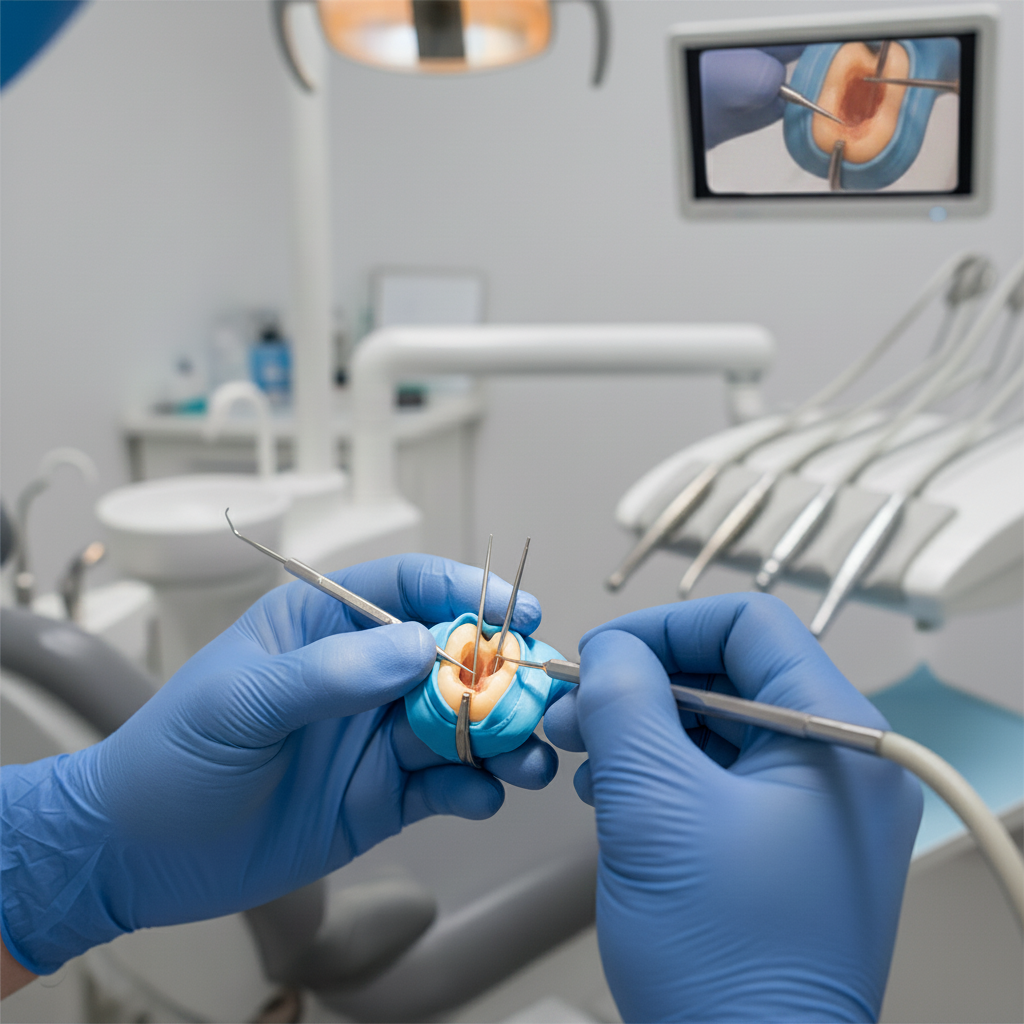
Modern root canal treatment is a sophisticated and efficient procedure, typically completed in one or two appointments, depending on the severity of the infection and the complexity of the tooth. Here’s a detailed breakdown of the process:
| Step | Description |
|---|---|
| Diagnosis and Anesthesia | The dentist takes X-rays to assess the extent of the infection and the shape of the root canals. Local anesthesia is administered to numb the affected tooth and surrounding area, ensuring a pain-free experience. A rubber dam is placed around the tooth to keep it dry and free from saliva during the procedure. |
| Pulp Removal | A small access hole is drilled into the crown of the tooth, allowing the dentist to reach the pulp chamber and root canals. Specialized instruments are used to carefully remove the infected or inflamed pulp tissue. |
| Cleaning and Shaping | After the pulp is removed, the root canals are meticulously cleaned, disinfected, and shaped using tiny, flexible files. This process removes any remaining bacteria and creates a smooth, tapered space for the filling material. Irrigation solutions are used to wash away debris and further disinfect the canals. |
| Filling the Canal (Obturation) | Once the canals are thoroughly cleaned and dried, they are filled with a biocompatible, rubber-like material called gutta-percha. This material is typically sealed in place with an adhesive cement, ensuring the canals are completely sealed to prevent re-infection. |
| Restoration (Crown Placement) | After the root canal is completed, the access hole in the crown of the tooth is sealed with a temporary or permanent filling. In most cases, a dental crown is recommended or necessary to protect the treated tooth from future fractures and restore its full function and appearance. This usually happens in a subsequent appointment after the tooth has settled. |
Benefits of Root Canal Treatment
The decision to undergo root canal therapy comes with a multitude of significant benefits that extend beyond simply alleviating pain:
Saving Your Natural Tooth
The most profound benefit is preserving your natural tooth. Extracting a tooth can lead to a cascade of problems, including shifting adjacent teeth, bone loss in the jaw, and changes in facial structure. A root canal allows you to keep your natural tooth, which maintains proper bite, chewing efficiency, and aesthetic appearance.
Eliminating Pain and Infection
Root canal treatment directly addresses the source of pain and infection. By removing the inflamed or necrotic pulp, the procedure immediately relieves the severe toothache and eliminates the harmful bacteria, preventing them from spreading.
Preventing Spread of Infection
Untreated dental infections can spread beyond the tooth, potentially causing serious health issues, including abscesses, bone loss in the jaw, and even systemic infections that can affect other parts of the body. A root canal treatment effectively contains and eradicates the infection.
Maintaining Oral Health and Aesthetics
A successfully treated tooth with a crown looks and functions like any other tooth, maintaining the natural appearance of your smile. It also prevents the need for more complex and costly restorative procedures like dental implants or bridges later on, which would be necessary if the tooth were extracted.
Root Canal Recovery and Aftercare
After a root canal procedure, proper recovery and aftercare are essential for the long-term success of the treatment.
Immediate Post-Procedure Care
It’s normal to experience some mild discomfort or tenderness for a few days after the procedure, especially once the local anesthesia wears off. This can usually be managed with over-the-counter pain relievers such as ibuprofen or acetaminophen. Avoid chewing on the treated tooth until the permanent restoration (usually a crown) is placed to prevent fracture.
Pain Management
Your dentist may prescribe stronger pain medication if needed, though this is rare. Applying a cold compress to the outside of your cheek can also help reduce any swelling or discomfort.
Oral Hygiene
Continue your regular oral hygiene routine, including brushing and flossing, but be gentle around the treated tooth. Good oral hygiene is crucial to prevent new decay or gum disease.
Follow-Up Appointments
It’s vital to attend any follow-up appointments scheduled by your dentist. This is typically when the permanent crown or filling will be placed. The permanent restoration is critical for protecting the tooth and ensuring its long-term viability. Understanding the cost implications of root canal treatment, including the final restoration, can help patients plan their dental care effectively.
Common Myths vs. Facts About Root Canals
Root canal treatment has long been shrouded in myths, often leading to unnecessary anxiety. Let’s dispel some common misconceptions:
- Myth: Root canals are extremely painful.
Fact: With modern anesthesia and techniques, root canal treatment is no more painful than getting a routine filling. The procedure actually relieves the pain caused by the infection. - Myth: Root canal treatment causes illness.
Fact: This myth stems from poorly designed research from the early 20th century. Extensive scientific studies have debunked any link between root canals and systemic diseases. The procedure is safe and effective. - Myth: Extracting the tooth is a better option.
Fact: Saving your natural tooth is almost always the best option. Tooth extraction can lead to more complex and costly problems, such as shifting teeth, jawbone deterioration, and the need for prosthetic replacements like bridges or implants. - Myth: A tooth that has had a root canal doesn’t need a crown.
Fact: While not every tooth requires a crown, most posterior (back) teeth and front teeth with significant decay or large fillings will benefit from a crown. A crown provides strength and protection to the treated tooth, preventing fractures and ensuring its longevity.
When to Consider a Root Canal?
If you experience persistent tooth pain, prolonged sensitivity to hot or cold, tenderness in your gums, or notice any discoloration of a tooth, it’s crucial to consult a dentist promptly. These symptoms indicate potential pulp damage or infection that requires immediate attention. Delaying treatment can lead to the spread of infection, increased pain, and potentially the loss of the tooth. A dentist will perform a thorough examination, including X-rays, to accurately diagnose the problem and recommend the most appropriate course of action, which often involves a root canal to save the tooth.
Alternatives to Root Canal Treatment
While a root canal is often the recommended treatment to save a severely infected or damaged tooth, there are limited alternatives:
- Tooth Extraction: This is the most common alternative. The infected tooth is removed entirely. However, extraction creates a gap that can lead to adjacent teeth shifting, bite problems, and jawbone loss over time. The missing tooth then needs to be replaced with a bridge, denture, or dental implant, which are often more costly and invasive than a root canal.
- No Treatment: This is generally not advisable. Leaving an infected tooth untreated will lead to persistent pain, worsening infection, spread of bacteria to other parts of the body, and eventual tooth loss. The infection can also cause systemic health issues.
Given these alternatives, a root canal is almost always the preferred choice when possible, as it preserves the natural tooth structure and maintains long-term oral health with fewer complications.
Longevity of a Root Canal Treated Tooth
With proper care and a good restoration (like a crown), a tooth that has undergone root canal treatment can last a lifetime. The success rate of root canal therapy is very high, often exceeding 95%. Factors influencing longevity include:
- The quality of the initial root canal procedure.
- The effectiveness of the final restoration (e.g., a well-fitting crown).
- The patient’s oral hygiene practices.
- Regular dental check-ups and cleanings.
- Avoiding habits like chewing on ice or hard candies that can damage any tooth.
By adhering to post-treatment care instructions and maintaining excellent oral hygiene, patients can enjoy their root canal-treated tooth for many years to come.
Root canal treatment is a testament to modern dentistry’s ability to save natural teeth and eliminate pain. Understanding this procedure helps alleviate fears and empowers individuals to make informed decisions about their dental health. If you suspect you might need a root canal, consulting with a dental professional without delay is the best step towards preserving your smile and overall well-being.