What to Expect During Veneer Treatment
What to Expect During Veneer Treatment
Achieving a flawless, radiant smile is a common aspiration for many, and cosmetic dentistry offers various solutions to transform dental aesthetics. Among the most popular and effective treatments are dental veneers, thin, custom-made shells designed to cover the front surface of teeth. They can correct a myriad of cosmetic issues, from discoloration and chips to minor misalignment and gaps, providing a dramatic enhancement to one’s smile. Understanding the process involved in veneer treatment is crucial for anyone considering this transformative procedure. This detailed guide will walk you through every stage, ensuring you are well-informed about what to expect on your journey to a more confident smile.
What are Dental Veneers?
Dental veneers are custom-fabricated shells, typically made from porcelain or composite resin, that are bonded to the front surface of teeth. Their primary purpose is to improve the appearance of teeth that are discolored, worn down, chipped, broken, misaligned, uneven, or have gaps between them. Porcelain veneers are renowned for their strength, durability, and ability to mimic the light-reflecting properties of natural tooth enamel, offering a highly aesthetic and long-lasting solution. Composite resin veneers, while often a more cost-effective option, can be placed in a single visit and are repairable, though they may not offer the same level of stain resistance or longevity as porcelain. The choice of material often depends on individual needs, budget, and the specific aesthetic goals discussed during the initial consultation.
Who is a Candidate for Veneer Treatment?
Ideal candidates for veneers generally have healthy teeth and gums but are unhappy with the aesthetic aspects of their smile. Veneers are an excellent option for addressing:
- Severe Discoloration: Teeth that are deeply stained and do not respond to professional whitening treatments.
- Chipped or Broken Teeth: Minor chips or fractures that affect the tooth’s appearance.
- Gaps Between Teeth:: Small to moderate spaces that can be visually closed with veneers.
- Minor Misalignment: Teeth that are slightly crooked or uneven and do not require extensive orthodontic treatment.
- Worn Down Teeth: Teeth that have lost some of their length due to grinding or erosion.
- Irregularly Shaped Teeth: Teeth with an unusual shape or size.
It is essential that candidates have sufficient tooth enamel for bonding the veneer, as well as good oral hygiene practices and realistic expectations about the outcome. Conditions such as severe gum disease, extensive tooth decay, or significant teeth grinding (bruxism) may need to be addressed before veneers can be considered.
The Veneer Treatment Process: Step-by-Step
The journey to your new smile with veneer treatment typically involves several appointments, ensuring precision and a tailored result.
Initial Consultation and Smile Design
The first step is a comprehensive consultation with your dentist. During this appointment, your dentist will examine your oral health, discuss your aesthetic concerns, and determine if veneers are the most suitable treatment option for you. This stage involves taking X-rays, photographs, and sometimes digital scans of your teeth to create a detailed treatment plan. Advanced smile design software may be used to show you a preview of your potential new smile, allowing you to visualize the outcome and provide input on the shape, size, and color of your desired veneers. This collaborative approach ensures the final result aligns perfectly with your expectations.
Tooth Preparation
Once the treatment plan is finalized, the next appointment involves preparing your teeth. For traditional porcelain veneers, a small amount of enamel, typically about 0.5 to 1 millimeter, is gently removed from the front surface of the teeth. This is a crucial step that creates space for the veneer, preventing the treated tooth from looking bulky and ensuring a natural fit and appearance. Local anesthesia may be used to ensure your comfort during this process. For “no-prep” veneers, this step is minimal or entirely omitted.
Impressions
After tooth preparation, highly accurate impressions (molds) of your prepared teeth are taken. These impressions are then sent to a dental laboratory, where skilled technicians will custom-fabricate your veneers. The laboratory uses the impressions and the detailed instructions from your dentist, including the chosen shade and shape, to create veneers that perfectly match your desired aesthetic and blend seamlessly with your natural teeth.
Temporary Veneers (Optional)
In some cases, especially when significant enamel removal has occurred or if you have a specific aesthetic preference, temporary veneers may be placed on your teeth. These temporaries protect the prepared teeth while your permanent veneers are being made and also allow you to get a preview of your new smile and provide further feedback on the shape or shade. This trial period can be incredibly valuable for ensuring satisfaction with the final result.
Veneer Fabrication
The fabrication process in the dental lab typically takes one to two weeks. During this time, highly skilled ceramists meticulously craft each veneer to the exact specifications provided by your dentist, focusing on achieving the perfect fit, shade, and translucency to ensure a natural-looking and durable restoration.
Bonding/Placement
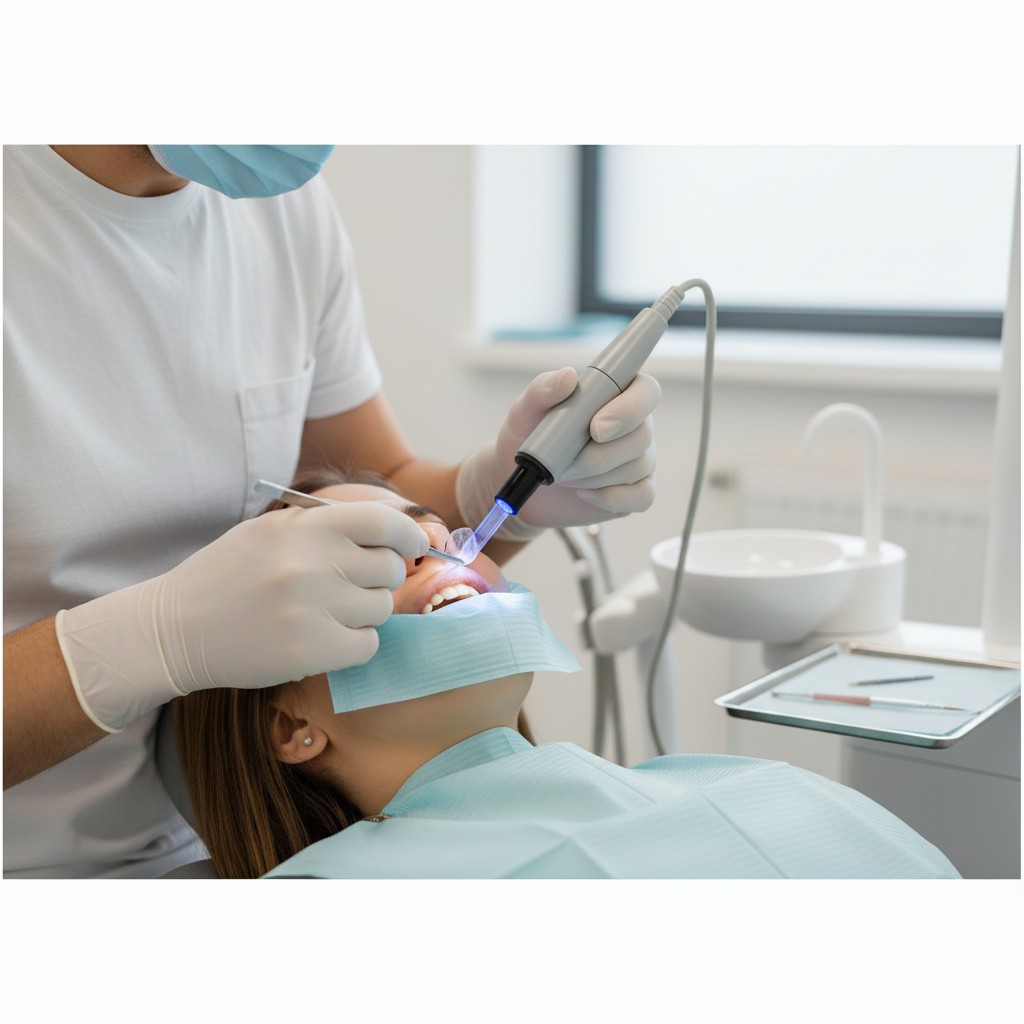
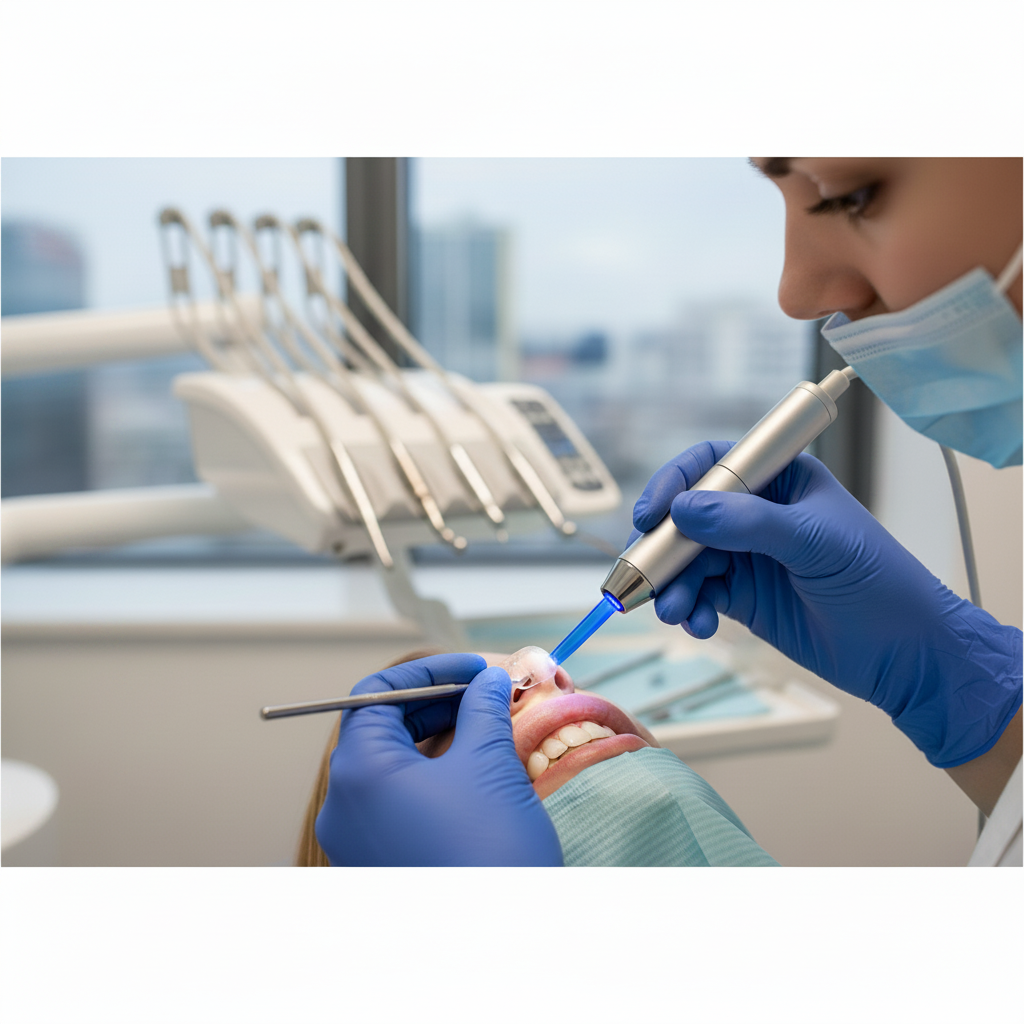
Once your custom veneers arrive from the laboratory, you will return for your final appointment. The dentist will first place the veneers on your teeth temporarily, without adhesive, to check their fit, color, and shape. Any minor adjustments can be made at this stage. Once both you and the dentist are satisfied with the appearance, the teeth are thoroughly cleaned and polished. A special dental cement is then applied to the veneer, and the veneer is carefully placed onto the tooth. A special light beam is used to cure the cement, rapidly hardening it and creating a strong, durable bond between the veneer and your natural tooth.
Follow-Up
A follow-up appointment is typically scheduled a few weeks after the bonding procedure to check your bite and ensure your gums are healthy and responding well to the new veneers. Any final minor adjustments can be made if necessary.
| Step in Veneer Treatment | Description |
|---|---|
| Initial Consultation | Comprehensive oral examination, discussion of goals, digital smile design, X-rays, and impressions. |
| Tooth Preparation | Minimal removal of tooth enamel to accommodate the veneer (traditional veneers). |
| Impressions | Accurate molds of prepared teeth taken and sent to the dental laboratory. |
| Temporary Veneers (Optional) | Placement of temporary shells to protect teeth and preview the new smile. |
| Veneer Fabrication | Custom crafting of porcelain or composite veneers in a dental laboratory. |
| Bonding/Placement | Veneers are securely bonded to the tooth surface using specialized dental cement. |
| Follow-Up | Check-up to ensure proper bite, gum health, and overall satisfaction. |
Types of Veneers
Beyond the standard porcelain and composite options, variations cater to different needs:
- Porcelain Veneers: These are the most common and durable type, offering superior aesthetics and stain resistance. They are custom-fabricated in a lab.
- Composite Resin Veneers: Applied directly to the tooth surface and sculpted by the dentist. They are less expensive and can often be placed in a single visit but may not last as long or be as stain-resistant as porcelain.
- No-Prep Veneers (e.g., Lumineers): These are ultra-thin veneers that require little to no tooth reduction, making the procedure reversible in some cases. They are ideal for addressing minor cosmetic issues.
Benefits of Veneer Treatment
The decision to get veneers brings a host of advantages beyond just an improved aesthetic:
- Dramatic Aesthetic Improvement: Veneers effectively conceal imperfections like discoloration, chips, gaps, and minor misalignments, creating a uniform and symmetrical smile.
- Durability and Longevity: Porcelain veneers, in particular, are highly durable and can last 10 to 15 years or more with proper care.
- Stain Resistance: Porcelain is a non-porous material, making it highly resistant to stains from coffee, tea, and tobacco, ensuring your smile remains bright.
- Minimally Invasive: Compared to dental crowns, veneers require less tooth enamel removal for traditional applications, preserving more of your natural tooth structure.
- Enhanced Confidence: A beautiful smile can significantly boost self-esteem and positively impact social and professional interactions.
Caring for Your Veneers
Maintaining your veneers is relatively simple and mirrors good oral hygiene practices for natural teeth. Regular brushing with a non-abrasive toothpaste, daily flossing, and routine dental check-ups are essential. While porcelain veneers are stain-resistant, it’s wise to limit consumption of highly pigmented foods and beverages to maintain their pristine appearance. Avoiding habits like biting on hard objects (ice, nuts) or using your teeth as tools can prevent chipping or damage to the veneers. If you grind your teeth at night, your dentist may recommend a night guard to protect your investment.
Potential Considerations and Risks
While veneers are highly successful, it’s important to be aware of potential considerations:
- Irreversibility: For traditional veneers, the removal of enamel means the procedure is generally irreversible.
- Tooth Sensitivity: Some patients may experience temporary tooth sensitivity to hot or cold after the procedure, which usually subsides.
- Cost: Veneers represent a significant investment in your smile, and costs can vary depending on the material and number of veneers.
- Chipping or Debonding: Although durable, veneers can chip or detach if subjected to excessive force.
- Need for Replacement: Veneers are not permanent and will eventually need to be replaced due to wear, damage, or changes in gum line.
The Longevity of Veneers
The lifespan of dental veneers largely depends on the material used, the patient’s oral hygiene, and lifestyle habits. Porcelain veneers typically last between 10 to 15 years, and sometimes longer. Composite veneers generally have a shorter lifespan, ranging from 5 to 7 years. Factors such as regular dental visits, avoiding biting on hard foods, and addressing teeth grinding issues can significantly extend the life of your veneers.
Choosing the Right Clinic for Your Veneer Treatment
Selecting an experienced and reputable dental clinic is paramount for a successful veneer treatment. Look for a practice with dentists specializing in cosmetic dentistry and a strong portfolio of smile transformations. A clinic that utilizes advanced technology for smile design and precise veneer fabrication can ensure predictable and aesthetically pleasing results. The expertise of the dental team, coupled with a patient-centric approach that prioritizes your comfort and satisfaction, will make your veneer journey a positive and rewarding experience.
Dental veneers offer a remarkable opportunity to redesign your smile and enhance your confidence. By understanding the detailed process, from initial consultation to final placement and beyond, you can approach your veneer treatment with clarity and anticipation, ready to embrace the stunning results.