Dental Crown Cost in Canada
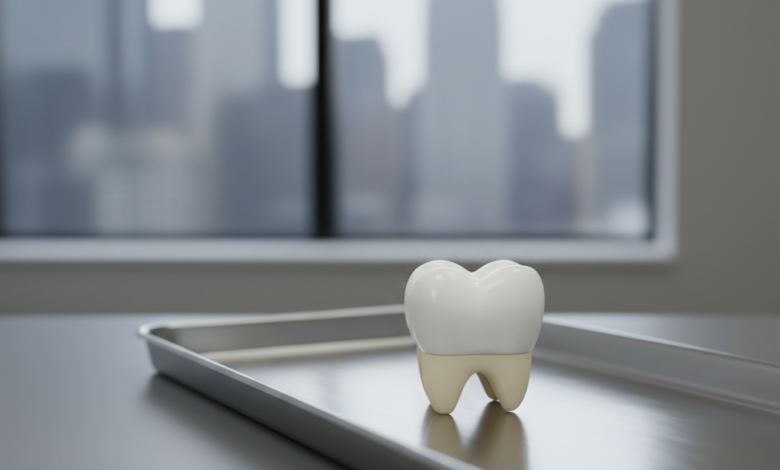
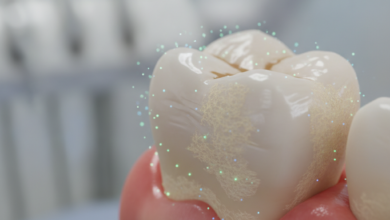
Dental Crown Cost in Canada can vary significantly, reflecting a range of factors from the type of material used to the location of the dental practice and the complexity of the individual case. For many Canadians, understanding these costs is crucial when considering this vital dental restoration. A dental crown, often referred to as a cap, is a custom-made covering that restores a damaged tooth’s shape, size, strength, and appearance. It fully encases the visible portion of your tooth that lies at and above the gum line, providing comprehensive protection and functional restoration.
Understanding Dental Crowns: Essential Information
Dental crowns serve a multitude of purposes in restorative and cosmetic dentistry. They are a durable and effective solution for a variety of dental issues, offering both protection and aesthetic improvement. When a tooth is severely damaged due to decay, fracture, or wear, a simple filling may no longer be sufficient to restore its integrity. Crowns provide the necessary strength to prevent further damage and prolong the life of the tooth.
Why a Dental Crown Might Be Necessary
Several common scenarios necessitate the placement of a dental crown:
- Protecting a weak tooth: Crowns can hold together parts of a cracked tooth or protect a tooth that has been severely worn down.
- Restoring a broken tooth: If a tooth has fractured or been extensively damaged by decay, a crown can restore its original shape and function.
- Supporting a large filling: When there’s not much tooth structure left, a crown can cover and support a tooth with a large filling.
- After a root canal: Teeth that have undergone root canal treatment often become brittle and are prone to fracture, making a crown an essential protective measure.
- Covering dental implants: Crowns are the visible, functional part of a dental implant, providing a natural-looking and feeling tooth replacement.
- Cosmetic modification: Crowns can cover discolored or poorly shaped teeth, significantly improving the aesthetics of a smile.
Understanding the fundamental role of crowns helps patients appreciate their necessity and the investment involved in their placement.
Types of Dental Crowns and Their Unique Benefits
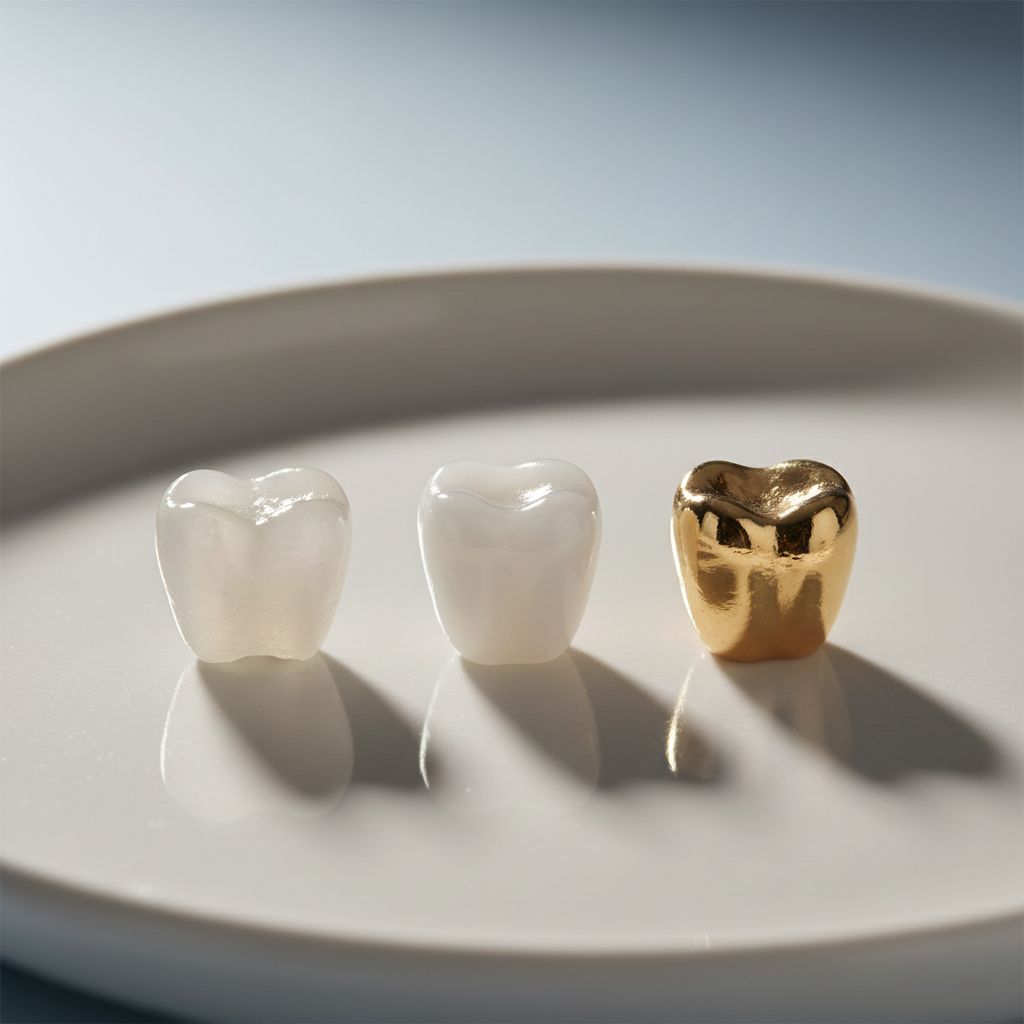
The material chosen for your dental crown plays a significant role in its cost, durability, and aesthetic outcome. Modern dentistry offers a range of options, each with distinct advantages.
Porcelain and Ceramic Crowns
These crowns are highly popular for their ability to mimic the natural translucency and color of teeth, making them an excellent choice for front teeth and for individuals with metal allergies. They are entirely metal-free, which eliminates the risk of a visible grey line at the gumline. While aesthetically superior, all-ceramic or all-porcelain crowns can sometimes be more prone to chipping than metal or zirconia options. Advances in ceramic materials have greatly improved their strength, making them suitable for some back teeth as well.
Zirconia Crowns
Zirconia crowns are a newer innovation, gaining popularity for their exceptional strength and natural appearance. Zirconium dioxide, a type of ceramic, is incredibly durable and resistant to wear and tear, making it an ideal choice for molars and for patients who grind their teeth. They also offer good translucency, blending well with natural teeth, and are biocompatible, meaning they are well-tolerated by the body. Zirconia is considered a premium material, often reflected in its cost.
Metal and PFM Crowns
Metal crowns, typically made from gold alloys, palladium, nickel, or chromium, are known for their unparalleled strength and longevity. They rarely chip or break, making them an excellent choice for back molars where biting forces are strongest and aesthetics are less of a concern. Their main drawback is their metallic color. Porcelain-fused-to-metal (PFM) crowns offer a compromise, providing the strength of a metal substructure with a tooth-colored porcelain layer on top. While they offer good aesthetics and strength, the metal base can sometimes show through as a dark line at the gumline, especially if gums recede over time.
Factors Influencing Dental Crown Cost in Canada
The exact price for a dental crown in Canada can be a complex figure, as it is shaped by a multitude of variables. It’s not simply the cost of the crown itself but also the associated procedures and the expertise involved.
Dental Crown Cost in Canada
Several key factors contribute to the overall expenditure for a dental crown:
| Factor | Description | Impact on Cost |
|---|---|---|
| Material Type | Porcelain, Ceramic, Zirconia, PFM, Gold Alloy | Significantly varies; Zirconia and Gold generally highest, PFM mid-range, all-ceramic can vary. |
| Dentist’s Fees | Experience, specialization, reputation of the dentist | Higher for highly experienced specialists or renowned practices. |
| Geographic Location | Major metropolitan areas (e.g., Toronto, Vancouver) vs. rural areas | Costs are typically higher in large cities due to overheads. |
| Complexity of Case | Need for root canal, core build-up, gum treatment, multiple crowns | Increases if additional procedures are required before crown placement. |
| Dental Lab Fees | Quality and technology used by the dental laboratory | Higher for labs producing high-precision, aesthetic crowns. |
| Ancillary Procedures | X-rays, local anesthesia, temporary crown, post-treatment follow-ups | These are standard inclusions but contribute to the overall bill. |
| Insurance Coverage | Extent of your dental insurance plan’s coverage for major restorative work | Can significantly reduce out-of-pocket expenses, but coverage varies greatly. |
Dentist’s Fees and Clinic Location
The fees charged by a dental professional can vary based on their experience, the overhead costs of their practice, and their reputation. Highly experienced dentists or specialists in specific areas of restorative dentistry may charge more. Furthermore, dental practices located in major metropolitan areas such as Toronto, Vancouver, or Montreal generally have higher operating costs, which can translate to higher prices for services compared to smaller towns or rural regions.
Material and Lab Costs
As discussed, the choice of crown material is a primary cost driver. Zirconia and gold alloy crowns often sit at the higher end due to the material’s cost and the specialized fabrication process. Porcelain-fused-to-metal (PFM) crowns usually fall into a mid-range, while all-ceramic crowns can vary depending on the specific type of ceramic and brand. The dental laboratory responsible for fabricating the crown also plays a role. Labs that utilize advanced technology and employ highly skilled technicians for custom, aesthetic work will typically charge more, impacting the final cost to the patient.
Additional Procedures and Diagnostic Fees
It’s rare that a dental crown is the only procedure performed. Often, preliminary treatments are required, which add to the overall cost. These can include:
- X-rays and diagnostic imaging: Essential for proper assessment.
- Core build-up: If significant tooth structure is lost, material must be added to support the crown.
- Root canal treatment: If the tooth’s pulp is infected or severely damaged, a root canal is performed before the crown.
- Gum contouring: Sometimes necessary to create an optimal margin for the crown.
- Temporary crown: Provided while the permanent crown is being fabricated.
These necessary preparatory steps are integral to the success and longevity of the crown and are factored into the total expense.
Insurance and Financing Options
Many Canadians have dental insurance that covers a portion of the cost of major restorative procedures like dental crowns. However, the extent of coverage varies widely between plans. It is crucial to review your insurance policy or contact your provider to understand what percentage of the cost is covered and if there are any annual limits. For costs not covered by insurance, many dental clinics offer financing options or payment plans to help make treatment more affordable.
The Dental Crown Procedure: What to Expect
Receiving a dental crown typically involves two visits to the dentist, spaced a week or two apart, though some clinics offer same-day crown technology.
Initial Consultation and Preparation
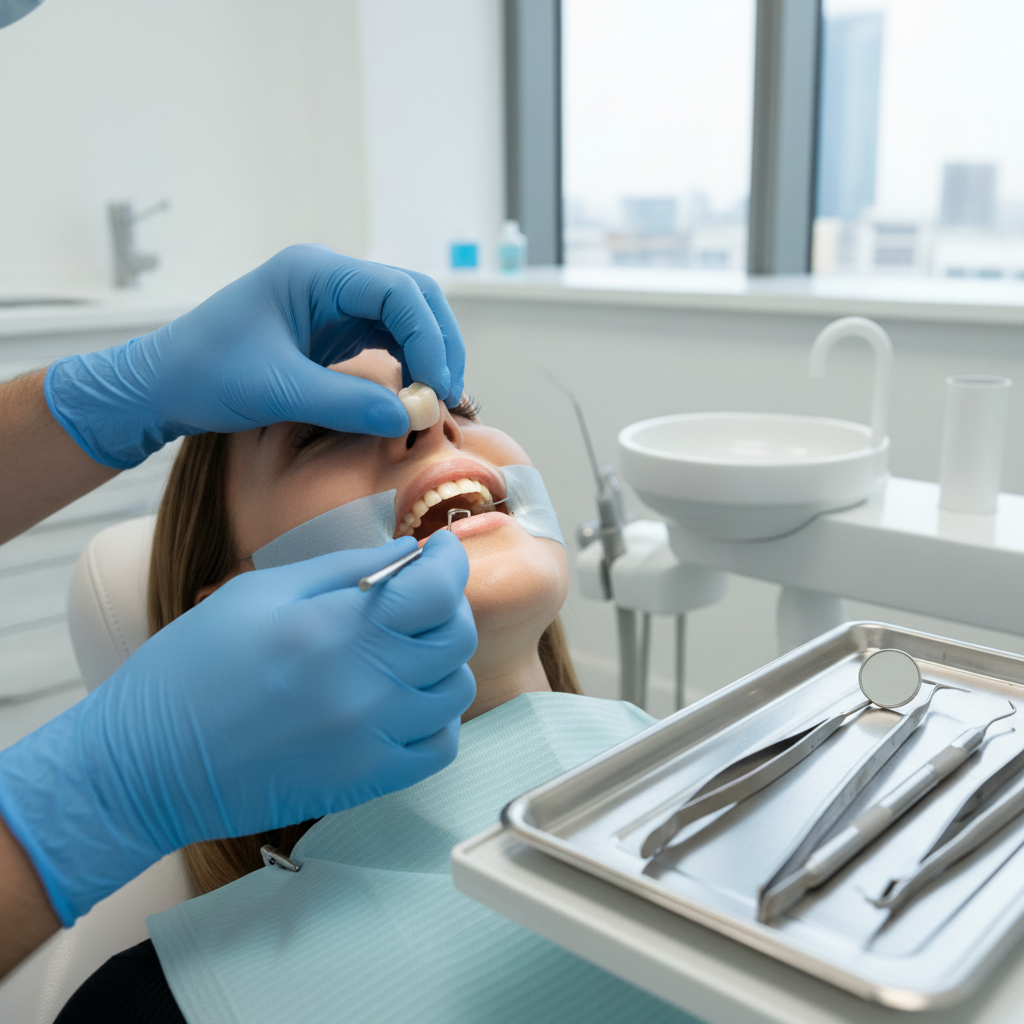
The first visit involves a thorough examination, including X-rays, to assess the condition of the tooth and determine if a crown is the most suitable treatment. If so, the tooth is prepared by reshaping its outer surface to make room for the crown. This usually involves removing a small amount of enamel and dentin. The amount removed depends on the type of crown chosen. Local anesthesia is administered to ensure comfort during this process.
Impression Taking and Temporary Crown
After preparation, an impression of the prepared tooth is taken. This can be done using traditional dental putty or with a digital scanner, which creates a precise 3D model. Impressions of the opposing jaw are also taken to ensure the crown fits properly with your bite. These impressions are then sent to a dental lab where your custom crown will be fabricated. Before you leave, a temporary crown, usually made of acrylic, is placed over the prepared tooth to protect it from sensitivity and damage while the permanent crown is being made.
Permanent Crown Placement
During the second visit, the temporary crown is removed, and the permanent crown is carefully checked for fit, color, and bite. Your dentist will make any necessary adjustments to ensure it sits perfectly and doesn’t interfere with your bite. Once both you and your dentist are satisfied, the permanent crown is permanently bonded to your tooth using a strong dental adhesive. This marks the completion of the procedure, restoring your tooth’s function and appearance. More information can be found on this topic on Wikipedia.
Maximizing the Lifespan of Your Dental Crown
While dental crowns are designed to be durable, their longevity largely depends on your oral hygiene practices and lifestyle habits. A well-cared-for crown can last anywhere from 5 to 15 years, or even longer.
Daily Oral Hygiene Practices
Treat your crowned tooth just like your natural teeth. Brushing twice a day with fluoride toothpaste and flossing daily, especially around the base of the crown, is crucial to prevent plaque buildup and gum disease. Even though the crown itself cannot decay, the natural tooth structure underneath and surrounding gum tissue are still susceptible to disease. Pay particular attention to the gum line around the crown to prevent inflammation and recession.
Regular Dental Check-ups and Professional Cleanings
Routine visits to your dentist for check-ups and professional cleanings are vital. Your dentist can monitor the condition of your crown, check its margins for any signs of leakage or wear, and assess the health of your surrounding teeth and gums. Early detection of any issues can prevent more significant problems and extend the life of your crown.
Is a Dental Crown a Worthwhile Investment?
Considering the Dental Crown Cost in Canada, many patients ponder whether the investment is truly justified. The answer, for most, is a resounding yes, given the significant benefits a crown provides.
Long-Term Value and Benefits
A dental crown offers more than just cosmetic improvement; it provides critical functional restoration. It protects a compromised tooth from further damage, reinforces its structure, and restores your ability to chew and speak properly. By preserving a damaged tooth, a crown helps prevent the need for more extensive and costly procedures in the future, such as extraction and dental implants. The aesthetic benefits are also undeniable, contributing to a confident smile and improved self-esteem. When you factor in the years of restored function and comfort, the initial cost becomes a worthwhile investment in your oral health and overall well-being.
Consideration of Alternatives
While alternatives exist, such as large fillings, veneers, or even extraction, a dental crown is often the optimal choice for specific dental problems. Large fillings might not provide the necessary strength for extensively damaged teeth, veneers primarily address cosmetic concerns on the front surface of teeth, and extraction leads to the loss of the natural tooth, requiring more complex and costly replacement options like bridges or implants. Your dentist will discuss the best treatment plan based on your individual needs and the condition of your tooth, ensuring you make an informed decision for your long-term oral health.