Why Your Teeth Hurt When Drinking Cold Water

Why Your Teeth Hurt When Drinking Cold Water can be a startling and uncomfortable experience. That sudden, sharp jolt of pain that shoots through a tooth when it comes into contact with a cold beverage is a common complaint, but it is not something that should be ignored. This sensation, known clinically as dentin hypersensitivity, is your body’s way of signaling that something is amiss with the protective layers of your teeth. While it can be caused by a variety of factors, ranging from minor issues to more serious dental problems, understanding the root cause is the first step toward finding effective relief and ensuring your long-term oral health. This discomfort is more than just a momentary inconvenience; it is an indicator that the sensitive inner structures of your tooth are exposed to external stimuli, a situation that warrants attention.
Understanding the Anatomy of a Tooth
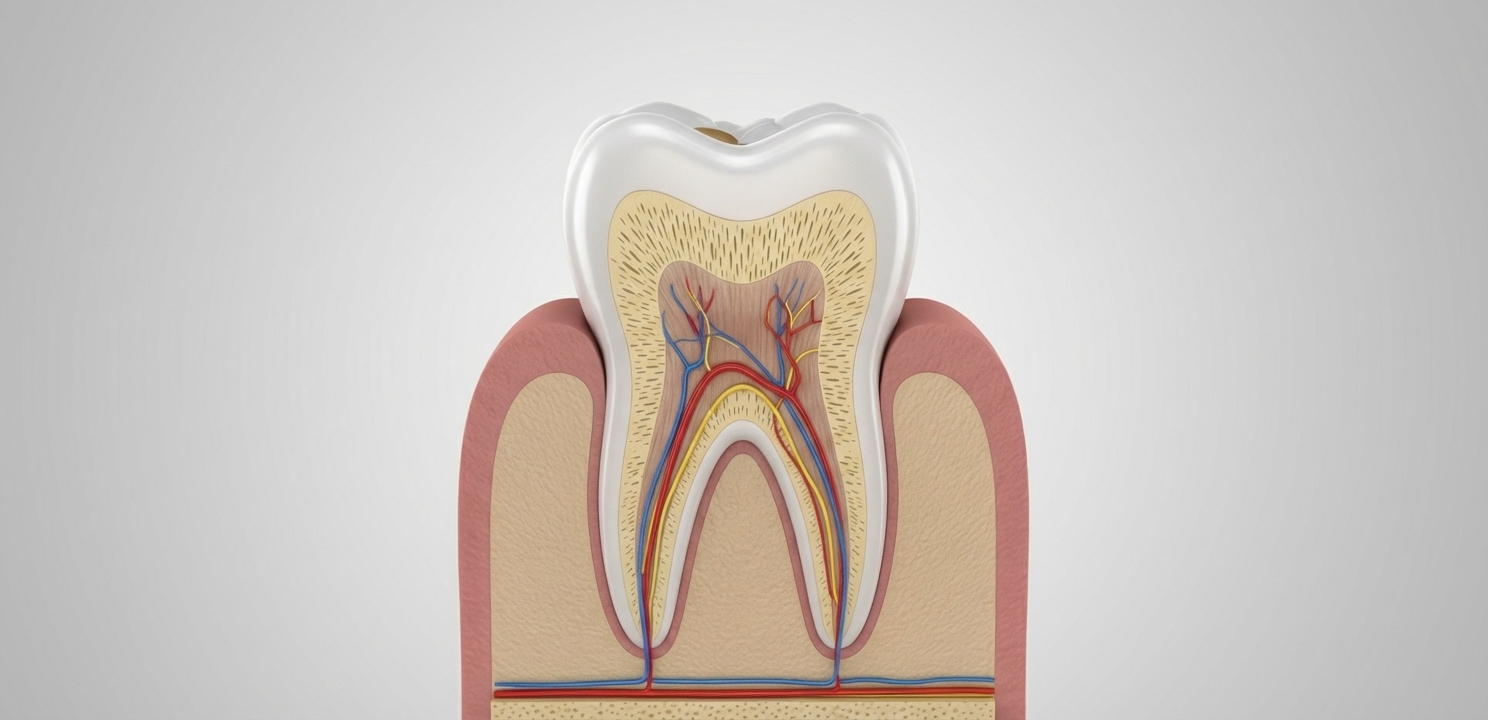
To grasp why your teeth might hurt from cold stimuli, it is essential to first understand the basic structure of a tooth. Each tooth is composed of several distinct layers, each with a specific function. The outermost layer of the crown (the part of the tooth visible above the gum line) is the enamel. Enamel is the hardest substance in the human body, serving as a durable, protective shell for the more sensitive inner parts of the tooth. It is primarily made of minerals and has no living cells, which means it cannot feel pain itself.
Beneath the enamel lies the dentin. Dentin is a calcified tissue that is much softer and more porous than enamel. It contains thousands of microscopic channels called dentinal tubules. These tubules run from the outer surface of the dentin to the very center of the tooth, where the pulp is located. The pulp is the innermost part of the tooth, a soft tissue containing nerves and blood vessels. It is the vital “nerve center” of the tooth. When the protective enamel is worn away or the gums recede to expose the root surface (which is covered by a thin layer called cementum), the dentin and its tubules are left exposed. Cold liquids can then travel through these tiny channels, directly stimulating the nerve in the pulp and triggering that characteristic sharp, short pain.
Common Causes When Teeth Hurt When Drinking Cold Water
The sharp pain you feel is a direct result of exposed dentin. Several common dental issues can lead to this exposure, each requiring a different approach for management and treatment. Identifying the specific cause is crucial for a dentist to recommend the most effective solution.
Enamel Erosion
Enamel erosion is the gradual wearing away of the protective enamel layer. This is most often caused by frequent exposure to acids found in certain foods and beverages, such as citrus fruits, sodas, and sports drinks. Medical conditions like acid reflux (GERD) or frequent vomiting can also introduce powerful stomach acids into the mouth, accelerating enamel erosion. As the enamel thins, the underlying dentin becomes more exposed, leading to widespread sensitivity to cold, hot, and sweet stimuli.
Gum Recession
Your gums are meant to cover and protect the roots of your teeth. The roots do not have the thick enamel layer that the crowns do. Instead, they are covered by cementum, which is much softer and wears away easily. Gum recession, the process in which the margin of the gum tissue that surrounds the teeth pulls back or wears away, exposes these vulnerable roots. This can be caused by periodontal (gum) disease, aggressive brushing with a hard-bristled toothbrush, or simply the natural aging process. Once the roots are exposed, the dentin is easily triggered by cold temperatures.
Tooth Decay and Cavities
A cavity is a hole in the tooth caused by tooth decay. This process begins when bacteria in your mouth feed on sugars and produce acids that eat away at the enamel. If left untreated, the decay can progress through the enamel and into the dentin. This creates a direct pathway for cold liquids to reach the sensitive tubules and the nerve deep inside the tooth. Sensitivity to cold in a single, specific tooth is often one of the earliest causes of a persistent toothache and a clear sign of a potential cavity.
Cracked or Chipped Teeth
A crack or chip in a tooth, even a microscopic one, can be enough to expose the dentin. These fractures can occur from trauma, biting down on something hard like ice or a nut, or from teeth grinding (bruxism). When you drink something cold, the liquid can seep into these tiny fissures, reaching the dentin and causing a sharp, intense pain. The pain might be most noticeable when you bite down or release the bite, as the crack flexes and irritates the pulp.
| Cause of Sensitivity | Primary Mechanism | Common Associated Symptoms |
|---|---|---|
| Enamel Erosion | Acidic substances dissolve the protective outer layer of the tooth, exposing the dentin underneath. | Generalized sensitivity, teeth appearing yellow or rounded, transparency at the biting edges. |
| Gum Recession | Gums pull away from the teeth, exposing the sensitive root surfaces which are not protected by enamel. | Teeth appearing longer than normal, a visible notch at the gum line, gum inflammation. |
| Tooth Decay (Cavity) | Bacteria create a hole that penetrates the enamel and reaches the underlying dentin. | Localized, sharp pain in one tooth, visible hole or dark spot, pain when eating sweets. |
| Cracked or Chipped Tooth | A fracture in the tooth creates a direct pathway for stimuli to reach the dentin and pulp. | Sharp pain when biting or releasing pressure, erratic pain that is hard to pinpoint. |
At-Home Management and Prevention Strategies
For mild or occasional sensitivity, several at-home strategies can provide significant relief and help prevent the problem from worsening.
Desensitizing Toothpaste
Specialized toothpastes are formulated to address tooth sensitivity. They typically work in one of two ways. Some contain compounds like potassium nitrate, which helps to calm the nerves inside the tooth, making them less reactive to stimuli. Others contain ingredients such as stannous fluoride or strontium chloride, which work by blocking the microscopic tubules in the dentin, preventing cold sensations from reaching the nerve. Consistent use over several weeks is usually required to see the full benefit. The effectiveness of these agents is well-documented in scientific reviews on dentin hypersensitivity.
Proper Brushing Technique
Aggressive brushing can contribute significantly to both enamel wear and gum recession. To protect your teeth, always use a toothbrush with soft bristles. Instead of scrubbing horizontally, use gentle, circular motions to clean your teeth and the gum line. This effective cleaning method removes plaque without causing unnecessary damage to your teeth and gums.
Dietary Adjustments
Limiting your intake of highly acidic foods and drinks is one of the most effective ways to protect your enamel. If you do consume items like soda, citrus juice, or wine, try to do so with a meal to buffer the acid. It is also beneficial to rinse your mouth with plain water immediately afterward. Wait at least 30 minutes after consuming something acidic before brushing your teeth, as the acid temporarily softens the enamel, making it more vulnerable to abrasion from your toothbrush.
When to See a Dentist
While at-home care can manage mild sensitivity, it is crucial to see a dentist to diagnose the underlying cause. You should schedule a dental appointment if your sensitivity is severe, persists for more than a week or two, is localized to a single tooth, or is accompanied by other symptoms like pain when chewing or visible damage to the tooth. A dentist can perform a thorough examination to determine if the sensitivity is due to a cavity, a crack, or gum disease, and recommend the appropriate professional treatment.
Professional Treatments for Dentin Hypersensitivity
If at-home remedies are not sufficient, your dentist has a range of professional treatments that can provide more immediate and long-lasting relief.
Fluoride Varnish Application
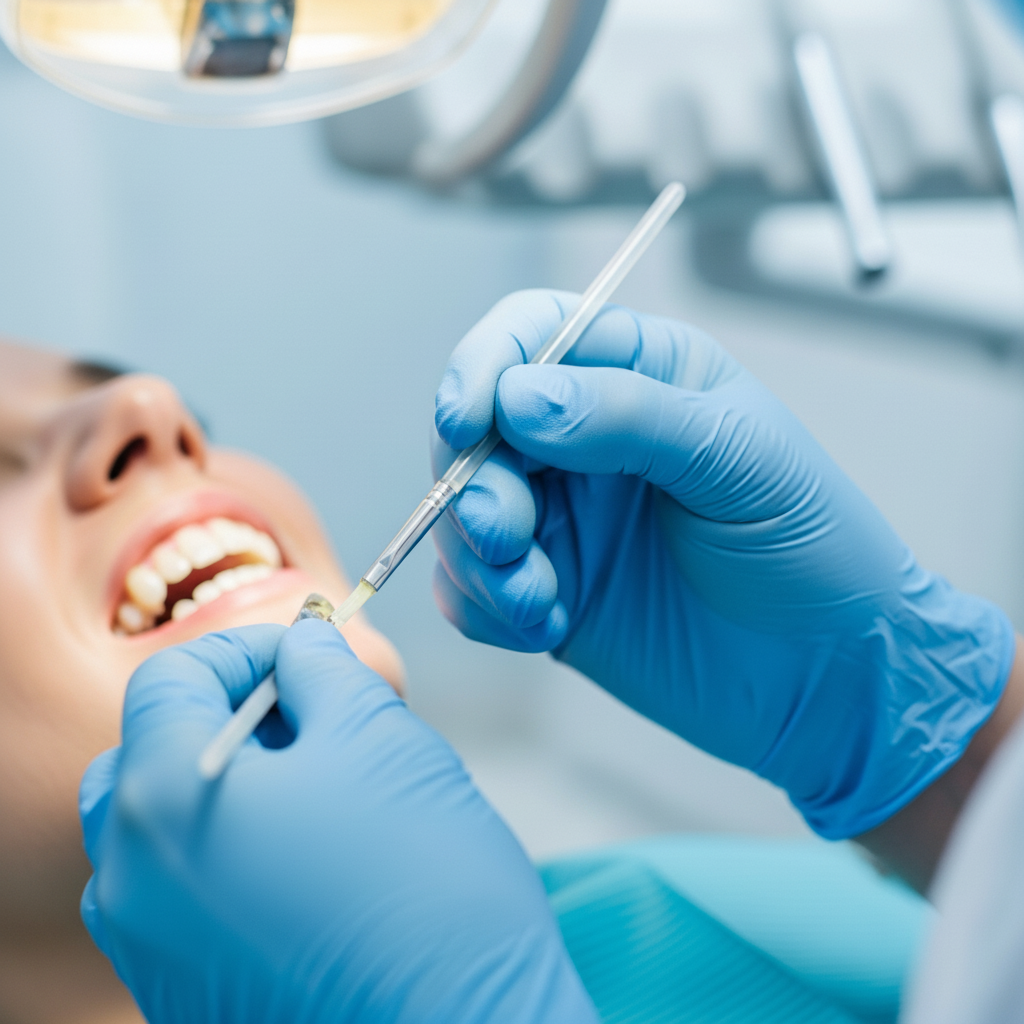
A professional application of fluoride varnish can help strengthen your tooth enamel and dentin. The dentist paints a highly concentrated fluoride solution onto your teeth, where it works to remineralize weakened areas and can also help block the dentinal tubules, reducing the transmission of cold sensations to the nerve.
Dental Bonding
For sensitivity caused by exposed root surfaces due to gum recession, a dentist can apply a tooth-colored composite resin to the sensitive area. This procedure, known as bonding, effectively covers the exposed dentin, creating a barrier against external stimuli like cold water.
Fillings, Inlays, or Crowns
If your sensitivity is caused by a cavity or a crack, the solution is to repair the tooth. A simple filling can close off a cavity, while a larger restoration like an inlay, onlay, or a full crown may be necessary to repair a more significantly damaged or cracked tooth. These restorations seal the tooth, protecting the inner pulp from temperature changes and bacteria.
Root Canal Therapy
In cases of extreme and persistent sensitivity where the tooth nerve is inflamed or irreversibly damaged, a root canal may be the only option to save the tooth and eliminate the pain. During this procedure, the dentist removes the damaged pulp, cleans and disinfects the inside of the tooth, and then fills and seals it. While it sounds intimidating, a root canal is a standard and highly effective procedure for relieving pain from a severely compromised tooth.