Turkey Teeth Explained for Canadian Patients
Turkey Teeth Explained for Canadian Patients. The term has exploded across social media, showcasing dazzlingly white, perfectly uniform smiles acquired from dental clinics in Turkey. For many Canadians facing high local costs for cosmetic dentistry, this trend represents an intriguing opportunity. It’s more than just a viral hashtag; it’s a gateway to advanced dental care that combines affordability with high-quality results, making a complete smile transformation accessible to a much broader audience. The concept, often referred to as a “smile makeover,” typically involves procedures like dental veneers or crowns to create a flawless, bright, and symmetrical smile.
The primary driver for this growing trend is the significant cost differential between Canada and Turkey. Cosmetic dental procedures, which are rarely covered by insurance in Canada, can be prohibitively expensive. In Turkey, the combination of a lower cost of living, government support for medical tourism, and a highly competitive market allows clinics to offer world-class services at a fraction of the price. This financial accessibility, paired with the promise of a “Hollywood smile” in a single trip, has positioned Turkey as the premier destination for dental tourism, attracting thousands of international patients, including a large and growing number of Canadians, each year.
What Exactly Are “Turkey Teeth”?
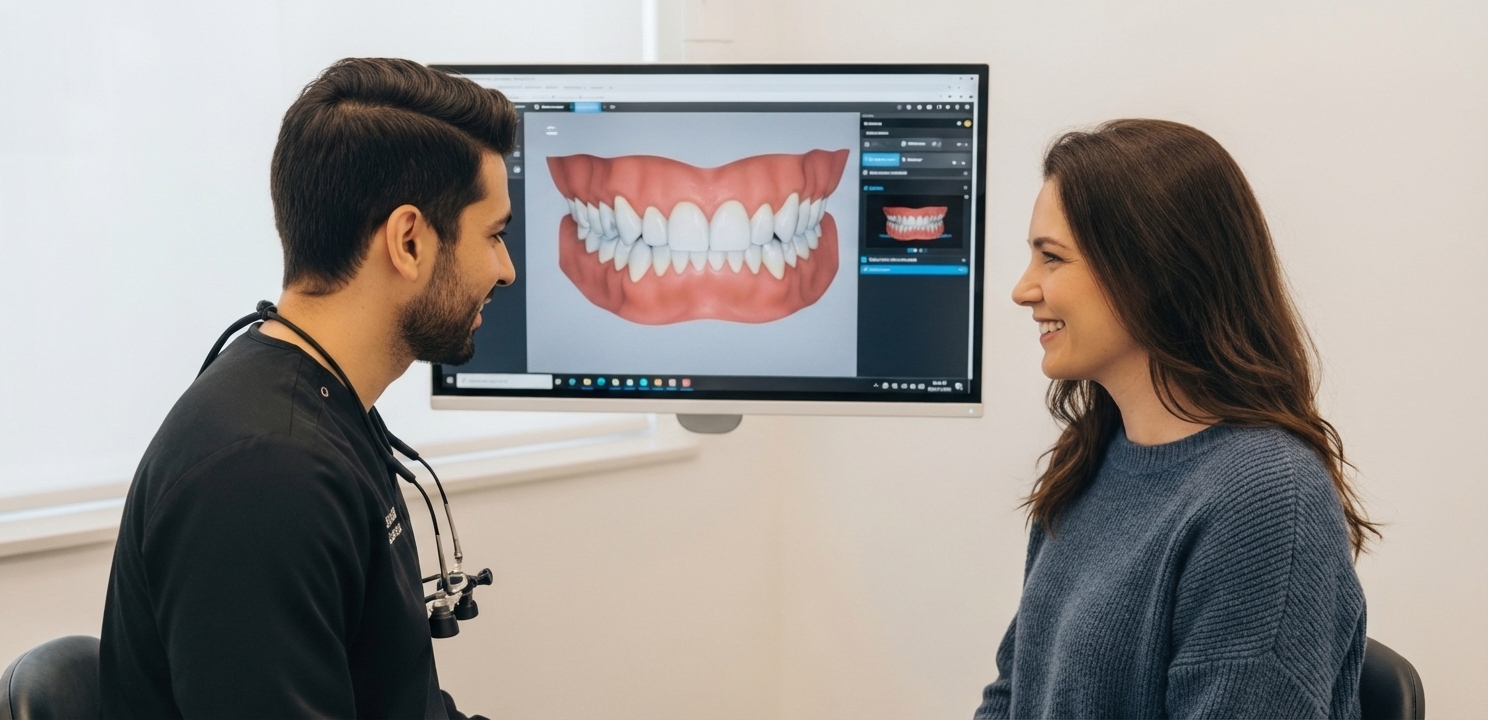
While the term “Turkey Teeth” might sound like a specific product, it’s a colloquialism for a comprehensive smile makeover performed in Turkey. It doesn’t refer to one single procedure but rather a customized set of treatments designed to achieve a patient’s ideal aesthetic outcome. The most common procedures associated with this trend are dental veneers and dental crowns, which are used to correct a wide range of cosmetic imperfections.
Dental Veneers vs. Dental Crowns
Understanding the difference between veneers and crowns is crucial.
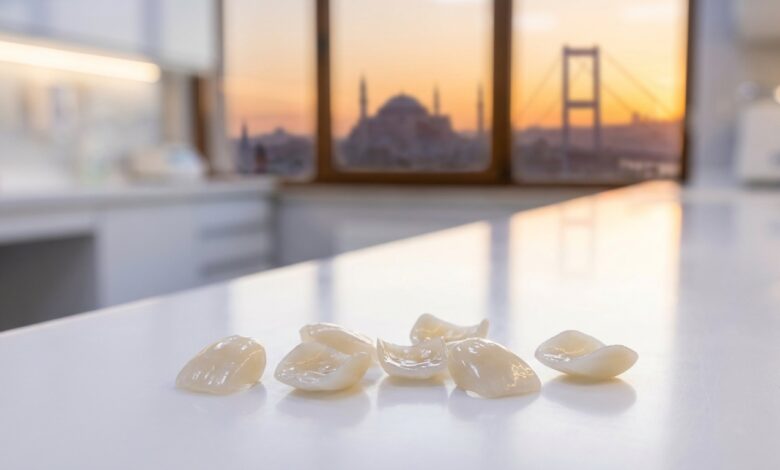
- Dental Veneers: These are thin, custom-made shells of tooth-coloured material designed to cover the front surface of teeth. They are an excellent solution for correcting issues like discolouration, chips, small gaps, or minor misalignment. The process involves minimal preparation, where a very thin layer of the tooth’s enamel is removed to ensure the veneer fits perfectly and looks natural. Materials like E-max and porcelain are popular for their translucency and resemblance to natural teeth.
- Dental Crowns: A crown is a tooth-shaped “cap” that is placed over the entire visible portion of a tooth. This is a more extensive restoration compared to a veneer. Crowns are typically recommended when a tooth has significant structural damage, a large filling, or has undergone a root canal. For a full smile makeover, crowns, often made from highly durable zirconium, can be used to dramatically change the shape, size, and colour of the teeth, creating a bold, uniform appearance.
The choice between veneers and crowns depends entirely on the patient’s existing dental health and aesthetic goals. A reputable clinic will conduct a thorough examination, including X-rays and 3D scans, to recommend the most appropriate and conservative treatment plan that preserves as much of the natural tooth structure as possible.
The Appeal for Canadians: Cost and Quality
The most compelling reason for Canadians to consider dental treatment in Turkey is the dramatic cost savings. Cosmetic procedures like a full set of veneers or crowns can cost tens of thousands of dollars in Canada. In Turkey, the same high-quality treatment can often be obtained for 50-70% less. This price difference is not a reflection of inferior quality but is due to economic factors. The lower operational costs for dental clinics, including rent, utilities, and staff salaries, combined with a favorable currency exchange rate for the Canadian dollar, make these prices possible.
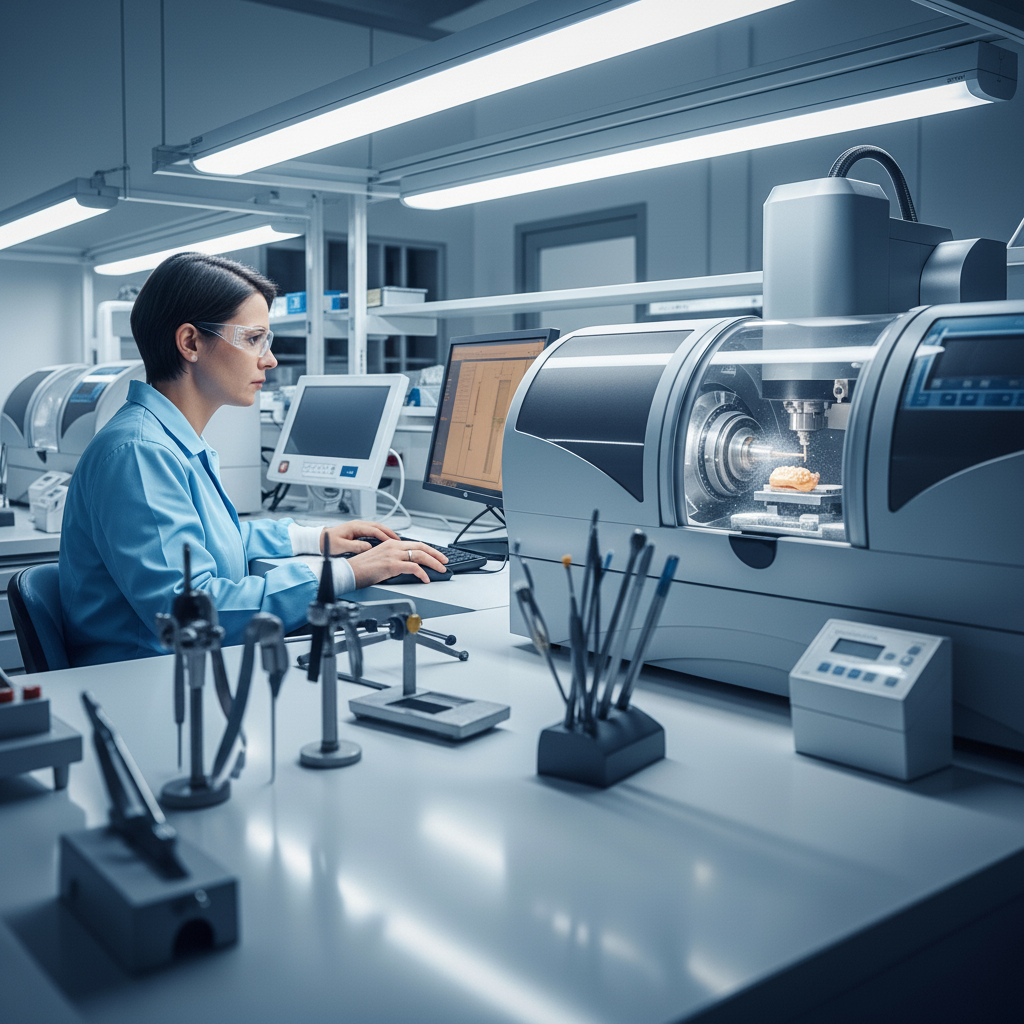
However, the appeal extends beyond just the cost. Top Turkish dental clinics are equipped with state-of-the-art technology that rivals or even surpasses what is available in many Western countries. Technologies such as CAD/CAM (Computer-Aided Design/Computer-Aided Manufacturing) systems allow for the precise and rapid creation of crowns and veneers, often within a single day. Digital smile design software enables patients to see a simulation of their new smile before any treatment begins, ensuring they are fully aligned with the expected outcome. Furthermore, dentists in Turkey who cater to international patients are highly trained, often with specializations and experience from European or American institutions. They are skilled in the latest cosmetic dentistry techniques and are committed to meeting the high aesthetic standards of their global clientele.
The Step-by-Step Patient Journey
For a Canadian patient, the process of getting a smile makeover in Turkey is streamlined and well-organized, with clinics offering comprehensive packages that handle all logistics.
- Remote Consultation: The journey begins from home. Patients send clear photos of their teeth, and any recent dental records or X-rays, to the clinic. A detailed online consultation with a treatment coordinator and a dentist follows, where goals are discussed, a personalized treatment plan is created, and a transparent price quote is provided.
- Travel and Accommodation: Once the plan is approved, the clinic assists with scheduling. Most reputable clinics offer all-inclusive packages that include luxury hotel accommodations, VIP airport transfers, and all local transportation between the hotel and the clinic, ensuring a seamless and stress-free experience.
- First Clinical Appointment: Upon arrival in Turkey, the first appointment involves a comprehensive in-person examination, panoramic X-rays, and 3D intraoral scanning. The dentist confirms the treatment plan and begins the smile design process in collaboration with the patient. This is followed by the tooth preparation stage, where a minimal amount of enamel is shaped to prepare for the veneers or crowns. Temporary teeth are then placed.
- Laboratory Fabrication: The digital scans and design specifications are sent to an on-site or partner dental laboratory. Skilled technicians use advanced CAD/CAM technology to meticulously craft the custom porcelain, E-max, or zirconium restorations. This process typically takes 2-3 days.
- Final Fitting and Bonding: During the second major appointment, the temporary teeth are removed, and the final veneers or crowns are tried in. The patient and dentist check the fit, bite, and aesthetics. Once everything is perfect, the restorations are permanently bonded to the teeth using a high-strength dental cement.
- Final Check-up and Aftercare: A final appointment is scheduled before the patient flies home to make any minor adjustments and provide detailed instructions on how to care for the new smile to ensure its longevity.
Comparing Common Smile Makeover Procedures
To make an informed decision, it’s helpful for patients to understand the key differences between the materials and procedures commonly used for a “Turkey Teeth” smile makeover. Reputable clinics will guide patients toward the best option for their clinical needs and aesthetic desires. Exploring a detailed cost guide for veneers in Turkey can provide Canadian patients with specific financial insights.
| Feature | Porcelain Veneers | E-max Veneers | Zirconium Crowns |
|---|---|---|---|
| Primary Use | Correcting minor cosmetic issues: colour, small gaps, chips. | High-end cosmetic enhancements requiring superior aesthetics. | Restoring heavily damaged teeth or making significant changes to tooth shape and alignment. |
| Material | Layered ceramic porcelain. | Lithium disilicate glass-ceramic. | Zirconium dioxide, a type of ceramic. |
| Tooth Preparation | Minimal (0.3mm – 0.5mm of enamel removed from the front). | Minimal (often less than standard porcelain veneers). | More extensive (requires reduction of the entire tooth). |
| Aesthetics | Very natural, good light reflection. | Considered the most aesthetic option; high translucency and lifelike appearance. | Very strong and opaque, ideal for covering dark teeth. Can be layered with porcelain for better aesthetics. |
| Durability & Longevity | Durable and long-lasting, typically 10-15 years with proper care. | Extremely durable and resistant to chipping and fractures. Can last 15+ years. | The strongest material available; highly resistant to wear and tear. Can last 15-20+ years. |
The longevity of these materials is well-documented. Clinical studies on ceramic restorations show very high success rates over the long term. For instance, research published in the Journal of Clinical Medicine highlights the excellent clinical performance and durability of ceramic materials like lithium disilicate (E-max) and zirconia, confirming their reliability for long-lasting smile makeovers when properly planned and executed. This scientific backing reinforces the quality of materials used in top Turkish dental clinics.