Is Dental Treatment Abroad Worth It for Canadians?
Is Dental Treatment Abroad Worth It for Canadians? This question is becoming increasingly common in households across Canada, from Vancouver to Halifax. Faced with lengthy wait times and prohibitively high costs for dental procedures at home, many Canadians are exploring a new frontier in healthcare: dental tourism. The prospect of combining a vacation with high-quality, affordable dental care is an attractive one, but it naturally comes with questions about safety, quality, and logistics. For a growing number of people, Turkey has emerged as a leading destination, offering a compelling blend of advanced medical technology, experienced professionals, and significant cost savings. The decision to travel for medical procedures is significant, and understanding the full picture is essential to determining if this path is the right one for your oral health needs.
The Driving Factors: Why Canadians Look Abroad for Dental Care
The trend of seeking dental care outside of Canada is not born from a desire for adventure alone; it is fueled by practical and pressing concerns regarding the domestic healthcare system. While Canada’s universal healthcare is a point of national pride, it does not typically cover comprehensive dental work, leaving patients to navigate a world of private insurance with often limited coverage and substantial out-of-pocket expenses. This reality has created a clear impetus for Canadians to seek alternatives.
The Cost Conundrum in Canada
The primary motivator for most dental tourists is, without a doubt, the staggering cost of dental treatments in Canada. Complex procedures such as dental implants, full-mouth restorations, or cosmetic smile makeovers can run into tens of thousands of dollars. A single dental implant, for example, can cost between $4,000 and $6,000 CAD. For a full arch replacement using the All-on-4 technique, patients could be looking at a bill exceeding $25,000 per jaw. Similarly, high-quality porcelain veneers can cost upwards of $2,000 per tooth. When private insurance plans have annual maximums that barely cover routine check-ups and a single filling, these major restorative and cosmetic procedures become financially inaccessible for the average person. This financial barrier forces many to either endure dental issues that affect their quality of life or seek more affordable, high-quality solutions elsewhere.
Accessibility and Wait Times
Beyond the financial aspect, accessibility can be another significant challenge. In many parts of Canada, especially in more rural areas, there can be a shortage of dental specialists. This can lead to long waiting lists for consultations and subsequent treatments. The delay can be more than just an inconvenience; for patients suffering from pain or deteriorating dental health, waiting months for an appointment can exacerbate the problem, potentially leading to more complex and costly interventions down the line. The efficiency of specialized clinics abroad, which are structured to handle international patients on a planned schedule, presents a stark and appealing contrast to the potential delays faced at home.
Turkey as a Premier Destination for Dental Treatment Abroad
When Canadians begin their research, Turkey consistently appears at the top of the list for dental tourism destinations. This is not by chance. The country has made a concerted effort to become a global hub for medical and dental excellence, investing heavily in infrastructure, technology, and education. This commitment has cultivated a reputation for delivering world-class results at a fraction of the cost found in Western countries.
Unpacking the Cost-Effectiveness
The dramatic price difference is often the first thing that captures attention. A full set of porcelain veneers that might cost $30,000 in Canada could be available for less than a third of that price in a top-tier Turkish clinic. These savings are not a reflection of lower quality but are a result of the country’s economic realities. Lower overhead, operational costs, and professional fees, combined with a favourable exchange rate for the Canadian dollar, make it possible for clinics to offer competitive pricing. Furthermore, the Turkish government actively supports the medical tourism sector, which helps to maintain high standards while keeping services affordable for international patients. Many clinics offer all-inclusive packages that bundle the treatment, accommodation, and airport transfers, simplifying the logistics and providing even greater value.
Advanced Technology and Expertise
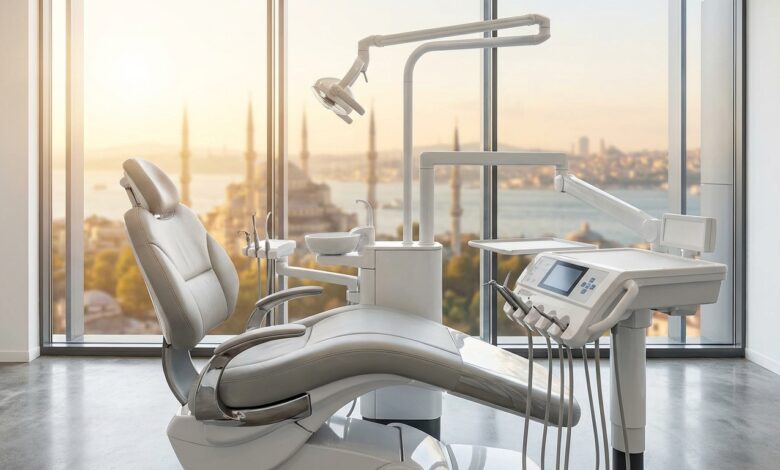
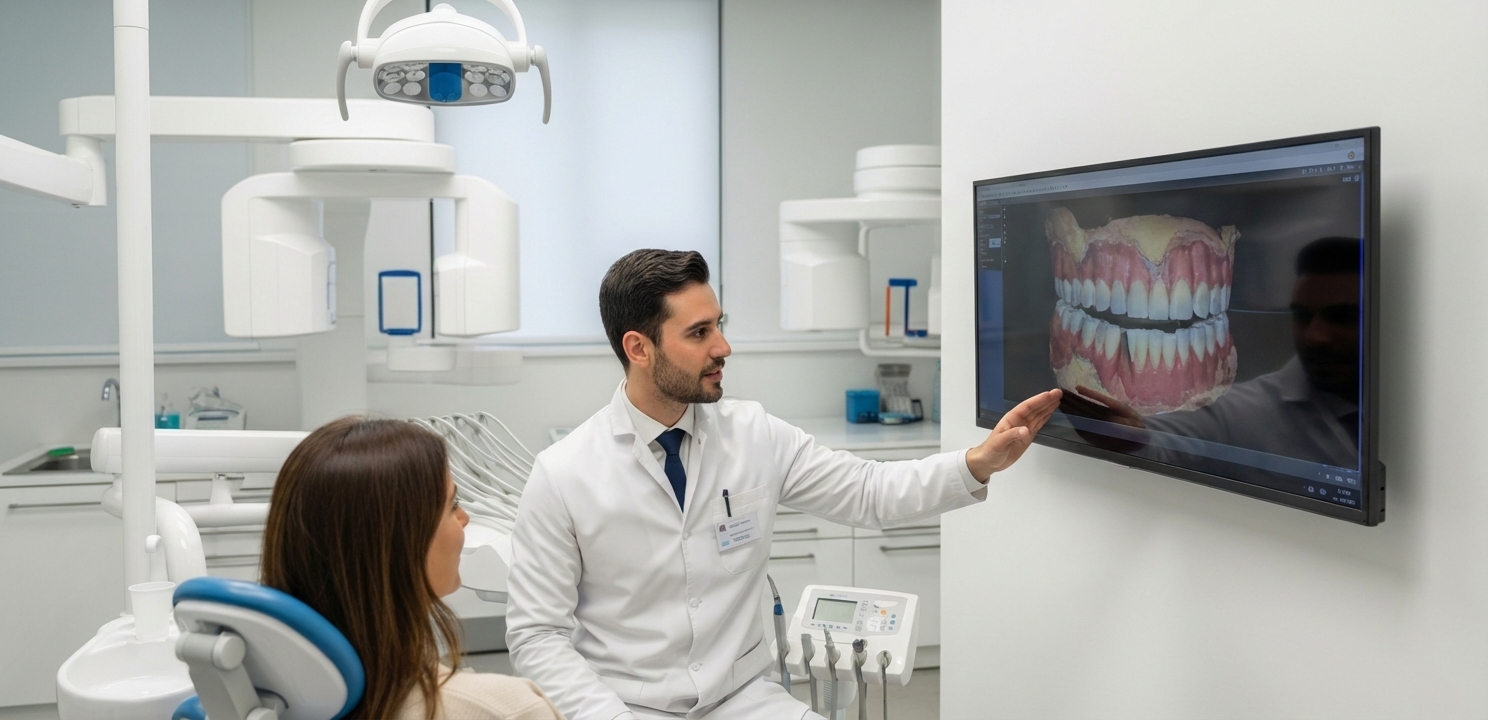
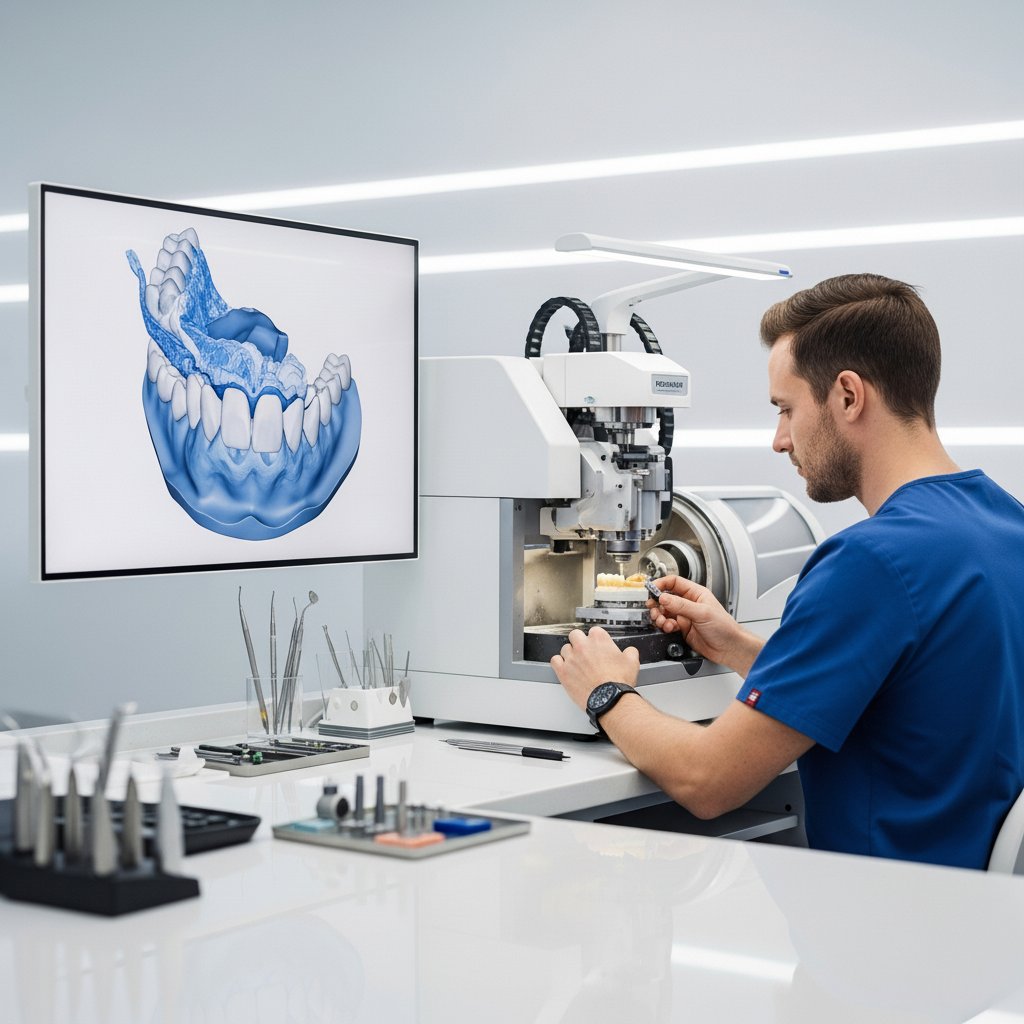
Turkish dental clinics catering to international patients are often equipped with the very latest in dental technology. This includes everything from 3D cone-beam computed tomography (CBCT) for precise implant planning to in-house CAD/CAM systems that allow for the custom milling of crowns and veneers on the same day. This technological parity means patients receive care that is at least as advanced, and sometimes more so, than what is available at their local clinic. The dentists and oral surgeons are highly qualified, with many having received training and certifications in Europe and the United States. They are typically fluent in English and have extensive experience in performing complex cosmetic and restorative procedures for a diverse international clientele.
A Comparative Look: Canada vs. Turkey for Dental Care
To make an informed decision, a direct comparison is often the most helpful tool. The choice between receiving treatment at home or traveling to Turkey involves weighing several key factors, from cost to the overall experience. The following table provides a structured breakdown of these considerations.
| Factor | Dental Treatment in Canada | Dental Treatment in Turkey |
|---|---|---|
| Cost | Extremely high for major procedures; often a significant financial barrier. | Typically 50-70% lower for equivalent or superior quality treatments. |
| Technology & Materials | High standards, but access to the latest technology can vary by clinic. | Top international clinics feature state-of-the-art technology (CAD/CAM, 3D imaging) and globally recognized brands for materials (e.g., E.max, Straumann). |
| Wait Times | Can be weeks or months, especially for specialist consultations and procedures. | Minimal to no wait times; treatment is scheduled efficiently upon the patient’s arrival. |
| Patient Experience | Standard clinical experience. Logistically simple as it is local. | Often an all-inclusive, service-oriented experience including accommodation, transfers, and translation services. Combines treatment with a holiday. |
| Travel & Logistics | No travel required. | Requires international travel, time off work, and planning. Clinics often assist heavily with these logistics. |
| Aftercare | Convenient follow-up appointments with the local dentist. | Reputable clinics provide remote follow-up support and often have partnerships or guarantee policies. Requires more patient proactivity. |
Quality, Safety, and Aftercare Considerations
While the benefits are clear, it is crucial for prospective patients to approach dental tourism with diligence and a focus on safety and quality. The success of the treatment depends heavily on the standards of the clinic and the materials they use.
Material Quality and Standards
A common concern is whether the materials used abroad are of the same quality as those in Canada. Reputable Turkish clinics alleviate this concern by using globally recognized, high-quality brands for their dental products. For implants, this might mean top-tier systems like Straumann or Nobel Biocare. For veneers and crowns, materials like E.max porcelain or zirconia are the gold standard worldwide for their durability and aesthetic appeal. The field of dental tourism has grown precisely because top destinations understand that using inferior materials is not a sustainable business model. They build their reputation on delivering results that last.
Choosing the Right Clinic
The single most important step in the entire process is selecting a trustworthy and highly-rated clinic. This involves thorough research beyond just looking at prices. Patients should look for extensive before-and-after galleries, verifiable patient testimonials and reviews, and clear information about the qualifications of their dental team. It’s important to ask about their sterilization protocols, the technology they use, and the specific brands of materials they will be using for your procedure. A professional clinic will be transparent and eager to provide this information. Understanding how to choose a dental clinic in Turkey from Canada is a key part of ensuring a positive and successful outcome.
The Patient Journey and Post-Treatment Support
The process typically begins with a remote consultation, where you send photos and any existing X-rays to the clinic. They will then create a personalized treatment plan and a detailed quote. Once you approve the plan and schedule your trip, the clinic’s team often helps arrange accommodation and local transportation. The treatment itself is condensed into your visit, which could range from a week for veneers to two separate trips over several months for complex implant cases. Reputable clinics understand that aftercare is critical. They provide detailed instructions for post-treatment care and remain available for remote consultations should any questions arise after you have returned home. They also provide a guarantee for their work, offering peace of mind and a commitment to your long-term dental health.