Full Mouth Dental Implants in Turkey for Canadian Patients

Full Mouth Dental Implants in Turkey for Canadian Patients represent a transformative journey towards regaining a complete, functional, and aesthetically pleasing smile. For individuals who have experienced extensive tooth loss, failing dental work, or the discomfort of traditional dentures, a full mouth restoration offers a permanent and life-changing solution. Increasingly, Canadians are looking to Turkey, a global hub for advanced medical and dental tourism, to access this sophisticated treatment. The country’s unique combination of world-class dental expertise, state-of-the-art technology, and remarkable affordability makes it an unparalleled destination for comprehensive dental reconstruction.
Understanding the Full Mouth Dental Implant Solution
A full mouth dental restoration is far more than just replacing missing teeth; it’s about rebuilding the entire oral foundation to restore function, health, and confidence. Unlike single implants that replace individual teeth, a full mouth procedure uses a strategically placed series of implants to support a full arch of prosthetic teeth, providing a stable and durable alternative to removable dentures.
What Are Full Mouth Dental Implants?
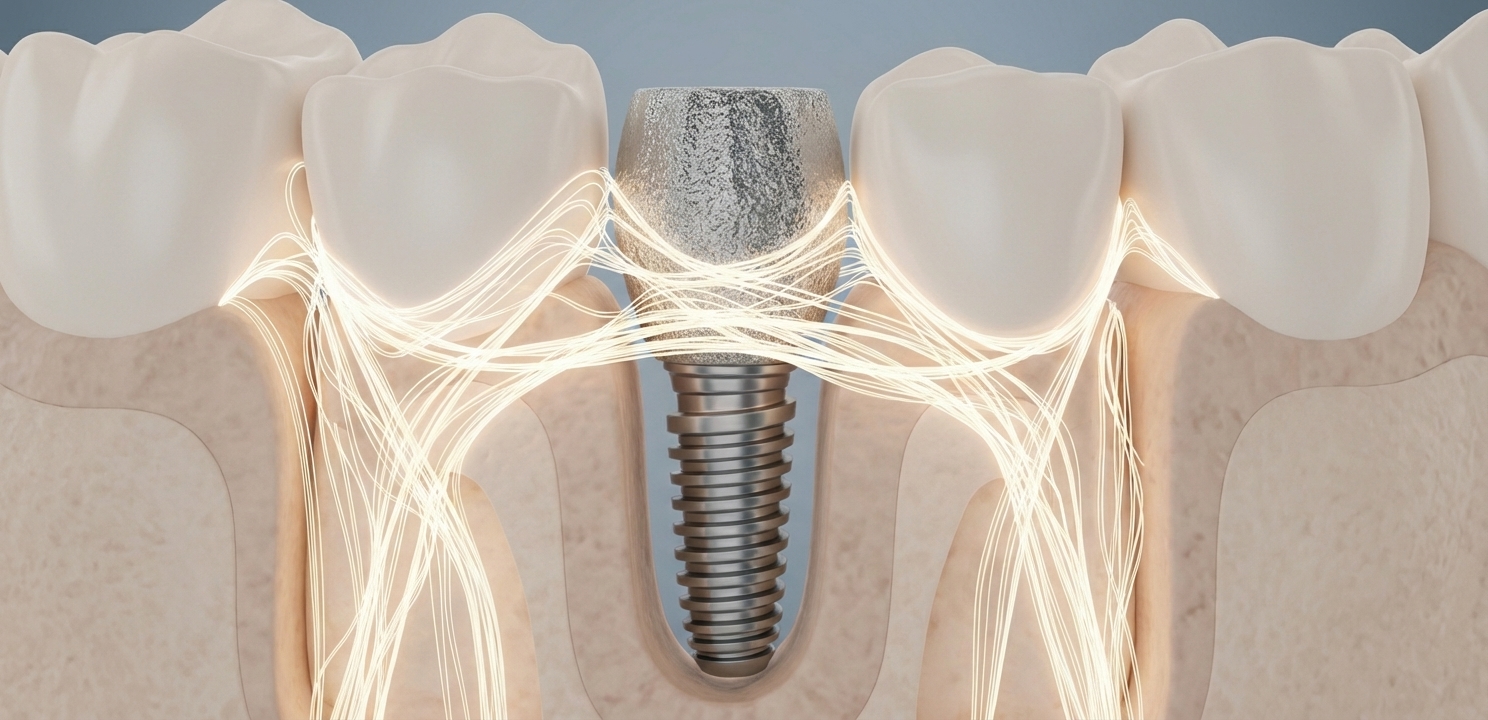
Full mouth dental implants involve the surgical placement of titanium posts into the jawbone of the upper, lower, or both arches. These posts act as artificial tooth roots. After a healing period, these implants become the secure anchors for a custom-crafted, permanent bridge or a fixed denture. This approach, often referred to as a full arch restoration, typically utilizes advanced techniques like All-on-4 or All-on-6. These methods use four or six implants, respectively, per arch, often placed at specific angles to maximize contact with existing bone. This can reduce or even eliminate the need for extensive bone grafting, making the treatment accessible to more patients. The final prosthetic is a single, seamless piece that looks, feels, and functions just like a full set of natural, healthy teeth.
Who is an Ideal Candidate?
The suitability for a full mouth implant procedure is determined through a comprehensive evaluation. An ideal candidate typically presents with one or more of the following conditions:
- Extensive Tooth Loss: Individuals missing most or all of their teeth in one or both arches.
- Failing Bridgework or Dentures: Patients who are unhappy with the instability, discomfort, or functional limitations of their current removable dentures or failing bridges.
- Severe Periodontal Disease: Those who have lost teeth due to advanced gum disease and require a complete oral rehabilitation.
- Sufficient Jawbone Density: Adequate bone volume is necessary to support the implants. However, for patients with bone loss, procedures like bone grafting or zygomatic implants can often make treatment possible. A 3D CBCT scan is used to assess bone quality and quantity accurately.
- Good Overall Health: Candidates should be in good general health, as conditions like uncontrolled diabetes or certain immune deficiencies can affect the healing process and implant success.
Why Choose Turkey for Your Dental Restoration?
The decision to travel abroad for a major dental procedure is significant. Turkey has solidified its reputation as a leading destination by consistently delivering exceptional outcomes that meet and often exceed the standards found in Western countries, but at a fraction of the cost. For Canadians, the value proposition is exceptionally compelling.
Unmatched Affordability without Compromising Quality
The primary driver for many Canadians is the substantial cost savings. Full mouth dental implant procedures in Canada can be prohibitively expensive, often running into tens of thousands of dollars. In Turkey, the same procedure, using identical high-quality materials from globally recognized brands (like Straumann or Nobel Biocare), can cost 50-70% less. This price difference is not due to a lower quality of care but is a result of the country’s lower cost of living, reduced operational expenses for clinics, and favorable currency exchange rates. This allows clinics to invest in the latest technology and top-tier materials while offering prices that are accessible to a broader range of patients.
The Expertise of Turkish Dental Professionals
Turkish dental surgeons and prosthodontists are highly educated and often receive specialized training in Europe and the United States. They possess extensive experience specifically in complex implantology and full mouth rehabilitation cases. Because Turkey is a major dental tourism destination, these specialists perform a high volume of these procedures annually, leading to a level of practical expertise that is difficult to match. Clinics catering to international patients are equipped with the latest diagnostic and surgical technology, including 3D cone-beam computed tomography (CBCT) scanners, intraoral scanners, and computer-aided design/computer-aided manufacturing (CAD/CAM) systems for precise planning and prosthetic fabrication.
The Process of Getting Full Mouth Dental Implants in Turkey
The journey to a new smile is a well-structured process typically requiring two separate trips to Turkey. This two-phase approach is essential to allow for the biological process of osseointegration, which is critical for the long-term success of the implants.
Step 1: Initial Consultation and Planning
The process begins from the comfort of your home in Canada. You will have a remote consultation with the dental team, where you will discuss your goals and dental history. You will be asked to provide panoramic X-rays and photos of your teeth. The surgical team in Turkey uses this information to create a preliminary treatment plan and a detailed, transparent price quotation. This initial step ensures you are a good candidate and understand the entire process before committing to travel.
Step 2: The First Trip – Implant Placement
Upon your arrival in Turkey, you will have a thorough in-person examination, including advanced 3D CBCT scans. These detailed images allow the surgeon to precisely plan the placement of each implant for optimal stability and support. The surgical procedure is then performed, usually under local anesthesia with sedation options available for patient comfort. Any necessary tooth extractions are done at this time, followed by the placement of the titanium implants. Immediately after surgery, you will be fitted with a high-quality temporary prosthesis, so you never leave the clinic without a functional and aesthetic set of teeth.
Step 3: The Healing Period (Osseointegration)
Following your first trip, you will return to Canada for a healing period of approximately 3 to 6 months. During this critical phase, a natural process called osseointegration occurs. This is where the jawbone grows around and fuses directly with the surface of the titanium implants, creating an incredibly strong and stable foundation. The long-term success of dental implants is heavily reliant on this biological fusion. Scientific studies have consistently shown high success rates for dental implants that achieve proper osseointegration. This healing time is non-negotiable and is a sign of a clinic that prioritizes patient health over speed.
Step 4: The Second Trip – Final Restoration
Once osseointegration is complete, you will make your second trip to Turkey to receive your final, permanent teeth. The dental team will remove the temporary prosthesis and take precise digital or physical impressions of your mouth. These are used by the in-house dental laboratory to meticulously craft your final zirconia or porcelain bridge. The design process focuses on achieving perfect function, bite alignment, and the natural, beautiful aesthetic you desire. After a few days of crafting and fitting adjustments, your permanent teeth are securely attached to the implants, completing your transformation.
Treatment Timeline and Recovery Expectations
Understanding the timeline is crucial for planning your dental journey. The table below outlines a typical schedule for a full mouth restoration. The recovery itself is generally manageable, with most patients reporting only mild discomfort for a few days post-surgery, which is easily controlled with prescribed medication.
| Phase | Key Activities | Estimated Duration |
|---|---|---|
| Phase 1: Pre-Travel | Remote consultation, X-ray submission, treatment planning, scheduling. | 1-3 weeks |
| Phase 2: First Trip to Turkey | In-person consultation, 3D scans, implant surgery, fitting of temporary teeth. | 5-7 days |
| Phase 3: Healing Period | Return to Canada for osseointegration (jawbone fuses with implants). | 3-6 months |
| Phase 4: Second Trip to Turkey | Impressions taken, final prosthesis design and fabrication, permanent teeth fitted. | 6-8 days |
| Phase 5: Final Result | Full function and aesthetics restored with permanent, fixed teeth. | Permanent |
The Long-Term Benefits of Investing in Your Smile
Choosing full mouth dental implants is an investment in your overall health and quality of life. The benefits extend far beyond just aesthetics, impacting your daily comfort, nutrition, and self-esteem.
Restored Functionality and Confidence
With a fixed implant-supported bridge, you can eat the foods you love without hesitation. The stability of the implants eliminates the slipping, clicking, and discomfort associated with removable dentures. This allows you to speak, laugh, and smile with complete confidence, knowing your teeth are secure and look entirely natural. This restoration of normal function can have a profound positive impact on your social life and professional interactions.
Durability and Jawbone Preservation
Dental implants are designed to be a permanent solution. With proper oral hygiene and regular dental check-ups, they can last a lifetime. A crucial benefit is that implants stimulate the jawbone, just like natural tooth roots. This prevents the bone atrophy (resorption) that inevitably occurs after tooth loss. By preserving bone density, implants help maintain the natural shape and structure of your face, preventing the sunken appearance often associated with long-term denture use. This step-by-step guide to getting dental implants further details how this long-term stability is achieved.