The Recovery Process After Dental Implants
For more detailed information on the procedure itself, you may wish to read about what happens during a dental implant procedure.
The Recovery Process After Dental Implants is a critical phase that significantly influences the long-term success and comfort of your new smile. Dental implants offer a durable and aesthetically pleasing solution for missing teeth, mimicking the function and appearance of natural teeth. However, the journey to a fully restored smile involves a careful and dedicated recovery period. Understanding what to expect, how to manage discomfort, and the necessary steps for proper healing is paramount for any patient undergoing this transformative procedure. This comprehensive guide will detail each stage of recovery, providing essential insights to ensure a smooth and successful outcome, positioning you for a lifetime of healthy, functional teeth.
Understanding the Initial Days After Dental Implant Surgery
Immediately following dental implant surgery, patients typically experience a range of symptoms as the body begins its natural healing process. The first 24 to 72 hours are crucial for managing initial discomfort and preventing complications. You can expect some swelling, minor bleeding, and mild to moderate pain. Your dentist will provide specific post-operative instructions tailored to your individual case, but general guidelines apply to most patients.
Pain management is a primary concern. Most dental professionals prescribe pain medication, which should be taken as directed. Over-the-counter pain relievers like ibuprofen can also be effective once the initial acute pain subsides. Swelling is a common response to oral surgery and can be minimized by applying an ice pack to the outside of the face, near the surgical site, for 15-20 minutes at a time, with 20-minute breaks, during the first 24-48 hours. Any bleeding should be managed by gently biting down on gauze pads placed over the surgical site, changing them every 30-45 minutes until the bleeding stops. It is normal to have slight oozing for a day or two.
Rest is vital during this immediate post-operative period. Avoid strenuous physical activity for at least the first 48-72 hours, as this can increase bleeding and swelling. Keep your head elevated, even when sleeping, to further reduce swelling. Hydration is also important; drink plenty of fluids but avoid using straws, which can create suction and dislodge the blood clot, leading to a painful condition known as “dry socket.”
The First Week: Continued Healing and Care
As you move past the initial acute phase, the first week of recovery focuses on consistent care to facilitate healing. Swelling typically peaks around 48-72 hours and then gradually subsides. Bruising may appear on the face or neck, which is also normal and will fade within a week or two.
Oral hygiene during the first week requires a gentle approach. While it’s important to keep your mouth clean, avoid disturbing the surgical site. You will likely be instructed to rinse your mouth gently with a prescribed antiseptic mouthwash or a warm saltwater solution (half a teaspoon of salt in a glass of warm water) a few times a day, especially after meals. Do not spit forcefully; instead, let the water gently fall out of your mouth. Brushing should be done carefully, avoiding the surgical area directly.
Dietary modifications are essential during this period. Stick to soft foods that require minimal chewing. Examples include soups, yogurts, mashed potatoes, scrambled eggs, smoothies (without a straw), and pureed fruits and vegetables. Avoid hot, spicy, crunchy, or chewy foods that could irritate the wound or get lodged in the surgical site. Gradually, you can introduce more solid foods as comfort allows, typically after the first week, but always err on the side of caution.
If you notice excessive bleeding, severe pain not managed by medication, persistent fever, or increasing swelling after the first 72 hours, contact your dentist immediately. These could be signs of a complication requiring professional attention.
Osseointegration: The Foundation of Implant Success
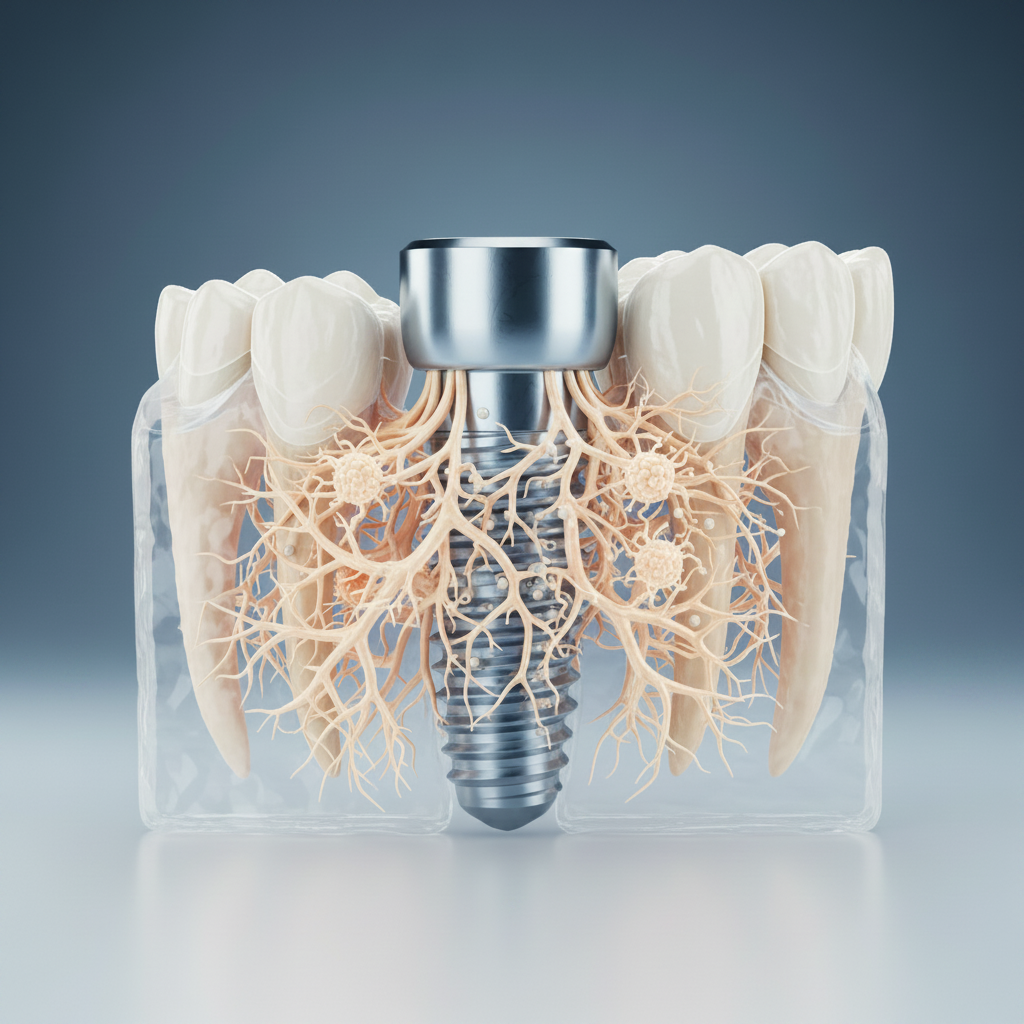
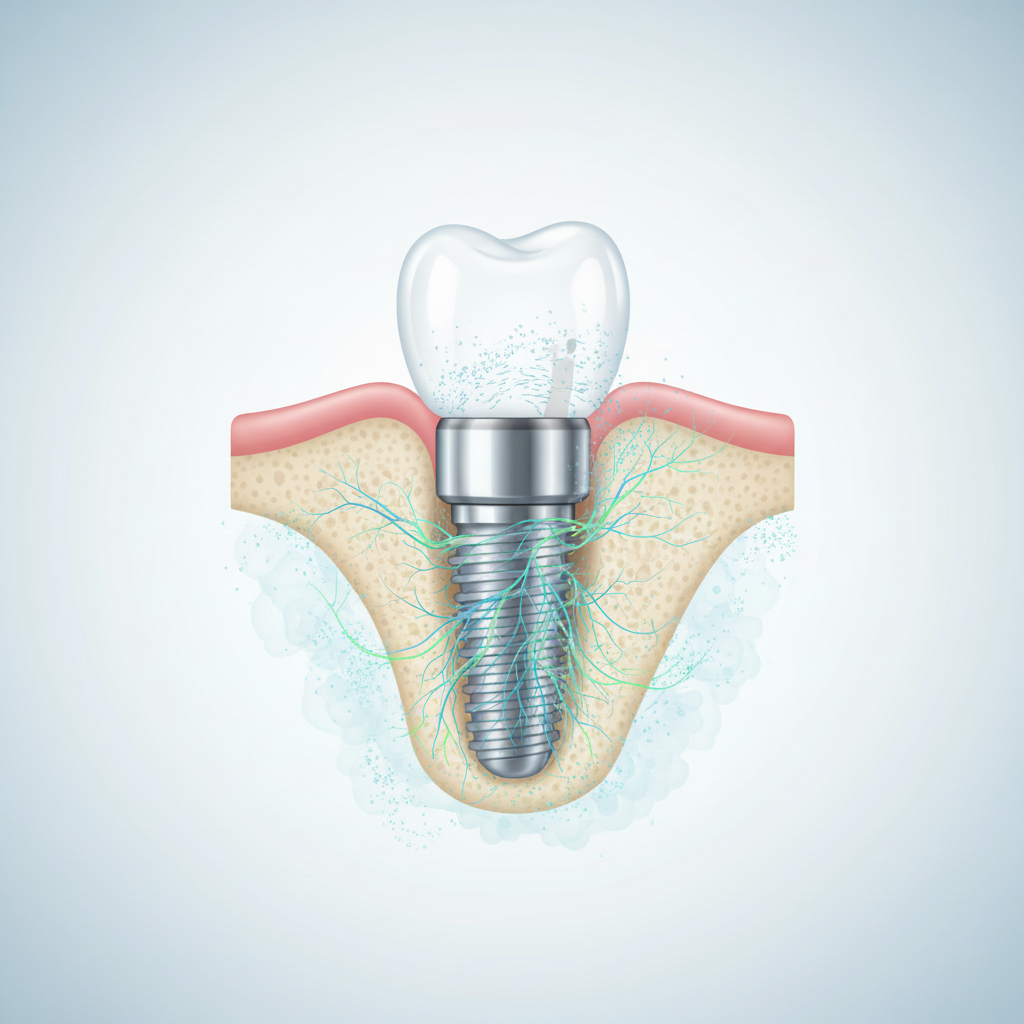
The most critical phase of dental implant recovery, though largely unseen, is osseointegration. This biological process involves the fusion of the dental implant post (typically made of titanium) with the surrounding jawbone. It is this direct structural and functional connection between the living bone and the surface of a load-bearing implant that makes dental implants incredibly stable and successful.
Osseointegration typically takes anywhere from 3 to 6 months, and sometimes longer, depending on various factors such as bone quality, the patient’s overall health, and the number and location of implants. During this time, the implant is securely integrating into your jawbone, acting as a stable anchor for the future prosthetic tooth. It’s vital to avoid any pressure or force on the implant during this period, which means continuing to adhere to a soft diet and avoiding chewing directly on the implant site if possible. Many dentists will place a temporary crown or a healing cap to protect the implant during this phase.
While you won’t feel the bone integrating with the implant, consistent follow-up appointments with your dentist are crucial to monitor the progress of osseointegration. X-rays will be taken to confirm proper integration before proceeding to the next stage of treatment. A successful osseointegration process is the cornerstone of a long-lasting and functional dental implant.
Post-Osseointegration: Abutment and Crown Placement
Once osseointegration is complete, the next step in the recovery and restoration process is the placement of the abutment and the final prosthetic tooth (crown, bridge, or denture).
The abutment is a small connector piece that attaches to the dental implant and protrudes through the gum line, serving as the base for the final restoration. In some cases, the abutment may be placed during the initial surgery. In others, a minor second surgical procedure might be necessary to expose the implant and attach the abutment. This procedure is generally much less invasive than the initial implant placement and involves minimal discomfort and a shorter healing period, usually a few days to a week.
After the abutment is in place and the gum tissue has healed around it, impressions of your mouth are taken. These impressions are used by a dental lab to custom-fabricate your permanent crown, bridge, or denture to match the color, shape, and size of your natural teeth. Once the custom restoration is ready, it is securely attached to the abutment, completing your dental implant treatment. This final step marks the end of the active recovery process and the beginning of enjoying your fully restored smile.
Factors Influencing the Recovery Process After Dental Implants
Several factors can influence the duration and ease of your dental implant recovery:
* **Number of Implants:** A single implant generally has a quicker and less complicated recovery than multiple implants or full-mouth reconstruction.
* **Location of Implants:** Implants placed in areas with denser bone, like the lower jaw, might integrate differently than those in softer bone areas, such as the upper jaw.
* **Bone Grafting:** If bone grafting was necessary before or during implant placement to ensure sufficient bone volume, the overall recovery time would be extended to allow the graft to heal and integrate.
* **Patient’s General Health:** Systemic health conditions like diabetes, autoimmune diseases, or habits such as smoking can impact healing speed and increase the risk of complications. Smokers, for instance, often experience delayed healing and a higher risk of implant failure.
* **Adherence to Post-Operative Instructions:** Diligently following your dentist’s instructions regarding oral hygiene, diet, medication, and activity restrictions is the most significant factor in a smooth recovery.
| Recovery Stage | Typical Timeline | Key Characteristics & Care |
|---|---|---|
| Immediate Post-Op | First 24-72 hours | Swelling, minor bleeding, mild pain. Use ice packs, pain medication, gentle rinsing. Rest and keep head elevated. |
| First Week | Days 3-7 | Swelling subsides, bruising may appear. Continue soft diet, gentle oral hygiene with prescribed mouthwash/saltwater. Avoid strenuous activity. |
| Early Healing | Weeks 2-6 | Gradual return to normal activities and diet as comfort allows. Continued careful oral hygiene. Surgical site visually improving. |
| Osseointegration | 3-6 months (can be longer) | Implant fuses with jawbone. This phase is largely unseen but critical. Avoid pressure on the implant. Regular follow-ups with dentist. |
| Abutment Placement | After osseointegration (if not placed initially) | Minor procedure to expose implant and attach connector. Short recovery (days to a week) for gum tissue to heal around abutment. |
| Final Restoration | After abutment healing | Impressions taken, custom crown/bridge/denture fabricated and attached. Completion of the functional and aesthetic restoration. |
Long-Term Care and Maintenance for Dental Implants
The successful recovery after dental implant surgery extends beyond the initial healing and osseointegration phases. Long-term care is crucial for ensuring the longevity and health of your dental implants and surrounding oral tissues. Dental implants, while highly durable, require similar care to natural teeth.
Regular and diligent oral hygiene practices are paramount. This includes brushing at least twice a day with a soft-bristled toothbrush, flossing daily, and using interdental brushes or water flossers to clean around the implant crown and under the gum line. Specific tools designed for implant care may be recommended by your dentist or hygienist.
Routine dental check-ups and professional cleanings are also non-negotiable. Your dentist and dental hygienist can monitor the health of your implants, detect any potential issues early, and provide specialized cleaning that cannot be achieved at home. They will assess the surrounding gum tissue, bone levels, and the integrity of the implant restoration.
Avoid habits that could jeopardize your implants, such as chewing on ice, biting hard objects, or using your teeth as tools. If you grind or clench your teeth (bruxism), your dentist might recommend a nightguard to protect your implants and natural teeth from excessive force.
By adhering to these long-term care guidelines, you can significantly contribute to the enduring success of your dental implants, ensuring they remain a functional and beautiful part of your smile for many years to come.
For more detailed information on the procedure itself, you may wish to read about what happens during a dental implant procedure.