The Warning Signs of a Dental Infection
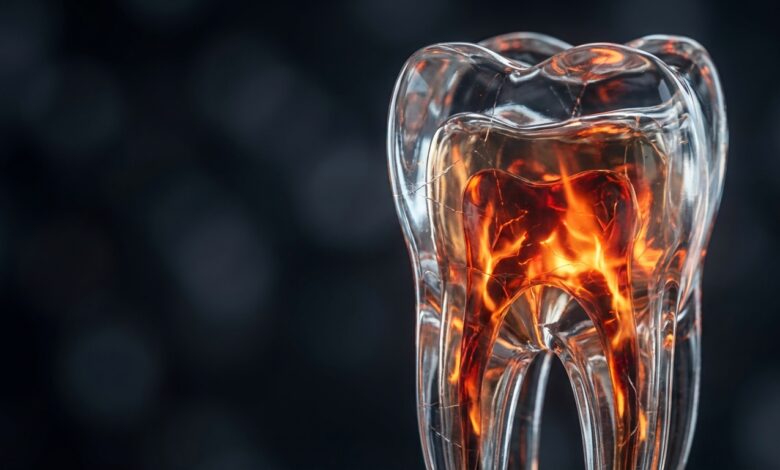
The Warning Signs of a Dental Infection are often subtle at first, but they are your body’s critical alert system for a problem that can escalate from a minor annoyance to a serious health threat. A dental infection, often known as a tooth abscess, is a pocket of pus that forms in different parts of a tooth as a result of a bacterial infection. While many people associate dental issues with simple pain, an infection is far more complex. It signifies that harmful bacteria have breached the tooth’s natural defenses and are proliferating within the tooth’s pulp or the surrounding gum and bone tissue. Ignoring these signs is not an option, as the consequences can extend far beyond your mouth, potentially impacting your overall systemic health. Understanding what to look for is the first and most crucial step in seeking timely, effective treatment and preventing severe complications.
The Origins: How Dental Infections Begin
A dental infection does not appear overnight. It is typically the result of a pre-existing condition that has been left unaddressed, allowing bacteria to invade areas they shouldn’t. Understanding these root causes is essential for prevention. The three primary pathways for bacteria to establish an infection are through tooth decay, gum disease, or physical trauma to the tooth.
Untreated Tooth Decay (Cavities)
The most common cause of a dental infection is an untreated cavity. Your teeth are protected by a hard outer layer called enamel. Poor oral hygiene and a diet high in sugar and starches can lead to the formation of plaque, a sticky film of bacteria. These bacteria produce acids that erode the enamel, creating a small hole known as a cavity. If this decay is not treated with a filling, it will continue to progress deeper into the tooth, through the softer dentin layer, and eventually reach the innermost part of the tooth: the pulp. The pulp contains nerves, blood vessels, and connective tissue. Once bacteria invade this sterile environment, the pulp becomes infected and inflamed. The body’s immune system responds by sending white blood cells to fight the bacteria, leading to the formation of pus, which is an accumulation of dead bacteria, dead white blood cells, and tissue fluid. This collection of pus forms an abscess, typically at the tip of the tooth’s root (a periapical abscess).
Gum Disease (Periodontitis)
Another significant cause is advanced gum disease, or periodontitis. This condition begins as gingivitis, an inflammation of the gums caused by plaque buildup along the gumline. If not managed, gingivitis can progress to periodontitis, where the gums pull away from the teeth, creating deep pockets. These pockets are difficult to clean and become breeding grounds for harmful bacteria. The bacteria can then attack the ligaments and bone that support the teeth. In some cases, an infection can form within these pockets, leading to a periodontal abscess. This type of abscess is located in the gum tissue next to a tooth’s root, rather than at the tip of the root. It often presents as a shiny, swollen, and red bump on the gums.
Dental Trauma and Injury
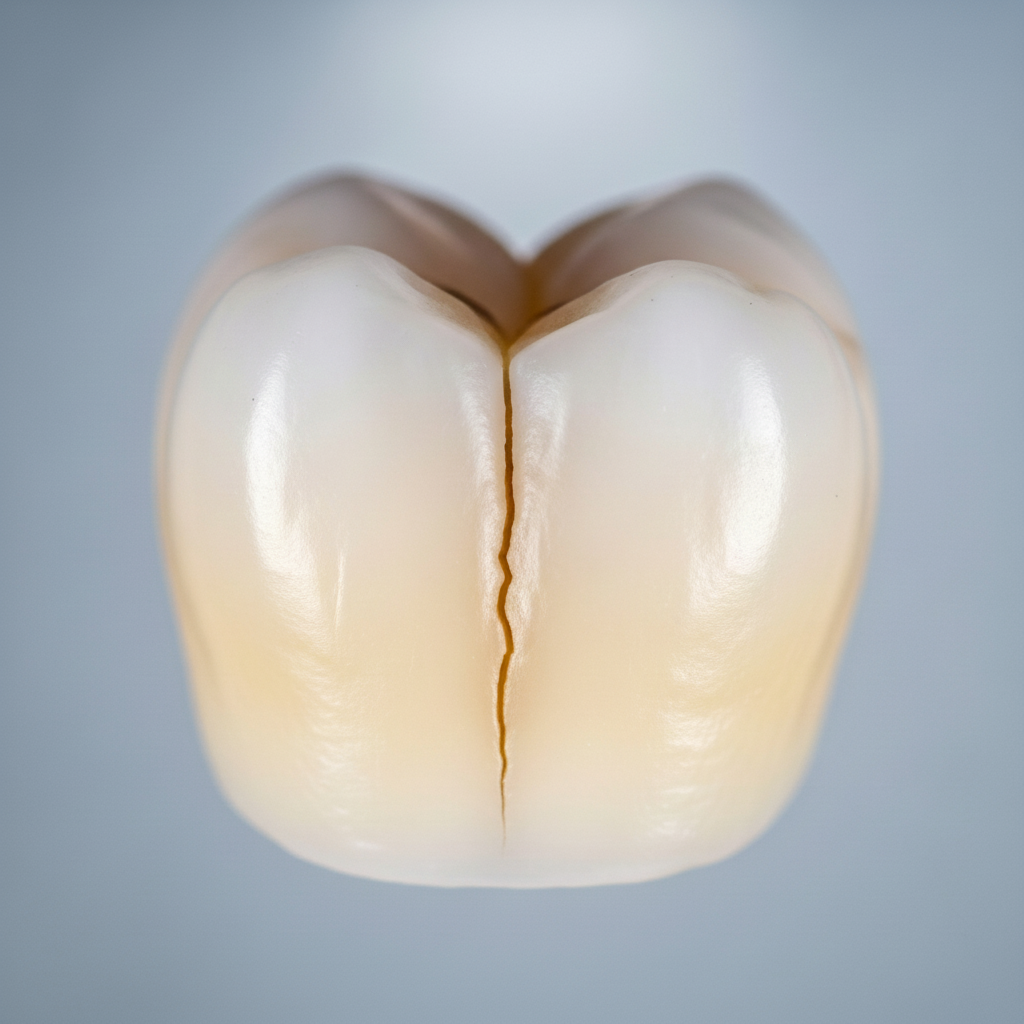
A sudden impact, fall, or accident can cause a tooth to chip, crack, or become dislodged. Even a minor crack that is not visible to the naked eye can be large enough to create a pathway for bacteria to enter the tooth and infect the pulp. Unlike decay, which progresses slowly, trauma can introduce bacteria to the pulp chamber almost instantly. The subsequent infection process is similar to that caused by decay, resulting in inflammation, nerve death, and the formation of an abscess. It is crucial to have any form of dental trauma evaluated by a dentist, even if there is no immediate pain, to ensure the tooth’s integrity has not been compromised.
Recognizing the Symptoms: Your Body’s Alarm System
A dental infection can manifest through a variety of symptoms, ranging from mild to severe. Being able to recognize these signs is vital for seeking prompt dental care. The most common indicator is pain, but there are many other signals your body may be sending.
- Severe, Persistent, Throbbing Toothache: This is often the primary symptom. The pain can be intense and may radiate to the jawbone, neck, or ear. It can feel like a constant, throbbing pressure.
- Sensitivity to Temperatures and Pressure: The infected tooth may become extremely sensitive to hot or cold foods and beverages. There can also be sharp pain when chewing or biting down.
- Swelling: You may notice visible swelling in your face, cheek, or the gum area near the affected tooth. In more severe cases, swelling can extend to the neck and lymph nodes.
- Fever: As the body fights the infection, it may develop a fever. This is a sign that the infection is becoming more systemic and should be treated as a serious warning.
- Foul Taste or Odor: An abscess can sometimes rupture and drain, releasing foul-smelling and foul-tasting pus into your mouth. This can also contribute to persistent bad breath.
- Visible Abscess: A small, pimple-like bump (known as a fistula or gum boil) may appear on the gums near the tooth root. This is a tunnel created by the infection to drain the pus.
The Dangers of Delay: Why a Dental Infection is a Medical Emergency
One of the most dangerous misconceptions about a dental infection is that it will resolve on its own. It will not. If the pain suddenly stops, it is not a sign of healing; rather, it often means the infection has killed the nerve inside the tooth and is now actively spreading into the surrounding bone and tissue. An untreated infection can lead to life-threatening complications. The bacteria from the abscess can spread to other parts of the body, creating widespread health issues.
The infection can travel to the jawbone, causing a condition called osteomyelitis, which is an infection of the bone itself. It can also spread to the soft tissues of the face and neck, resulting in cellulitis, a serious bacterial skin infection. The most dangerous scenario is when bacteria from the dental abscess enter the bloodstream, leading to a condition called sepsis. Sepsis is the body’s extreme and life-threatening response to an infection and requires immediate hospitalization. In rare cases, the infection can spread to the brain or the sinuses, posing a critical risk to a person’s life.
Professional Diagnosis and Treatment for a Dental Infection
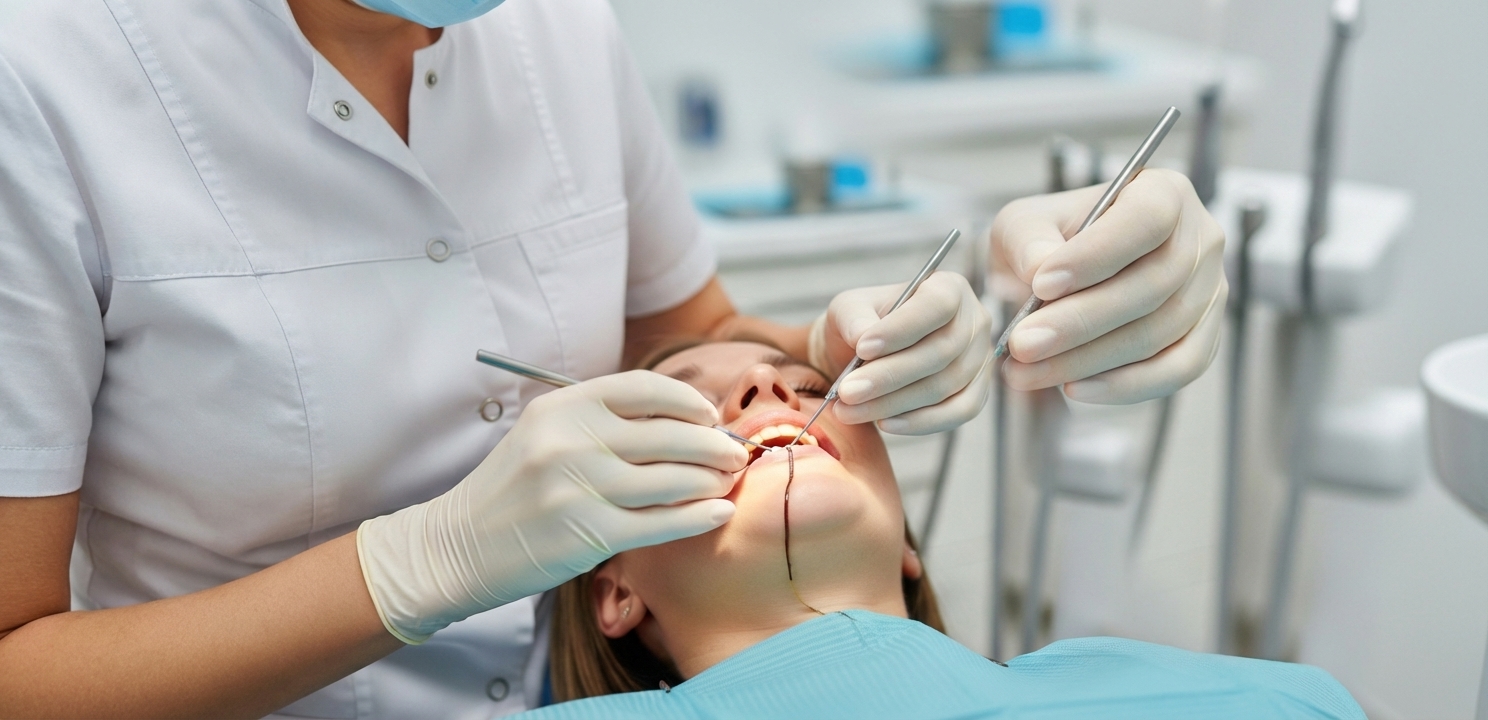
Self-diagnosis and home remedies are not sufficient for a dental infection. Professional dental care is mandatory. A dentist will perform a thorough examination to confirm the diagnosis and determine the best course of action. This typically involves a visual inspection, tapping on the teeth to check for sensitivity, and taking dental X-rays to see the extent of the infection and bone loss around the root.
Treatment focuses on two primary goals: eliminating the infection and preserving the tooth if possible. Depending on the severity, treatment options include:
- Draining the Abscess: The dentist will make a small incision into the abscess to allow the pus to drain out. This provides immediate relief from the pressure and pain.
- Root Canal Therapy: This is the most common procedure for saving a tooth with an infected pulp. During a root canal, the dentist removes the infected pulp, carefully cleans and disinfects the inside of the tooth, and then fills and seals the space. A crown is often placed on the tooth afterward to protect it and restore its function. Many people fear this procedure, but it is the key to resolving the infection while keeping your natural tooth. Understanding the signs you might need a root canal treatment can help you seek care before the infection worsens.
- Tooth Extraction: If the infection is too severe and the tooth cannot be saved, the dentist will need to extract it. This allows the infection to drain completely.
- Antibiotics: Dentists may prescribe antibiotics to help control the bacteria and prevent the infection from spreading, particularly if you have a fever or swelling. However, antibiotics alone are not a cure. The source of the infection—the infected pulp—must be physically removed through a root canal or extraction.
Proactive Prevention: Safeguarding Your Oral Health
The best way to deal with a dental infection is to prevent it from ever occurring. Prevention relies on consistent and comprehensive oral hygiene practices and regular professional care. Maintaining good oral health involves establishing a routine that removes plaque, addresses problems early, and supports the natural defenses of your teeth and gums. Key preventive measures include practicing excellent oral hygiene by brushing twice daily with fluoride toothpaste, flossing at least once a day to clean between teeth, and attending regular dental check-ups and cleanings every six months. A balanced diet low in sugar is also crucial, as is wearing a mouthguard during sports to prevent trauma. By taking these proactive steps, you can significantly reduce your risk of developing painful and dangerous dental infections.