How to Fix Yellow Teeth Safely
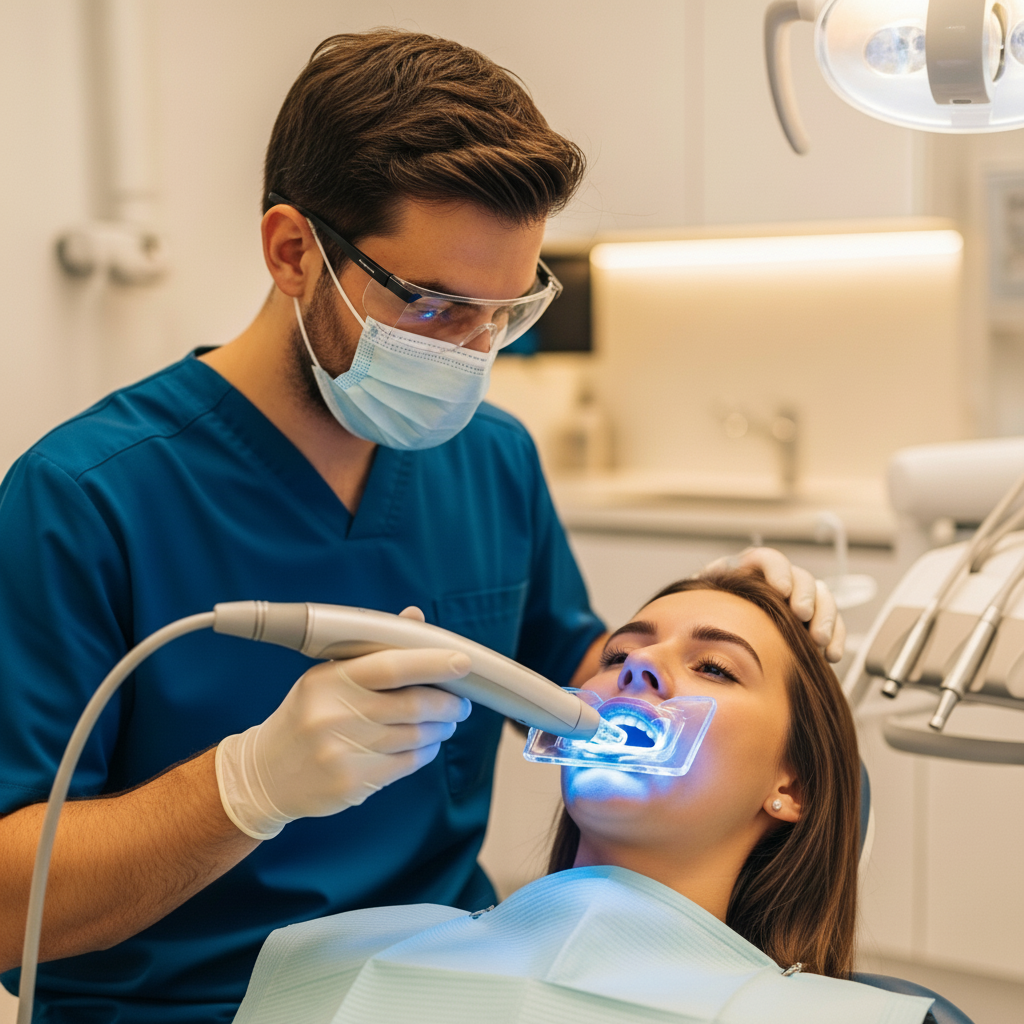
Professional in-office teeth whitening is one of the most popular cosmetic dental procedures for a reason. It is a highly effective method for removing deep-set extrinsic stains caused by food, drink, and ageing. The process is carefully monitored by a dental professional to ensure safety and maximise results.
How to Fix Yellow Teeth Safely, effectively, and with long-lasting results is a common goal for many individuals seeking to enhance their confidence and overall appearance. A bright, white smile is often associated with health and vitality, but various factors can lead to tooth discoloration over time. While numerous over-the-counter products promise dramatic results, the most reliable and secure path to a whiter smile involves professional dental care. Understanding the root causes of yellowing teeth is the first step toward choosing the most appropriate and effective treatment plan.
Understanding Why Teeth Turn Yellow
Tooth discoloration is a complex process that can be attributed to two primary categories of staining: extrinsic and intrinsic. Understanding the difference is crucial for selecting a treatment that addresses the specific cause of your tooth yellowing.
Extrinsic Stains: These are stains that affect the outer layer of the tooth, known as the enamel. The enamel is the hard, protective surface that can become stained by pigments from foods, beverages, and other lifestyle habits. The most common culprits behind extrinsic staining include:
- Foods and Drinks: Coffee, tea, red wine, dark sodas, and richly coloured fruits like berries contain strong pigments called chromogens that attach to the enamel. Acidic foods and drinks can also erode the enamel, making it easier for these pigments to latch onto the tooth surface.
- Tobacco Use: Both smoking and chewing tobacco are significant contributors to yellow and brown stains. The tar and nicotine in tobacco products seep into the pores of the enamel, causing stubborn discoloration that is difficult to remove with regular brushing.
- Poor Oral Hygiene: Inadequate brushing and flossing allow plaque, a sticky film of bacteria, to build up on the teeth. Plaque can harden into tartar (calculus), which has a yellowish appearance and can only be removed by a dental professional.
Intrinsic Stains: These stains occur within the inner structure of the tooth, called the dentin. The dentin layer is naturally more yellow than the enamel above it. When the enamel thins with age or is damaged, more of the yellow dentin shows through. Intrinsic staining is often more challenging to treat than extrinsic staining. Key causes include:
- Ageing: As we age, the outer enamel layer naturally wears down and becomes thinner, revealing more of the yellowish dentin beneath.
- Genetics: Some individuals are simply born with enamel that is brighter or thicker than others. Your genetic makeup plays a role in the natural shade of your teeth.
- Medications: Certain medications, such as tetracycline and doxycycline antibiotics, can cause significant intrinsic staining if taken when teeth are still developing (typically before the age of 8). Some antihistamines, antipsychotic drugs, and medications for high blood pressure can also cause tooth discoloration.
- Trauma: An injury to a tooth can disrupt enamel formation in children whose teeth are still developing. In adults, an impact can cause damage to the tooth’s nerve, leading to internal bleeding that discolours the tooth from the inside out. According to a study on tooth discoloration, trauma is a significant factor in intrinsic staining.
Professional Methods to Fix Yellow Teeth
While at-home remedies may offer minimal improvement for light extrinsic stains, professional dental treatments provide the safest, most effective, and predictable results for significant discoloration. A qualified dentist can accurately diagnose the cause of your yellow teeth and recommend a tailored solution. At our clinic, we specialise in transformative cosmetic procedures that restore brilliance and health to your smile.
Professional Teeth Whitening (Bleaching)
The procedure typically involves the application of a powerful yet safe hydrogen peroxide or carbamide peroxide bleaching gel to the teeth. Before application, your dentist will protect your gums and other soft tissues with a special barrier to prevent irritation. The whitening agent works by penetrating the enamel and breaking down the discoloured molecules within the tooth. In some cases, a specialised light or laser is used to activate the gel, accelerating the whitening process. A single in-office session can lighten your teeth by several shades, providing immediate and dramatic improvement.
Dental Veneers: A Permanent Solution
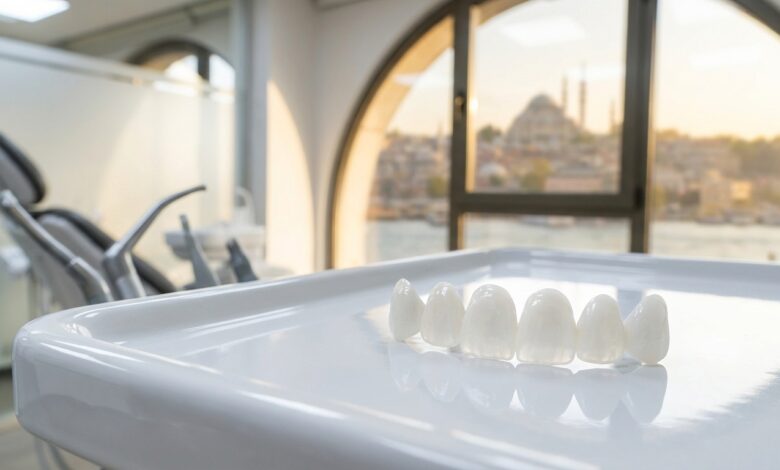
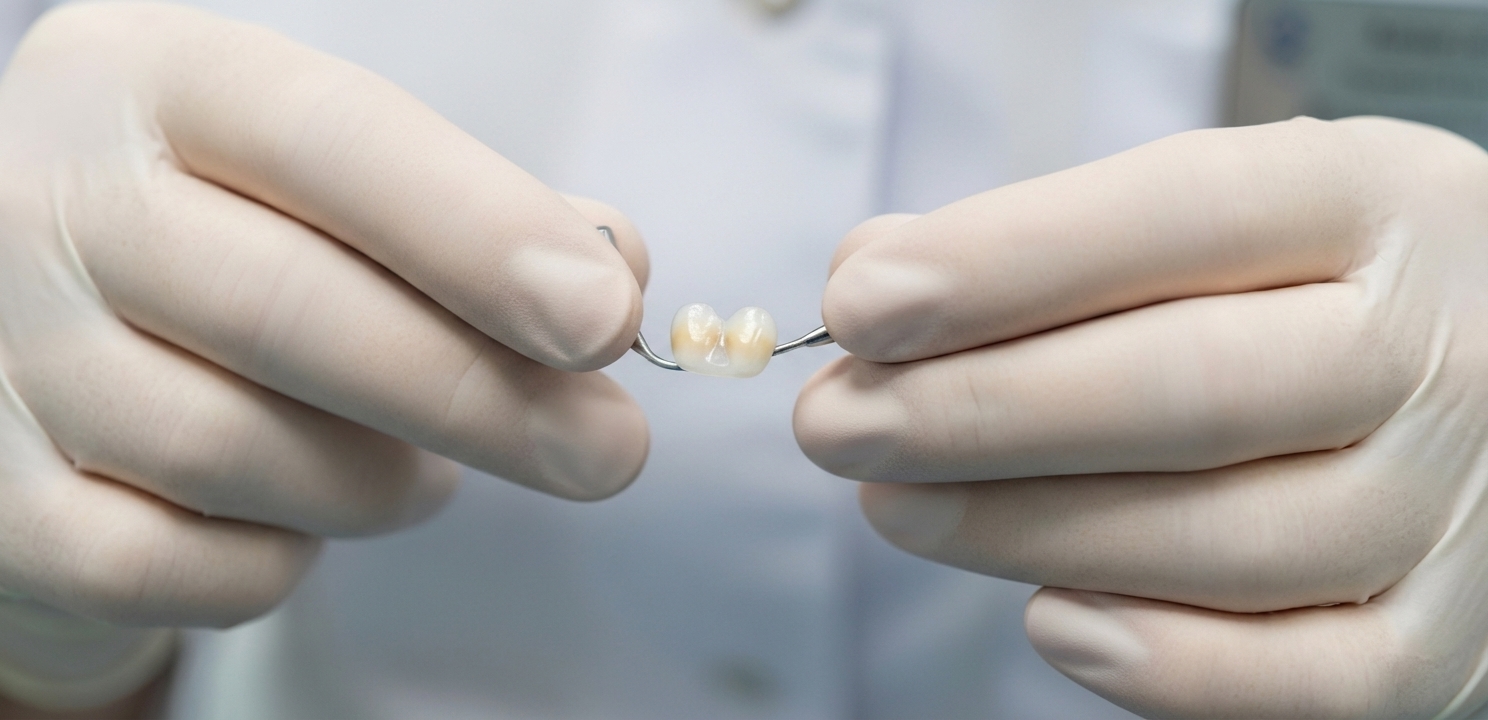
For intrinsic stains that do not respond to bleaching, or for individuals seeking a comprehensive smile makeover, dental veneers offer a superb and permanent solution. Veneers are ultra-thin, custom-made shells of tooth-coloured material, typically porcelain, designed to cover the front surface of the teeth. They are an excellent option to fix not only yellow teeth but also issues like chips, gaps, and minor misalignments.
The process involves a meticulous design phase where the shape, size, and shade of the veneers are chosen to create a natural and harmonious smile. A very small amount of enamel is removed from the tooth surface to accommodate the veneer, ensuring a seamless fit. Impressions are taken, and your custom veneers are fabricated in a dental laboratory. Once ready, they are permanently bonded to your teeth, creating a durable, stain-resistant, and brilliantly white smile. Because porcelain is non-porous, it resists future staining from coffee, tea, and other common culprits far better than natural enamel. To understand the investment involved, many patients find a veneers in Turkey cost guide helpful for planning their treatment.
Comparing Your Professional Whitening Options
Choosing between professional teeth whitening and dental veneers depends on the nature of your discoloration, your aesthetic goals, and your budget. Both are excellent options provided by a skilled cosmetic dentist, but they serve different purposes and offer different long-term outcomes.
| Feature | Professional Teeth Whitening | Dental Veneers |
|---|---|---|
| Mechanism | Uses a bleaching agent (hydrogen or carbamide peroxide) to break down stains within the tooth enamel. | A thin porcelain shell is bonded to the front of the tooth, physically covering the discoloration. |
| Best For | Extrinsic (surface) stains from coffee, tea, smoking, and ageing. Mild to moderate discoloration. | Severe intrinsic stains, tetracycline stains, trauma-related discoloration, and correcting shape/size imperfections. |
| Treatment Time | Typically one a single visit of about 60-90 minutes for in-office treatment. | Requires at least two visits over a period of a week or two for consultation, preparation, and final placement. |
| Longevity | Results can last from 6 months to 3 years, depending on diet and oral hygiene. Touch-ups may be needed. | Highly durable and can last 10-20 years or more with proper care. They are considered a permanent solution. |
| Stain Resistance | Natural teeth remain susceptible to future staining after whitening. | Porcelain is highly resistant to staining, maintaining its colour for years. |
The Importance of Professional Supervision
Navigating the world of teeth whitening can be confusing, with countless pastes, strips, and gels available at pharmacies. While these products may seem like a convenient and affordable option, they come with significant risks and limitations. Over-the-counter products contain much lower concentrations of whitening agents, leading to less effective and often uneven results. More importantly, unsupervised use can lead to painful tooth sensitivity and chemical burns on the gums if not applied correctly.
A consultation with a dentist is the most critical step. A professional will first conduct a thorough examination to ensure your teeth and gums are healthy enough for a whitening procedure. Issues like cavities or gum disease must be addressed before any cosmetic treatment. A dentist can also identify the type of staining you have and recommend the most effective treatment, saving you from wasting time and money on products that will not work for your specific needs.
Maintaining Your White Smile After Treatment
Once you have invested in a professional treatment to fix your yellow teeth, it is essential to take steps to maintain your beautiful results. A few simple adjustments to your daily routine can prolong the effects of your treatment and keep your smile looking bright for years to come.
Oral Hygiene Best Practices
Meticulous oral hygiene is non-negotiable. Brush your teeth at least twice a day with a non-abrasive toothpaste and floss daily to remove plaque and prevent tartar buildup. Attending regular dental check-ups and cleanings every six months allows your dentist to remove any surface stains that have accumulated and monitor your overall oral health.
Dietary Adjustments
Be mindful of what you eat and drink. Limiting your consumption of known staining agents like coffee, red wine, tea, and dark sauces is highly beneficial. When you do indulge, consider using a straw to minimise contact with your front teeth. Rinsing your mouth with water after consuming staining foods or drinks can also help wash away pigments before they have a chance to set.
Achieving the bright, white smile you desire is a realistic and attainable goal with the help of modern cosmetic dentistry. By seeking professional guidance, you can safely and effectively fix yellow teeth, choosing a treatment path that aligns with your specific needs, whether it’s the immediate boost of in-office whitening or the permanent, flawless finish of porcelain veneers. A radiant smile is not just about aesthetics; it’s about restoring confidence and showcasing your best self to the world.