10 Early Signs of Gum Disease You Should Never Ignore
Gingivitis: This is the earliest and mildest form of periodontal disease. It is caused by the accumulation of plaque—a sticky film of bacteria—along the gumline. When plaque is not removed by regular brushing and flossing, it hardens into tartar (or calculus), which can only be removed by a dental professional. The bacteria in plaque and tartar produce toxins that irritate the gum tissue, causing inflammation. The key characteristic of gingivitis is that it is reversible. With professional treatment and diligent home care, the gums can return to a healthy state because no damage to the bone and connective tissues that hold the teeth in place has occurred yet.
10 Early Signs of Gum Disease You Should Never Ignore, as your oral health is a critical window into your overall well-being. While many people focus on the brightness of their smile, the health of the gums that support those teeth is equally, if not more, important. Gum disease, also known as periodontal disease, is a progressive inflammatory condition that can lead to significant health complications, including tooth loss and systemic issues affecting the heart and other organs. The subtlety of its initial symptoms means it often goes unnoticed until it has advanced to a more severe stage. Recognizing the earliest warnings is the key to effective treatment and prevention of long-term damage.
Understanding Gum Disease: From Gingivitis to Periodontitis
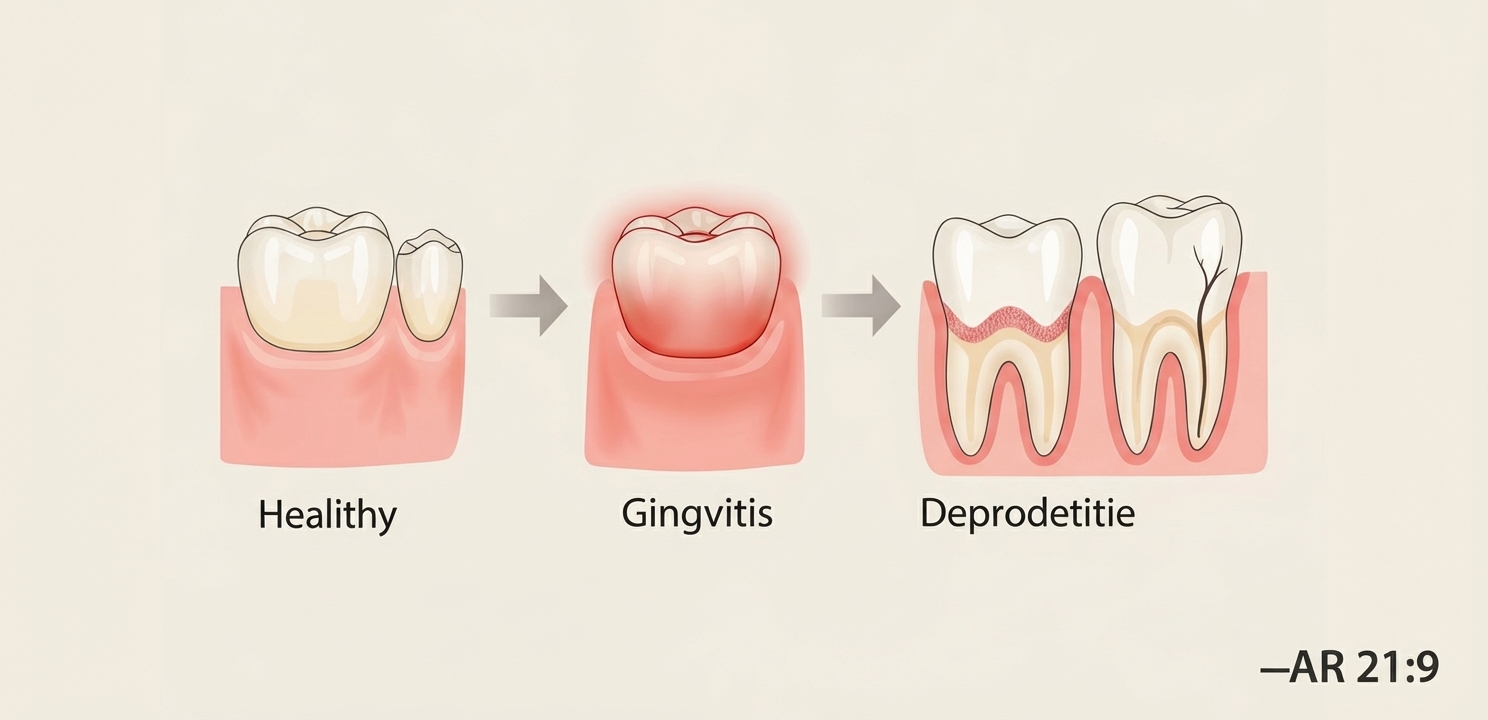
Before diving into the specific signs, it is crucial to understand the two main stages of gum disease. The progression is typically linear, starting with a milder, reversible form and advancing to a more destructive, irreversible condition if left untreated.
Periodontitis: If gingivitis is not addressed, it can progress to periodontitis. At this stage, the inflammation spreads below the gumline and begins to affect the underlying structures. The body’s immune system, in its fight against the bacterial toxins, starts to break down the bone and connective tissue that support the teeth. Pockets form between the gums and teeth, which become deeper as the disease progresses, trapping more plaque and bacteria. This process can lead to significant bone loss, loose teeth, and eventually, tooth extraction. Periodontitis has several stages, from mild to advanced, and the damage it causes is largely irreversible.
What are the Key Early Signs of Gum Disease?
Catching gum disease in its gingivitis stage offers the best prognosis. This requires paying close attention to your oral health and recognizing subtle changes that may indicate a problem. Below are ten of the most common early indicators that should prompt a visit to your dentist.
1. Bleeding Gums
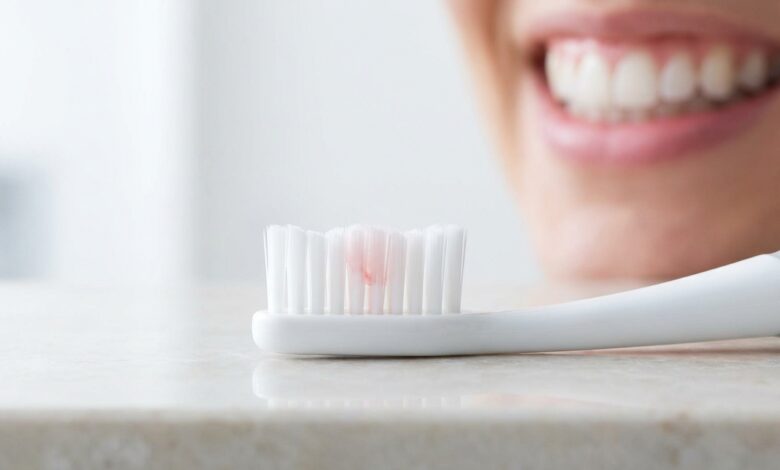
Healthy gums should not bleed. If you notice blood on your toothbrush or in the sink after brushing or flossing, it is a primary sign of inflammation. While vigorous brushing can sometimes cause minor bleeding, persistent bleeding with gentle care is a classic symptom of gingivitis. The bacteria in plaque cause the gums to become inflamed and fragile, making them susceptible to bleeding even with minimal contact.
2. Red, Swollen, or Tender Gums
Healthy gums are typically firm, pale pink, and fit snugly around the teeth. In contrast, gums affected by gingivitis often appear bright red, purplish, and puffy or swollen. This swelling, known as edema, is a direct result of the body’s inflammatory response to bacterial infection. The gums may also feel tender or sore to the touch, particularly during brushing or when eating.
3. Persistent Bad Breath (Halitosis)
While bad breath can be caused by certain foods or poor hydration, chronic bad breath that doesn’t go away after brushing and flossing is a common sign of gum disease. The bacteria festering in the plaque on your teeth and in the pockets around them release volatile sulfur compounds, which produce a distinct and unpleasant odor. This is more than morning breath; it’s a persistent smell indicating an underlying infection.
4. Receding Gums
Gum recession is a process where the margin of the gum tissue that surrounds the teeth wears away or pulls back, exposing more of the tooth or the tooth’s root. This can make your teeth appear longer than normal. While recession can be a gradual process, it is a significant indicator of progressing gum disease. The destruction of gum tissue creates deeper pockets, accelerating the disease process.
5. Tooth Sensitivity
As gums recede, they expose the dentin, the sensitive layer of the tooth beneath the enamel. The roots of your teeth are not covered by protective enamel, so their exposure can lead to sharp pain or sensitivity when consuming hot, cold, sweet, or acidic foods and drinks. If you suddenly develop sensitivity in multiple teeth, it could be linked to widespread gum recession.
6. Pus Between Teeth and Gums
The presence of pus, a yellowish fluid, is a definitive sign of a significant infection. In the context of gum disease, this is known as a periodontal abscess. It indicates that your body is trying to fight off the bacterial invasion in the pockets between your teeth and gums. Seeing or tasting pus in your mouth is a serious symptom that requires immediate dental attention.
7. Painful Chewing
When gum disease becomes more advanced, the simple act of chewing can become painful. This discomfort can arise from several factors. Tender, inflamed gums can hurt under the pressure of chewing. Additionally, if the disease has started to affect the ligaments and bone supporting the teeth, the pressure on those weakened structures can cause a deep, aching pain.
8. Loose Teeth
Loose teeth are a late-stage sign of periodontitis, not gingivitis. However, any change in the stability of a tooth is a major red flag. This occurs when the bacterial infection has caused significant destruction of the supporting bone and periodontal ligaments that anchor the teeth in the jaw. The teeth may feel mobile when you touch them or may shift during chewing.
9. A Change in Your Bite
As periodontitis causes teeth to become loose, they can shift their position. This movement can alter the way your upper and lower teeth fit together when you close your mouth. You might notice that your bite feels different or that certain teeth no longer meet as they used to. This is a serious symptom indicating that the foundational support of your teeth is compromised.
10. Spaces Developing Between Teeth
The Progression of Gum Disease: A Staged Breakdown
Understanding the different stages can help clarify why early intervention is so critical. The following table illustrates the progression from healthy gums to advanced periodontitis.
| Stage | Key Characteristics | Common Signs |
|---|---|---|
| Healthy Gums | Firm, pale pink tissue. No bone loss. Gums fit snugly around teeth. | No bleeding, swelling, or pain. |
| Gingivitis (Early Stage) | Inflammation of the gums caused by plaque buildup. No damage to bone or connective tissue. Reversible. | Red, swollen gums; bleeding during brushing/flossing; possible bad breath. |
| Periodontitis (Advanced Stage) | Irreversible destruction of gum tissue, ligaments, and supporting bone. Pockets form and deepen. | All signs of gingivitis plus gum recession, loose teeth, pus, painful chewing, and changes in bite. |
Risk Factors and Prevention Strategies
While plaque is the primary cause, several factors can increase your risk of developing gum disease. These include smoking, diabetes, hormonal changes in women, certain medications that reduce saliva flow, and genetic predisposition. The cornerstone of prevention is maintaining excellent oral hygiene. This involves brushing your teeth for two minutes, twice a day, and flossing daily to remove plaque from between teeth and under the gumline. Regular dental check-ups and professional cleanings are equally vital, as they remove hardened tartar that you cannot eliminate at home. Exploring professional dental procedures like deep cleanings can be a crucial step in managing and halting the progression of gum disease.
The Importance of Professional Diagnosis and Treatment
Ignoring the early signs of gum disease allows the condition to advance, leading to more severe health consequences. Research has established a strong link between periodontitis and other systemic diseases, including cardiovascular disease, diabetes, and respiratory infections. The bacteria from the infected gums can enter the bloodstream and travel to other parts of the body, causing widespread inflammation. A comprehensive review by the National Center for Biotechnology Information highlights how periodontitis can influence systemic health, underscoring the importance of oral care. A dentist can properly diagnose the stage of gum disease by measuring the depth of the pockets around your teeth, checking for bleeding, and taking X-rays to assess for bone loss. Based on the diagnosis, they can recommend appropriate treatments, from a deep cleaning (scaling and root planing) to more advanced surgical interventions. Prompt action not only saves your teeth but also protects your overall health.

Related to the shifting of loose teeth, you may notice new gaps or widening spaces appearing between your teeth. This is often a result of bone loss, which allows teeth to drift apart. This change, sometimes referred to as “pathologic migration,” is a visible sign of the advanced damage caused by periodontitis.